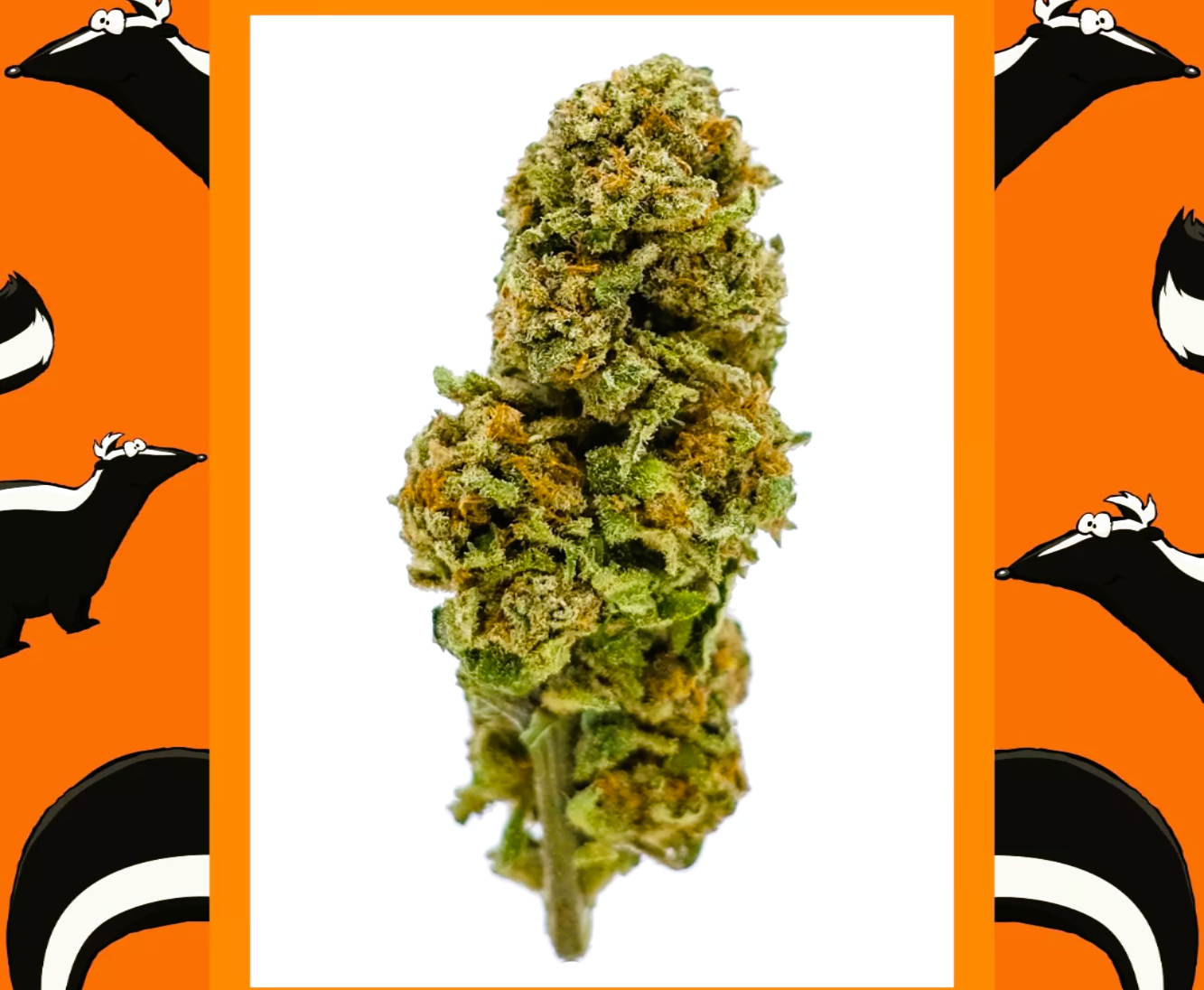
Medical Strain Analysis: Skunk CBD
Skunk CBD is a prominent strain within the burgeoning field of medicinal cannabis, notable for its high cannabidiol (CBD) content and its distinct profile that diverges from traditional recreational cannabis strains. With its balanced chemical composition, Skunk CBD has earned recognition as a therapeutic tool for a wide array of medical conditions. Investigating this strain’s origins, chemical makeup, possible medical uses, and ideal growing circumstances is essential to realizing its full potential. This in-depth analysis seeks to highlight the specific attributes that make Skunk CBD a reliable candidate for addressing medical needs, focusing exclusively on its therapeutic value.
Origins of Skunk CBD
The origins of Skunk CBD lie in the broader history of cannabis cultivation, specifically in the development of hybrid strains designed to maximize medicinal benefits. Skunk CBD is derived from its parent strain, the original Skunk lineage, which emerged in the 1970s as a hybrid between landrace strains originating in Afghanistan, Mexico, and Colombia. The original Skunk strain was renowned for its robust growth characteristics, pungent aroma, and high tetrahydrocannabinol (THC) levels. However, as the demand for therapeutic cannabis grew, breeders sought to re-engineer strains like Skunk to emphasize CBD—a non-psychoactive cannabinoid with a range of medicinal properties.
By selectively breeding original Skunk genetics with high-CBD strains, cultivators created Skunk CBD, a strain that retains the vigor and resilience of its predecessors while offering a cannabinoid profile tailored for medical use. The meticulous breeding process involved stabilizing the strain to ensure consistency in its CBD-to-THC ratio, which is typically high in CBD and low in THC. This makes Skunk CBD an appealing option for patients who seek the therapeutic benefits of cannabis without the intoxicating effects associated with THC.
Chemical Profile of Skunk CBD Cannabis Strain
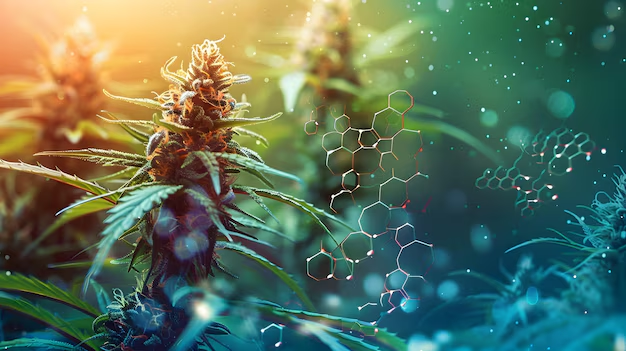
The chemical profile of Skunk CBD is the cornerstone of its medical applications. Cannabinoids, terpenes, and flavonoids collectively contribute to the strain’s efficacy in addressing a variety of medical conditions.
Cannabinoids
The hallmark of Skunk CBD is its high CBD content, which typically ranges between 10% and 15%, coupled with a low THC concentration of 0.3% to 1%. CBD is a non-toxic substance that works with the body’s endocannabinoid system (ECS) to control immunological response, pain, inflammation, and mood. By binding to cannabinoid receptors (primarily CB2 receptors in the peripheral nervous system), CBD modulates the activity of neurotransmitters and reduces the overactivity of certain signaling pathways implicated in chronic conditions.
The low THC content of Skunk CBD is a significant advantage for medical users who wish to avoid the psychoactive effects of cannabis. While THC has its own set of therapeutic benefits, excessive levels can cause anxiety, paranoia, and cognitive impairment in some patients. The balanced ratio in Skunk CBD ensures that users can reap the synergistic benefits of both cannabinoids without adverse side effects.
Terpenes
In addition to cannabinoids, Skunk CBD contains a rich terpene profile that enhances its medical potential. Terpenes are aromatic compounds found in cannabis and other plants, and they play a crucial role in the entourage effect—a phenomenon where cannabinoids and terpenes work together to amplify therapeutic effects. The dominant terpenes in Skunk CBD include:
- Myrcene: Known for its sedative and muscle-relaxing properties, myrcene is particularly beneficial for patients with chronic pain, insomnia, or anxiety disorders.
- Pinene: This terpene has anti-inflammatory and bronchodilatory properties, making it useful for patients with asthma or inflammatory conditions.
- Limonene: Associated with mood elevation and stress relief, limonene can help alleviate symptoms of depression and anxiety.
- Caryophyllene: Unique among terpenes for its ability to bind directly to CB2 receptors, caryophyllene exhibits anti-inflammatory and analgesic properties.
Flavonoids
Flavonoids, another class of compounds present in Skunk CBD, contribute to its therapeutic profile. These antioxidants have been linked to anti-inflammatory, neuroprotective, and anticancer effects. While research on cannabis flavonoids is still emerging, their potential role in enhancing the medicinal value of Skunk CBD cannot be overlooked.
Medical Benefits of Skunk CBD

The medical applications of Skunk CBD are diverse, owing to its balanced chemical profile. Patients with a wide range of conditions have reported improvements in symptoms after using Skunk CBD, and scientific research supports many of these claims.
Pain Management
Chronic pain is one of the most common conditions treated with Skunk CBD. CBD’s ability to modulate pain signals in the nervous system stems from its interaction with the ECS, as well as its anti-inflammatory properties. Skunk CBD is particularly effective for neuropathic pain, which is notoriously difficult to manage with conventional treatments. Conditions such as fibromyalgia, multiple sclerosis, and diabetic neuropathy have shown responsiveness to CBD therapy.
Inflammation
Inflammation is a hallmark of numerous medical conditions, from arthritis to Crohn’s disease. Skunk CBD’s anti-inflammatory properties make it a valuable tool for reducing swelling, redness, and tissue damage. By inhibiting the production of pro-inflammatory cytokines and promoting a balanced immune response, Skunk CBD can help manage both acute and chronic inflammation.
Anxiety and Stress
Mental health disorders such as anxiety and stress are increasingly recognized as major contributors to poor quality of life. Skunk CBD’s anxiolytic effects are well-documented, with patients reporting a reduction in symptoms such as racing thoughts, restlessness, and panic attacks. Unlike traditional anxiolytics, which can cause dependency and sedation, Skunk CBD offers a natural alternative with minimal side effects.
Epilepsy
The use of CBD for epilepsy gained international attention following the approval of Epidiolex, a CBD-based medication for seizures. Skunk CBD, with its high CBD content, is particularly beneficial for patients with drug-resistant epilepsy or conditions such as Dravet syndrome and Lennox-Gastaut syndrome. By reducing the frequency and severity of seizures, Skunk CBD can improve the quality of life for patients and their caregivers.
Sleep Disorders
For patients struggling with insomnia or other sleep disorders, Skunk CBD offers a natural remedy that promotes relaxation and restorative sleep. By reducing anxiety, alleviating pain, and relaxing muscles, Skunk CBD addresses multiple factors that contribute to poor sleep quality. Additionally, its terpene profile, particularly the presence of myrcene, enhances its sedative properties.
Neuroprotection
Emerging research suggests that Skunk CBD may have neuroprotective effects, making it a potential treatment for neurodegenerative conditions such as Alzheimer’s disease, Parkinson’s disease, and multiple sclerosis. By reducing oxidative stress and inflammation in the brain, CBD may slow the progression of these conditions and alleviate symptoms such as tremors, memory loss, and cognitive decline.
Cancer Symptom Management
While research is ongoing, there is evidence to suggest that Skunk CBD may play a role in cancer symptom management. CBD’s antiemetic properties help reduce nausea and vomiting associated with chemotherapy, while its analgesic effects alleviate cancer-related pain. Furthermore, early research suggests that CBD might stop some cancer cells from growing, but more studies are required to validate these results.
Cardiovascular Health
CBD’s ability to reduce blood pressure and inflammation has significant implications for cardiovascular health. Through the promotion of vascular relaxation, the reduction of oxidative stress, and the prevention of arterial plaque accumulation, skunk CBD may help reduce the risk of heart disease. Patients with hypertension, atherosclerosis, or other cardiovascular conditions may benefit from incorporating Skunk CBD into their treatment regimen.
Growing Conditions for Skunk CBD
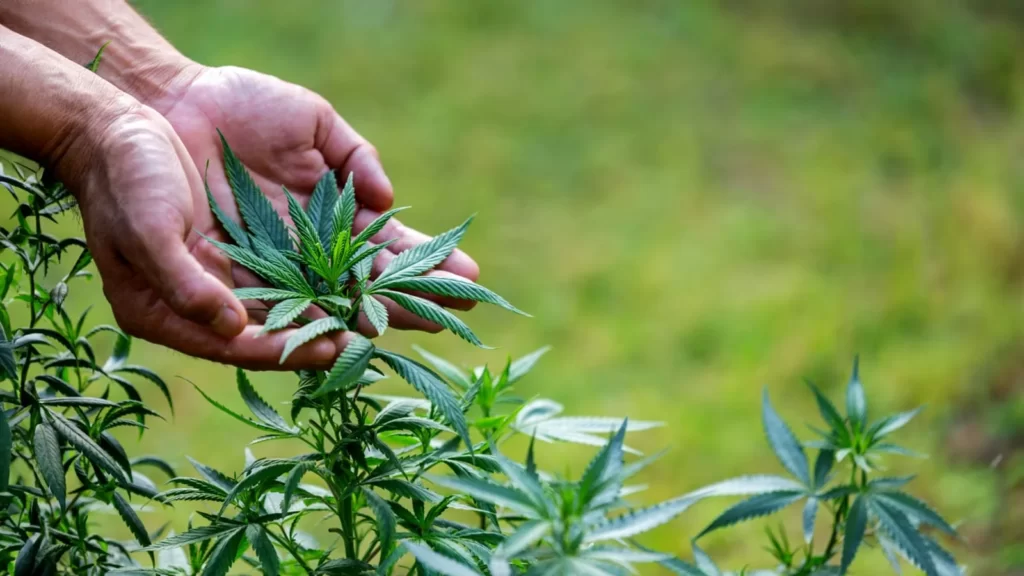
The cultivation of Skunk CBD requires careful attention to environmental factors to ensure optimal cannabinoid and terpene production. As a hybrid strain, Skunk CBD is well-suited to both indoor and outdoor cultivation, though growers often prefer controlled environments to maximize consistency and quality.
Climate
Skunk CBD thrives in a Mediterranean climate with warm, sunny days and cool nights. This strain thrives in temperatures between 70°F and 80°F (21°C and 27°C) during the day, with somewhat lower temperatures at night. Excessive heat or cold can stress the plants and negatively impact their cannabinoid profile.
Light
As with all cannabis plants, light is a critical factor in the growth and development of Skunk CBD. During the vegetative stage, the plants require 18–24 hours of light per day to promote vigorous growth. During the flowering stage, a 12-hour light/dark cycle triggers the production of flowers rich in cannabinoids and terpenes.
Soil and Nutrients
Skunk CBD performs well in nutrient-rich soil with good drainage and aeration. The use of organic fertilizers and compost can enhance the flavor and potency of the final product. Key nutrients include nitrogen during the vegetative stage and phosphorus and potassium during the flowering stage. Micronutrients such as calcium, magnesium, and iron are also essential for healthy plant development.
Humidity and Airflow
Maintaining proper humidity levels is crucial for preventing mold and mildew, which can compromise the quality of the crop. During the vegetative stage, Skunk CBD plants prefer humidity levels of 50%–70%, which can be gradually reduced to 40%–50% during flowering. Adequate airflow is also important to prevent fungal growth and ensure even distribution of CO2, which is necessary for photosynthesis.
Harvesting and Curing
The timing of harvest is critical for maximizing the medicinal properties of Skunk CBD. Growers typically monitor the trichomes (resin glands) on the flowers, harvesting when they turn from clear to milky white, indicating peak CBD content. After harvest, the flowers are dried and cured to enhance their potency, flavor, and shelf life.
Restrictions on Using Skunk CBD in the Medical Field and Ensuring its Role as a Last Resort
While Skunk CBD has garnered considerable attention for its potential in treating various medical conditions, its use in the medical field is often accompanied by restrictions to ensure patient safety, appropriate application, and the minimization of risks associated with cannabinoids. As a strain with a high cannabidiol (CBD) content and low tetrahydrocannabinol (THC) levels, Skunk CBD is well-suited for therapeutic purposes. Regulatory bodies and medical practitioners, however, stress that it should only be used as a last resort for individuals who have not reacted well to traditional therapies. Additionally, strict monitoring of THC levels in medications derived from Skunk CBD is crucial to prevent psychoactive effects that could compromise patient well-being or functionality.
Restricting Skunk CBD to Medical Use as a Last Resort
In the medical field, cannabis-derived products, including those based on Skunk CBD, are typically reserved for cases where other treatments have failed to provide sufficient relief. This restriction stems from the need to establish cannabis-based therapies as secondary or tertiary options, rather than first-line interventions. Several factors underpin this approach:
- Limited Long-Term Research: Despite the promising potential of CBD, long-term studies on the efficacy and safety of cannabis-derived therapies are still emerging. As a result, healthcare professionals are cautious about prioritizing Skunk CBD over established medications with more extensive clinical data.
- Personalized Patient Response: The effectiveness of Skunk CBD can vary significantly from patient to patient, depending on individual differences in endocannabinoid system function and the underlying condition. This variability necessitates that it be considered only after traditional therapies have proven inadequate.
- Regulatory and Ethical Considerations: Many regulatory bodies mandate that cannabis-based medications, including those derived from Skunk CBD, be used only when standard pharmaceutical treatments fail to provide relief or cause intolerable side effects. This ensures that such treatments are employed in a controlled and ethical manner.
- Potential Misuse or Misinterpretation: Restricting Skunk CBD to cases of medical necessity reduces the likelihood of misuse or its being viewed as a panacea. By maintaining its status as a last resort, the focus remains on its role as a targeted therapeutic tool rather than a general remedy.
Examples of conditions where Skunk CBD might be used as a last resort include drug-resistant epilepsy, severe chronic pain, treatment-resistant anxiety disorders, and intractable inflammatory conditions like Crohn’s disease or rheumatoid arthritis.
Monitoring THC Levels to Prevent Psychoactive Effects
One of the key factors that distinguishes Skunk CBD from other cannabis strains is its low THC content, typically ranging from 0.3% to 1%. This low concentration minimizes the risk of psychoactive effects, such as euphoria, paranoia, or cognitive impairment. However, to ensure the safety and efficacy of medications derived from Skunk CBD, monitoring THC levels is a critical component of their development and administration.
- Patient Safety and Tolerability: THC, even in small amounts, can affect patients differently depending on their sensitivity, metabolism, and medical condition. By carefully monitoring THC levels, healthcare providers can prevent adverse effects, especially in vulnerable populations such as children, elderly patients, or individuals with mental health disorders.
- Precision in Medication Formulation: Cannabis-based medications derived from Skunk CBD are often produced in controlled laboratory environments to ensure precise cannabinoid ratios. Regular testing and quality control ensure that THC concentrations remain within permissible limits, safeguarding patients from unintended psychoactive effects.
- Regulatory Compliance: In many jurisdictions, THC content in medicinal cannabis products is strictly regulated. Skunk CBD-based medications must adhere to these guidelines, which often mandate that THC levels remain below a certain threshold (commonly 1% or lower). Ensuring compliance not only protects patients but also upholds the legitimacy of cannabis-based therapies in the medical field.
- Avoiding Drug Dependency: By maintaining low THC levels in Skunk CBD products, the risk of dependency or tolerance associated with THC is significantly reduced. This is particularly important for patients requiring long-term treatment.
- Clear Communication with Patients: Monitoring THC content also facilitates transparent communication with patients. Healthcare providers can confidently reassure patients that Skunk CBD products are non-intoxicating and unlikely to interfere with daily activities, making them a safer option for therapeutic use.
Conclusion
Skunk CBD stands as a carefully cultivated strain of cannabis that embodies the advancements in medical cannabis research and breeding, offering a wealth of therapeutic benefits while minimizing the psychoactive effects typically associated with THC. Its origins trace back to the robust genetics of the original Skunk lineage, combined with innovative breeding techniques to create a strain tailored for medical use. This deliberate refinement of its genetic profile ensures that Skunk CBD provides patients with a high CBD concentration, accompanied by minimal THC content, making it a safe and effective option for those seeking relief from various medical conditions.
The strain’s chemical profile, characterized by high levels of cannabidiol (CBD) and a diverse terpene composition, amplifies its medical efficacy. CBD’s interaction with the endocannabinoid system allows it to address conditions such as chronic pain, inflammation, anxiety, epilepsy, neurodegenerative disorders, and sleep disturbances. Its ability to provide therapeutic relief without intoxication is further enhanced by terpenes like myrcene, pinene, limonene, and caryophyllene, which contribute to an entourage effect, magnifying its healing properties.
In the medical field, however, the use of Skunk CBD is appropriately restricted and carefully managed. It is often prescribed as a last resort, reserved for patients who have not responded to conventional treatments. This cautious approach underscores the importance of personalized medicine and ensures that cannabis-based therapies like Skunk CBD are employed ethically and responsibly. While Skunk CBD offers a non-addictive and non-intoxicating alternative to many traditional treatments, it must be used under medical supervision to ensure that it serves as a targeted solution for intractable conditions rather than a first-line remedy.
A critical aspect of Skunk CBD’s application is the strict monitoring of THC levels to safeguard patients from the psychoactive effects associated with cannabis. With THC concentrations carefully controlled to remain below 1%, medications derived from Skunk CBD provide therapeutic benefits without compromising patient safety, functionality, or mental clarity. This regulatory oversight ensures that Skunk CBD maintains its integrity as a medical tool, upholds compliance with legal frameworks, and builds trust among both healthcare providers and patients.
Furthermore, the cultivation of Skunk CBD requires specific growing conditions to achieve its therapeutic potential. Whether grown indoors or outdoors, the strain thrives in controlled environments that optimize light, temperature, humidity, and nutrient levels. These conditions ensure a consistent chemical profile, allowing medical professionals to deliver predictable and effective treatments to patients.
In summary, Skunk CBD represents a transformative development in the use of cannabis for medical purposes. Its origins, chemical composition, therapeutic benefits, and cultivation practices highlight its value as a reliable and versatile option for addressing a broad spectrum of health conditions. However, the restrictions on its use—emphasizing its role as a last-resort therapy and mandating careful monitoring of THC levels—reinforce the importance of safety, precision, and ethical application in the medical field. By adhering to these principles, Skunk CBD is poised to play a vital role in modern medicine, providing hope and relief to patients who have exhausted conventional options while maintaining the highest standards of patient care and scientific integrity.
