
Medical Cannabis in the Mid-20th Century: A Comprehensive Exploration
The mid-20th century is often characterized as a period of decline for medical cannabis, but it was also a time that laid the foundation for its revival in the late 20th and 21st centuries. During this era, medical cannabis use was challenged by legal restrictions, stigmatization, and the rise of modern pharmaceuticals. However, beneath the surface, a small but persistent group of scientists, physicians, and advocates continued to explore and recognize its therapeutic potential. This in-depth analysis will explore the historical context, medical research, regulatory frameworks, and the global landscape of medical cannabis during the mid-20th century, highlighting its importance in the evolution of medical cannabis today.
Historical Context of Medical Cannabis Before the Mid-20th Century
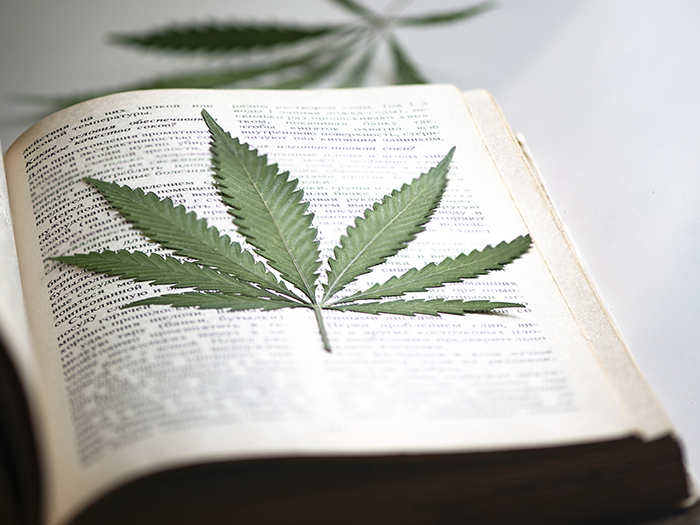
To understand the role of medical cannabis in the mid-20th century, it is essential to look at its historical roots, which stretch back thousands of years. Cannabis had been used medicinally across various cultures for a wide range of conditions long before modern pharmaceutical advancements emerged. From ancient Chinese and Egyptian texts to Indian Ayurvedic practices, cannabis was known for its anti-inflammatory, analgesic, and antispasmodic properties. It was used to treat ailments such as pain, epilepsy, gastrointestinal disorders, and even psychological conditions.
- Ancient Roots of Cannabis Medicine: Cannabis use in medicine can be traced back to the Chinese Emperor Shen Nung (circa 2737 BCE), who documented its use for conditions such as malaria, gout, and rheumatism. In India, the Atharvaveda (circa 2000-1400 BCE) recognized cannabis as one of the five sacred plants, and it was often used in traditional Ayurvedic medicine to treat a variety of health conditions, including anxiety and digestive disorders.
- Medical Cannabis in the 19th Century: By the 19th century, cannabis had become a prominent therapeutic agent in Western medicine. British physician William O’Shaughnessy, who worked in India during the 1830s, played a critical role in introducing cannabis to European medicine. O’Shaughnessy’s work, particularly on its efficacy in treating cholera, pain, and convulsions, catalyzed widespread use of cannabis tinctures and extracts in Western medical practices. Physicians prescribed cannabis for conditions such as migraines, menstrual cramps, insomnia, and neuralgia.
- Early 20th Century Medical Cannabis: At the turn of the 20th century, cannabis remained a widely accepted medical treatment, particularly in the U.S. and Europe. It was commonly included in pharmacopoeias and readily available in pharmacies in the form of tinctures and other preparations. However, concerns about the standardization of doses, inconsistent effects, and the rising popularity of new pharmaceutical drugs like aspirin and opiates began to shift medical professionals’ focus away from cannabis. Additionally, growing fears around recreational cannabis use began to affect its medical reputation.
Legal Restrictions and the Decline of Medical Cannabis in the Mid-20th Century
As the mid-20th century progressed, a combination of legal restrictions, shifting public perception, and the rise of modern pharmaceuticals led to a significant decline in the medical use of cannabis.
- The Marijuana Tax Act of 1937: The 1937 passage of the Marijuana Tax Act was one of the key factors in the United States contributing to the fall of medical cannabis. This federal law imposed strict regulations on the production, distribution, and use of cannabis, including medical cannabis. The act required doctors to pay an exorbitant tax to prescribe cannabis, making it virtually impossible for physicians to continue recommending the drug. This effectively ended the legal medical cannabis industry in the U.S. and marked the beginning of its criminalization.
The legislation was fueled by a combination of factors, including concerns over recreational use, racial biases linking cannabis to immigrant communities, and pressure from emerging pharmaceutical companies that viewed cannabis as a threat to their market dominance. The narrative that cannabis was a dangerous drug, rather than a beneficial medicine, began to dominate public discourse. - Cannabis Removed from the U.S. Pharmacopoeia: In 1942, cannabis was officially removed from the U.S. Pharmacopoeia, which listed all approved and recognized medicines. This decision was a result of the growing stigma surrounding the plant, as well as concerns about its unregulated and inconsistent use in medical settings. The removal of cannabis from the pharmacopoeia marked a significant turning point, as it was no longer viewed as a legitimate treatment in the eyes of mainstream medicine.
Despite this, cannabis continued to be used in some underground medical practices, particularly for conditions such as epilepsy, migraines, and muscle spasms. However, these uses were often marginalized and criminalized due to the tightening legal landscape. - The 1961 Single Convention on Narcotic Drugs: On an international level, the 1961 United Nations Single Convention on Narcotic Drugs classified cannabis as a Schedule I substance, a designation reserved for drugs deemed to have a high potential for abuse and no recognized medical use. This classification mirrored the U.S. approach and effectively prohibited the use of cannabis for medical purposes in many countries. However, the convention also allowed for scientific research into cannabis under strict conditions, opening the door for future medical investigations.
- Impact of Stigmatization: The stigmatization of cannabis during this period cannot be overlooked. Campaigns in the media, like the notorious movie “Reefer Madness,” painted cannabis as a sinful and hazardous substance, inciting fear and anxiety among the populace. This stigmatization not only influenced legal policies but also affected the medical community’s willingness to explore cannabis as a treatment option. Doctors who had once prescribed cannabis turned to newly developed pharmaceuticals, which were seen as more reputable and scientifically supported.
Pharmaceutical Advancements and the Shift Away from Natural Remedies
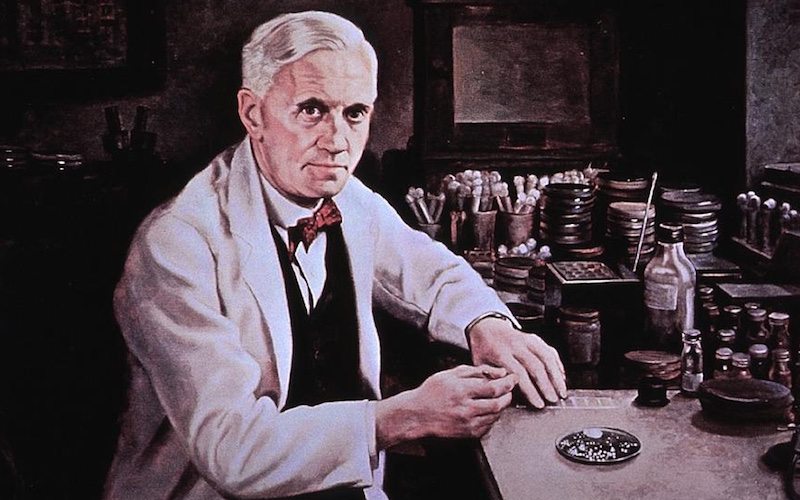
One of the key reasons for the decline of medical cannabis in the mid-20th century was the rise of modern pharmaceuticals. The pharmaceutical industry experienced rapid growth during this period, introducing a range of new synthetic drugs that offered more precise dosing, greater consistency, and easier regulatory control compared to cannabis.
- The Rise of Synthetic Drugs: In the early to mid-20th century, pharmaceutical companies developed new drugs to treat conditions that cannabis had historically been used for, including pain, inflammation, and anxiety. Aspirin, for example, became widely available and was often prescribed in place of cannabis for pain relief. Similarly, opiates such as morphine and codeine became the go-to treatments for severe pain, while barbiturates were used for sleep disorders and anxiety.
The appeal of these synthetic drugs was clear—they offered standardized dosages, were backed by scientific research, and were easy to regulate. In contrast, cannabis, as a natural plant, varied in potency and effects depending on the strain, growing conditions, and preparation methods. This made it less attractive to the burgeoning pharmaceutical industry, which favored products that could be patented and profitably marketed. - The Impact on Medical Cannabis Research: As pharmaceutical companies gained influence, funding for medical cannabis research dwindled. The medical community, now aligned with pharmaceutical interests, focused on synthetic drugs that were more easily studied in clinical trials and could generate revenue through patents. This shift in focus meant that much of the knowledge about cannabis’s therapeutic potential was lost or ignored during this period.
Despite these challenges, some researchers continued to investigate cannabis’s medical applications, particularly in areas where synthetic drugs were not effective. In the end, these initiatives helped to fuel the medical marijuana movement that emerged in the second part of the 20th century.
Persistent Medical Cannabis Research in the Mid-20th Century
Although the mid-20th century was marked by significant restrictions on the use and study of medical cannabis, a small but dedicated group of researchers continued to explore its therapeutic potential. Their work, often conducted in countries with less stringent cannabis laws, laid the foundation for future discoveries about the plant’s medical properties.
- Early Cannabinoid Research in Israel: One of the most important developments in mid-20th century medical cannabis research came from Israel, where Dr. Raphael Mechoulam and his colleagues began studying the chemical composition of cannabis. The main psychotropic ingredient in cannabis, tetrahydrocannabinol (THC), was successfully extracted and identified by Mechoulam and his team in 1964. With the help of this revolutionary finding, our knowledge of the cannabis plant and how it affects the body has grown.
Mechoulam’s research also led to the identification of cannabidiol (CBD), a non-psychoactive compound with significant medical potential. CBD is not “high” like THC is, and it has been demonstrated to have neuroprotective, anti-inflammatory, and anti-anxiety effects. Mechoulam’s work laid the foundation for much of the modern research into cannabinoids and their medical applications. - Cannabis and Epilepsy: Throughout the 1940s and 1950s, a small group of researchers continued to explore the potential of cannabis as a treatment for epilepsy and other seizure disorders. Although legal restrictions made it difficult to conduct large-scale clinical trials, anecdotal evidence from patients and physicians suggested that cannabis could help control seizures in individuals who did not respond to conventional treatments.
One notable example was Charlotte Figi, a young girl with a severe form of epilepsy known as Dravet syndrome. In the 1950s, her family began using a high-CBD strain of cannabis to manage her seizures, with remarkable success. Although this case would not gain widespread attention until the 21st century, it highlights the ongoing, albeit underground, use of cannabis for medical purposes during the mid-20th century. - Cannabis and Glaucoma: Midway through the 20th century, research on the use of cannabis to treat glaucoma—a disorder that raises intraocular pressure and can result in blindness—continued. According to preliminary research, cannabis may lower intraocular pressure, which may make patients with this degenerative disease more responsive to treatment. However, due to legal and regulatory barriers, research in this area was limited, and it would not be until later in the century that cannabis’s potential as a glaucoma treatment was fully explored.
- Psychiatric Research on Cannabis: During the 1950s and 1960s, some psychiatrists began exploring the potential of cannabis for treating anxiety, depression, and other mental health conditions. Early studies were limited by the legal status of cannabis and the cultural stigma surrounding its use, but some researchers found that low doses of cannabis could help alleviate symptoms of anxiety and improve mood in certain patients. This research, though largely overlooked at the time, would later inform the development of cannabinoid-based therapies for mental health conditions.
International Perspectives on Medical Cannabis in the Mid-20th Century
While the U.S. and many European countries implemented strict regulations on cannabis during the mid-20th century, other parts of the world maintained more lenient approaches to its medical use. These regions played a critical role in preserving the knowledge and practice of medical cannabis during a time when it was largely stigmatized and restricted in the West.
- India’s Continued Use of Cannabis in Ayurveda: In India, cannabis had been used for centuries as part of traditional Ayurvedic medicine. Despite British colonial restrictions on cannabis cultivation and use, medical cannabis persisted in some regions, particularly in rural areas. Cannabis was used to treat a wide range of conditions, including pain, digestive disorders, and psychological conditions such as anxiety and depression. The plant was often prepared in the form of bhang, a cannabis-infused beverage used in both religious and medicinal contexts.
While India was pressured to conform to international drug control policies, including the 1961 Single Convention on Narcotic Drugs, cannabis remained a part of the country’s cultural and medical practices. This continued use helped preserve knowledge about the therapeutic potential of cannabis, even as its use declined in other parts of the world. - North Africa and the Middle East: In North Africa and parts of the Middle East, cannabis was also used for medical purposes, particularly in traditional herbal medicine. Countries like Morocco and Lebanon, where cannabis cultivation was common, saw its continued use for treating conditions such as muscle pain, digestive issues, and insomnia. However, the influence of international drug control policies began to restrict cannabis use in these regions as well, leading to a decline in its medical application by the mid-20th century.
- Latin America: In Latin America, cannabis had a mixed reputation. In some countries, such as Mexico and Brazil, cannabis was traditionally used for medicinal purposes, particularly in rural and indigenous communities. It was often employed to treat epilepsy, pain, and rheumatism. However, the mid-20th century brought increasing legal restrictions on cannabis in Latin America, influenced in part by U.S. drug policy. Despite these challenges, underground medical cannabis use persisted, particularly among individuals seeking alternative treatments for conditions that did not respond to conventional medicine.
The Legacy of Medical Cannabis in the Mid-20th Century
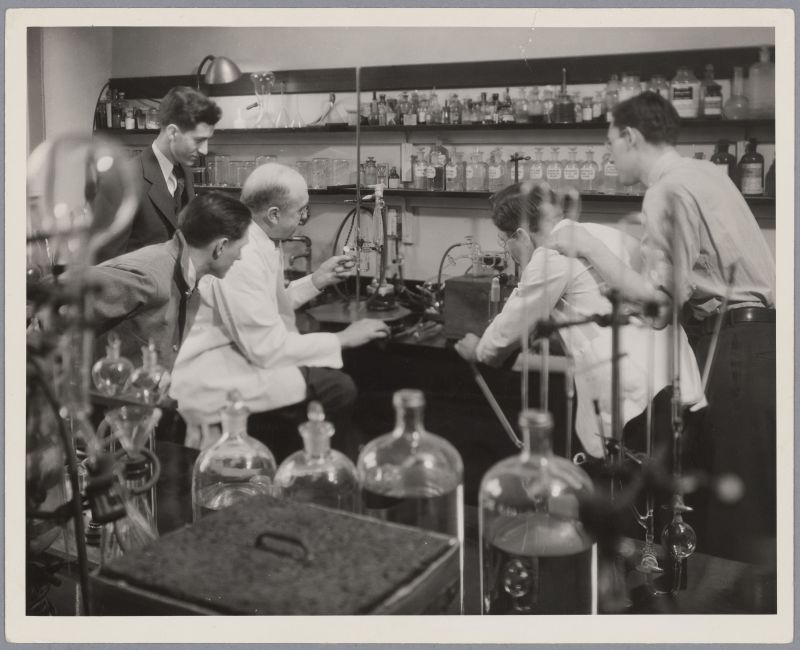
The mid-20th century represents a complex period in the history of medical cannabis. While the plant was largely removed from mainstream medical practice due to legal restrictions, stigmatization, and the rise of synthetic pharmaceuticals, a small but dedicated group of researchers, patients, and advocates continued to explore its therapeutic potential. These efforts, often conducted in the face of significant challenges, laid the groundwork for the eventual revival of medical cannabis in the latter half of the 20th century.
- Scientific Foundations for Future Research: The research conducted during the mid-20th century, particularly the isolation of cannabinoids like THC and CBD, was crucial in advancing the scientific understanding of cannabis. This study cleared the path for the identification of the endocannabinoid system, a sophisticated signaling pathway in the human body involved in the regulation of several physiological functions, such as appetite, pain, mood, and immune response.
The identification of the endocannabinoid system has been one of the most important breakthroughs in modern medical cannabis research, as it provides a scientific explanation for the plant’s diverse therapeutic effects. This discovery has fueled a resurgence of interest in medical cannabis and has led to the development of cannabinoid-based therapies for conditions such as chronic pain, epilepsy, and multiple sclerosis. - Cultural and Legal Shifts: The mid-20th century also saw the beginnings of cultural and legal shifts that would eventually lead to the reemergence of medical cannabis. Advocacy groups, particularly in the United States, began to push for the re-legalization of cannabis for medical use, particularly for patients with serious conditions like cancer and epilepsy. These efforts gained traction in the latter part of the century, culminating in the passage of medical cannabis laws in several U.S. states in the 1990s.
- The Legacy of Stigmatization: While the mid-20th century laid the groundwork for the revival of medical cannabis, it also left a lasting legacy of stigmatization and legal barriers that continue to affect medical cannabis policy today. The criminalization of cannabis during this period created a climate of fear and misinformation that has been difficult to overcome. Even as medical cannabis becomes more widely accepted, many patients and doctors remain hesitant to use or recommend it due to lingering concerns about legality and social perception.
- The Global Impact: The mid-20th century also saw the globalization of cannabis prohibition, as countries around the world adopted stricter drug control policies in line with international agreements like the Single Convention on Narcotic Drugs. While some regions, such as India and North Africa, continued to use cannabis for medical purposes, the global trend was toward greater regulation and restriction. However, these regions also played a key role in preserving knowledge about the medical uses of cannabis, which would later contribute to the global resurgence of medical cannabis in the 21st century.
Conclusion: Medical Cannabis at the Crossroads of Change
A critical juncture in the history of medical cannabis occurred in the middle of the 20th century, characterized by both resiliency and decline. While legal restrictions and cultural stigmatization significantly curtailed its use, medical cannabis never completely disappeared from the global landscape. Researchers continued to explore its therapeutic potential, often in the face of significant challenges, and patients who could not find relief with conventional treatments turned to cannabis as an alternative.
The scientific breakthroughs of the mid-20th century, particularly the isolation of THC and CBD, laid the foundation for the modern understanding of cannabis’s medical properties. These discoveries, combined with the persistence of underground medical cannabis use, ensured that cannabis would not be forgotten as a medicine. Instead, it would reemerge in the latter half of the 20th century as a powerful therapeutic agent, one that continues to transform modern medicine today.
As we look back on the mid-20th century, it is clear that this era was a critical juncture in the history of medical cannabis. The challenges and setbacks of this period ultimately gave rise to new opportunities for research, advocacy, and medical innovation, ensuring that cannabis’s therapeutic potential would be recognized and embraced once again.
