
Medical Cannabis for Migraine: A Comprehensive Guide
Introduction
Migraines are a debilitating neurological condition characterized by intense, throbbing headaches often accompanied by nausea, vomiting, and sensitivity to light and sound. Affecting millions of people worldwide, migraines can significantly impact the quality of life, making day-to-day functioning difficult. Prescription drugs, over-the-counter painkillers, and lifestyle modifications are examples of traditional migraine therapies. Nevertheless, these therapies might not work or might have unfavorable side effects for some people.
In recent years, medical cannabis has emerged as a potential alternative for managing migraines. With its anti-inflammatory, analgesic, and antiemetic properties, cannabis is increasingly being studied for its role in alleviating migraine symptoms. This comprehensive guide explores the use of medical cannabis for migraines, focusing on its therapeutic potential, scientific evidence, and considerations for use.
Understanding Migraines
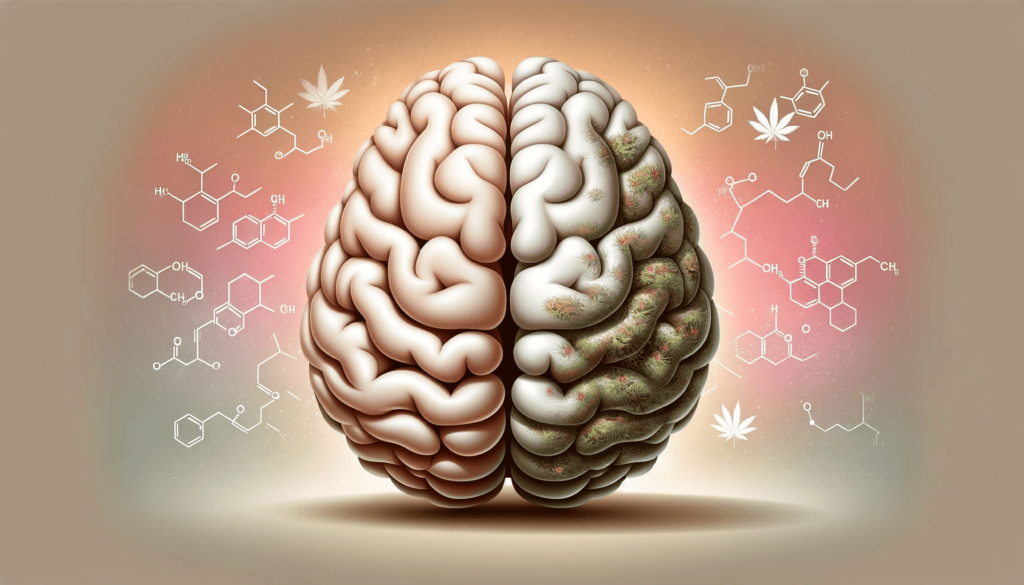
Migraines are complex and can vary greatly from one individual to another. They are often classified into two main types: migraine with aura and migraine without aura. Aura refers to sensory disturbances that precede the headache phase, such as visual disturbances, tingling sensations, or difficulty speaking. The exact cause of migraines is not fully understood, but it is believed to involve a combination of genetic, environmental, and neurological factors.
Migraine attacks can last anywhere from a few hours to several days, and the frequency can range from occasional episodes to chronic occurrences (more than 15 days per month). The pain is typically unilateral (affecting one side of the head) and can be exacerbated by physical activity. There are many different types of migraine triggers, such as hormonal shifts, stress, particular meals, variations in the weather, and sensory stimuli.
Traditional Treatments for Migraines
The treatment of migraines usually involves a combination of acute and preventive strategies. While preventive treatments work to lessen the frequency and intensity of migraine attacks, acute treatments are intended to ease symptoms during a migraine episode.
Acute Treatments:
- Over-the-counter pain relievers: For mild to moderate migraines, nonsteroidal anti-inflammatory medications (NSAIDs) such aspirin and ibuprofen are frequently utilized.
- Triptans: These are prescription medications specifically designed for migraines, such as sumatriptan and rizatriptan. They function by narrowing blood arteries and obstructing the brain’s pain pathways.
- Ergotamines: Medications like dihydroergotamine are used to treat severe migraines by narrowing blood vessels and reducing inflammation.
- Anti-nausea medications: These are often used in conjunction with other treatments to alleviate nausea and vomiting associated with migraines.
Preventive Treatments:
- Beta-blockers: Medications like propranolol are used to reduce the frequency of migraines.
- Antidepressants: Certain antidepressants, such as amitriptyline, are effective in preventing migraines, even in individuals without depression.
- Antiepileptic drugs: Medications like topiramate and valproate are used for migraine prevention.
- Botox injections: OnabotulinumtoxinA injections have been approved for chronic migraines and work by relaxing muscles and blocking pain signals.
Even while these therapies have the potential to be successful, not all patients can benefit from them. Additionally, some medications can cause side effects such as drowsiness, dizziness, and gastrointestinal issues. As a result, people are becoming more interested in complementary therapies, such as medicinal cannabis.
The Role of Medical Cannabis in Migraine Treatment
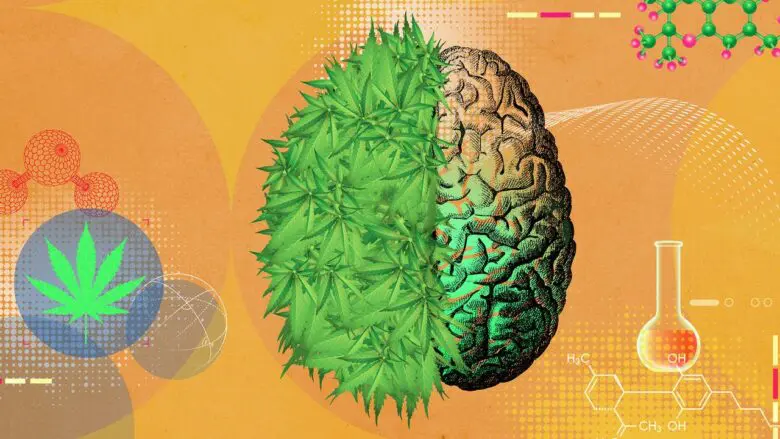
Cannabis has been used for medicinal purposes for thousands of years, with historical records indicating its use for pain relief and other ailments. In modern times, the therapeutic potential of cannabis is being explored in various medical conditions, including migraines. The two primary active compounds in cannabis, tetrahydrocannabinol (THC) and cannabidiol (CBD), are of particular interest due to their interactions with the endocannabinoid system (ECS).
The Endocannabinoid System and Migraine Pathophysiology:
An intricate system of cell signals called the ECS is involved in controlling a number of physiological functions, including as mood, inflammation, and pain perception. It is made up of receptors (CB1 and CB2), enzymes that make and breakdown endocannabinoids, and endocannabinoids (cannabinoids produced by the body).
- CB1 Receptors: These are primarily found in the central nervous system and are involved in modulating pain, appetite, and mood.
- CB2 Receptors: These are mainly found in the immune system and peripheral tissues and are involved in regulating inflammation and immune responses.
Migraines are believed to involve dysregulation of the ECS, leading to altered pain processing and increased susceptibility to triggers. Studies have suggested that a deficiency in endocannabinoids, such as anandamide, may contribute to the development of migraines. This has led to the hypothesis that enhancing ECS function through the use of phytocannabinoids (plant-derived cannabinoids) could be a potential therapeutic approach.
Cannabinoids and Their Effects on Migraine Symptoms:
- THC: THC is the psychoactive component of cannabis that produces the “high” associated with its use. However, it also has analgesic, anti-inflammatory, and muscle-relaxant properties, making it potentially beneficial for migraine relief. THC binds to CB1 receptors in the brain, modulating pain signals and reducing the intensity of migraine pain. It also has antiemetic effects, which can help alleviate nausea and vomiting during a migraine attack.
- CBD: CBD is non-psychoactive and does not get you high like THC does. It has been demonstrated that CBD possesses neuroprotective, anxiolytic, and anti-inflammatory qualities. It interacts with different ECS receptors, such as CB1 and CB2, and serotonin receptors, which are involved in the control of pain. By modifying pain pathways and lowering inflammation, CBD may be able to lessen the frequency and intensity of migraines.
Clinical Evidence Supporting Cannabis for Migraines:
Although research on cannabis use for migraines is still in its infancy, preliminary findings indicate that it might be a useful treatment for certain people.
- Retrospective Studies: Several retrospective studies have examined the use of cannabis in patients with chronic migraines. These studies have reported reductions in migraine frequency, severity, and duration with the use of cannabis. For example, a study published in the journal Pharmacotherapy found that 85% of patients who used medical cannabis reported a decrease in migraine frequency.
- Case Reports: Case reports have documented individuals who experienced significant relief from migraines with the use of cannabis. These reports highlight the potential benefits of cannabis in cases where traditional treatments were ineffective.
- Mechanistic Studies: Preclinical studies have explored the mechanisms by which cannabinoids may alleviate migraine symptoms. These studies have shown that cannabinoids can inhibit the release of pro-inflammatory mediators, modulate neurotransmitter release, and reduce oxidative stress, all of which may contribute to their therapeutic effects in migraines.
While the current evidence is promising, more rigorous clinical trials are needed to establish the safety, efficacy, and optimal dosing of cannabis for migraines.
Considerations for Medical Cannabis Use in Migraines
While medical cannabis holds potential as a treatment for migraines, it is important to consider several factors before its use.
Legal and Regulatory Considerations:
Medical marijuana has different legal statuses in different nations and states. Cannabis is completely permitted for medical use in some areas, but it might be restricted or outlawed in others. Patients considering cannabis for migraines should be aware of the legal regulations in their area and consult with a healthcare provider to ensure compliance with local laws.
Patient Eligibility:
Not all patients are suitable candidates for medical cannabis. Eligibility for cannabis use may depend on factors such as age, medical history, and the presence of contraindications. Patients with a history of substance use disorders, severe psychiatric conditions, or cardiovascular disease may be advised to avoid cannabis use. To find out if cannabis is a good alternative, a healthcare professional must conduct a complete review.
Dosing and Administration:
The optimal dose and method of administration for medical cannabis in migraines are not well-established and may vary based on individual factors. Dosing should be individualized and titrated slowly to minimize side effects. Patients should start with a low dose and gradually increase until the desired effects are achieved.
Methods of administration include oral ingestion (capsules, tinctures, or edibles) and topical application. Each method has its onset time, duration of action, and bioavailability, which should be considered when selecting the appropriate route of administration.
Potential Side Effects:
Like any medication, cannabis can cause side effects, especially at higher doses. Changes in appetite, exhaustion, dry mouth, and lightheadedness are typical adverse effects. THC-containing products may cause psychoactive effects such as euphoria, anxiety, or paranoia. Long-term use of cannabis may also be associated with cognitive impairment and dependence, although these risks are generally lower with CBD-dominant products.
Patients should be monitored regularly for side effects and adverse reactions, and any concerns should be promptly addressed by a healthcare provider.
Interactions with Other Medications:
Cannabis may interact with other medications commonly used to treat migraines, such as triptans, antidepressants, and anticonvulsants. The effectiveness and metabolism of the co-administered drugs as well as cannabis may be impacted by these interactions. To prevent possible interactions, patients should disclose to their healthcare provider all medications and supplements they are taking.
Patient Education and Counseling:
Educating patients about the potential benefits and risks of medical cannabis is crucial for informed decision-making. Healthcare providers should discuss the following with patients:
- The current evidence supporting cannabis for migraines
- The potential side effects and how to manage them
- The importance of starting with a low dose and titrating slowly
- The legal and regulatory considerations
- The potential for interactions with other medications
Patients should also be advised on the value of maintaining a migraine journal in order to monitor changes in symptoms associated with cannabis usage as well as the frequency, intensity, and length of migraine attacks. This can assist medical professionals in determining the efficacy of a treatment plan and making any required modifications.
Future Directions in Research
While the existing evidence suggests that medical cannabis may be beneficial for migraines, more research is needed to fully understand its role in migraine management. Future studies should focus on:
- Randomized Controlled Trials (RCTs): High-quality RCTs are needed to determine the efficacy and safety of cannabis for migraines. These trials should include large sample sizes and standardized dosing regimens to provide reliable data.
- Mechanistic Studies: Further research is needed to elucidate the mechanisms by which cannabinoids affect migraine pathophysiology. This could help identify specific targets for cannabinoid-based therapies.
- Long-Term Safety Studies: Longitudinal studies are necessary to assess the long-term safety of cannabis use in migraine patients, including the potential for cognitive impairment, dependence, and other adverse effects.
- Comparative Studies: Studies comparing the effectiveness of cannabis with other migraine treatments, such as triptans or NSAIDs, could provide valuable insights into its relative benefits and risks.
- Patient-Centered Outcomes: Research should also focus on patient-reported outcomes, such as quality of life, functionality, and patient satisfaction with cannabis treatment.
Restrictions on Using Medical Cannabis for Treating Migraine as a Last Resort and Monitoring THC Levels

When using medical cannabis as a last resort for treating migraines, several restrictions and considerations come into play to ensure patient safety and efficacy. These restrictions vary by country and region but often involve the following key factors:
- Legal and Regulatory Restrictions:
- In many regions, medical cannabis is only approved for use when conventional treatments have failed or are deemed inappropriate for the patient. Before prescribing cannabis, healthcare providers must exhaust all other treatment options, such as triptans, NSAIDs, and preventive medications.
- Cannabis may only be legally prescribed by certified healthcare professionals, and patients must meet specific eligibility criteria outlined by regional medical cannabis programs.
- Medical Oversight:
- Medical cannabis is often subject to strict regulation and requires continuous oversight by healthcare professionals. This includes regular monitoring of the patient’s response to treatment and adjusting the dosage as needed to manage both efficacy and side effects.
- Monitoring THC Levels:
- One of the primary concerns when using medical cannabis is the psychoactive effects of THC. For migraine treatment, it is crucial to monitor THC levels in medications to prevent unwanted psychoactive effects, especially in patients sensitive to these effects.
- CBD-dominant strains or formulations with low THC concentrations are often preferred for treating migraines to minimize psychoactive risks. THC levels should be closely monitored by healthcare providers, and patients should be educated on how to use cannabis formulations that limit psychoactive effects.
- Preventing Psychoactive Effects:
- To prevent the psychoactive impact on patients, healthcare providers must ensure that the medical cannabis prescribed contains balanced or higher CBD content, which can counteract some of the psychoactive effects of THC.
- Patients should be advised to start with the lowest effective dose, and their response should be regularly evaluated to ensure that THC levels do not impair cognitive function, mood, or overall well-being.
Conclusion
Migraines are a complex and debilitating neurological condition that significantly impacts the quality of life for millions of people worldwide. Traditional treatments, including NSAIDs, triptans, and preventive medications, are often effective but can fall short for some individuals, leading them to seek alternative therapies. Medical cannabis has emerged as a promising option in the management of migraines, particularly for patients who have not responded well to conventional treatments.
The therapeutic potential of medical cannabis in treating migraines lies in its interaction with the endocannabinoid system (ECS), which plays a critical role in pain regulation, inflammation, and other physiological processes. The primary cannabinoids in cannabis, THC and CBD, have shown potential in alleviating migraine symptoms by modulating pain pathways, reducing inflammation, and preventing nausea and vomiting. While THC offers potent analgesic effects, its psychoactive properties necessitate careful monitoring to avoid unwanted side effects. Conversely, CBD is a desirable alternative for patients looking for relief without psychoactive side effects because it has anti-inflammatory and neuroprotective properties without getting users intoxicated.
Despite the promising evidence, the use of medical cannabis for migraines is still in the early stages of research. Current studies, including retrospective analyses and case reports, suggest that cannabis may reduce the frequency, severity, and duration of migraine attacks for some patients. However, there is a need for more rigorous clinical trials to establish standardized dosing, long-term safety, and comparative effectiveness against other treatments.
When considering medical cannabis for migraine management, several important factors must be addressed. Legal and regulatory restrictions vary by region, and cannabis is often considered a last-resort treatment, prescribed only when conventional therapies have proven ineffective. In order to assess a patient’s eligibility, determine the proper dosage, and keep an eye out for adverse effects, healthcare providers are essential. The potential for drug interactions, particularly with medications commonly used to treat migraines, further underscores the need for careful medical oversight.
Monitoring THC levels in medical cannabis formulations is essential to prevent psychoactive effects, particularly in patients sensitive to these effects. CBD-dominant products or those with low THC concentrations are generally preferred for treating migraines to minimize the risk of cognitive impairment or mood alterations. Patients should be educated on the safe use of cannabis, starting with low doses and gradually titrating to achieve the desired therapeutic effects while avoiding side effects.
Looking to the future, ongoing research will be critical in advancing our understanding of how medical cannabis can be effectively integrated into migraine treatment. High-quality randomized controlled trials, mechanistic studies, and long-term safety assessments will provide the evidence needed to guide clinical practice. Comparative studies with existing migraine treatments will also help clarify the role of cannabis in migraine management.
In conclusion, medical cannabis offers a promising avenue for patients with migraines, particularly those who have not found relief through conventional treatments. Its unique properties, including the modulation of the ECS, position it as a potentially valuable tool in reducing the burden of migraines. However, its use must be approached with caution, considering legal, medical, and safety considerations. As research continues to evolve, medical cannabis may become an increasingly important option for those seeking effective and individualized migraine relief, contributing to improved quality of life and overall well-being.
