
Medical Cannabis Culture: Best Movies

Cannabis culture has permeated various forms of media, including literature, music, and cinema. In the realm of film, cannabis has often been portrayed humorously or as part of a countercultural narrative. However, with the growing recognition of its medical benefits, a new genre of films focusing on medical cannabis culture has emerged. These movies explore the therapeutic uses of cannabis, the challenges faced by patients and advocates, and the ongoing struggle for legalization and acceptance. This extensive exploration delves into some of the most influential and thought-provoking films that have become integral to the medical cannabis culture.
1. “Weed the People” (2018)
Weed the People” is a stirring documentary, directed by Abby Epstein and produced by Ricki Lake, that chronicles the experiences of multiple families use medical marijuana to treat their children’s cancer. The film provides a deeply emotional and compelling look at the potential of cannabis as a life-saving treatment and the bureaucratic obstacles that hinder access to it.
Key Themes:
- Medical Breakthroughs: The documentary showcases the potential of cannabis oil in treating severe medical conditions, particularly in children with cancer.
- Legal Hurdles: It highlights the legal and regulatory challenges that families face in accessing medical cannabis.
- Personal Stories: The emotional journeys of the families featured in the film underscore the human impact of the medical cannabis debate.
Impact: “Weed the People” has been instrumental in raising awareness about the medical benefits of cannabis and advocating for policy changes to make it more accessible to patients in need.
2. “The Union: The Business Behind Getting High” (2007)
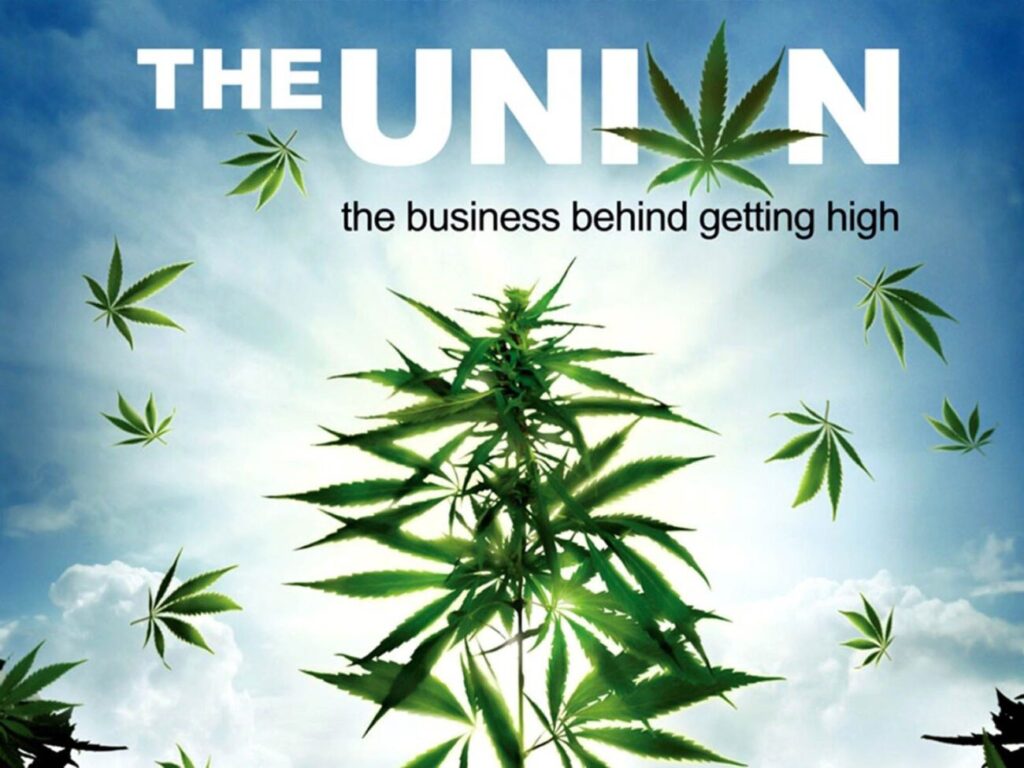
Under the direction of Brett Harvey, the documentary “The Union: The Business Behind Getting High” explores the recreational and medicinal uses of cannabis while diving into this complex sector. The film examines the historical, political, and economic factors that have shaped the cannabis industry.
Key Themes:
- Historical Context: The film provides a comprehensive overview of the history of cannabis prohibition.
- Economic Analysis: It explores the economic impact of the cannabis industry and its potential benefits.
- Medical Uses: The documentary discusses the medical applications of cannabis and the resistance from pharmaceutical companies and other stakeholders.
Impact: This film has played a crucial role in educating the public about the broader implications of cannabis legalization, including its medical benefits and economic potential.
3. “Super High Me” (2007)
Inspired by the idea of “Super Size Me,” Michael Blieden’s documentary “Super High Me,” starring comedian Doug Benson, is both hilarious and educational. In this film, Benson abstains from cannabis for 30 days and then consumes large amounts for the next 30 days to explore the effects on his body and mind.
Key Themes:
- Personal Experimentation: The film provides a firsthand look at the short-term effects of heavy cannabis use.
- Medical Insights: It explores various medical uses of cannabis and features interviews with doctors and patients.
- Legal Landscape: The documentary touches on the legal issues surrounding cannabis use.
Impact: “Super High Me” combines humor with informative content, making it accessible to a wide audience and helping to destigmatize cannabis use, including its medical applications.
4. “The Culture High” (2014)
Directed by Brett Harvey, “The Culture High” is a follow-up to “The Union” and continues to explore the complex world of cannabis prohibition and legalization. The film features interviews with a diverse group of individuals, including doctors, patients, law enforcement officers, and celebrities.
Key Themes:
- Legal Challenges: The film examines the legal battles surrounding cannabis legalization.
- Medical Benefits: It highlights the medical benefits of cannabis and the challenges patients face in accessing it.
- Cultural Shift: The documentary explores the changing cultural attitudes towards cannabis.
Impact: “The Culture High” provides a comprehensive look at the ongoing struggle for cannabis legalization and the medical benefits of cannabis, contributing to the broader discourse on drug policy reform.
5. “How to Make Money Selling Drugs” (2012)
Directed by Matthew Cooke, “How to Make Money Selling Drugs” is a documentary that offers an unconventional and satirical look at the drug trade, including the cannabis industry. The film features interviews with former drug dealers, law enforcement officials, and celebrities.
Key Themes:
- Drug Trade Insights: The film provides a detailed look at the illicit drug trade and its economic aspects.
- Policy Critique: It critiques the war on drugs and its impact on society.
- Medical Cannabis: The documentary touches on the medical uses of cannabis and the benefits of legalization.
Impact: By presenting the drug trade in a satirical light, the film encourages viewers to rethink their perspectives on drug policy and consider the benefits of cannabis legalization, particularly for medical purposes.
6. “Waiting to Inhale” (2005)
Directed by Jed Riffe, “Waiting to Inhale” is a documentary that explores the medical marijuana movement in the United States. The film features interviews with patients, doctors, and activists who advocate for the medical use of cannabis.
Key Themes:
- Patient Advocacy: The documentary highlights the stories of patients who use cannabis to manage various medical conditions.
- Medical Evidence: It presents scientific evidence supporting the medical benefits of cannabis.
- Legal Struggles: The film explores the legal challenges faced by patients and advocates in the fight for medical cannabis legalization.
Impact: “Waiting to Inhale” has been influential in raising awareness about the medical benefits of cannabis and the need for legal reform to support patients who rely on it for treatment.
7. “Cannabis Kid” (2014)
Cannabis Kid” is a documentary that follows the story of a young boy named Cash Hyde, who used cannabis oil to treat his aggressive brain cancer. Directed by Michael Hyde, the film provides a deeply personal look at the challenges and triumphs of using medical cannabis.
Key Themes:
- Childhood Illness: The film focuses on the use of medical cannabis in treating severe childhood illnesses.
- Parental Advocacy: It highlights the role of parents in advocating for access to medical cannabis.
- Medical Breakthroughs: The documentary showcases the potential of cannabis oil in treating cancer.
Impact: “Cannabis Kid” has raised awareness about the potential life-saving benefits of medical cannabis for pediatric patients and the need for compassionate use laws.
8. “Code of the West” (2012)
Directed by Rebecca Richman Cohen, “Code of the West” is a documentary that examines the political and legal battles over medical marijuana in Montana. The film follows the efforts of patients, advocates, and legislators as they navigate the complex landscape of cannabis legalization.
Key Themes:
- Legislative Process: The film provides an inside look at the legislative process surrounding medical cannabis.
- Advocacy and Opposition: It explores the efforts of both advocates and opponents of medical cannabis legalization.
- Patient Stories: The documentary features personal stories of patients who rely on medical cannabis.
Impact: “Code of the West” sheds light on the political and legal challenges of medical cannabis legalization, highlighting the importance of advocacy and informed policymaking.
9. “A NORML Life” (2011)
Directed by Rod Pitman, “A NORML Life” is a documentary that follows the work of the National Organization for the Reform of Marijuana Laws (NORML) in advocating for cannabis legalization. The film features interviews with patients, doctors, and activists.
Key Themes:
- Advocacy Efforts: The documentary highlights the work of NORML in promoting cannabis legalization.
- Medical Benefits: It discusses the medical benefits of cannabis and the challenges patients face in accessing it.
- Policy Reform: The film explores the need for policy reform to support medical cannabis use.
Impact: “A NORML Life” provides an in-depth look at the efforts of advocates working towards cannabis legalization, emphasizing the importance of grassroots activism in achieving policy change.
10. “Ride with Larry” (2013)
Directed by Ricardo Villarreal and Andrew Rubin, “Ride with Larry” is a documentary that follows the journey of Larry Smith, a retired police officer with Parkinson’s disease, as he rides his recumbent tricycle across South Dakota to raise awareness about the benefits of medical cannabis.
Key Themes:
- Personal Triumph: The film highlights Larry’s determination and resilience in the face of a debilitating illness.
- Medical Benefits: It showcases the potential benefits of cannabis in managing symptoms of Parkinson’s disease.
- Advocacy and Awareness: The documentary emphasizes the importance of raising awareness and advocating for medical cannabis.
Impact: “Ride with Larry” has inspired many with its powerful message of hope and advocacy, underscoring the potential of medical cannabis to improve the quality of life for patients with chronic illnesses.
11. “Grass Is Greener” (2019)
Directed by Fab 5 Freddy, “Grass Is Greener” is a documentary that explores the history of cannabis in America, focusing on its cultural impact and the racial disparities in the enforcement of drug laws. The film features interviews with musicians, activists, and historians.
Key Themes:
- Cultural Influence: The film examines the influence of cannabis on music and culture, particularly in the African American community.
- Racial Disparities: It highlights the racial disparities in the enforcement of cannabis laws.
- Medical Uses: The documentary discusses the medical benefits of cannabis and the ongoing struggle for legalization.
Impact: “Grass Is Greener” provides a comprehensive look at the cultural and social implications of cannabis, emphasizing the need for equitable legalization and access to medical cannabis.
12. “Dr. Feelgood: Dealer or Healer?” (2016)

Directed by Eve Marson, “Dr. Feelgood: Dealer or Healer?” is a documentary that tells the story of Dr. William Hurwitz, a pain specialist who was convicted of over-prescribing painkillers. The film explores the ethical and legal challenges of pain management and the role of medical cannabis.
Key Themes:
- Pain Management: The film delves into the complexities of pain management and the role of medical cannabis as an alternative treatment.
- Ethical Dilemmas: It explores the ethical dilemmas faced by doctors in prescribing pain medication.
- Legal Issues: The documentary highlights the legal challenges and controversies surrounding medical cannabis and pain management.
Impact: “Dr. Feelgood” raises important questions about the ethics of pain management and the potential role of medical cannabis in providing relief for patients with chronic pain.
Increasing Awareness and Moderation of Medical Cannabis Use
The increasing legalization and acceptance of medical cannabis have necessitated a concerted effort to raise awareness and ensure that its use is both informed and moderated. This approach involves education, regulation, community engagement, research, and public policy advocacy. Combining these tactics can help guarantee that patients benefit fully from this treatment, minimize overuse, and encourage the safe and efficient use of medicinal cannabis.
1. Educational Campaigns
A. Public Education
- Awareness Programs: Launch comprehensive public awareness campaigns to educate the public about the medical benefits of cannabis. To reach a large audience, make use of a variety of media outlets, such as print, radio, social media, and television. These campaigns should provide accurate information about the conditions that can be treated with cannabis, the types of cannabis products available, and the importance of proper dosing.
- Workshops and Seminars: Organize workshops, seminars, and webinars featuring experts in medical cannabis, healthcare professionals, and patients who have benefited from its use. These events can help disseminate accurate information and dispel common myths about medical cannabis.
B. School and University Programs
- Curriculum Integration: Integrate information about medical cannabis into health education curricula in schools and universities. This can help educate young people about its medical uses, potential risks, and the importance of using it responsibly.
- Research Initiatives: Encourage research projects and thesis work on medical cannabis in higher education institutions to promote scientific understanding and innovation in this field.
2. Healthcare Professional Training
A. Continuing Medical Education (CME)
- Training Programs: Develop and mandate training programs for healthcare providers on the therapeutic uses, dosages, and potential side effects of medical cannabis. The most recent clinical recommendations and research should be reflected in these programs on a regular basis.
- Clinical Guidelines: Distribute clinical guidelines and best practices for prescribing medical cannabis to ensure safe and effective use. These guidelines should be based on the latest scientific evidence and developed in consultation with medical experts.
B. Certification and Licensing
- Specialized Certification: Offer specialized certification for healthcare professionals in the field of medical cannabis to enhance their knowledge and credibility. This qualification can guarantee that the people administering and overseeing medicinal cannabis treatments are solely competent specialists.
- Licensing Requirements: Establish licensing requirements that include training in medical cannabis for professionals authorized to prescribe it. This can help standardize the quality of care and ensure that patients receive accurate and safe treatment.
3. Regulation and Policy
A. Legislative Framework
- Clear Legislation: Advocate for clear and comprehensive legislation that defines the legal framework for medical cannabis use. This should include details on qualifying conditions, dosage limits, permissible forms of cannabis, and guidelines for cultivation and distribution.
- Regulatory Bodies: Establish regulatory bodies to oversee the cultivation, distribution, and prescription of medical cannabis. These bodies should ensure compliance with laws and standards, conduct inspections, and address any violations.
B. Prescription Monitoring
- Prescription Tracking Systems: Implement prescription tracking systems to monitor the distribution and use of medical cannabis. These systems can help prevent misuse and diversion by ensuring that prescriptions are only filled for legitimate medical purposes.
- Patient Registries: Create patient registries to track the outcomes and effectiveness of medical cannabis treatments. This data can contribute to a better understanding of its medical benefits and help refine prescribing practices.
4. Community Engagement
A. Support Groups
- Patient Support Groups: Form support groups for patients using medical cannabis to share experiences, provide emotional support, and disseminate accurate information. These groups can also serve as a platform for patients to advocate for their rights and needs.
- Caregiver Networks: Establish networks for caregivers to receive training and support in managing patients who use medical cannabis. Caregivers play a crucial role in ensuring that patients use cannabis safely and effectively.
B. Public Forums
- Community Meetings: Hold public forums and town hall meetings to discuss medical cannabis, address community concerns, and dispel myths. These events can help foster a more informed and supportive community.
- Stakeholder Collaboration: Collaborate with various stakeholders, including patient advocacy groups, healthcare providers, and policymakers, to promote a balanced and informed dialogue about medical cannabis. This collaboration can help address any concerns and ensure that policies reflect the needs and experiences of patients.
5. Research and Data Collection
A. Clinical Studies
- Fund Research: Support and fund clinical studies to gather evidence on the safety, efficacy, and long-term effects of medical cannabis. This research can help identify the best practices for its use and provide a solid evidence base for policy decisions.
- Data Sharing: Encourage data sharing among researchers, healthcare providers, and regulatory agencies to build a robust knowledge base on medical cannabis. This can facilitate the development of better treatment protocols and ensure that patients receive the most effective care.
B. Outcome Measurement
- Track Patient Outcomes: Implement systems to track patient outcomes and monitor the effectiveness of medical cannabis treatments. This data can help refine prescribing practices and identify any potential issues or areas for improvement.
- Feedback Mechanisms: Create feedback mechanisms for patients and healthcare providers to report their experiences and outcomes. This feedback can help identify any issues with treatment and ensure that patients receive the best possible care.
6. Public Policy Advocacy
A. Advocacy Groups
- Form Advocacy Groups: Establish and support advocacy groups that promote the responsible use of medical cannabis and work towards policy changes. These groups can help raise awareness about the benefits of medical cannabis and advocate for patients’ rights.
- Lobbying Efforts: Engage in lobbying efforts to influence policymakers and ensure that laws and regulations support the safe and effective use of medical cannabis. By addressing any obstacles to care, these initiatives can guarantee that patients get the care they require.
B. Public Hearings
- Participate in Hearings: Encourage stakeholders to participate in public hearings and consultations related to medical cannabis legislation and regulation. This participation can help ensure that policies reflect the needs and experiences of patients and healthcare providers.
- Testimony and Evidence: Provide testimony and evidence from medical professionals, researchers, and patients to inform policy decisions. This evidence can help policymakers understand the benefits and challenges of medical cannabis and make informed decisions.
7. Access and Affordability
A. Equitable Access
- Ensure Access: Advocate for policies that ensure equitable access to medical cannabis for all patients who need it, regardless of socio-economic status. This can help ensure that all patients have the opportunity to benefit from medical cannabis treatments.
- Insurance Coverage: Work towards including medical cannabis in health insurance coverage to make it more affordable for patients. This can help reduce the financial burden on patients and ensure that they can access the treatment they need.
B. Subsidy Programs
- Subsidized Programs: Establish subsidy programs for low-income patients to access medical cannabis at reduced costs. These programs can help ensure that all patients have access to treatment, regardless of their financial situation.
- Non-Profit Dispensaries: Support the establishment of non-profit dispensaries that provide medical cannabis at affordable prices. These dispensaries can help ensure that patients receive high-quality treatment at a price they can afford.
Conclusion
The intersection of medical cannabis culture and cinema offers a fascinating and multifaceted exploration of how cannabis has been portrayed and understood over time. Films have played a crucial role in shaping public perception, raising awareness, and advocating for the medicinal benefits of cannabis, contributing significantly to the broader discourse on its use and legalization.
Evolution of Cannabis in Cinema
The portrayal of cannabis in cinema has evolved dramatically, reflecting broader societal changes. Early films like “Reefer Madness” were rooted in fear-mongering and misinformation, aimed at demonizing cannabis. However, as societal attitudes shifted, especially during the counterculture movement of the 1960s and 1970s, films began to adopt a more humorous and rebellious approach to cannabis, as seen in “Up in Smoke” and “Easy Rider.
The rise of the stoner comedy genre in the 1990s and 2000s, with films like “Dazed and Confused” and “Half Baked,” further normalized cannabis use and presented it as a common and often comedic aspect of life. These films resonated with audiences and contributed to a more relaxed and accepting view of cannabis.
In recent years, with the growing legalization and recognition of the medical benefits of cannabis, films have begun to explore more nuanced and serious aspects of its use. Videos such as “Weed the People,” “The Union: The Business Behind Getting High,” and “Super High Me” showcase the medical benefits of cannabis, the difficulties associated with its legal use, and the first-hand accounts of patients who depend on it for treatment.
Raising Awareness and Moderation
Raising awareness and ensuring the responsible use of medical cannabis requires a comprehensive approach that includes education, regulation, community engagement, research, and advocacy.
Educational campaigns play a vital role in demystifying cannabis and providing accurate information about its medical benefits and potential risks. Training healthcare professionals ensures that they are equipped to prescribe and manage medical cannabis treatments safely and effectively.
Regulation and policy provide the necessary legal framework to oversee the cultivation, distribution, and prescription of medical cannabis, ensuring that it is used responsibly. Prescription tracking systems and patient registries help monitor usage and outcomes, contributing to a better understanding of its medical benefits.
Community engagement fosters a supportive environment for medical cannabis use, while ongoing research and data collection advance our knowledge and inform best practices. Equitable access and affordability are crucial to ensuring that all patients who need medical cannabis can benefit from it, regardless of their socio-economic status.
Advocacy and policy reform are essential for enacting legislation that supports the responsible use of medical cannabis and addresses the barriers to access.
Final Thoughts
The journey of medical cannabis in cinema and society reflects a broader cultural shift towards acceptance and understanding of its benefits. Films have been instrumental in shaping public perception, raising awareness, and advocating for policy changes. As societal attitudes continue to evolve, the role of cinema in documenting and influencing these changes remains significant.
By promoting the safe and effective use of medical cannabis through education, regulation, community engagement, research, and advocacy, we can ensure that its therapeutic benefits are maximized, risks are minimized, and patients receive the best possible care. This comprehensive approach not only benefits individual patients but also contributes to a broader societal acceptance and understanding of medical cannabis, paving the way for continued advancements and improvements in its use and regulation.
