Medical Cannabis Cultivation: Genetics and Isolates
Introduction
Medical cannabis, derived from the Cannabis sativa plant, has been used for centuries to treat various ailments. With the increasing acceptance of medical cannabis globally, understanding its cultivation, genetics, and isolates has become crucial for maximizing its therapeutic benefits. This comprehensive guide delves into the cultivation of medical cannabis, focusing on the genetic factors and isolates that play a significant role in its medical efficacy. This document excludes any discussion of recreational cannabis use, concentrating solely on the medical applications and cultivation techniques.
Understanding Cannabis Genetics
Cannabis genetics are the cornerstone of cultivating medical-grade cannabis. The genetic makeup of a cannabis plant determines its cannabinoid profile, growth characteristics, and adaptability to different climates. There are three primary subspecies of cannabis: Cannabis sativa, Cannabis indica, and Cannabis ruderalis. Each subspecies has distinct characteristics that influence their use in medical treatments.
Cannabis Sativa
Cannabis sativa plants are typically tall, with thin leaves and a longer flowering period. They are appropriate for use during the day because of their well-known elevating and energetic effects. Treatments for ailments like melancholy, exhaustion, and attention deficit disorders frequently involve the use of sativa strains.
Cannabis Indica
Indica strains of cannabis have shorter, bushier stems, wider leaves, and a shorter blooming time. Because of their calming and soothing qualities, indica strains are highly recommended for use at night. They are frequently used to treat ailments like anxiety, sleeplessness, and chronic pain.
Cannabis Ruderalis
Cannabis ruderalis is a lesser-known subspecies, primarily used for its auto-flowering characteristics rather than its therapeutic effects. Ruderalis strains flower based on age rather than light cycles, making them valuable for breeding auto-flowering hybrids that combine the medical benefits of sativa or indica strains with the hardiness and rapid growth of ruderalis.
Hybrid Strains
Most medical cannabis strains available today are hybrids, combining the characteristics of sativa, indica, and ruderalis. Hybrid strains can be sativa-dominant, indica-dominant, or balanced, providing a tailored approach to treating various medical conditions. Breeding hybrid strains allows cultivators to enhance specific therapeutic properties while mitigating undesirable effects.
Cultivation Techniques for Medical Cannabis
Growing medical cannabis requires meticulous attention to detail to ensure the plants produce high-quality, consistent, and contaminant-free medicine. Key cultivation techniques include selecting the right genetics, optimizing growing conditions, and implementing stringent quality control measures.
Selecting the Right Genetics
Choosing the right genetics is crucial for cultivating medical cannabis. This involves selecting strains with desired cannabinoid and terpene profiles, growth characteristics, and disease resistance. Cultivators often obtain seeds or clones from reputable breeders known for producing stable and reliable genetics.
Optimizing Growing Conditions
Developing the ideal growth conditions is crucial to optimizing medical cannabis’s therapeutic potential. This involves managing elements including light, temperature, humidity, and nutritional concentrations.
- Light: Medical cannabis plants require specific light cycles to thrive. Plants need between 18 and 24 hours of light each day for vegetative stages, and between 12 and 24 hours for flowering stages.
- Temperature: The ideal temperature range for cannabis cultivation is between 70-85°F (20-30°C) during the day and slightly cooler at night.
- Humidity: Maintaining appropriate humidity levels is critical to prevent mold and mildew. During the vegetative stage, humidity levels should be between 40-70%, while the flowering stage requires lower humidity, around 40-50%.
- Nutrients: Providing the right balance of macronutrients (nitrogen, phosphorus, and potassium) and micronutrients (calcium, magnesium, iron, etc.) is essential for healthy plant growth. The stages of vegetation and flowering require different amounts of nutrients.
Quality Control Measures
Ensuring the quality and safety of medical cannabis involves rigorous testing and quality control measures. This includes:
- Contaminant Testing: Checking for mold, heavy metals, pesticides, and other impurities to make sure the finished product is fit for ingestion.
- Cannabinoid and Terpene Profiling: Analyzing the cannabinoid and terpene content to verify the strain’s therapeutic properties and consistency.
- Good Manufacturing Practices (GMP): Adhering to GMP standards to ensure the cultivation, harvesting, and processing of medical cannabis meet high-quality standards.
Cannabinoids: The Therapeutic Compounds
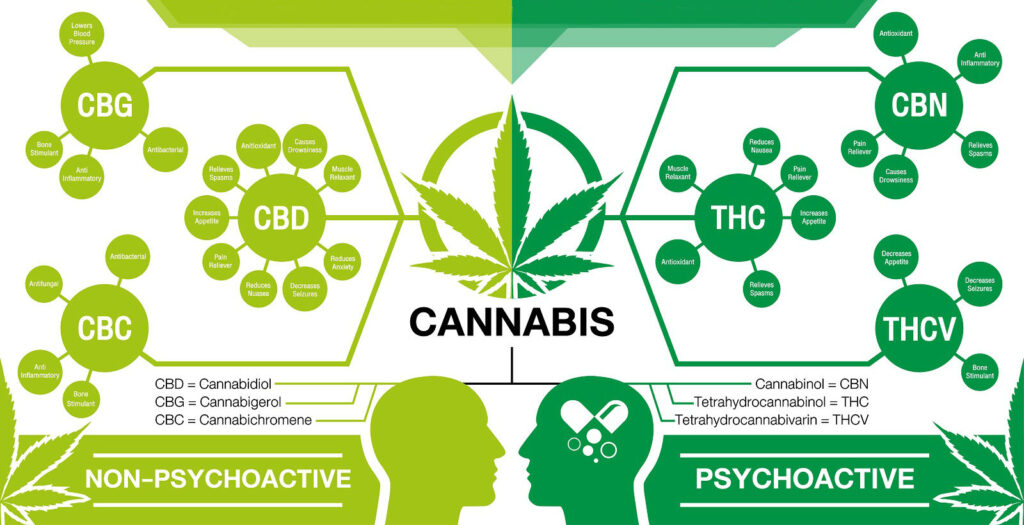
The psychoactive ingredients in cannabis are called cannabinoids, and they work with the body’s endocannabinoid system to generate benefits. Although the cannabis plant contains over 100 distinct cannabinoids, each with specific medicinal characteristics, the most well-known are THC (tetrahydrocannabinol) and CBD (cannabidiol).
THC (Tetrahydrocannabinol)
The main psychoactive ingredient in cannabis, THC, gives users the “high” that comes with using it. THC is prized for its analgesic, anti-inflammatory, and appetite-stimulating qualities in medical cannabis. It is frequently used to treat ailments like nausea, muscular stiffness, and chronic pain.
CBD (Cannabidiol)
One non-psychoactive cannabis compound with several medical applications is CBD. It possesses neuroprotective, anti-inflammatory, anti-anxiety, and anti-seizure qualities. Neurodegenerative illnesses, anxiety disorders, and epilepsy are among the problems that CBD is frequently used to treat.
Minor Cannabinoids
In addition to THC and CBD, there are several other cannabinoids with therapeutic potential, including:
- CBG (Cannabigerol): CBG is being studied for its ability to cure diseases like glaucoma and inflammatory bowel disease. It is well-known for having antibacterial and anti-inflammatory qualities.
- CBC (Cannabichromene): Exhibits anti-inflammatory, antiviral, and tumor-inhibiting properties, making it a candidate for cancer treatment research.
- THCV (Tetrahydrocannabivarin): May help in weight loss and managing metabolic disorders due to its appetite-suppressing effects.
- CBN (Cannabinol): Produced as THC degrades, CBN has mild psychoactive effects and is known for its sedative properties, making it useful for treating insomnia.
Terpenes: Enhancing Therapeutic Effects
Terpenes are fragrant substances present in various plants, including cannabis. They contribute to the plant’s scent and flavor and have therapeutic effects that can enhance the medicinal properties of cannabinoids. Common terpenes in medical cannabis include:
- Myrcene: Has sedative and muscle-relaxing properties, often found in indica strains.
- Limonene: Known for its uplifting and mood-enhancing effects, commonly found in sativa strains.
- Linalool: Exhibits anti-anxiety and anti-depressant effects, making it useful for treating stress and mood disorders.
- Pinene: Has anti-inflammatory and bronchodilator properties, beneficial for respiratory conditions.
Isolates and Full-Spectrum Extracts
Medical cannabis can be processed into various forms, including isolates and full-spectrum extracts. Understanding the differences between these forms is crucial for selecting the appropriate treatment.
Isolates
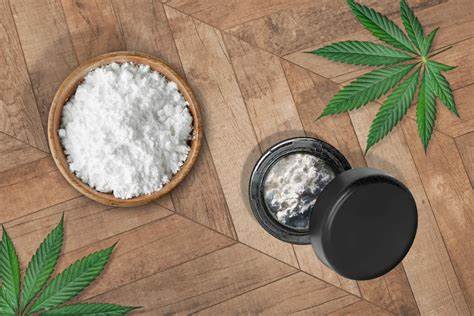
Cannabis isolates are pure forms of a single cannabinoid, typically THC or CBD. These products contain only the isolated cannabinoid, without any other plant compounds. Patients who need large dosages of a particular cannabinoid free from the interference of other substances can benefit from isolates.
- CBD Isolate: Pure CBD with no THC or other cannabinoids. It is often used for patients who need high doses of CBD for conditions like epilepsy or anxiety without the psychoactive effects of THC.
- THC Isolate: Pure THC, used for conditions requiring targeted pain relief or appetite stimulation.
Full-Spectrum Extracts
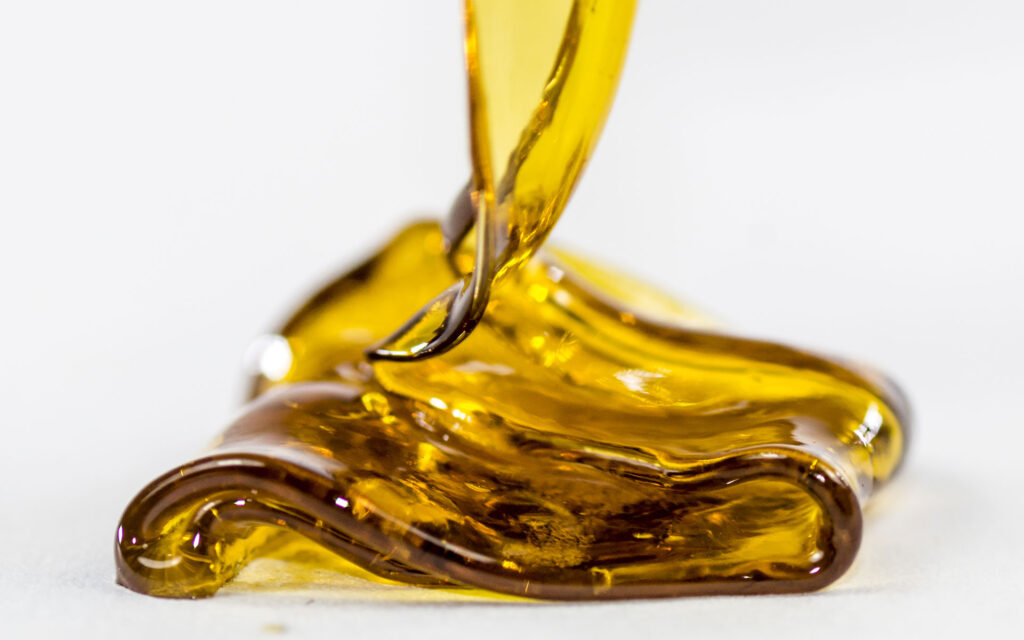
Terpenes, other plant chemicals, and cannabinoids of various kinds can be found in full-spectrum extracts. These extracts are believed to provide an “entourage effect,” where the combined compounds enhance each other’s therapeutic effects. Full-spectrum extracts are often preferred for their holistic approach to treatment.
- Broad-Spectrum Extracts: Similar to full-spectrum but with THC removed, suitable for patients who need the benefits of multiple cannabinoids and terpenes without the psychoactive effects of THC.
Cultivating for Specific Medical Conditions
Different medical conditions may require specific cannabinoid and terpene profiles. Here are some examples of how cultivators can tailor their growing practices to produce strains suited for various medical conditions.
Chronic Pain
For chronic pain management, strains with high levels of THC and CBD are often preferred. These cannabinoids work together to provide analgesic and anti-inflammatory effects. Strains such as ACDC (high CBD) and OG Kush (balanced THC and CBD) are popular choices.
Anxiety and Depression
For anxiety and depression, strains with higher CBD content and calming terpenes like linalool and limonene are beneficial. Harlequin (high CBD) and Jack Herer (balanced THC and CBD with uplifting terpenes) are commonly used.
Epilepsy
Patients with epilepsy often benefit from high-CBD strains, as CBD has anti-seizure properties. Strains like Charlotte’s Web and Ringo’s Gift are well-known for their effectiveness in reducing seizure frequency and severity.
Insomnia
For treating insomnia, indica-dominant strains with sedative terpenes like myrcene and linalool are effective. Certain strains, like Granddaddy Purple and Northern Lights, are well-known for their sedative properties.
Appetite Stimulation
Patients undergoing treatments like chemotherapy may need help with appetite stimulation. Strains high in THC, such as Cannatonic and Blue Dream, are effective in increasing appetite and reducing nausea.
Advanced Cultivation Techniques
To produce the highest quality medical cannabis, advanced cultivation techniques are often employed. These techniques ensure consistent potency, purity, and therapeutic efficacy.
Cloning
To create genetically identical offspring, cloning entails taking cuttings from a mother plant. This technique ensures that the desirable traits of the mother plant are preserved in the new plants, providing consistency in cannabinoid and terpene profiles.
Tissue Culture
Using tissue culture, a more sophisticated propagation technique, cannabis plants are grown from a limited number of cells in a sterile laboratory setting. Plants that are genetically stable and devoid of disease can be produced using this technology.
Hydroponics
Hydroponic systems grow cannabis plants without soil, using nutrient-rich water solutions. With this technique, nutrient distribution may be precisely controlled, resulting in faster growth and higher yields. Hydroponics is particularly useful in indoor cultivation settings where space and resources are limited.
Integrated Pest Management (IPM)
Using biological, cultural, physical, and chemical methods, integrated pest management (IPM) is a sustainable way to manage diseases and pests. By reducing the use of dangerous pesticides, it seeks to maintain the safety of medical cannabis for use. Techniques include introducing beneficial insects, using organic pesticides, and implementing proper sanitation practices.
Harvesting and Post-Harvest Processing
Proper harvesting and post-harvest processing are critical to preserving the therapeutic properties of medical cannabis.
Harvesting
The timing of the harvest is crucial for maximizing the cannabinoid and terpene content of the plants. Trichome color is often used as an indicator of maturity. When most trichomes are milky white with some turning amber, it is typically the ideal time to harvest.
Drying and Curing
After harvesting, cannabis plants must be dried and cured to preserve their potency and flavor. The process of drying entails hanging the plants upside down for seven to fourteen days in a well-ventilated, dark area, or until the stems snap instead of bend. The dried buds are cured by being kept in a cold, dark environment for several weeks while sealed in airtight containers. This process allows the cannabinoids and terpenes to develop fully, enhancing the therapeutic properties of the final product.
Extraction Methods
There are several ways to take medical cannabis, such as oils, tinctures, sweets, and topicals. The final product’s potency and purity may vary depending on the extraction technique employed.
- CO2 Extraction: This method uses pressurized carbon dioxide to extract cannabinoids and terpenes from the plant material. It is considered one of the safest and most efficient extraction methods, producing high-quality, contaminant-free extracts.
- Ethanol Extraction: Ethanol is used as a solvent to extract cannabinoids and terpenes. This method is effective and relatively safe but may require additional steps to remove residual ethanol from the final product.
- Solventless Extraction: Methods such as rosin pressing use heat and pressure to extract cannabinoids and terpenes without solvents. This technique preserves the natural terpene profile and produces a pure, high-quality product.
Regulatory Restrictions on Medical Cannabis
Use as a Last Resort
In many jurisdictions, medical cannabis is regulated to be used only after other conventional treatments have failed. This “last resort” policy is designed to ensure that patients have exhausted all other evidence-based options before turning to cannabis, which is still considered controversial in some medical and regulatory circles.
- Evidence-Based Practice: Healthcare providers must demonstrate that standard treatments have been ineffective or caused intolerable side effects. This often requires thorough documentation of the patient’s medical history and previous treatments.
- Specialist Approval: In some cases, the prescription of medical cannabis must be approved by a specialist in the relevant field, ensuring that the decision is made by a physician with expertise in the patient’s specific condition.
- Regulatory Oversight: National or regional health authorities often require additional oversight and approval before medical cannabis can be prescribed. This may include review boards or special committees designed to evaluate the necessity and appropriateness of cannabis treatment.
- Patient Eligibility: Specific criteria must be met for a patient to qualify for medical cannabis. These criteria often include having a diagnosed condition that is listed as eligible for cannabis treatment, such as chronic pain, multiple sclerosis, or epilepsy.
Monitoring THC Levels in Medications
The main psychoactive ingredient in cannabis, THC (tetrahydrocannabinol), is what gives users a “high” that can have an impact on their ability to think and move. For medical cannabis to be effective without impairing the patient’s daily activities, it is crucial to monitor and control THC levels in medications.
THC and Its Psychoactive Effects
- Cognitive Impairment: High levels of THC can lead to cognitive issues such as impaired memory, attention, and judgment. This can be particularly problematic for patients who need to remain alert and functional, such as those with jobs or caregiving responsibilities.
- Psychomotor Skills: THC can affect motor skills, making activities like driving or operating machinery dangerous for patients. This necessitates careful dosing and patient education on the effects of THC.
- Psychiatric Effects: In some individuals, THC can exacerbate psychiatric conditions such as anxiety, depression, or even trigger psychosis. Monitoring THC levels helps minimize these risks.
Methods for Monitoring and Controlling THC Levels
- Standardized Dosing: Medical cannabis products should have standardized and clearly labeled THC content. This allows healthcare providers to prescribe precise doses tailored to the patient’s needs and tolerance.
- Low-THC, High-CBD Strains: Selecting strains with high levels of CBD (cannabidiol) and low levels of THC can help mitigate psychoactive effects. CBD has anti-psychoactive properties that can counteract the effects of THC.
- Titration: Starting with low doses and gradually increasing allows for careful monitoring of the patient’s response to THC. This method helps find the minimum effective dose with the least psychoactive impact.
- Alternative Delivery Methods: Non-inhalation methods such as tinctures, capsules, and edibles allow for more precise dosing compared to smoking or vaping. These methods also provide longer-lasting effects, which can be beneficial for managing chronic symptoms.
- Regular Monitoring and Adjustments: Ongoing patient monitoring is essential. Regular check-ins with healthcare providers help track the efficacy and side effects of the treatment, allowing for dosage adjustments as needed.
Legal and Ethical Considerations
The legal and ethical landscape of medical cannabis use requires careful navigation to ensure patient safety and compliance with regulations.
Legal Compliance
- Prescription Regulations: Healthcare providers must adhere to local laws regarding the prescription of medical cannabis. This includes understanding which conditions qualify, appropriate dosages, and the necessary documentation.
- Dispensation and Distribution: Medical cannabis must be obtained from licensed dispensaries or pharmacies to ensure product quality and compliance with safety standards.
- Patient Education: Patients should be informed about the legal implications of using medical cannabis, including potential impacts on employment, driving, and travel.
Ethical Considerations
- Informed Consent: The possible advantages and disadvantages of medicinal cannabis treatment must be properly disclosed to patients. This includes talking about THC’s psychotropic effects and how crucial it is to take dosages as directed.
- Non-Discrimination: Patients using medical cannabis should be treated with the same respect and care as those using conventional treatments. Stigma and bias against cannabis users must be actively countered.
- Confidentiality: Patient confidentiality must be maintained, especially given the sensitive nature of medical cannabis use. This includes safeguarding medical records and being discreet in communication.
Clinical Guidelines for Medical Cannabis Use
To ensure safe and effective use of medical cannabis, clinical guidelines have been developed by various medical associations and health authorities.
Guidelines Overview
- Patient Assessment: Comprehensive assessment of the patient’s medical history, current medications, and potential for cannabis use disorder is necessary before initiating treatment.
- Treatment Planning: Develop a clear treatment plan with defined goals, such as pain reduction, improved sleep, or reduced spasticity. Regularly review and adjust the plan based on the patient’s progress.
- Risk Management: Identify and manage risks associated with cannabis use, including potential interactions with other medications and the patient’s mental health status.
- Documentation: Maintain detailed records of all patient interactions, treatment plans, and outcomes to ensure accountability and continuity of care.
Monitoring and Evaluation
- Baseline Measurements: Establish baseline measurements of symptoms before starting cannabis treatment to accurately assess its impact.
- Follow-Up: Schedule regular follow-up appointments to monitor the patient’s response to treatment, adherence to the dosing regimen, and any side effects.
- Outcome Measures: Use standardized outcome measures to evaluate the effectiveness of the treatment. This may include pain scales, quality of life assessments, and functional status evaluations.
- Patient Feedback: Encourage patients to provide feedback on their experiences with medical cannabis, including both positive outcomes and any adverse effects.
Conclusion
Medical cannabis has emerged as a significant treatment option for a variety of conditions, providing relief where traditional therapies may fall short. Understanding the complexities of cannabis genetics, cultivation techniques, and the specific roles of cannabinoids and terpenes is essential for producing high-quality, effective medical cannabis. The focus on medical use, as opposed to recreational, underscores the importance of precise cultivation practices and stringent quality control measures to ensure patient safety and therapeutic efficacy.
The cultivation of medical cannabis requires selecting the right genetics to produce strains with specific therapeutic properties. By optimizing growing conditions and employing advanced techniques such as cloning, tissue culture, and hydroponics, cultivators can ensure the consistency and potency of their products. Furthermore, proper harvesting, drying, and curing processes are crucial to preserving the plant’s beneficial compounds.
Cannabinoids, particularly THC and CBD, are the primary active compounds in cannabis, each offering unique medical benefits. While THC is valued for its analgesic and appetite-stimulating properties, CBD is prized for its anti-inflammatory and anti-anxiety effects. Minor cannabinoids and terpenes also play a crucial role in enhancing the therapeutic effects of cannabis, providing a holistic approach to treatment.
In the medical field, the use of cannabis is often regulated as a last resort, ensuring that all conventional treatments have been exhausted before turning to cannabis. This approach emphasizes the importance of thorough documentation, specialist approval, and adherence to regulatory oversight. Monitoring THC levels in medications is vital to prevent psychoactive effects and ensure patient safety, with methods such as standardized dosing, low-THC high-CBD strains, and regular patient monitoring playing key roles.
Legal and ethical considerations are paramount in the use of medical cannabis, with strict regulations governing its prescription, dispensation, and patient education. Clinical guidelines provide a framework for safe and effective treatment, emphasizing comprehensive patient assessment, risk management, and ongoing evaluation of treatment outcomes.
In conclusion, the integration of medical cannabis into healthcare requires a multi-faceted approach that combines rigorous cultivation practices, precise monitoring of active compounds, and adherence to regulatory and ethical standards. As research continues to uncover the full potential of cannabis in medical treatment, it is imperative that healthcare providers remain informed and vigilant in their practices to ensure that patients receive the highest quality care. The journey of medical cannabis from cultivation to patient treatment is complex, but with careful management and continuous advancement, it holds promise as a valuable therapeutic option for many patients.
