Table of Contents
Medical Cannabis Benefits
Medical cannabis benefits begin long before the first cure jar pops. When I moved from buying dispensary flower to cultivating my own medicine, I discovered that the real power of cannabis comes from control—control over genetics, environment, and post-harvest handling. Consider this a medical cannabis grow guide grounded in what I’ve done in my own rooms: the choices I made, the mistakes I learned from, and the practices that now keep my stash consistent and clean. If you’re navigating cannabis for chronic pain, anxiety, sleep, or day-to-day functioning, the garden can be part pharmacy, part classroom, and part sanctuary.
What “Medical” Means in Practice
Legal definitions vary by region, but inside the grow room, “medical” means predictable outcomes. That starts with two things: the right genetics and disciplined process. In medical marijuana cultivation, consistency beats novelty every time. I log everything—seed source, environment, feeding, terpene notes—so the harvest that helped my back last winter can be reproduced this fall. I shortlist cannabis strains for health by looking at cannabinoid ratios and terpene profiles (for example, myrcene for body comfort, limonene for mood lift, linalool for relaxation). Breeders offer more cannabis strains for health every season; the challenge is finding those that match your symptoms and your growing style.
Why I Prefer Growing Cannabis Indoors
Growing cannabis indoors changed my entire approach to wellness. Outdoors can be great, but nature sets the schedule and flips the variables. Inside, I run perpetual harvests on my terms.
- Control: Temperature, humidity, light intensity, and airflow.
- Hygiene: A clean room is easier to maintain than a backyard microclimate.
- Supply: Perpetual cycles mean reliable medicine year-round.
When growing cannabis indoors, I learned that airflow is medicine. Stagnant corners breed powdery mildew and gnats. Positive pressure intake with HEPA filtration keeps spores down, and oscillating fans prevent microclimates on leaf surfaces. If you’re growing cannabis indoors in an apartment or tight space, a small tent with a carbon filter remains one of the quietest, least conspicuous solutions.
Planning Your Indoor Grow Setup
Build an indoor grow setup around light, climate, and cleanliness. A modular indoor grow setup scales with your confidence: start with a 2×4-foot tent and a single LED, then add a second tent for flowering once you’re comfortable. Your indoor grow setup should prioritize sanitation from day one—wipeable surfaces, a doormat that grabs debris, dedicated tools, and labeled totes for nutrients and gloves. In medical marijuana cultivation, contamination control is as important as N-P-K.
Lighting: Photosynthesis on a Dimmer
Choosing the Fixture
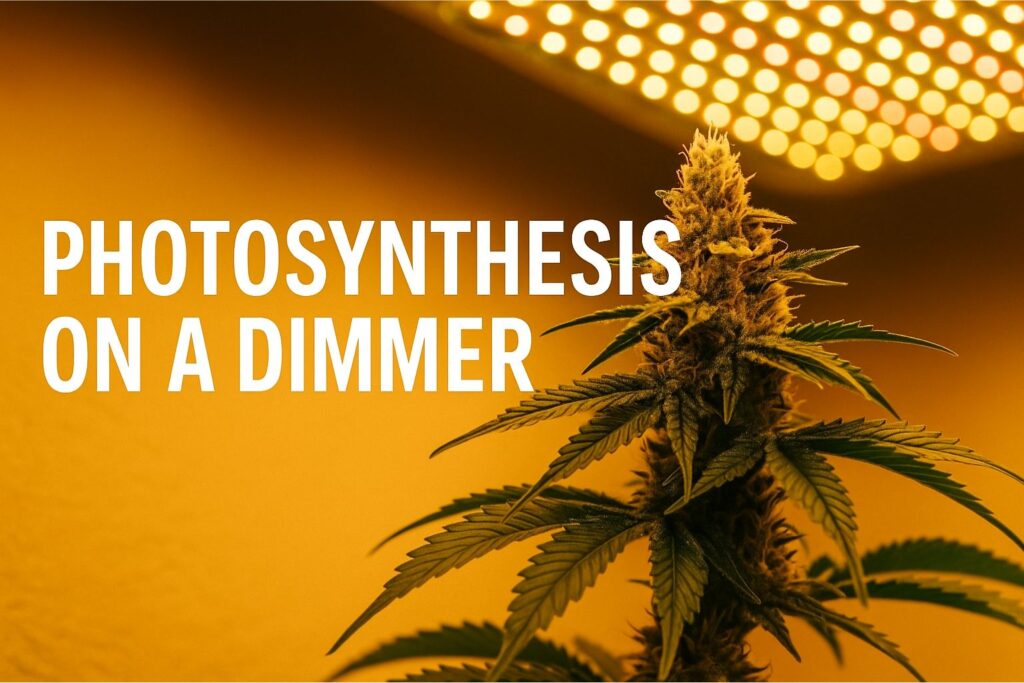
I’ve run HPS, CMH, and modern LEDs. Today, quality full-spectrum LEDs win for efficiency and heat management. They offer even canopy penetration and onboard dimming so you can match intensity to plant age and cultivar sensitivity. In any medical cannabis grow guide, lighting sits at the top of the decision tree because it dictates everything downstream: irrigation frequency, vapor pressure deficit (VPD), and nutrient uptake.
Photoperiod Basics
- Vegetative: 18 hours on / 6 off
- Flowering: 12 on / 12 off (absolute darkness matters)
I move seedlings and young veg plants in gradually, starting low intensity and raising over a week. Light stress is real; a little prudence saves weeks of recovery.
Environment: Temperature, Humidity, and CO₂
Dialing in VPD
Plants don’t read humidity in isolation—leaf temperature and room temperature change how water moves through stomata. I keep day temps around 76–80°F in veg, 72–78°F in flower, with RH 55–65% in veg and 45–55% in flower. That VPD window reduces disease pressure and tightens internodes. In medical marijuana cultivation, these small margins are the difference between top-shelf relief and “good enough.”
Air Exchange and Filtration
A filtered intake, carbon-scrubbed exhaust, and gentle internal circulation keep the room fresh. CO₂ supplementation can help, but for most home growers, consistent air exchange is enough to maintain vigorous growth without complicating the system.
Media and Nutrition: Soil, Soilless, or Hydro
Soil and Soilless
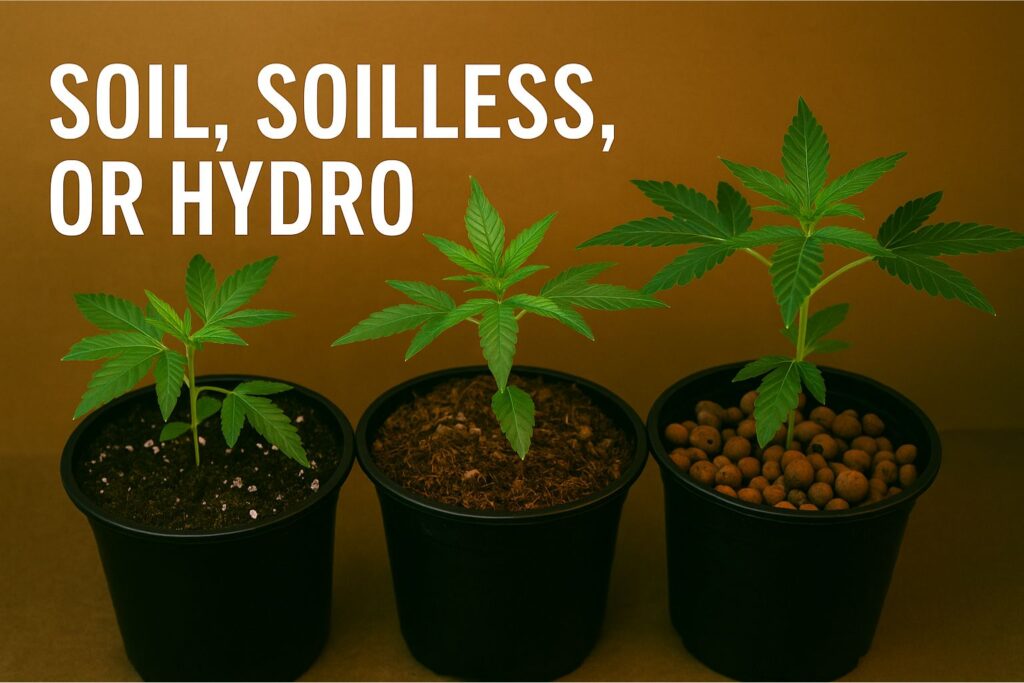
For many patients, soil or soilless mixes are safest and most forgiving. They buffer pH swings and are friendly to biological amendments. Good cannabis plant care starts with media you can read: lift the pot, feel the moisture, smell the rhizosphere. When the medium smells sweet-earthy, microbes are at work.
Hydroponics
Hydro grows fast and clean when dialed in, but precision is required. If you’re experimenting, do it in a separate tent so your main medicine supply isn’t at risk.
Genetics: CBD Strains, Ratios, and Real-World Effects
CBD strains shine for daytime clarity and functional relief. I keep several CBD strains in rotation so I can dose to the task: 1:1 CBD:THC for balanced relief, higher CBD for low-intoxication daytime use. Among CBD strains, Harlequin remains a steady favorite; CBD Critical Mass offers heavier body relaxation; and CBD Blueberry brings calm with flavor. I also keep CBD strains on hand for entourage-effect blending—adding a pinch to a THC-dominant flower can soften edges without killing the therapeutic lift. These are the kinds of cannabis strains for health that earn permanent space in my seed fridge.
Seed vs. Clone and Why I Start with Feminized Cannabis Seeds
Clones are great when a friend has a known keeper, but I prefer starting fresh with feminized cannabis seeds for predictability and pathogen control. Start with feminized cannabis seeds from reputable breeders to avoid surprises. Ordering feminized cannabis seeds reduces risk of males and herms, simplifies plant counts, and speeds pheno-hunts. With feminized cannabis seeds, canopy planning is more accurate, and your harvest window becomes easier to schedule around work and family life.
Veg: Structure, Training, and Cannabis Plant Care
The Veg Playbook
Healthy veg sets up healthy flower. My daily cannabis plant care checklist: observe leaf posture, check media moisture by weight, confirm gentle air movement, and verify timers. Cannabis plant care at this stage is about preventing problems—balanced nutrition, mild light intensity increases, and clean cuts when topping or training.
Training for Yield and Access
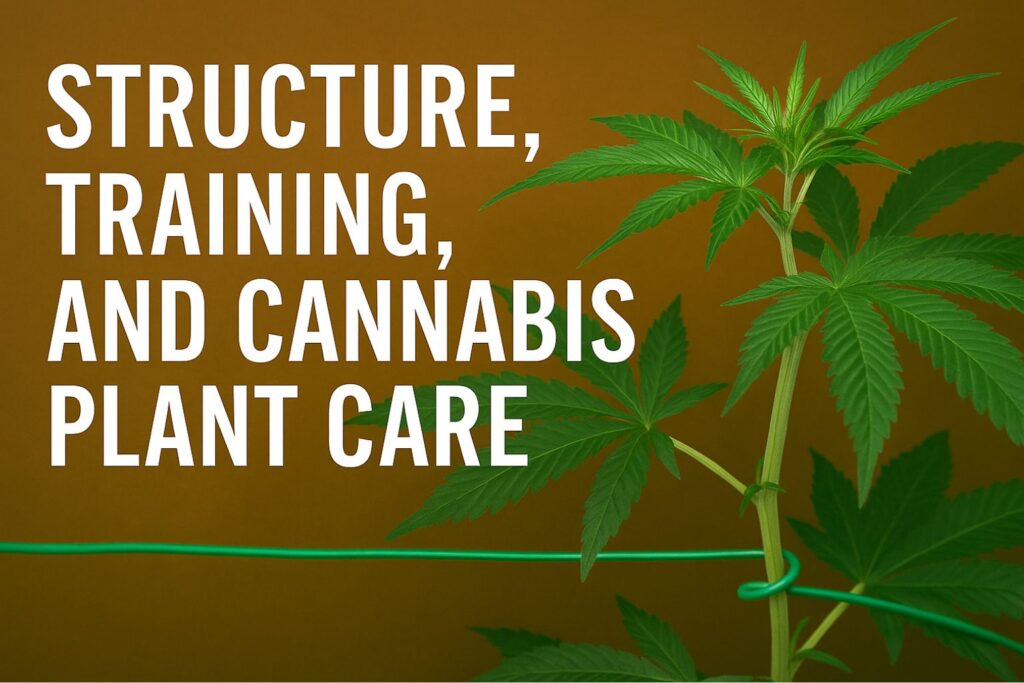
I rely on low-stress training (LST) and topping to create flat, even canopies that drink light equally. These training techniques are staples of medical marijuana cultivation because they help you produce uniform flowers that respond consistently in the vaporizer or grinder. A flat canopy also makes scouting for pests faster and safer for your back.
Flower: Bud Building and Risk Management
When I flip to 12/12, I change two things: nutrition (more phosphorus/potassium, moderate nitrogen) and vigilance. Days 14–28 of flower are the “set-the-trusses” weeks. Keep humidity on the conservative side, defoliate lightly to improve airflow (never overdo it), and stake early so colas never sag into hot zones near the light. In medical marijuana cultivation, risk management means you look for mold in the places you least want to find it—dense tops.
Targeting Symptoms: Practical Pairings
Cannabis for chronic pain often responds best to indica-leaning hybrids with myrcene and beta-caryophyllene; I’ll blend with a CBD cultivar to keep my head clear on workdays. For nighttime use, cannabis for chronic pain can skew heavier—sedative terpenes, slightly later harvest with some amber trichomes. During the day, I lean toward balanced cannabis strains for health so I can write, troubleshoot irrigation, and take calls without drifting.
Harvest: Reading Trichomes and Avoiding Post-Harvest Loss
Few medical cannabis benefits matter more than a clean harvest and cure. Cut plants in the dark cycle to avoid excess surface volatiles, then hang branches in 60°F, ~50% RH with gentle airflow—not on the buds. After 10–14 days, stems should snap, not bend. Jar the flower and burp daily for a week, then less frequently as moisture equalizes.
Cannabis Harvest Tips
- Here are my cannabis harvest tips in plain language:
- Harvest by trichomes, not calendar. Cloudy with a pinch of amber for calm but functional medicine.
- Keep it cool and slow. Fast, hot dries destroy terpenes.
- Trim cleanly and avoid touching trichomes—gloves and gentle handling matter.
Of all cannabis harvest tips, trichome literacy is the hardest-earned skill; take notes and compare jars month to month. Follow these cannabis harvest tips to keep batch-to-batch effects predictable for your regimen.
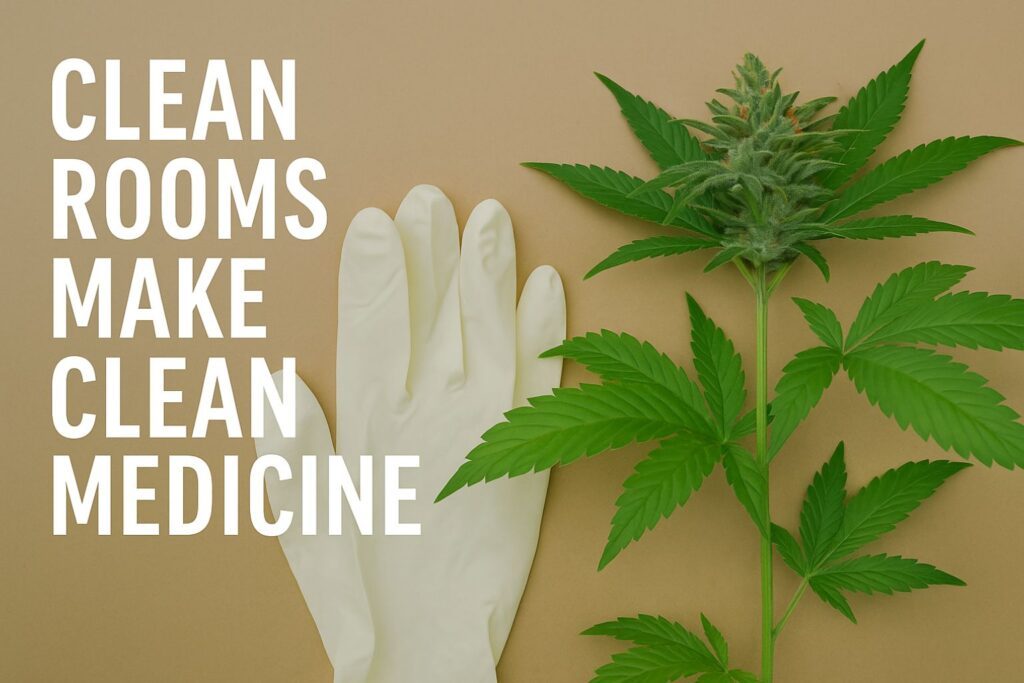
Hygiene and IPM: Clean Rooms Make Clean Medicine
Sanitation is one of the overlooked medical cannabis benefits of indoor growing. I autoclave pruning shears (or use 70% isopropyl), quarantine new clones, and rotate biological controls like Bacillus-based sprays in veg. Preventive IPM beats emergency sprays every time. Good cannabis plant care extends into drying: clean lines, dust covers on fans, and a dedicated space where food smells and pet dander can’t intrude.
Dosing and Formats for Patients
Tinctures, capsules, and vaporized flower each land differently. For cannabis for chronic pain, many patients find that a small morning dose plus a slightly larger evening dose keeps inflammation and sleep in check. I decarb trim and smalls for oil infusions—soft gels or measured tinctures let me keep daytime function while saving the heavy hitters for nights. A balanced 1:1 oil sits at the center of my routine; I adjust up or down with straight CBD or THC as needed.
Troubleshooting: When Plants Talk Back
- Pale new growth: likely iron uptake issue; check pH and root zone oxygen.
- Clawed leaves: overwatering or excess nitrogen; let pots dry back and reassess feed.
- Foxtailing late flower: light or heat stress; raise the fixture or dim intensity.
These corrections show up in every medical cannabis grow guide, but experience teaches which lever to pull first. Trust the basics before chasing exotic fixes.
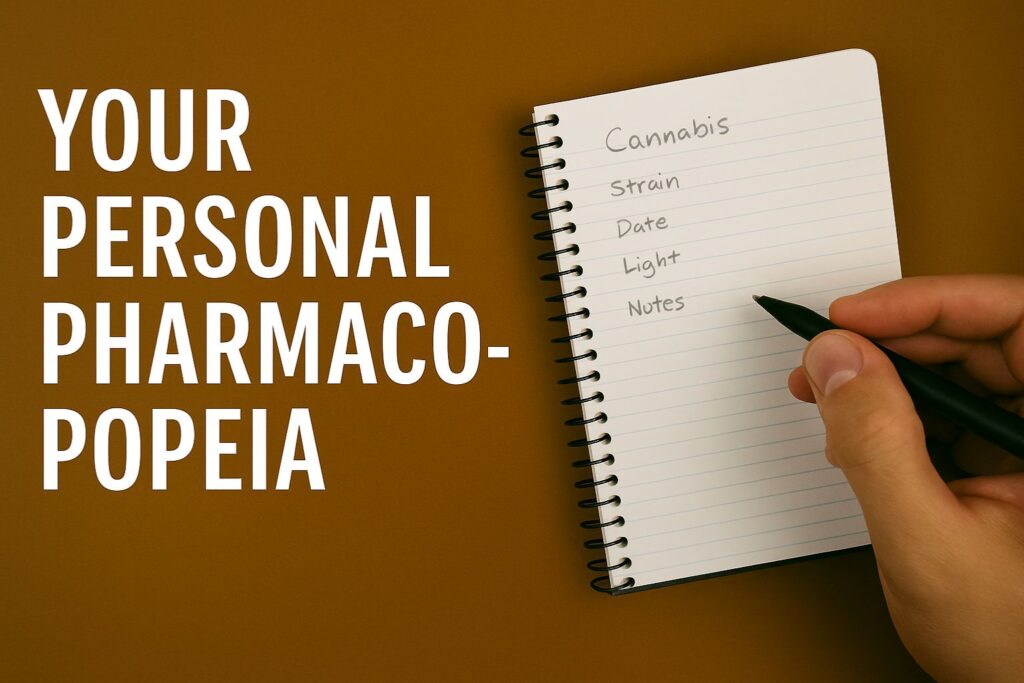
Recordkeeping: Your Personal Pharmacopoeia
Medical cannabis benefits multiply when you track strain, environment, and effect. I tag jars with harvest date, cultivar, dominant terpenes (from breeder info or aroma), and a simple 1–5 scale for pain relief, mood, and sleep. Over time, patterns emerge: which cannabis strains for health deliver mornings without grogginess, which blends calm flares without sedation. Bookmark this medical cannabis grow guide and your own notes so the garden becomes a living, learning system.
Legal and Safety Considerations
Know your local laws before you plug in a light. Plant counts, possession limits, and where you can dry flower all matter. Use GFCI outlets, avoid overloading circuits, and elevate electronics off the floor. In medical marijuana cultivation, safety starts with the room, not the plant.
Budgeting and Scaling
Start small, scale thoughtfully. A tent, a mid-range LED, inline fan with carbon filter, two clip fans, and basic nutrients can bring your first harvest in under what many spend monthly on dispensary medicine. As your skills grow, add a second tent for flowering and turn your first tent into a dedicated veg space. The medical cannabis benefits of perpetual harvests include less pressure on any single run and a steady shelf of fresh jars.
Putting It All Together
One of the profound medical cannabis benefits is autonomy. You choose the cultivar, craft the environment, and cure the medicine your body responds to best. In my rooms, CBD strains handle daylight hours, a balanced hybrid anchors afternoons, and a heavier cultivar eases me into sleep. The result is a predictable toolkit that supports real life, not just hobby gardening. When you tally the medical cannabis benefits—cost, cleanliness, control, and customization—the decision to grow becomes less about novelty and more about health.
FAQs
What’s the difference between “medical” and “recreational” cannabis?
The plant is the same; intention and process differ. Medical programs may guide access and limits, but inside the room, medical marijuana cultivation emphasizes repeatable outcomes and rigorous hygiene.
How do I pick starting genetics?
Choose feminized cannabis seeds from trusted breeders and consider a two-path strategy: one or two CBD strains for daytime clarity and one THC-leaning hybrid for evening relief. Keep notes and refine.
Do I need CO₂?
Not at the beginning. Focus on light uniformity, environment control, and consistent irrigation. Add CO₂ only when you’ve plateaued and can measure gains.
How many plants should I grow?
Fewer, bigger plants are easier to manage early on. Two to four plants in a 2×4-foot tent can supply a patient year-round with smart scheduling.
Conclusion
Medical cannabis benefits thrive under good process: clean rooms, sensible training, accurate harvest timing, and patient recordkeeping. Treat your space like a miniature lab and your jars like a personal pharmacopoeia. This medical cannabis grow guide isn’t about chasing trends; it’s about building a reliable system that delivers comfort when you need it most.
About the Author
Sierra Langston is a cultivation writer and grower at Royal King Seeds with years of hands-on indoor experience. From dialing VPD in small tents to managing perpetual rooms built around CBD strains, Sierra focuses on practical methods that patients can replicate at home. Her work centers on cannabis plant care, repeatable quality, and clear instruction—turning the garden into a dependable source of relief.
Related Products
-

$100 OG Cannabis Seeds
From: $24.99 -
24k Gold Cannabis Seeds
From: $24.99 -
3 Kings Cannabis Seeds
From: $24.99 -
303 OG Cannabis Seeds
From: $24.99