Medical Cannabis and Trauma: A Comprehensive Exploration
Introduction
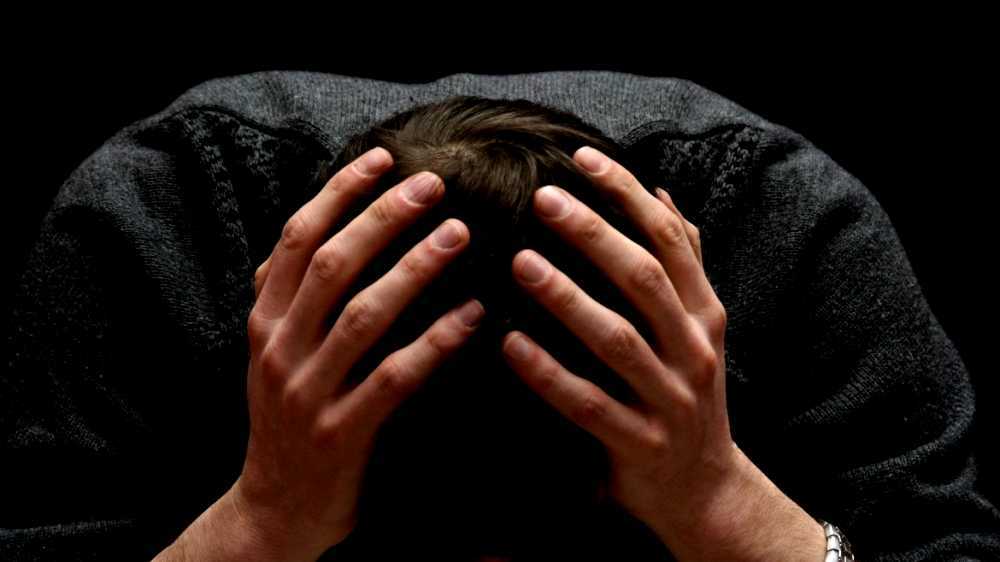
Trauma, whether physical or psychological, has a profound impact on an individual’s well-being, often resulting in long-term health issues such as chronic pain, anxiety, depression, and PTSD (Post-Traumatic Stress Disorder). Conventional treatments for trauma-related conditions typically include pharmaceuticals, psychotherapy, and other therapeutic interventions. However, with the evolving landscape of medical treatments, medical cannabis has emerged as a promising adjunct or alternative therapy for trauma-related conditions. This comprehensive exploration delves into the role of medical cannabis in treating trauma, focusing on its medical applications, underlying mechanisms, and clinical evidence, while strictly excluding any discussion of recreational use or consumption methods.
Understanding Trauma: A Medical Perspective

Types of Trauma
Trauma can be categorized broadly into two types: physical trauma and psychological trauma. Physical trauma refers to bodily injuries resulting from accidents, surgeries, or violence, while psychological trauma stems from distressing events that overwhelm an individual’s ability to cope, such as abuse, combat, or natural disasters. Both types of trauma can have overlapping effects on mental and physical health.
Impact of Trauma on the Body and Mind
The aftermath of trauma is complex and multifaceted, often involving chronic pain, inflammation, sleep disturbances, anxiety, depression, and PTSD. These conditions are typically interconnected, with one exacerbating the other. For instance, chronic pain can lead to depression, while anxiety can worsen pain perception. Traditional treatments often address symptoms in isolation, but there is growing recognition of the need for integrative approaches that address the whole spectrum of trauma-related conditions.
The Role of the Endocannabinoid System in Trauma Response
Overview of the Endocannabinoid System (ECS)
An important part in controlling many physiological functions, such as mood, memory, immunological response, and pain perception, is the endocannabinoid system (ECS). Endocannabinoids (including anandamide and 2-AG), cannabinoid receptors (CB1 and CB2), and the enzymes that catalyze the production and breakdown of endocannabinoids make up the endocannabinoid system (ECS).
- CB1 Receptors: Predominantly found in the central nervous system, CB1 receptors are involved in modulating neurotransmitter release, which influences pain perception, mood, and memory.
- CB2 Receptors: These receptors are primarily located in the peripheral immune system and are associated with anti-inflammatory effects.
ECS and Trauma
Trauma disrupts the normal functioning of the ECS, leading to an imbalance in endocannabinoid levels, which can contribute to the persistence of symptoms such as chronic pain, anxiety, and PTSD. By modulating the ECS, medical cannabis can help restore balance, thereby alleviating these symptoms.
Medical Cannabis as a Treatment for Trauma-Related Conditions

Chronic Pain Management
One of the most well-established uses of medical cannabis is in the management of chronic pain, a common aftermath of physical trauma. Cannabis compounds, particularly THC (tetrahydrocannabinol) and CBD (cannabidiol), interact with the ECS to modulate pain signals.
- THC: THC primarily binds to CB1 receptors in the brain and spinal cord, altering pain perception and providing relief from chronic pain.
- CBD: CBD, while not directly binding to CB1 or CB2 receptors, influences the ECS by inhibiting the breakdown of endocannabinoids, thereby enhancing their pain-relieving effects.
Clinical Evidence
Multiple studies have demonstrated the efficacy of medical cannabis in reducing chronic pain in conditions such as neuropathic pain, fibromyalgia, and post-surgical pain. For instance, a study published in the Journal of Pain found that cannabis significantly reduced pain and improved sleep in patients with chronic pain conditions unresponsive to conventional therapies.
PTSD and Anxiety Management
PTSD and anxiety are prevalent among individuals who have experienced psychological trauma. The hyperactivity of the amygdala (a brain region involved in fear processing) and the dysregulation of the ECS are key factors in the development of these conditions.
- Cannabis and PTSD: Cannabis has shown promise in reducing the severity of PTSD symptoms, such as flashbacks, hyperarousal, and nightmares. THC’s ability to modulate memory processing and CBD’s anxiolytic effects contribute to its therapeutic potential in PTSD.
- Cannabis and Anxiety: CBD has been particularly noted for its anxiolytic (anxiety-reducing) properties. It modulates serotonin receptors, which play a crucial role in mood regulation, and helps reduce anxiety without the psychoactive effects associated with THC.
Clinical Evidence
A number of observational research and clinical trials back up the use of medical marijuana to treat anxiety and PTSD. According to a 2019 research that was published in the Journal of Psychopharmacology, PTSD symptoms significantly decreased for individuals who used medical cannabis, especially those associated with hyperarousal and re-experiencing.
Inflammation and Immune Response
Physical trauma often triggers an inflammatory response, which, if uncontrolled, can lead to chronic inflammation and associated pain. Medical cannabis, through its action on CB2 receptors, has potent anti-inflammatory effects.
- Cannabis and Inflammation: It has been demonstrated that both THC and CBD lessen inflammation by stimulating anti-inflammatory pathways and preventing the release of pro-inflammatory cytokines. This is especially helpful for ailments where chronic inflammation is the main problem, such rheumatoid arthritis.
Clinical Evidence
A study published in the European Journal of Pain demonstrated that CBD reduced inflammation and pain in animal models of arthritis, providing a potential therapeutic avenue for trauma-induced inflammatory conditions.
Sleep Disorders
Sleep disturbances are common among trauma survivors, often exacerbating other trauma-related symptoms. It has been discovered that medical cannabis, especially strains high in THC, improves the quality of sleep by shortening the time it takes to fall asleep and lengthening the duration of sleep overall.
- Cannabis and Sleep: THC’s sedative effects can help in managing insomnia, while CBD may improve sleep by reducing anxiety and promoting relaxation.
Clinical Evidence
Research published in the Journal of Clinical Sleep Medicine indicates that medical cannabis can be an effective treatment for sleep disorders associated with PTSD and chronic pain, leading to improved overall quality of life.
Safety and Efficacy: A Balanced Perspective
Side Effects and Risks
While medical cannabis offers significant therapeutic benefits, it is not without potential side effects. These may include dizziness, dry mouth, altered mental states (especially with THC-rich strains), and potential dependency. However, these risks are generally lower when cannabis is used under medical supervision, with a focus on strains and dosages that minimize psychoactive effects.
Drug Interactions
Medical cannabis can interact with other medications, particularly those metabolized by the liver’s cytochrome P450 enzyme system. This can alter the effectiveness of certain drugs, such as anticoagulants, antiepileptics, and some antidepressants. To guarantee safe and efficient use, patients must confer with healthcare professionals.
Long-Term Use
The long-term effects of medical cannabis, especially in the context of trauma-related conditions, are still under investigation. However, current evidence suggests that with proper management, long-term use of medical cannabis can provide sustained relief without significant adverse effects.
Future Directions in Research and Treatment
Personalized Medicine
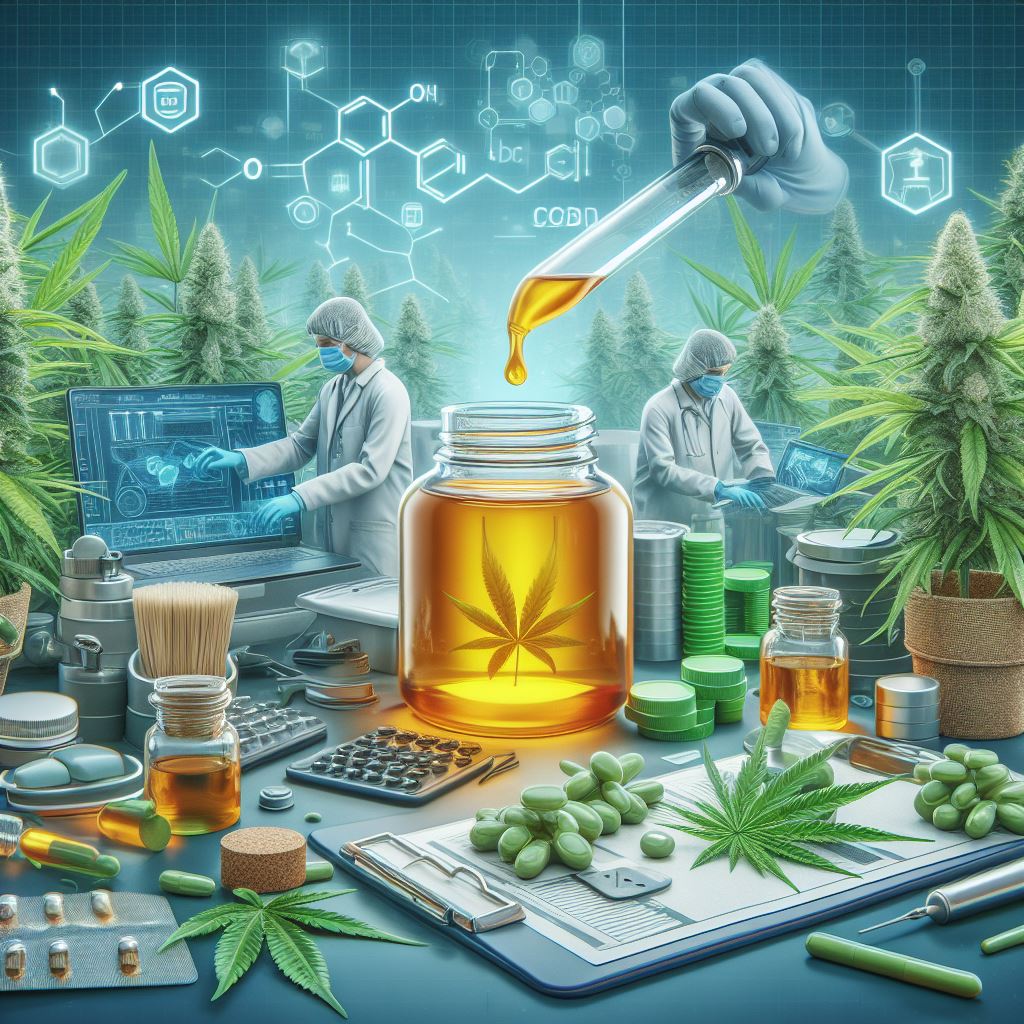
As our understanding of the ECS and its role in trauma-related conditions expands, there is growing interest in personalized cannabis medicine. This approach tailors treatment to the individual’s specific ECS profile, trauma history, and symptomatology, potentially enhancing therapeutic outcomes.
Cannabis-Derived Pharmaceuticals
The development of cannabis-derived pharmaceuticals, such as Epidiolex (CBD) and Sativex (a THC-CBD combination), represents a significant advancement in the medical use of cannabis. These pharmaceuticals offer standardized dosing and controlled purity, addressing some of the concerns associated with whole-plant cannabis use.
Integration with Conventional Therapies
The future of trauma treatment may involve a more integrative approach, combining medical cannabis with conventional therapies such as psychotherapy, physical therapy, and pharmacotherapy. This holistic approach could provide more comprehensive care for trauma survivors, addressing both the physical and psychological aspects of trauma.
Restrictions on Using Cannabis in Treating Traumas as a Last Resort
Legal and Ethical Considerations in Trauma Treatment
Legal Framework
The use of cannabis in treating trauma is heavily regulated in many jurisdictions. Typically, medical cannabis is considered a last resort treatment, only to be prescribed when conventional therapies have failed or are deemed unsuitable. The legal restrictions often vary by region, with some countries or states allowing broader access while others impose stricter controls.
For instance, in the United States, medical cannabis is legal in many states but remains federally illegal, creating a complex legal landscape for both patients and healthcare providers. In contrast, countries like Canada have a more unified legal approach, allowing medical cannabis nationwide but still imposing restrictions on its use, particularly in vulnerable populations such as trauma patients.
Medical Necessity as a Last Resort
In many jurisdictions, medical cannabis is only prescribed for trauma when it is considered a last resort, meaning that other treatments have been tried and found inadequate. This approach is rooted in the ethical principle of non-maleficence, which emphasizes the need to avoid harm. Since cannabis can have psychoactive effects and potential side effects, it is often reserved for cases where the potential benefits outweigh the risks.
Criteria for Last Resort Use
Several criteria typically guide the decision to use cannabis as a last resort for trauma treatment:
- Failure of Conventional Treatments: Patients must demonstrate that standard therapies, such as pharmacological treatments, psychotherapy, and physical therapy, have been ineffective in managing their trauma-related symptoms.
- Severity of Symptoms: Cannabis is often considered when trauma symptoms, such as chronic pain, severe PTSD, or debilitating anxiety, significantly impair a patient’s quality of life and are resistant to other forms of treatment.
- Comprehensive Evaluation: A thorough evaluation by a healthcare professional is required to assess the potential benefits and risks of cannabis use, considering the patient’s medical history, current medications, and overall health status.
- Informed Consent: Patients must be fully informed about the potential risks and benefits of cannabis treatment, including the possibility of psychoactive effects, and must consent to its use as a last resort.
Monitoring THC Levels in Medications to Prevent Psychoactive Effects
Importance of THC Monitoring
The main psychoactive ingredient in cannabis, tetrahydrocannabinol (THC), gives users the “high” that comes with using it. In medical settings, especially when treating trauma, it is crucial to monitor and control THC levels to prevent unwanted psychoactive effects, which can be particularly harmful to trauma patients. High THC levels can exacerbate anxiety, impair cognitive function, and potentially lead to dependency, making careful monitoring essential.
Strategies for Monitoring and Controlling THC Levels
- Low-THC/High-CBD Strains: One of the most effective strategies for minimizing psychoactive effects is the use of cannabis strains that are low in THC and high in CBD (cannabidiol). CBD has been shown to counteract some of the psychoactive effects of THC, providing therapeutic benefits without significant impairment.
- Standardized Cannabis-Derived Medications: The use of standardized, pharmaceutical-grade cannabis products, such as Epidiolex (CBD) or Sativex (a balanced THC/CBD formulation), allows for precise dosing and consistent THC levels. These medications undergo rigorous testing to ensure that THC levels are within a therapeutic range, minimizing the risk of psychoactive effects.
- THC Microdosing: For patients who require some level of THC for symptom relief, microdosing—using the smallest effective dose—can help achieve therapeutic effects while minimizing psychoactive risks. This approach involves starting with very low doses of THC and gradually increasing until the desired effect is achieved without significant side effects.
- Regular Monitoring and Adjustments: Patients on medical cannabis should be regularly monitored by their healthcare provider, with adjustments to THC levels made as necessary. This includes periodic assessments of cognitive function, mood, and overall well-being, as well as regular blood tests to measure THC concentrations.
- Education and Awareness: It is essential to inform patients about the effects of THC and the significance of following recommended dosages. Patients should be aware of the potential for psychoactive effects and understand the importance of not exceeding recommended THC levels.
Ethical Considerations in THC Monitoring
Monitoring THC levels is not just a clinical concern but also an ethical one. Healthcare providers have a duty to ensure that cannabis treatment does not harm the patient, particularly in vulnerable populations such as trauma survivors. This includes:
- Avoiding Over-Sedation: Trauma patients, especially those with PTSD or anxiety, are at risk of worsening symptoms if over-sedated by high THC levels. Ensuring that THC is administered in a controlled manner can prevent this.
- Preventing Dependency: There is a potential for dependency with THC-rich cannabis, particularly in patients with a history of substance abuse. Careful monitoring and the use of lower-THC options can mitigate this risk.
- Informed Consent and Autonomy: Patients must be fully informed about the potential psychoactive effects of THC and their right to refuse or discontinue treatment if they experience unwanted side effects.
Conclusion
Medical cannabis has emerged as a significant therapeutic option in the treatment of trauma-related conditions, offering potential relief for symptoms that are often resistant to conventional treatments. Trauma, whether physical or psychological, can have profound and lasting effects on an individual’s health, leading to chronic pain, PTSD, anxiety, sleep disturbances, and inflammation. Traditional therapies, while often effective, do not always provide complete relief, leaving a gap that medical cannabis is increasingly filling.
The endocannabinoid system (ECS), which plays a crucial role in regulating pain, mood, immune response, and memory, is often disrupted in trauma patients. Medical cannabis interacts with the ECS to help balance things out and relieve a lot of trauma-related symptoms. THC and CBD, the two primary cannabinoids in cannabis, have shown efficacy in modulating pain, reducing inflammation, improving sleep, and alleviating anxiety and PTSD symptoms. These therapeutic effects make cannabis a valuable tool in trauma care, particularly when other treatments have failed.
However, the use of medical cannabis in treating trauma is not without challenges. Legal and ethical considerations play a significant role in determining when and how cannabis can be used. In many jurisdictions, medical cannabis is considered a last resort treatment, prescribed only when conventional therapies have proven inadequate. This approach ensures that cannabis is used judiciously, minimizing the potential for harm while maximizing therapeutic benefits. Patients must undergo a comprehensive evaluation, and healthcare providers must ensure that the use of cannabis is appropriate for the patient’s specific condition.
One of the critical concerns in using medical cannabis, particularly in trauma patients, is the potential for psychoactive effects associated with THC. These effects can exacerbate anxiety, impair cognitive function, and increase the risk of dependency, particularly in vulnerable populations. THC levels must be closely monitored in order to reduce these dangers. This can be achieved through the use of low-THC/high-CBD strains, standardized cannabis-derived medications, and microdosing strategies. Regular monitoring and adjustments by healthcare providers, along with patient education, are crucial to ensuring that cannabis is used safely and effectively.
Moreover, the legal status of medical cannabis varies widely, which can impact access for trauma patients. While some regions have embraced cannabis as a legitimate medical treatment, others impose strict regulations that can limit its availability. Ethical considerations also play a crucial role, as healthcare providers must balance the potential benefits of cannabis with the obligation to avoid harm. This entails keeping patients from becoming overly sedated, preventing reliance, and making sure they are completely aware of the possible risks and advantages of cannabis use.
In conclusion, medical cannabis offers a promising avenue for the treatment of trauma-related conditions, particularly when conventional treatments have failed. Its ability to interact with the ECS and provide relief from chronic pain, PTSD, anxiety, and other trauma-related symptoms makes it a valuable tool in trauma care. However, its use must be carefully managed, with attention to legal, ethical, and safety considerations. By monitoring THC levels and adhering to strict guidelines, healthcare providers can ensure that medical cannabis is used as a safe and effective last resort treatment, providing much-needed relief to those affected by the profound impacts of trauma. As research continues to evolve, medical cannabis is likely to play an increasingly prominent role in the holistic treatment of trauma, offering hope and healing to patients worldwide.
