Medical Cannabis and Seniors: A Comprehensive Guide to Its Uses, Benefits, and Considerations
Introduction
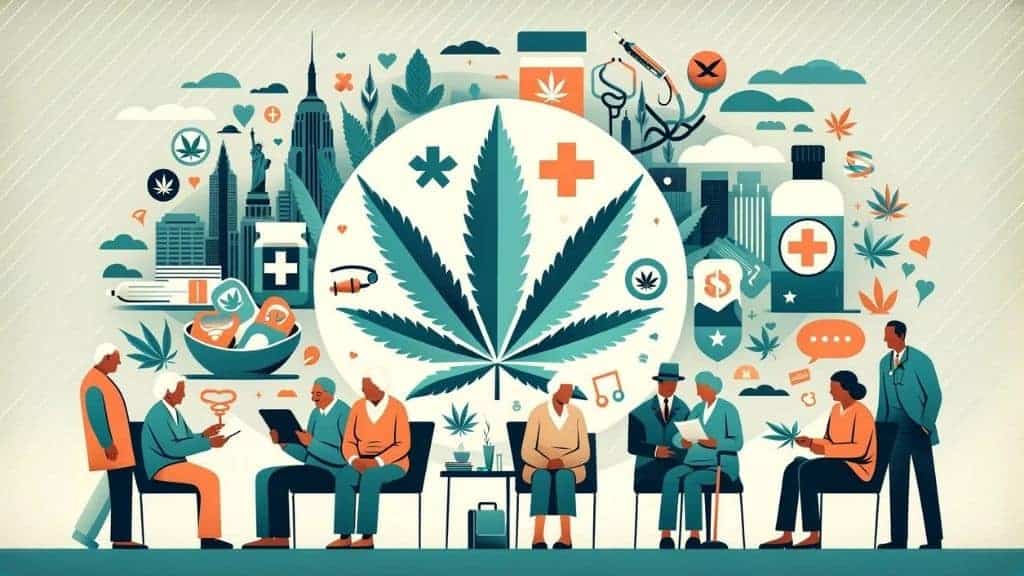
As the global population ages, there is increasing interest in alternative therapies to help manage the complex health conditions often associated with aging. Medical cannabis has emerged as a potential therapeutic option for seniors, offering a range of benefits for managing pain, inflammation, anxiety, sleep disorders, and more. This guide provides an in-depth look at the medical use of cannabis for seniors, detailing its benefits, the specific conditions it may help alleviate, and considerations for its use in older adults.
Understanding Medical Cannabis
Using Cannabis sativa plants, their constituents, or their derivatives for therapeutic purposes is known as medical cannabis. Out of all the cannabinoids found in the plant, the most well-known and researched are tetrahydrocannabinol (THC) and cannabidiol (CBD). While THC is known for its psychoactive properties, CBD is non-psychoactive and is often favored for medical use due to its wide range of therapeutic benefits. Medical cannabis can be formulated in various ratios of THC to CBD, depending on the desired medical effects and the patient’s needs.
Benefits of Medical Cannabis for Seniors
- Pain Management
Chronic pain is a common issue among seniors, often resulting from conditions such as arthritis, neuropathy, or post-surgical recovery. Traditional pain medications, like opioids, carry significant risks, including dependence, tolerance, and side effects. Medical cannabis has shown promise as an alternative for pain management, particularly for neuropathic pain, which is challenging to treat with conventional medications.
Endocannabinoid system (ECS) in the body is influenced by cannabis and helps control how much pain is felt. ECS receptors are occupied by cannabinoids such as THC and CBD, which modulate pain signals and reduce inflammation. Clinical studies have demonstrated that cannabis can help reduce pain and improve the quality of life for seniors suffering from various types of chronic pain. - Reducing Inflammation
Inflammation is a key factor in many age-related conditions, including arthritis, cardiovascular disease, and neurodegenerative disorders. Cannabinoids, particularly CBD, have been shown to possess potent anti-inflammatory properties. By interacting with the ECS and inhibiting pro-inflammatory cytokines, cannabis may help reduce inflammation and slow the progression of inflammatory diseases.
For seniors with arthritis, for example, cannabis may help alleviate joint pain and stiffness, improve mobility, and enhance overall comfort. In neurodegenerative diseases like Alzheimer’s, reducing inflammation may help protect brain cells and potentially slow disease progression. - Alleviating Anxiety and Depression
Anxiety and sadness are two common mental health conditions affecting older persons that can have a major negative influence on their quality of life. Traditional antidepressants and anxiolytics often come with a range of side effects, particularly in seniors, who may be more sensitive to medications.
Medical cannabis, particularly CBD, has demonstrated anxiolytic and antidepressant effects in several studies. CBD interacts with serotonin receptors in the brain, helping to regulate mood and reduce anxiety without the side effects commonly associated with traditional medications. For seniors who are resistant to or intolerant of conventional psychiatric medications, cannabis may offer a safer alternative for managing anxiety and depression. - Improving Sleep Quality
Insomnia and other sleep disorders are common in older adults and are often related to other health issues, such as chronic pain, anxiety, or medication side effects. Poor sleep quality can exacerbate other health problems, reduce cognitive function, and lower overall quality of life.
Medical cannabis has been shown to help improve sleep by reducing the time it takes to fall asleep, increasing deep sleep stages, and reducing nighttime awakenings. THC may promote drowsiness and help with sleep onset, while CBD has been found to regulate sleep-wake cycles, making cannabis an effective treatment for various sleep disorders in seniors. - Neuroprotective Effects
As the brain ages, it becomes more susceptible to neurodegenerative diseases like Alzheimer’s, Parkinson’s, and dementia. Research suggests that cannabinoids may have neuroprotective properties, helping to protect brain cells from damage and reduce neuroinflammation.
CBD, in particular, has been shown to promote neurogenesis (the growth of new neurons) and protect against oxidative stress, which is a major contributor to neurodegenerative diseases. While more research is needed, these properties make cannabis a potentially valuable tool in managing and slowing the progression of cognitive decline in seniors. - Enhancing Appetite and Preventing Weight Loss
Unintended weight loss and reduced appetite are common concerns among older adults, often resulting from medication side effects, illness, or psychological factors. THC has been shown to stimulate appetite, making it a potential treatment for conditions like cachexia (wasting syndrome) or anorexia in older adults.
By enhancing appetite, cannabis can help seniors maintain a healthy weight, improve their nutritional intake, and support overall health and vitality. This is particularly important for seniors with chronic illnesses, such as cancer or HIV/AIDS, where maintaining weight and muscle mass is crucial.
Conditions Medical Cannabis Can Help Manage in Seniors
- Arthritis and Joint Pain
Osteoarthritis and rheumatoid arthritis are prevalent among seniors, causing chronic pain, swelling, and reduced mobility. Medical cannabis, particularly CBD, has anti-inflammatory and analgesic properties that can help alleviate pain and reduce inflammation in affected joints. - Neuropathy
In older adults, peripheral neuropathy—a disorder marked by discomfort and damage to the nerves—is frequent, particularly in those who have diabetes or are receiving chemotherapy. Cannabis, particularly THC and CBD, has been found to be effective in managing neuropathic pain by reducing pain signals and providing relief from burning, tingling, or numbness. - Alzheimer’s Disease and Dementia
While no cure exists for Alzheimer’s or other forms of dementia, cannabis may help manage symptoms such as agitation, aggression, and anxiety. Additionally, the neuroprotective effects of cannabinoids may potentially slow the progression of cognitive decline, although more research is needed in this area. - Parkinson’s Disease
Seniors with Parkinson’s disease may experience tremors, muscle stiffness, and sleep disturbances. Some studies suggest that cannabis, particularly CBD, may help reduce tremors, improve motor control, and alleviate sleep disturbances in Parkinson’s patients. - Glaucoma
One of the main causes of blindness in the elderly is glaucoma, a disorder marked by elevated eye pressure. Cannabis has been shown to reduce intraocular pressure, potentially helping to manage glaucoma. However, its effects are short-lived, and continuous use may be required to maintain the desired pressure reduction. - Cancer-Related Symptoms
For seniors undergoing cancer treatment, medical cannabis can help manage various symptoms, including pain, nausea, vomiting, and loss of appetite. THC has been shown to reduce chemotherapy-induced nausea and vomiting, while both THC and CBD can help alleviate pain and improve appetite.
Considerations for Medical Cannabis Use in Seniors
- Start Low and Go Slow
Seniors are often more sensitive to medications, including cannabis, due to changes in metabolism, body composition, and the presence of multiple chronic conditions. In order to determine the ideal dosage of cannabis that relieves symptoms without having negative side effects, seniors are advised to begin with a modest dose and raise it gradually while under medical supervision. - Monitor for Potential Side Effects
Even while cannabis is usually well tolerated, especially in older persons, it might have adverse effects such dry mouth, disorientation, and cognitive impairments. The likelihood of confusion, dehydration, and falls can all be heightened by these side effects. Risks can be managed with the assistance of a healthcare expert and regular monitoring. - Consider Drug Interactions
Seniors often take multiple medications, which can interact with cannabis. For example, cannabis can affect the metabolism of certain medications, such as blood thinners, sedatives, or antiepileptic drugs, potentially leading to increased side effects or reduced efficacy. It is important for seniors to discuss their cannabis use with their healthcare provider to avoid adverse drug interactions. - Choose the Right Cannabinoid Profile
Depending on the condition being treated, different ratios of THC to CBD may be more appropriate. For example, a higher CBD-to-THC ratio may be preferable for managing anxiety or inflammation, while a balanced THC-CBD ratio may be more effective for pain relief. Consulting with a knowledgeable healthcare provider can help seniors choose the right product for their needs. - Legal Considerations
Every region has a different legal status for medical marijuana, so seniors should be informed of any applicable laws. In some areas, medical cannabis may require a prescription or medical card, and not all formulations may be legally available. - Choose the Right Formulation
Medical cannabis is available in various formulations, such as oils, tinctures, capsules, and topicals. Each has its own onset time, duration of effect, and suitability for different conditions. Seniors should work with their healthcare provider to choose the most appropriate formulation for their needs and lifestyle. - Regular Medical Supervision
Due to the complex health conditions that seniors often face, regular medical supervision is crucial when using medical cannabis. Regular check-ups can help assess the effectiveness of treatment, monitor for side effects, and adjust dosing as needed to ensure optimal outcomes.
Research and Future Directions
While there is growing evidence supporting the use of medical cannabis for seniors, more research is needed to fully understand its long-term effects, optimal dosing, and interactions with other medications commonly used in older adults. Future studies should focus on clinical trials involving seniors, particularly those with multiple chronic conditions, to better guide healthcare providers in recommending cannabis as a safe and effective treatment option.
Restrictions on Using Medical Cannabis as a Last Resort
- Clinical Guidelines and Protocols
In many countries and jurisdictions, medical cannabis is considered a treatment of last resort. This means that healthcare providers may only recommend cannabis when conventional treatments have been exhausted and have failed to provide adequate relief. Clinical guidelines often require that other approved medications or therapies be tried first, and the patient’s medical history must demonstrate this progression.
For seniors, this often includes a range of pharmaceuticals for pain, anxiety, or other conditions. Medical cannabis is typically only recommended when these medications are either ineffective, cause intolerable side effects, or are contraindicated due to interactions with other medications or health conditions. - Prescription and Authorization Requirements
Medical cannabis cannot be prescribed or authorized in many regions without a formal assessment by a qualified healthcare professional. This often involves a detailed evaluation of the patient’s medical history, current health status, and a documented rationale for why cannabis is considered necessary.
In some jurisdictions, this authorization can only be provided by specialists or practitioners who have received specific training in cannabis use. For seniors, the prescriber must assess the patient’s overall health, potential benefits versus risks, and any contraindications that may make cannabis use inappropriate. - Strict Monitoring and Follow-Up
When cannabis is used as a last resort, there is typically a requirement for strict monitoring and follow-up. Healthcare providers must closely observe the patient’s response to the treatment, manage any side effects, and adjust the dosage or formulation as needed. Regular follow-up appointments and communication are essential to ensure the safety and efficacy of cannabis therapy in seniors.
Monitoring may also involve assessing cognitive function, mobility, and mental health status, particularly since seniors may be more susceptible to adverse effects. Regular check-ins help ensure that cannabis remains a safe and beneficial part of the patient’s treatment plan. - Age-Specific Restrictions
Some countries or regions may have age-specific restrictions on cannabis use. Given the unique health challenges faced by seniors, some guidelines may specifically address the risks and benefits for older adults. In certain places, there may be additional hurdles, such as requiring multiple medical opinions or further evidence of necessity before cannabis can be prescribed to seniors. - Legal and Regulatory Restrictions
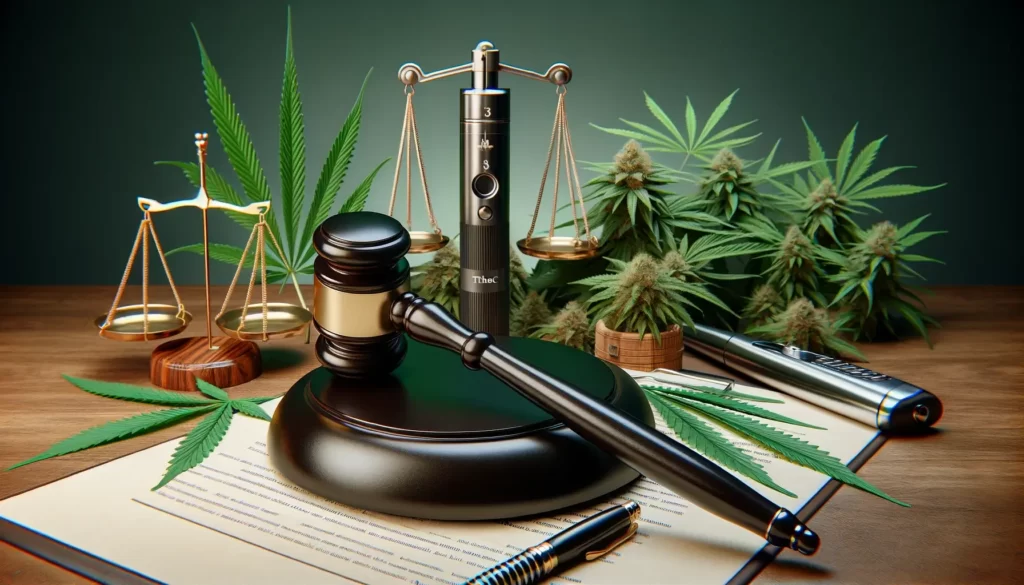
The legal status of medical cannabis varies widely, and restrictions may depend on regional or national laws. In some areas, cannabis remains a controlled substance, even for medical use, and may only be obtained through licensed providers or pharmacies. Seniors must adhere to these regulations, and their healthcare providers must ensure that any recommendation for cannabis complies with all legal requirements.
Additionally, restrictions may be in place concerning the amount, potency, and type of cannabis products that can be prescribed. For instance, some areas may restrict products with higher THC concentrations or mandate the use of products with low or no THC to minimize psychoactive effects.
Monitoring THC Levels in Medications to Prevent Psychoactive Effects
- Balancing THC and CBD Ratios
To prevent psychoactive effects in seniors, healthcare providers often focus on formulations with low THC levels or a balanced THC-to-CBD ratio. CBD can counteract some of the psychoactive effects of THC, making it a preferable option for seniors who may be more sensitive to these effects.
Products with a higher CBD-to-THC ratio are often recommended for seniors, especially when managing conditions like pain, anxiety, or inflammation. This balance ensures that patients receive the therapeutic benefits of both cannabinoids without experiencing significant psychoactive effects. - Regular Laboratory Testing and Quality Control
To ensure that THC levels remain within a safe range, medical cannabis products are often subject to stringent laboratory testing and quality control standards. Reputable suppliers and manufacturers are required to provide detailed cannabinoid profiles of their products, including precise THC and CBD concentrations.
For seniors, this information is critical in selecting the appropriate product and dosage. Medical providers rely on these lab results to prescribe cannabis products that minimize the risk of psychoactive effects, ensuring that THC levels are within acceptable limits for safe use in older adults. - Adjusting Dosage and Titration
Monitoring THC levels also involves careful dosage adjustments and titration. Seniors are often started on the lowest possible dose, which is gradually increased under medical supervision until the desired therapeutic effect is achieved without causing adverse effects. This process helps minimize the risk of unwanted psychoactive experiences, which can be particularly concerning in older adults who may already face cognitive or mobility challenges.
Titration allows for fine-tuning the dosage to the individual needs of the patient, ensuring that THC levels are kept as low as possible while still providing effective symptom relief. - Regular Cognitive and Physical Assessments
Seniors using medical cannabis, especially those with THC content, should undergo regular cognitive and physical assessments to monitor for any signs of psychoactive effects or other adverse reactions. Cognitive tests can help detect any subtle changes in memory, attention, or processing speed that may indicate sensitivity to THC.
Physical assessments, such as checking for balance, gait, or signs of dizziness, are also important. These evaluations help healthcare providers decide whether the current THC level is appropriate or if adjustments are needed to maintain patient safety. - Education and Counseling
Educating seniors and their caregivers about the potential effects of THC, even at low levels, is a crucial part of monitoring and managing its use. Counseling should cover recognizing the early signs of psychoactive effects, such as confusion, dizziness, or anxiety, and understanding how to respond if these occur.
Providing this education helps empower patients and caregivers to play an active role in monitoring and managing the use of medical cannabis, ensuring that any potential issues are identified and addressed promptly. - Use of THC-Free or Low-THC Products
In many cases, THC-free or low-THC products may be preferred for seniors, particularly those at higher risk for cognitive impairment or other complications from THC. Products that contain only CBD, or very low levels of THC, can still offer therapeutic benefits without the psychoactive effects that can be detrimental to seniors.
Healthcare providers may opt for these products to ensure that seniors receive the potential benefits of cannabis, such as pain relief or reduced inflammation, without the risk of experiencing cognitive side effects or psychoactive symptoms.
Conclusion
Medical cannabis presents a valuable option for seniors seeking alternatives to traditional treatments for various health conditions, such as chronic pain, inflammation, anxiety, and sleep disorders. Its potential benefits, including pain relief, reduced inflammation, enhanced appetite, and neuroprotective effects, make it a promising therapeutic tool in managing age-related ailments. However, due to the unique health challenges faced by older adults, the use of medical cannabis must be approached with careful consideration, starting with low doses and ensuring regular medical supervision to avoid potential side effects and interactions with other medications.
When used as a last resort, medical cannabis is subject to strict regulations and guidelines to ensure it is both safe and effective. Monitoring THC levels is crucial to prevent psychoactive effects, particularly in seniors who may be more susceptible to these effects. By focusing on balanced THC-to-CBD ratios, employing regular cognitive and physical assessments, and educating patients and caregivers, healthcare providers can help maximize the therapeutic benefits of cannabis while minimizing risks.
As research continues to expand, medical cannabis is likely to become an increasingly important component of healthcare for seniors. With proper medical oversight and adherence to legal and clinical guidelines, cannabis can be a safe and effective treatment option that enhances the quality of life for older adults. This growing understanding will help integrate cannabis into the broader medical landscape, providing seniors with a viable alternative to traditional therapies while maintaining their safety and well-being.
