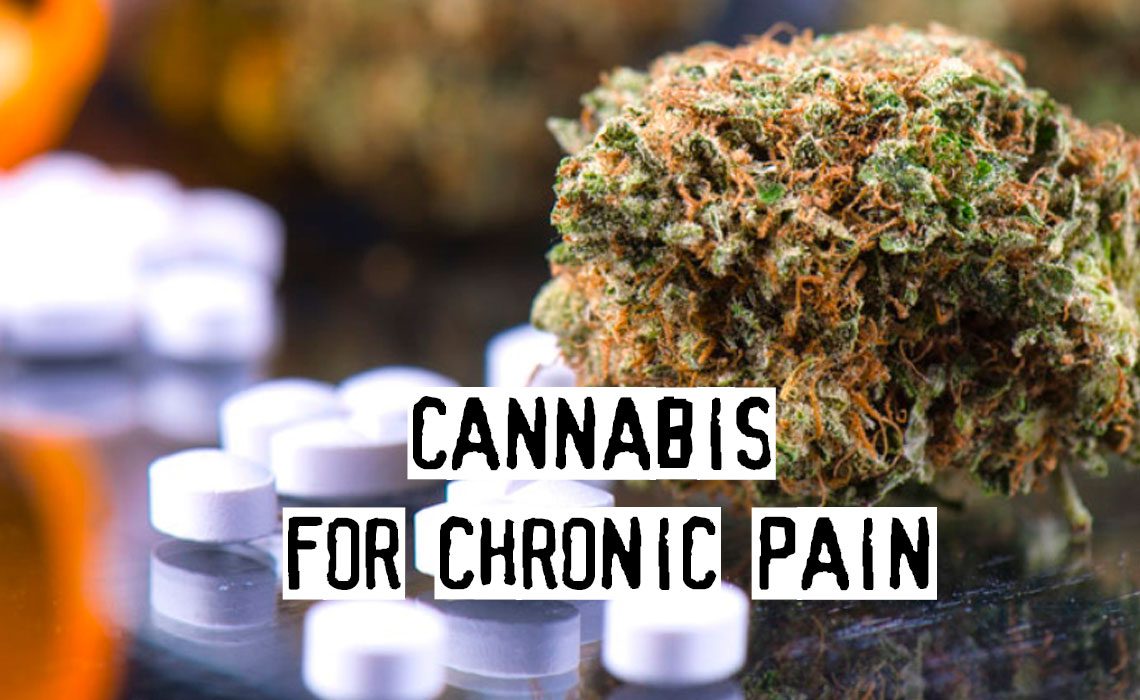
Medical Cannabis and Chronic Pain: A Comprehensive Overview
Introduction to Chronic Pain and Its Impact
A common health problem that affects millions of people globally is chronic pain. It is characterized as pain that does not go away after 12 weeks of treatment, regardless of whether the original injury or underlying cause was addressed. Numerous illnesses, including cancer, fibromyalgia, neuropathy, arthritis, and other long-term health problems, can cause chronic pain. This type of pain is not just a physical sensation but also has profound effects on a person’s emotional and mental well-being, significantly impacting their quality of life.
Medications such as nonsteroidal anti-inflammatory medicines (NSAIDs), opioids, antidepressants, and anticonvulsants are frequently used in the conventional management of chronic pain. However, there is a chance of dependency and serious side effects from these treatments, especially when it comes to opioids. Consequently, medical cannabis has become a viable substitute for standard pharmaceuticals in the treatment of pain, offering possible alleviation while reducing side effects.
Understanding Medical Cannabis

Using cannabis plants or their extracts to alleviate the symptoms of a variety of illnesses, including chronic pain, is known as medical cannabis. Among the more than 100 active ingredients found in cannabis, tetrahydrocannabinol (THC) and cannabidiol (CBD) are the most well-known cannabinoids. These substances interact with the body’s intricate network of receptors, enzymes, and endocannabinoids, known as the endocannabinoid system (ECS), which is essential for controlling bodily functions like mood, appetite, pain, and immunological response.
- Tetrahydrocannabinol (THC): THC is the primary psychoactive compound in cannabis that induces the “high” associated with its recreational use. However, in medical contexts, THC also has potent analgesic (pain-relieving) and anti-inflammatory properties. It primarily binds to CB1 receptors, which are abundant in the central nervous system, modulating pain signals.
- Cannabidiol (CBD): CBD is a non-psychoactive compound that does not produce a “high.” It is known for its anti-inflammatory, analgesic, and anxiolytic (anxiety-reducing) effects. CBD primarily interacts with CB2 receptors found in peripheral tissues and the immune system, contributing to its ability to modulate pain and inflammation without causing psychoactive effects.
Mechanisms of Action: How Cannabis Alleviates Chronic Pain
The way that medicinal cannabis interacts with the endocannabinoid system (ECS) accounts for its efficacy in treating chronic pain. The regulation of pain and inflammation is one of the many functions of the ECS in preserving homeostasis.
- Endocannabinoid System (ECS) Modulation:
- The ECS consists of CB1 and CB2 receptors, endocannabinoids (anandamide and 2-arachidonoylglycerol), and enzymes that synthesize and degrade these endocannabinoids. THC and CBD mimic the action of endocannabinoids, binding to or influencing these receptors to regulate pain and inflammation.
- THC’s Interaction with CB1 Receptors: THC binds to CB1 receptors located in the brain and spinal cord, reducing pain perception by modulating neurotransmitter release. This interaction disrupts the transmission of pain signals, providing analgesic effects.
- CBD’s Interaction with CB2 Receptors: CBD indirectly affects CB2 receptors found in immune cells and peripheral tissues. By modulating immune response and reducing inflammatory processes, CBD helps manage pain without the psychoactive effects associated with THC.
- Anti-Inflammatory Effects:
- Chronic pain is often accompanied by inflammation, as seen in conditions like arthritis or autoimmune disorders. Both THC and CBD exhibit anti-inflammatory properties by inhibiting the production of pro-inflammatory cytokines and promoting the release of anti-inflammatory molecules.
- Inhibition of COX Enzymes: Like nonsteroidal anti-inflammatory drugs (NSAIDs), cannabis block the cyclooxygenase (COX) enzymes, especially COX-2, which is linked to inflammation. This inhibition contributes to the reduction of pain and swelling.
- Neuroprotective Properties:
- Chronic pain conditions, such as neuropathy, involve nerve damage or dysfunction. Cannabinoids have shown neuroprotective properties by preventing oxidative stress and reducing neuronal inflammation, which can help alleviate pain in these conditions.
Medical Evidence Supporting Cannabis for Chronic Pain
Numerous studies and clinical trials have investigated the efficacy of medical cannabis for chronic pain management. The evidence suggests that cannabis, particularly strains high in THC and/or CBD, can provide significant pain relief for various chronic pain conditions.
- Arthritis and Inflammatory Pain:
- Numerous research studies have demonstrated the potential of cannabis to mitigate pain and inflammation linked to osteoarthritis and rheumatoid arthritis. For example, a review in the European Journal of Internal Medicine (2018) concluded that medical cannabis, particularly CBD-rich formulations, could reduce joint pain and improve sleep quality in arthritis patients.
- Fibromyalgia:
- Fibromyalgia is characterized by widespread musculoskeletal pain, fatigue, and cognitive disturbances. A study published in Pain Research and Treatment (2018) found that medical cannabis users reported a 30% reduction in pain and improved sleep quality compared to non-users. Similarly, a 2019 study in Clinical and Experimental Rheumatology reported that cannabis-based medicines improved symptoms and quality of life for fibromyalgia patients.
- Cancer-Related Pain:
- Cancer pain can be complex, involving nociceptive, neuropathic, and inflammatory components. A systematic review in the Journal of Clinical Oncology (2020) indicated that cannabis, particularly THC-rich extracts, could reduce cancer-related pain in patients who did not respond adequately to opioids. Moreover, a study published in The Lancet Oncology (2018) showed that cannabis-based medicines improved pain relief and reduced the need for higher opioid doses in cancer patients.
- Migraine and Headache Disorders:
- Evidence also suggests that medical cannabis may be beneficial in managing migraines and other headache disorders. According to research published in the Journal of Pain Research in 2020, cannabis use was linked to a significant decrease in the frequency and severity of migraine attacks. Cannabinoids appear to affect the serotonin system and reduce neurogenic inflammation, contributing to their efficacy in migraine management.
Benefits of Medical Cannabis in Chronic Pain Management
- Reduced Reliance on Opioids:
- One of the most significant benefits of using medical cannabis for chronic pain is its potential to reduce opioid use. Several studies have shown that patients who use cannabis for pain management report decreased opioid consumption, thereby reducing the risk of opioid dependence, overdose, and associated side effects.
- Lower Risk of Side Effects:
- Compared to traditional pain medications like opioids and NSAIDs, cannabis has a relatively favorable safety profile. The most common side effects of cannabis include mild symptoms such as dry mouth, dizziness, or drowsiness, which are typically well-tolerated by patients.
- Improved Quality of Life:
- Patients using medical cannabis for chronic pain often report not only pain relief but also improvements in sleep quality, mood, and overall quality of life. By addressing both physical and psychological aspects of pain, cannabis provides a more holistic approach to pain management.
- Customized Treatment Options:
- Medical cannabis offers a range of strains and formulations (e.g., THC-dominant, CBD-dominant, balanced THC
ratios) that can be tailored to an individual’s specific needs and pain profile. This flexibility allows healthcare providers to develop personalized treatment plans that optimize therapeutic outcomes.
- Medical cannabis offers a range of strains and formulations (e.g., THC-dominant, CBD-dominant, balanced THC
Limitations and Challenges in Using Medical Cannabis for Chronic Pain
- Variability in Response:
- The response to medical cannabis can vary significantly between individuals, depending on factors such as genetic makeup, tolerance, and the specific condition being treated. This variability poses a challenge in standardizing treatment protocols and determining optimal dosages.
- Lack of Standardization:
- Unlike conventional pharmaceuticals, cannabis products are not always standardized in terms of potency, composition, or purity. This lack of consistency can lead to variable effects and difficulty in dosing. While some jurisdictions have implemented regulations to ensure quality control, many products still lack rigorous testing.
- Legal and Regulatory Barriers:
- States and nations have quite varying legal statuses for cannabis. In some places, cannabis remains illegal or is only approved for specific conditions, which can limit access for patients who may benefit from its use. Furthermore, the stigma associated with cannabis use can deter both patients and healthcare providers from considering it as a treatment option.
- Limited Long-Term Data:
- While there is growing evidence supporting the use of medical cannabis for chronic pain, long-term data on its safety and efficacy are still limited. To completely understand the long-term effects of cannabis usage, especially in vulnerable populations like the elderly or those with multiple comorbidities, more comprehensive and well-designed clinical trials are required.
Best Practices for Medical Cannabis Use in Chronic Pain Management
- Individualized Treatment Plans:
- Medical cannabis should be considered as part of a comprehensive pain management plan tailored to the individual patient’s needs, preferences, and medical history. Collaboration between healthcare providers, patients, and cannabis specialists can ensure a safe and effective approach to treatment.
- Start Low, Go Slow:
- A popular maxim in medicinal cannabis treatment is “start low and go slow.” This reduces the possibility of side effects by starting with a low dose and gradually raising it until the intended therapeutic effect is obtained.
- Monitor for Adverse Effects:
- Safe cannabis use requires routinely checking for possible side effects and modifying the treatment plan as necessary. This includes monitoring for any cognitive or psychological changes, as well as any drug interactions, especially for patients taking other medications.
- Patient Education:
- Educating patients about the benefits, risks, and appropriate use of medical cannabis is crucial for successful treatment. This includes discussions about possible side effects, interactions with other medications, and the importance of adhering to prescribed dosages.
Future Directions in Medical Cannabis Research for Chronic Pain
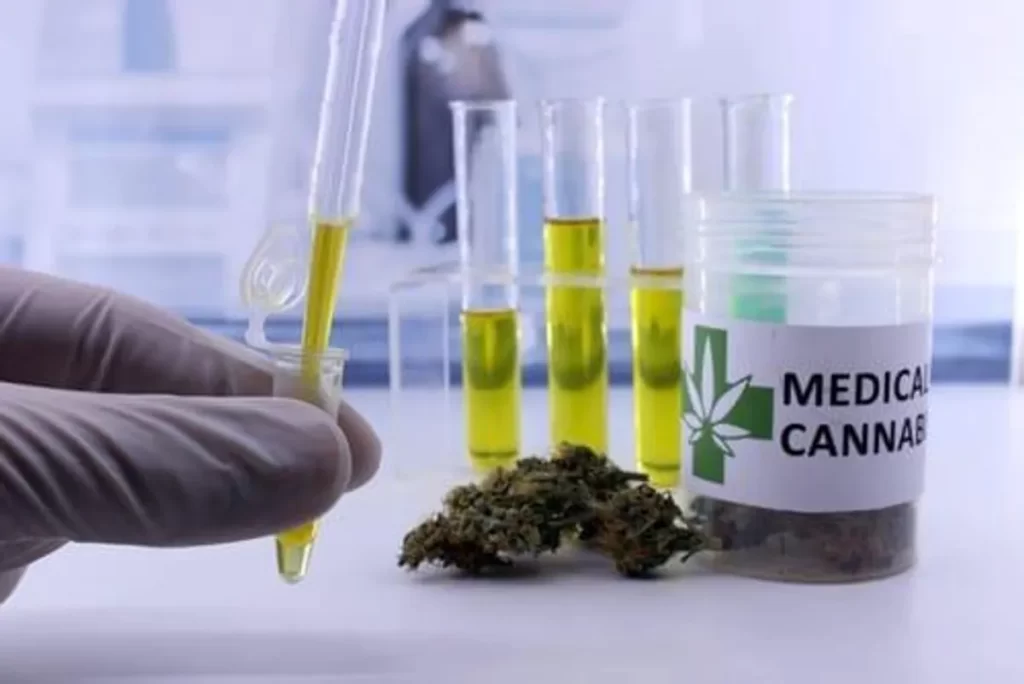
The future of medical cannabis in chronic pain management is promising, with ongoing research focused on understanding its mechanisms of action, optimizing treatment regimens, and expanding its applications across various pain conditions. Key areas for future investigation include:
- Comparative Effectiveness Studies:
- More studies comparing the efficacy of cannabis with traditional pain medications will help define its role in clinical practice, especially concerning long-term safety and quality of life outcomes.
- Personalized Medicine Approaches:
- Research into genetic and biomarker profiles may enable more personalized cannabis therapy, predicting which patients are most likely to benefit from cannabis treatment and minimizing trial-and-error approaches.
- Development of Novel Cannabinoid Formulations:
- Advances in formulation technology may lead to more targeted delivery systems, such as transdermal patches, inhalers, or oral sprays, that can maximize therapeutic effects while minimizing side effects.
- Integration with Multimodal Pain Management:
- Future studies should explore how cannabis can be integrated into multimodal pain management strategies, combining pharmacologic and non-pharmacologic approaches to achieve optimal outcomes for patients with chronic pain.
Restrictions on Using Cannabis in the Medical Field as a Last Resort and Monitoring THC Levels to Prevent Psychoactive Effects

Legal and Regulatory Frameworks for Medical Cannabis Use
- Medical Cannabis as a Last Resort:
- In many countries and states where medical cannabis is legal, its use is often restricted to a “last resort” status. This means that cannabis can only be prescribed after other conventional treatments have failed to provide adequate relief or are deemed unsuitable due to side effects, allergies, or contraindications.
- For example, in several European countries, including the United Kingdom and Germany, medical cannabis is authorized primarily for specific conditions such as multiple sclerosis, chemotherapy-induced nausea, and chronic pain, but only after conventional therapies have proven ineffective. Similar regulations apply in parts of the United States, Canada, and Australia, where physicians must document that other treatments were attempted and failed before prescribing cannabis.
- Prescribing Guidelines:
- Healthcare providers are often required to follow strict guidelines when prescribing medical cannabis. These guidelines typically include:
- Comprehensive patient assessments to determine the appropriateness of cannabis use.
- Clear documentation showing that conventional therapies were inadequate.
- A stepwise approach where low-THC formulations are preferred initially, with a gradual escalation only if necessary.
- Additionally, some jurisdictions require a second opinion or consultation with a specialist before cannabis can be prescribed, particularly for conditions where evidence of efficacy is still emerging.
- Healthcare providers are often required to follow strict guidelines when prescribing medical cannabis. These guidelines typically include:
- Patient Consent and Education:
- Patients must provide informed consent, acknowledging that they understand the potential benefits, risks, and side effects of medical cannabis. This consent often includes understanding the “last resort” nature of the treatment and the reasons why other therapies were not suitable.
- Educating patients about the specific restrictions and regulations surrounding cannabis use, including legal implications, is also essential. In some countries, medical cannabis users must carry proof of their prescription to avoid legal issues.
Monitoring THC Levels in Medications to Prevent Psychoactive Effects
- THC Content Regulations:
- To minimize psychoactive effects, many jurisdictions impose strict regulations on the THC content in medical cannabis products. These regulations can vary significantly:
- Low-THC, High-CBD Products: In some countries, medical cannabis products must contain minimal THC levels (usually less than 0.2-0.3%) while being high in CBD. This ratio aims to provide therapeutic benefits without inducing psychoactive effects. For example, in countries like the UK and Switzerland, products with higher CBD and low THC content are more readily approved for medical use.
- THC Caps in Prescription Formulations: In places where THC-rich cannabis is allowed for medical use, there are often caps on the maximum allowable THC concentration. In the U.S., some states set limits on the THC content for specific conditions or age groups to prevent psychoactive effects, particularly in vulnerable populations such as children or the elderly.
- To minimize psychoactive effects, many jurisdictions impose strict regulations on the THC content in medical cannabis products. These regulations can vary significantly:
- Laboratory Testing and Quality Control:
- Regular laboratory testing is mandated to ensure that medical cannabis products meet specified THC content guidelines. Licensed producers must provide certificates of analysis (CoAs) that detail the exact cannabinoid content, including THC and CBD levels, and confirm the absence of contaminants like pesticides, heavy metals, or mold.
- These tests are crucial for patient safety and to maintain consistency in dosing, ensuring that patients receive predictable and non-psychoactive effects from their medications.
- Standardized Dosing and Titration:
- Healthcare providers must follow standardized dosing protocols, which typically start with the lowest effective dose and gradually titrate upwards based on patient response. The aim is to achieve the desired therapeutic effect without crossing the threshold that could lead to psychoactive symptoms.
- This titration approach is particularly important in conditions where THC may be necessary for therapeutic benefits, such as neuropathic pain or certain types of spasticity. By closely monitoring patient responses and adjusting doses accordingly, physicians can manage THC levels effectively to prevent unwanted psychoactive effects.
Ensuring Safe Use of Cannabis-Based Medications
- Ongoing Patient Monitoring:
- Continuous monitoring of patients using medical cannabis is essential to ensure that THC levels remain within safe limits. This monitoring can include regular follow-up visits, assessments of cognitive and psychological function, and tracking any side effects or changes in the patient’s condition.
- For patients on THC-containing products, periodic blood tests or saliva screenings may be used to measure THC levels, particularly if there are concerns about potential psychoactive effects or if the patient reports symptoms like dizziness, confusion, or euphoria.
- Education and Training for Healthcare Providers:
- Healthcare providers prescribing medical cannabis must be well-educated about the pharmacokinetics and pharmacodynamics of cannabinoids, including how THC levels can impact different patient populations. This education should emphasize the importance of starting with low-THC formulations, gradual titration, and careful monitoring to balance therapeutic benefits with safety.
- Training programs and continuing education courses on medical cannabis are becoming more common in countries with established medical cannabis programs, ensuring that providers are equipped with the latest knowledge and best practices.
- Patient and Caregiver Education:
- Educating patients and caregivers on how to use medical cannabis safely is crucial. This education includes instructions on the proper dosing, storage, and disposal of cannabis products, as well as understanding potential interactions with other medications.
- Patients should be made aware of signs of excessive THC exposure, such as anxiety, hallucinations, or disorientation, and advised to seek medical attention if these symptoms occur. Additionally, caregivers should be trained on recognizing these symptoms, especially in vulnerable populations like children or the elderly.
Conclusion
Medical cannabis represents a promising alternative or adjunctive therapy for managing chronic pain, particularly for patients who have not achieved adequate relief with conventional treatments or who wish to reduce their reliance on opioids. While more research is needed to fully understand its long-term effects and to standardize treatment protocols, current evidence supports its efficacy and safety in various chronic pain conditions. As acceptance and legal access to medical cannabis continue to expand, healthcare providers must stay informed about the latest research and best practices to offer patients a comprehensive, individualized approach to pain management.
By focusing on medical applications and emphasizing patient safety, medical cannabis can become an integral part of a holistic pain management strategy, improving outcomes for those suffering from chronic pain conditions.
