Table of Contents
Medibud is a sativa-dominant hybrid developed with a strong emphasis on therapeutic efficacy. While its exact genetic lineage has been somewhat obscure in public records, it is widely believed to be a cross between a potent sativa landrace (possibly South Asian or Mexican) and a high-yielding indica variety. The intent behind its creation was to deliver a strain that offered uplifting, cerebral effects without excessive sedation, making it suitable for day use among medical patients.
Key Characteristics:
- Type: Sativa-dominant hybrid
- Ratio: Approximately 70% sativa / 30% indica
- THC Content: Typically ranges from 15–20%
- CBD Content: Low to moderate (0.2%–1.2%)
- Flowering Time: 8–10 weeks
- Yield: Moderate to high
- Preferred Growing Conditions: Indoor or greenhouse, but adapts well to outdoor climates with low humidity
Morphology and Cultivation Traits
Medibud is a sativa-dominant hybrid, meaning it typically displays:
- Tall, lanky vertical growth
- Longer internodal spacing
- Narrow-fingered leaves
- A longer flowering time (8–10 weeks)
- Moderate bud density with high resin production
These features directly inform how it should be cultivated—particularly in terms of space management, training, and light requirements.
Environmental Conditions: Indoor vs Outdoor
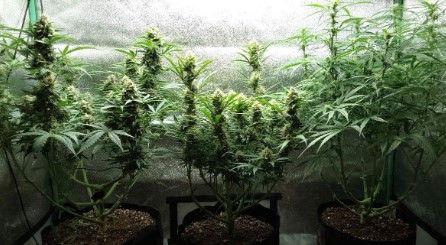
Indoor Cultivation (Preferred)
Advantages:
- Full control over light, temperature, humidity
- Better for maintaining consistency and quality (especially medicinal-grade)
Environmental Parameters:
| Factor | Veg Stage | Flowering Stage |
|---|---|---|
| Temperature (Day) | 22–26°C (72–79°F) | 20–24°C (68–75°F) |
| Temperature (Night) | 18–20°C (64–68°F) | 17–19°C (62–66°F) |
| Relative Humidity | 60–70% | 40–50% |
| CO₂ Enrichment | Optional (1200–1500 ppm) during lights-on for faster growth | |
| Light Intensity (PPFD) | 300–600 μmol/m²/s (veg) | 600–1000 μmol/m²/s (flower) |
Outdoor Cultivation
- Best in Mediterranean or semi-arid climates with plenty of sunshine
- Requires wind protection due to tall stature
- Harvest: Late September to mid-October
Growth Medium: Soil vs Soilless vs Hydroponics
A. Soil-Based Cultivation
- Ideal for terpene development due to microbial complexity
- Preferred for organic grows where flavor, aroma, and therapeutic terpenes are prioritized
- Use loamy soil rich in:
- Organic matter (humus)
- Perlite for drainage
- Mycorrhizal fungi to promote root health
pH Range: 6.0–6.5
Nutrient Strategy:
- Veg: High nitrogen (N), moderate phosphorus (P), potassium (K)
- Flower: Lower nitrogen, higher phosphorus and potassium
B. Soilless (Coco Coir/Perlite)
- Faster growth than soil due to better root oxygenation
- Still allows for organic or synthetic nutrients
- pH Range: 5.8–6.2
C. Hydroponics (DWC, NFT, Ebb & Flow)
- Maximum yield potential
- Faster vegetative growth and tighter nutrient control
- Requires:
- Continuous pH (5.5–6.0) and EC monitoring
- Clean, sterile system maintenance
- Oxygen-rich root zone (especially in DWC)
Nutrient and Feeding Schedule
Vegetative Phase (Weeks 1–5):
- NPK Ratio: ~3:1:2
- Additives: Humic/fulvic acids, silica for stem strength
- Optional: CO₂ enrichment for enhanced growth
Transition (Stretch Phase, Weeks 6–7):
- Gradual tapering of nitrogen
- Introduce bloom boosters (P & K), magnesium, and calcium
Flowering Phase (Weeks 8–16):
- NPK Ratio: ~1:3:3
- Additives:
- Molasses (if organic) to feed beneficial microbes
- PK boosters (e.g., monopotassium phosphate)
- Amino acids to enhance terpenoid biosynthesis
Flushing (Final 1–2 weeks):
- Use pH-balanced water or mild flushing agents
- Purpose: Remove residual salts for clean taste and smooth burn
Light Schedules and Spectrum
Vegetative Growth:
- 18/6 light/dark cycle
- Use full-spectrum white LED or MH bulbs (4000–6500K)
- Blue light enhances compact node spacing and chlorophyll production
Flowering:
- 12/12 light/dark cycle
- Use high-intensity full-spectrum LED or HPS (2700–3500K)
- Red and far-red spectrum stimulates flower production and secondary metabolites
Training and Canopy Management
Techniques for Maximizing Yield and Quality:
- Topping: Cut the main stem after the 4th–6th node to encourage lateral branching
- LST (Low-Stress Training): Tie down branches to expose bud sites evenly to light
- ScrOG (Screen of Green): Train branches through a horizontal screen to maintain uniform canopy height
- Defoliation: Strategically remove fan leaves to increase airflow and light penetration
- Supercropping: Gently crush stem tissue to strengthen vascular response and control height
Why these work well for Medibud:
- Its natural sativa height needs control indoors
- Maximizes lateral bud sites and even canopy exposure
- Reduces risk of powdery mildew by improving airflow
Flowering and Harvest Timing
Flowering Duration: 8–10 weeks (56–70 days), depending on phenotype and grow conditions
Signs of Maturity:
- Trichome color: From clear → milky → amber
- For uplifting effects: Harvest when most trichomes are milky
- For heavier body effects: Include ~10–15% amber trichomes
- Pistils: 70–90% browned and curled in
Harvest Timing Tips:
- Harvesting earlier preserves limonene and pinene (more energetic, uplifting effects)
- Later harvests may increase myrcene levels (more sedating, analgesic)
Post-Harvest: Drying and Curing
Drying:
- Temperature: 18–21°C (65–70°F)
- Humidity: 50–60%
- Duration: 7–14 days
- Hang in dark room with good airflow
Curing:
- Use glass jars with humidity packs (62% ideal)
- Open (burp) daily for first 1–2 weeks
- Cure for 4–8 weeks minimum
Scientific rationale:
- Proper curing stabilizes chlorophyll degradation
- Promotes continued terpene and cannabinoid development
- Reduces harshness, improves taste and medical efficacy
Pest and Disease Management
Common Threats:
| Problem | Prevention | Treatment |
|---|---|---|
| Spider Mites | Maintain RH > 50%, use neem oil in veg | Insecticidal soap, predatory mites |
| Powdery Mildew | Good airflow, low RH in flower | Potassium bicarbonate sprays, sulfur burners (in veg) |
| Fungus Gnats | Avoid overwatering, sticky traps | Bacillus thuringiensis israelensis (BTI), neem |
| Root Rot (Pythium) | Avoid waterlogging, use microbial inoculants | H₂O₂ flush (hydro), replace infected medium |
Biological IPM (Integrated Pest Management):
- Use beneficial microbes (Trichoderma, Bacillus subtilis)
- Companion plants like basil or marigold can deter pests
- Mycorrhizal fungi improve root resistance to pathogens
Medibud’s parentage is partially undisclosed, but stable seed lines can be developed through:
- Phenotype hunting (selecting desired traits over multiple generations)
- Backcrossing (BX) with a parent to stabilize traits
- Marker-assisted selection (MAS) using DNA analysis to identify cannabinoid/terpene expression loci
Traits to prioritize in breeding:
- Resistance to mold (for humid climates)
- Shorter flowering time
- Higher limonene or pinene expression (for targeted effects)
- Increased THC/CBD ratio for specific therapeutic goals
Yield Expectations
| Environment | Yield per Plant | Yield per m² |
|---|---|---|
| Indoor (LED, 600W+) | 400–600 g/m² | Up to 150g/plant |
| Outdoor (full sun) | 450–700g/plant | Variable depending on region |
Training, pruning, and optimal nutrient/pH control significantly boost yield potential in controlled settings.
Sustainability and Organic Cultivation
- Use compost teas, vermicompost, and top dressing for organic nutrients
- Employ living soil beds for natural symbiotic root ecosystems
- Recycle waste via bokashi or biochar methods
- LED lighting for energy-efficient, low-heat growth
- Reuse runoff through closed-loop systems (with filtration)
Organic and regenerative cultivation methods not only improve terpene and cannabinoid complexity but align well with medicinal-grade production and environmentally conscious farming.
Cannabinoid Profile and Pharmacodynamics
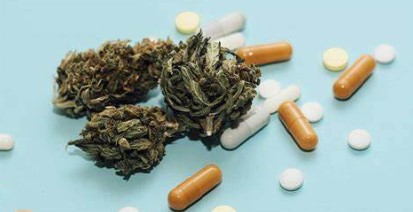
Medibud’s effects are shaped by its cannabinoid and terpene profile. Its THC levels are moderately high, providing notable psychoactivity, but generally without inducing paranoia or anxiety often associated with potent sativas. CBD levels are typically below therapeutic threshold but contribute modestly to anti-inflammatory effects via entourage interactions.
Primary Cannabinoids:
| Cannabinoid | Typical Concentration | Role |
|---|---|---|
| THC | 15–20% | Euphoria, appetite stimulation, analgesia |
| CBD | 0.2–1.2% | Anxiolytic, anti-inflammatory (modulating THC) |
| CBG | 0.1–0.4% | Neuroprotective, digestive support |
| CBC | <0.1% | Anti-inflammatory, analgesic |
Pharmacodynamics:
- THC binds to CB1 receptors in the brain, promoting dopamine release and altering neurotransmission, leading to its mood-lifting and sensory-enhancing effects.
- CBD is a negative allosteric modulator of CB1, tempering THC’s psychoactivity.
- CBG, a precursor to both THC and CBD, plays a role in balancing mood and supporting gastrointestinal health.
Terpene Profile and Sensory Experience
Terpenes significantly shape both the therapeutic and recreational experience of Medibud. This strain is particularly rich in myrcene, pinene, and limonene, which collectively support its uplifting, anti-inflammatory, and bronchodilatory properties.
Key Terpenes in Medibud:
| Terpene | Effects | Aroma | Concentration (typical %) |
|---|---|---|---|
| Myrcene | Sedative, analgesic, anti-inflammatory | Earthy, musky | 0.4–1.2% |
| Pinene | Bronchodilator, alertness, memory retention | Pine | 0.3–0.8% |
| Limonene | Antidepressant, anxiolytic, antimicrobial | Citrus | 0.2–0.6% |
| Caryophyllene | Anti-inflammatory, analgesic (binds to CB2) | Spicy, peppery | 0.1–0.5% |
| Humulene | Appetite suppressant, anti-inflammatory | Hops, woody | 0.1–0.3% |
Together, this profile gives Medibud a piney, citrus-forward nose with earthy and musky undertones.
Medical Uses of Medibud
Medibud is cultivated specifically for medical efficacy. Its sativa-dominant nature, moderate-to-high THC levels, and functional terpene profile make it suitable for conditions involving:
- Mood dysregulation (e.g., depression, anxiety)
- Fatigue and cognitive dysfunction
- Chronic pain and inflammation
- Neuropsychiatric disorders
- Appetite and GI regulation
It is especially effective for daytime relief, promoting mental clarity without sedation, and minimal psychoactive overload, which is critical for patients with mood or cognitive sensitivity.
2. Cannabinoid Mechanisms of Action
A. Δ9-Tetrahydrocannabinol (THC)
- Partial agonist of CB1 receptors (central nervous system) and CB2 (immune system)
- Promotes dopamine release in mesolimbic pathways → antidepressant and anxiolytic effects
- Decreases glutamate activity, reducing excitotoxicity
- Provides analgesic and anti-nausea effects
B. Cannabidiol (CBD) – Low Presence
- Allosteric modulator of CB1 receptors → reduces THC-induced anxiety
- Activates 5-HT1A serotonin receptors, offering antidepressant and anxiolytic effects
- Anti-inflammatory through NF-κB inhibition and PGE-2 suppression
C. Cannabigerol (CBG) – Minor but Significant
- Alpha-2 adrenergic agonist – reduces anxiety, lowers blood pressure
- TRPV1 agonist – contributes to pain control
- Inhibits GABA reuptake, enhancing anxiolytic activity
Terpene Synergy and Therapeutic Roles
Key Terpenes in Medibud and Their Actions:
| Terpene | Effect | Scientific Role |
|---|---|---|
| Limonene | Antidepressant, anxiolytic | Enhances serotonin and dopamine neurotransmission |
| Pinene | Memory support, bronchodilator | Inhibits acetylcholinesterase; counters THC-induced memory disruption |
| Myrcene | Analgesic, sedative | Enhances cell permeability (synergizes THC); inhibits prostaglandins |
| β-Caryophyllene | Anti-inflammatory | Binds directly to CB2 receptors (non-psychoactive) |
| Humulene | Anti-inflammatory, appetite suppressant | Reduces TNF-α; modulates cytokine response |
These terpenes work with cannabinoids through the entourage effect, amplifying or modulating effects on the endocannabinoid system (ECS) and related receptors (e.g., 5-HT, GABA, TRP channels).
Medical Applications by Condition
Depression and Mood Disorders
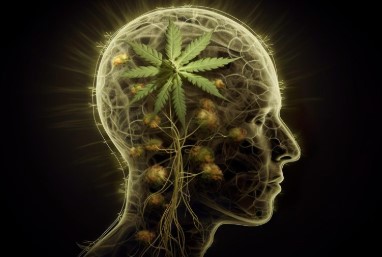
Medibud is particularly effective for unipolar depression and dysthymia.
- THC + limonene boost mood by enhancing mesolimbic dopamine and serotonin release.
- Pinene and CBD maintain cognitive control, reducing the risk of manic or anxious episodes.
- CBG supports neurogenesis in the hippocampus, potentially reversing chronic stress effects.
Evidence: Human trials (e.g., Sagar et al., 2021) show improved Positive and Negative Affect Scores in patients using THC-limonene-rich strains for depression.
Anxiety and PTSD
- Low doses of THC (microdosed) reduce amygdala hyperactivation.
- CBD and caryophyllene provide anxiolytic effects without sedation.
- Limonene modulates stress-induced cortisol elevation.
Ideal for generalized anxiety, social anxiety, and mild PTSD symptoms, especially in daylight hours when functionality is required.
Note: High doses may exacerbate anxiety in THC-sensitive users. CBD-rich strains may be rotated to balance this.
Chronic Fatigue Syndrome (CFS) and Lethargy
- Sativa dominance in Medibud stimulates cortical activation, enhancing energy and alertness.
- Pinene improves oxygenation (bronchodilation) and cognitive clarity.
- CBG and limonene modulate norepinephrine, improving motivation and drive.
Compared to sedating indica strains, Medibud is optimal for daytime function without burnout.
Neuropathic and Chronic Pain
- THC binds to CB1 receptors along the spinal cord and brain, reducing pain signal transmission.
- Caryophyllene’s CB2 action provides inflammation-focused relief.
- Myrcene inhibits TNF-α and COX-2, key in inflammatory pain pathways.
Best suited for:
- Fibromyalgia
- Multiple sclerosis-related pain
- Peripheral neuropathy
- Back and muscle pain (day relief)
While not as potent as high-myrcene indicas for sleep-related pain, Medibud allows mobility and productivity during pain episodes.
ADHD and Cognitive Support
- THC in low/moderate doses improves dopamine regulation, aiding attention and executive function.
- Pinene maintains memory and alertness.
- CBG and limonene reduce cognitive fatigue and support focus.
Especially helpful for:
- Inattentive-type ADHD
- Post-COVID brain fog
- Chemotherapy-induced cognitive dysfunction
Clinical anecdotes and observational studies (e.g., ADHD trials in medical cannabis cohorts) support these findings, especially when combined with structured daily routines.
Migraine and Headache Disorders
- THC reduces trigeminal nerve activation and calcitonin gene-related peptide (CGRP) release.
- Caryophyllene reduces inflammation around cerebral vasculature.
- Pinene and limonene support vascular tone and cortical stability.
Medibud’s moderate potency allows relief without inducing couch-lock or rebound headaches common in over-sedating strains.
Gastrointestinal Disorders
Useful for:
- IBS/IBD (Crohn’s, ulcerative colitis)
- Nausea and gastroparesis
- Appetite loss (anorexia, chemotherapy)
Mechanisms:
- THC reduces gut motility and nausea perception via CB1 receptors in the GI tract and medulla.
- Caryophyllene and CBD reduce gut inflammation via CB2 activation and immune cytokine regulation.
- Myrcene may reduce visceral hypersensitivity, especially in IBS.
Neuroprotection and Neurodegeneration
Medibud’s cannabinoids and terpenes show promise for:
- Parkinson’s disease (early stage tremor and stiffness)
- Alzheimer’s (mood and cognition)
- Multiple Sclerosis (fatigue, spasms)
Neuroprotective mechanisms include:
- Inhibition of microglial activation
- Protection against glutamate excitotoxicity
- Stimulation of BDNF (brain-derived neurotrophic factor)
Ideal Patient Profiles
Who may benefit most from Medibud:
- Adults seeking non-sedating daytime medical cannabis
- Patients with treatment-resistant depression or ADHD
- Individuals needing mood stabilization with functionality
- Those in pain but still working or raising families
- People with chronic fatigue, needing energy and clarity
Who should use caution:
- Those with THC sensitivity or psychosis risk
- Individuals with cardiovascular issues (due to mild tachycardia)
- Patients requiring strong nighttime sedation
Dosing Strategies for Medical Use
| Condition | Suggested Dose | Frequency | Notes |
|---|---|---|---|
| Depression/Anxiety | 2.5–5 mg THC (inhaled or low-dose tincture) | 1–3x/day | Combine with limonene-rich strains |
| Fatigue/ADHD | 1–3 small inhalations | Morning and early afternoon | Avoid late evening to prevent insomnia |
| Pain | 5–10 mg THC + 0.5–1% CBD | 2–4x/day | Titrate slowly; alternate with CBD strains |
| Appetite | 5–7.5 mg THC (inhaled) | 30 mins before meals | Use pre-meal to stimulate hunger |
| GI disorders | 5 mg THC + caryophyllene-rich extract | 2–3x/day | May combine with ginger/peppermint oil (synergistic) |
Always start with the minimum effective dose, and monitor for side effects like anxiety, tachycardia, or dizziness, particularly in THC-sensitive users.
Integration with Conventional Therapies
Medibud can be safely integrated with:
- SSRIs/SNRIs (though caution with high-dose THC)
- NSAIDs and muscle relaxants (synergistic with caryophyllene)
- Stimulants (for ADHD—may reduce dosage need)
- Opioids (may allow tapering off with THC/CBD)
Cannabinoid medicine is increasingly being used adjunctively—not as a replacement, but to enhance quality of life and reduce side effects from standard medications.
Recreational Uses of Medibud
Cognitive and Social Enhancement
Medibud is praised for its clear-headed high, which boosts verbal fluency, sociability, and creativity. This makes it an excellent choice for daytime gatherings, brainstorming sessions, and even low-pressure work environments for experienced users.
Physical Activity and Exploration
Its uplifting energy lends itself well to outdoor activities, such as hiking, biking, and creative hobbies like painting or photography. The strain enhances sensory perception without overwhelming sedation or mental fog, offering a vivid, immersive experience.
Sexual Enhancement
Although not typically marketed as an aphrodisiac, the combination of limonene, pinene, and THC can enhance physical sensitivity and mood, making it potentially beneficial in intimate settings when paired with the right environment.
Adverse Effects and Considerations
Despite its many benefits, Medibud can cause dose-dependent side effects:
| Side Effect | Frequency | Notes |
|---|---|---|
| Dry Mouth | Common | Due to THC affecting salivary glands |
| Dry Eyes | Common | Typically mild |
| Anxiety/Paranoia | Rare | Usually in THC-sensitive users or at high doses |
| Dizziness | Rare | Can occur in novice users, especially with physical activity |
| Increased Heart Rate | Rare | Caution for patients with arrhythmia |
Mitigation strategies include staying hydrated, using small doses initially, and consuming CBD-rich strains as a balance.
8. Scientific Mechanisms and Research Findings
While Medibud-specific studies are scarce, its dominant cannabinoids and terpenes have well-documented mechanisms in peer-reviewed literature.
Neurobiological Effects:
- THC binds to CB1 receptors in the hippocampus and basal ganglia, influencing memory, emotion, and motor coordination.
- Limonene enhances hippocampal neurogenesis, which may counteract depression and cognitive decline.
- Pinene acts as an acetylcholinesterase inhibitor, improving memory and alertness.
Anti-inflammatory Effects:
- β-Caryophyllene directly interacts with CB2 receptors, promoting anti-inflammatory effects without psychoactivity.
- Myrcene and humulene reduce pro-inflammatory cytokines such as TNF-α and IL-6, relevant for autoimmune and chronic inflammatory disorders.
Drug Synergy:
The entourage effect is critical in Medibud’s action. For example, myrcene is believed to enhance THC’s permeability across the blood-brain barrier, increasing potency while pinene and CBD moderate overstimulation.
9. Comparative Analysis with Similar Strains
| Strain | Type | Key Differences |
|---|---|---|
| Jack Herer | Sativa-dominant | More cerebral, slightly more intense; better for creative bursts |
| Harlequin | CBD-rich hybrid | Less psychoactivity, better for anxiety |
| Durban Poison | Pure sativa | Stronger stimulation, potentially more anxiety |
| Blue Dream | Balanced hybrid | More sedative, fruitier profile |
| Medibud | Sativa-dominant | Balanced clarity, mild euphoria, great for daytime medical use |
Medibud stands out due to its functional balance—energizing, yet calming enough for controlled daily use.
10. Market Availability and Use in Formulations
Medibud is primarily available in flower form, but some extract manufacturers have begun producing Medibud-derived oils, tinctures, and vape cartridges targeted at medical patients. It is sometimes found in formulations for PTSD, chronic fatigue, and depression in legalized medical markets.
11. Conclusion: Why Medibud Matters
Medibud is a well-rounded strain that delivers a harmonious blend of mental clarity, energy, and therapeutic value. It excels as a daytime medical cannabis option, especially for those seeking cognitive enhancement, mood elevation, or relief from mild to moderate pain. Its scientific foundation—anchored in THC, limonene, and pinene—supports its use in neuropsychiatric and inflammatory conditions, while its recreational versatility adds to its widespread appeal.
From a cultivation standpoint, Medibud is relatively forgiving and adaptable, making it suitable for both novice and professional growers. Clinically, it offers a promising profile for integration into functional cannabis therapy, especially in chronic fatigue, mood disorders, and neuroinflammation.
For a complete directory of cultivars, visit our Cannabis Strain Reviews.
