Table of Contents
MedGom CBD is a notable cannabis strain bred specifically for its high CBD (cannabidiol) content and low THC (tetrahydrocannabinol) levels, making it an attractive option for medical users and those seeking therapeutic benefits without significant psychoactive effects. As one of the early autoflowering strains developed to maximize CBD content, MedGom CBD has gained a reputation for its reliability, ease of cultivation, and versatile applications.
Genetic Background
MedGom CBD is the product of a collaborative effort between breeders from Grass-O-Matic and CBD Crew. Its genetics combine ruderalis traits for autoflowering capabilities with high-CBD strains that emphasize therapeutic properties. This hybridization ensures rapid growth, resilience, and an ideal chemical profile for medical purposes.
Physical Characteristics
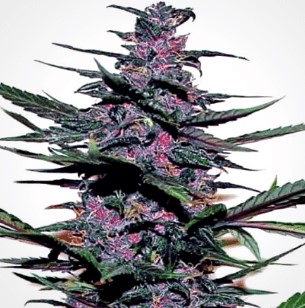
MedGom CBD plants are compact and bushy, typically reaching heights of 60–90 cm. Their autoflowering nature allows them to complete their lifecycle quickly, with a flowering period of approximately 60–70 days from seed to harvest. The buds are dense and resinous, exuding an earthy and citrus aroma.
Cannabinoid Profile
The primary distinguishing feature of MedGom CBD is its high CBD-to-THC ratio. Lab tests typically reveal:
- CBD Content: 15–20%
- THC Content: Less than 1%
This unique ratio ensures minimal psychoactive effects while delivering the therapeutic benefits associated with CBD. The low THC content also makes it legal in many jurisdictions where strict THC limits are enforced.
Terpene Profile
MedGom CBD’s terpene profile contributes to its therapeutic efficacy and distinctive aroma. The dominant terpenes include:
- Myrcene: Known for its sedative and anti-inflammatory properties.
- Limonene: Contributes citrusy notes and offers anti-anxiety and mood-enhancing effects.
- Caryophyllene: Acts as an anti-inflammatory agent and interacts with CB2 receptors in the endocannabinoid system.
Scientific Insights
1. Cannabinoid Synthesis:
Mataró Blue CBD’s high CBD content results from genetic selection favoring CBD synthase over THC synthase. Environmental factors like light intensity and nutrient availability can influence the expression of these enzymes, affecting cannabinoid ratios.
2. Terpene Production:
Terpenes are synthesized in the trichomes and are highly sensitive to environmental conditions:
- Light Spectrum: Blue and red light spectrums enhance terpene production. UV-B exposure near harvest boosts resin levels.
- Nutrients: Organic cultivation enhances terpene profiles, producing richer flavors and aromas.
3. Stress Responses:
- Controlled stress (e.g., mild drought or temperature drops) stimulates the production of secondary metabolites like cannabinoids and terpenes. Excessive stress, however, can reduce yield and quality.
Harvesting and Post-Harvest Handling
1. Harvest Timing:
- Use a microscope or magnifying glass to keep an eye on trichomes. Harvest when trichomes shift from clear to milky, with some amber hues, indicating peak cannabinoid and terpene levels.
2. Drying:
- Hang plants upside down in a dark room with controlled conditions (18-21°C, 45-55% RH) for 7-10 days to preserve cannabinoids and terpenes.
3. Curing:
- Place dried buds in airtight jars, opening daily for the first 1-2 weeks to release moisture (burping). Curing enhances flavor, aroma, and potency, with optimal results after 4-6 weeks.
Sustainability in Cultivation
1. Water Management:
- Use drip irrigation systems to minimize water wastage and overwatering. Collect and recycle runoff water in hydroponic systems.
2. Energy Efficiency:
- Utilize LED lighting, which consumes less energy than traditional HPS lights. Implement automated systems to optimize light cycles and nutrient delivery.
3. Organic Practices:
- Emphasize organic fertilizers, compost, and pest control methods to reduce environmental impact and improve product quality.
Specific Medical Uses
MedGom CBD’s high CBD content makes it a valuable option for treating various medical conditions. CBD’s non-psychoactive nature ensures a safe and accessible therapeutic alternative. Below are the specific medical applications supported by scientific evidence:
1. Chronic Pain Management
MedGom CBD interacts with the endocannabinoid system (ECS) to modulate pain perception. It inhibits the release of pro-inflammatory compounds and activates receptors that reduce pain signaling.
- Conditions Treated: Arthritis, fibromyalgia, neuropathy, and lower back pain.
- Evidence: A 2018 review published in the journal Frontiers in Pharmacology highlighted CBD’s efficacy in managing chronic pain.
2. Anxiety and Stress Relief
Limonene and CBD work synergistically to reduce anxiety by modulating serotonin receptor activity.
- Conditions Treated: Generalized anxiety disorder (GAD), social anxiety disorder, and PTSD.
- Evidence: Studies in Neurotherapeutics (2015) demonstrated MedGom CBD’s potential in reducing anxiety symptoms without the risk of dependency.
3. Epilepsy and Seizure Disorders
CBD’s antiepileptic properties have been validated by clinical trials, leading to the FDA approval of Epidiolex, a CBD-based medication.
- Conditions Treated: Dravet syndrome, Lennox-Gastaut syndrome, and other treatment-resistant forms of epilepsy.
- Evidence: A 2017 study in The New England Journal of Medicine confirmed significant reductions in seizure frequency with CBD use.
4. Inflammatory and Autoimmune Conditions
CBD’s anti-inflammatory properties make it effective in managing autoimmune and inflammatory diseases.
- Conditions Treated: Crohn’s disease, multiple sclerosis, and rheumatoid arthritis.
- Evidence: Research in Bioorganic & Medicinal Chemistry (2018) highlighted CBD’s role in reducing inflammation and oxidative stress.
5. Sleep Disorders
The sedative effects of myrcene, combined with MedGom CBD’s anxiolytic properties, help regulate sleep cycles and improve sleep quality.

- Conditions Treated: Insomnia, restless leg syndrome, and circadian rhythm disorders.
- Evidence: A 2019 case series in The Permanente Journal found that CBD improved sleep scores in 66% of patients.
6. Neurological Disorders
MedGom CBD exhibits neuroprotective properties, making it a promising treatment for degenerative neurological conditions.
- Conditions Treated: Alzheimer’s disease, Parkinson’s disease, and Huntington’s disease.
- Evidence: Preclinical studies in Molecular Neurobiology (2016) showed CBD’s potential in reducing neuroinflammation and oxidative damage.
Recreational Uses
Although MedGom CBD is primarily cultivated for medical purposes, it also appeals to recreational users seeking relaxation without intoxication. Its low THC content ensures users can enjoy its calming effects without experiencing euphoria or impairment.
1. Relaxation and Stress Relief
MedGom CBD is ideal for unwinding after a stressful day. Its calming properties help users achieve a state of relaxation without feeling sedated.
- Usage Scenarios: Meditation, yoga, or quiet evenings.
2. Focus and Clarity

Unlike high-THC strains that can impair cognitive function, MedGom CBD promotes mental clarity and focus.
- Usage Scenarios: Creative projects, studying, or work requiring concentration.
3. Social Interaction
The strain’s mild effects make it suitable for social settings, where users can feel at ease without the risk of overconsumption.
- Usage Scenarios: Casual gatherings or social events.
Comprehensive Scientific Insights
Mechanism of Action
MedGom CBD interacts with the ECS, a regulatory system involved in maintaining homeostasis. Key mechanisms include:
- Receptor Modulation: CBD modulates CB1 and CB2 receptors indirectly, promoting therapeutic effects without causing psychoactivity.
- Enzyme Inhibition: CBD inhibits the FAAH enzyme, increasing anandamide levels and enhancing mood regulation.
- Neurotransmitter Balance: CBD influences serotonin and GABA systems, contributing to its anxiolytic and anticonvulsant properties.
Pharmacokinetics
- Absorption: When consumed orally, CBD undergoes first-pass metabolism in the liver, reducing bioavailability to 10–20%.
- Distribution: CBD is lipophilic, accumulating in fatty tissues and crossing the blood-brain barrier.
- Metabolism: Mostly broken down by cytochrome P450 enzymes in the liver.
- Elimination: Excreted in urine and feces, with a half-life of 18–32 hours depending on the delivery method.
Safety and Tolerability
In general, MedGom CBD has few adverse effects and is well tolerated. Common adverse effects include dry mouth, drowsiness, and gastrointestinal discomfort. No significant toxicity has been reported at therapeutic doses.
Methods of Ingestion
MedGom CBD can be consumed in several ways, each with distinct benefits, onset times, durations, and effects. Choosing the appropriate method depends on the desired therapeutic or recreational outcome.
- Smoking or Vaping
- Description: Inhaling vaporized cannabinoids through smoking or vaping is one of the quickest methods to experience effects. Vaping is preferred over smoking for reduced exposure to harmful byproducts of combustion.
- Onset: Within 2–5 minutes.
- Duration: Effects last 2–4 hours.
- Key Benefits:
- Rapid relief for acute symptoms like anxiety, pain, or nausea.
- Enhanced bioavailability (up to 50%).
- Considerations: Not suitable for individuals with respiratory conditions.
- Sublingual Oils and Tinctures
- Description: CBD oils and tinctures are placed under the tongue for absorption through the mucous membranes, bypassing the digestive system.
- Onset: 15–30 minutes.
- Duration: Effects last 4–6 hours.
- Key Benefits:
- Precise dosing options.
- Moderate onset with sustained effects.
- Considerations: Slightly bitter taste, which can be masked by flavored options.
- Edibles
- Description: CBD-infused food or drinks are digested, allowing cannabinoids to be absorbed through the gastrointestinal tract.
- Onset: 30–90 minutes.
- Duration: Effects last 6–8 hours, sometimes longer for higher doses.
- Key Benefits:
- Long-lasting effects suitable for chronic conditions.
- Discreet and convenient consumption.
- Considerations: Lower bioavailability (~10–20%) due to first-pass metabolism, requiring higher doses compared to other methods.
- Capsules and Softgels
- Description: Pre-measured CBD doses in pill form, absorbed via the digestive system like edibles.
- Onset: 30–90 minutes.
- Duration: 6–8 hours.
- Key Benefits:
- Consistent dosing.
- Easy to integrate into daily routines.
- Considerations: Similar bioavailability to edibles.
- Topical Applications
- Description: CBD-infused creams, balms, and salves applied directly to the skin for localized effects.
- Onset: 15–30 minutes.
- Duration: Effects last 2–6 hours.
- Key Benefits:
- Targets localized pain and inflammation without systemic absorption.
- Considerations: Limited to surface-level conditions like joint pain or muscle soreness.
- Transdermal Patches
- Description: Patches deliver cannabinoids through the skin into the bloodstream over an extended period.
- Onset: 1–2 hours.
- Duration: 8–12 hours, sometimes up to 24 hours.
- Key Benefits:
- Long-lasting, steady absorption.
- Minimal maintenance once applied.
- Considerations: Costlier than other methods.
Duration and Onset of Effects
The onset and duration of MedGom CBD’s effects depend on the method of ingestion due to variations in bioavailability and absorption pathways:
- Rapid Onset (Smoking/Vaping): Immediate relief within minutes, suitable for acute symptoms.
- Moderate Onset (Sublingual): Balanced onset and duration for reliable symptom management.
- Delayed Onset (Edibles/Capsules): Slower effects, but ideal for long-term conditions requiring sustained relief.
Effects Based on Method
- Smoking/Vaping:
- Quick relaxation and pain relief.
- Enhanced focus and reduced anxiety without intoxication.
- Sublingual Oils:
- Gradual calming effects suitable for both daytime use and evening relaxation.
- Balanced symptom control over several hours.
- Edibles:
- Prolonged pain relief and stress reduction.
- Gradual buildup of effects, ideal for chronic conditions or overnight relief.
- Topicals:
- Localized effects, targeting inflammation or joint pain.
- Non-psychoactive, with no systemic impact.
Scientific Insights into Bioavailability and Metabolism
- Bioavailability Variations:
- Smoking/vaping: Highest bioavailability (~50%).
- Sublingual: Moderate bioavailability (~20–35%).
- Edibles and capsules: Lowest bioavailability (~10–20%) due to first-pass metabolism.
- Factors Influencing Effects:
- Body weight, metabolism, and prior exposure to cannabinoids.
- Food intake (fatty meals enhance CBD absorption in oral methods).
Therapeutic Implications of Different Methods
- Acute Symptom Relief: Smoking or vaping MedGom CBD offers rapid relief for anxiety, migraines, and acute pain.
- Chronic Symptom Management: Edibles and capsules provide extended relief for persistent issues like arthritis or insomnia.
- Localized Treatment: Topical applications effectively address localized muscle or joint pain without systemic absorption.
Dosage Guidelines
Determining the optimal dosage of MedGom CBD depends on individual factors such as body weight, condition severity, and delivery method. General recommendations include:
- Low Dose: 5–10 mg/day for mild conditions.
- Moderate Dose: 20–40 mg/day for chronic conditions.
- High Dose: 50–100 mg/day for severe symptoms.
Conclusion
MedGom CBD is a versatile and effective cannabis strain tailored for medical and therapeutic use. Its high CBD content and negligible THC levels make it a safe and accessible option for patients and recreational users alike. With a well-documented profile of medical benefits, ease of cultivation, and a growing body of scientific evidence supporting its efficacy, MedGom CBD stands out as a reliable choice for those seeking natural remedies and wellness solutions.
For a complete directory of cultivars, visit our Cannabis Strain Reviews.
