Table of Contents
Mazar I Sharif is a legendary cannabis strain that originates from the northern regions of Afghanistan, specifically near the city of Mazar-i-Sharif. Known for its robust genetics, high resin production, and strong effects, Mazar I Sharif is a pure indica strain that has gained worldwide recognition. This strain holds immense cultural and historical significance in the region, where it has been cultivated for centuries. It is celebrated for its role in producing high-quality hashish, known locally as “charas.”
In this detailed overview, we will explore the origins, genetics, cultivation characteristics, cannabinoid profile, terpene composition, medical applications, recreational uses, and scientific research surrounding Mazar I Sharif.
Origins and Genetics
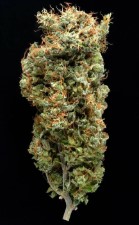
Mazar I Sharif is an Afghan landrace strain that thrives in the harsh climates of northern Afghanistan. These regions are characterized by cold winters and arid summers, conditions that have led to the development of a resilient and hardy cannabis variety. This strain has evolved to produce thick layers of resin as a natural defense mechanism against pests and environmental stressors.
As a landrace strain, Mazar I Sharif is considered a pure indica, boasting stable genetics that make it a foundational strain for many modern hybrids. Its genetic stability and potency have made it a favorite among breeders aiming to develop new strains with enhanced resin production and therapeutic benefits.
Cultivation Characteristics
1. Optimal Environmental Conditions
- Native Climate: Mazar I Sharif originates from arid regions with cold winters and hot summers, making it extremely resistant to changes in temperature.
- Temperature Range: Ideal daytime temperatures range from 21-26°C (70-79°F) during the vegetative stage and slightly cooler temperatures, around 18-24°C (64-75°F), during flowering.
- Humidity: Mazar I Sharif prefers a low to moderate humidity level, typically around 40-50% during the vegetative phase and reduced to 30-40% during flowering to prevent mold and mildew, especially given its dense, resinous buds.
2. Soil Composition and Nutrients
- Soil Preference: Native to mountainous regions, the strain thrives in nutrient-rich, loamy soil with good drainage. A mix of organic compost, coco coir, and perlite can mimic its native soil structure.
- pH Levels: The ideal soil pH for Mazar I Sharif is between 6.0 and 6.5, ensuring nutrient uptake.
- Nutrients:
- Vegetative Phase: Requires higher levels of nitrogen (N) for robust leaf and stem growth.
- Flowering Phase: Focus shifts to phosphorus (P) and potassium (K) to enhance bud development and resin production.
- Supplement with micronutrients such as calcium, magnesium, and sulfur for optimal growth.
3. Lighting Requirements
- Outdoor Cultivation: In its native environment, Mazar I Sharif receives intense sunlight for long periods during the summer. It thrives in full sun conditions, with at least 8-10 hours of direct sunlight daily.
- Indoor Cultivation:
- Use high-intensity discharge (HID) lights, such as Metal Halide (MH) for vegetative growth and High-Pressure Sodium (HPS) for flowering.
- Alternatively, LED grow lights with a full-spectrum range can also work effectively.
- Optimal light cycles:
- Vegetative stage: 18/6 light-dark cycle.
- Flowering stage: 12/12 light-dark cycle to encourage bud development.
4. Watering and Irrigation
- Mazar I Sharif is drought-resistant but requires consistent watering for optimal growth in non-native environments.
- Avoid overwatering since it can cause root rot. Use a watering schedule that allows the soil to dry slightly between sessions.
- Irrigation Techniques:
- Drip irrigation: Provides controlled water delivery, preventing overwatering.
- Mulching: Helps retain soil moisture, mimicking the arid conditions of its origin.
5. Pruning and Training
- Pruning: Regular removal of lower branches and leaves improves airflow and light penetration, reducing the risk of mold.
- Low-Stress Training (LST): Given its bushy indica structure, LST techniques like bending and tying down branches can promote even canopy growth and maximize light exposure.
- Topping and Fimming: These methods can increase yields by encouraging lateral growth and multiple bud sites.
6. Flowering and Resin Production
- Extended Flowering Period: Unlike typical indica strains, Mazar I Sharif has a flowering period of 10-12 weeks. Patience is key to allowing full maturation and resin development.
- Temperature Stress for Resin: Allowing slight temperature drops during late flowering can mimic its native environment, potentially boosting resin and terpene production.
7. Pest and Disease Management
- Resilience: Mazar I Sharif is naturally resistant to pests and diseases due to its evolution in a rugged environment.
- Common Issues:
- Despite its resilience, monitor for spider mites, aphids, and fungal infections in humid conditions.
- Integrated Pest Management (IPM):
- Use beneficial insects like ladybugs or predatory mites.
- Apply organic treatments such as neem oil or potassium bicarbonate for mold prevention.
- Ensure proper spacing and airflow around plants to reduce the likelihood of pest infestations.
8. Harvesting and Curing
- Harvest Timing: Mazar I Sharif is ready for harvest when trichomes appear cloudy with some amber tones, indicating peak THC levels.
- Resin Handling: Due to its sticky resin, harvesting should be done carefully with gloves to prevent loss of trichomes.
- Drying: Hang buds in a dark, well-ventilated area with humidity around 45-55% and temperatures between 18-21°C (65-70°F).
- Curing: For the first one to two weeks, place the dried buds in airtight jars and open them every day to release excess moisture, enhancing flavor and potency.
Scientific Innovations in Cultivation
Recent advancements in cannabis cultivation techniques have provided new ways to maximize the potential of Mazar I Sharif:
Tissue Culture Propagation Tissue culture techniques ensure genetic uniformity and disease-free plants by growing new plants from small tissue samples.
Hydroponics and Aeroponics While traditionally grown in soil, Mazar I Sharif can be cultivated using hydroponic systems for faster growth and better control of nutrients.
Aeroponics, which involves growing plants in air with roots misted with nutrient solutions, is another option for improving growth efficiency.
Climate Control Systems Advanced greenhouses and indoor grow systems equipped with climate control technology can replicate the arid and temperature-variable conditions of northern Afghanistan.
LED Spectrum Adjustment Research into specific light spectrums has shown that varying wavelengths during different growth phases can optimize resin and cannabinoid production.
Terpene Enhancement Studies suggest that exposing plants to specific environmental stresses, such as controlled drought or UV-B light, can boost terpene levels, enhancing flavor and therapeutic effects.
Cannabinoid Profile
Mazar I Sharif is a powerhouse strain with a cannabinoid profile dominated by tetrahydrocannabinol (THC). The typical breakdown includes:
- THC Content: 20-25%, offering potent psychoactive effects.
- CBD Content: Low (usually below 1%), which is common for traditional landrace indicas.
- CBN Content: Trace amounts, contributing to its sedative properties.
The high THC levels are responsible for the strain’s potent psychoactive and therapeutic effects, while the minimal CBD content makes it less suitable for users seeking non-psychoactive relief.
Terpene Composition
Terpenes play a crucial role in the aroma, flavor, and effects of Mazar I Sharif. The dominant terpenes include:
- Myrcene: Contributing to its earthy and musky aroma, myrcene enhances the sedative effects of the strain.
- Caryophyllene: Known for its spicy, peppery notes, this terpene also has anti-inflammatory and analgesic properties.
- Limonene: Adding subtle citrus undertones, limonene can uplift mood and reduce stress.
- Humulene: This terpene adds woody and herbal flavors while providing anti-inflammatory benefits.
The combination of these terpenes creates a rich, earthy flavor profile with hints of sweetness, spice, and woodiness.
Medical Applications
Mazar I Sharif is highly regarded for its medicinal properties, largely due to its potent THC content and terpene profile. Below are its primary medical applications:
1. Pain Management
The strain’s high THC levels and the presence of caryophyllene make it effective for managing chronic pain, including conditions such as:
- Arthritis
- Fibromyalgia
- Neuropathic pain
2. Sleep Disorders
Mazar I Sharif’s sedative effects are ideal for treating insomnia and other sleep disorders. The high myrcene content enhances its ability to relax the body and mind, promoting restful sleep.
3. Anxiety and Stress Relief
While its sedative effects can help alleviate stress and anxiety, the strain’s high THC content may not be suitable for individuals prone to THC-induced paranoia. For those who tolerate THC well, Mazar I Sharif can offer deep relaxation and mood stabilization.
4. Appetite Stimulation
Like many indica strains, Mazar I Sharif is effective in stimulating appetite, making it beneficial for patients undergoing chemotherapy or suffering from eating disorders such as anorexia.
5. Muscle Spasms and Cramps
The strain’s relaxing effects extend to the muscles, providing relief from spasms, cramps, and other muscle-related conditions.
Recreational Uses
Recreational users of Mazar I Sharif often seek its intense relaxation and euphoric effects. Key aspects of its recreational appeal include:

1. Full-Body Relaxation
The strain induces a heavy, body-centered high that is perfect for unwinding after a long day. Its effects are deeply calming, making it ideal for evening or nighttime use.
2. Euphoria
Despite its predominantly sedative effects, Mazar I Sharif also offers a sense of euphoria and mental calmness, enhancing the user’s mood and overall sense of well-being.
3. Social Settings
While not typically associated with energy or stimulation, Mazar I Sharif can be enjoyable in relaxed social settings, where its calming effects foster a laid-back atmosphere.
4. Enhanced Sensory Perception
Some users report heightened sensory experiences, making this strain a good choice for activities such like taking in the scenery, watching movies, or listening to music.
Scientific Research
Scientific studies on landrace strains like Mazar I Sharif are limited but growing, as researchers seek to understand the unique properties of these genetic treasures. Below are some notable findings and areas of interest:
1. Genetic Stability
Mazar I Sharif’s status as a landrace strain makes it an invaluable resource for cannabis breeding programs. Its genetic stability is crucial for developing hybrids with consistent traits.
2. Cannabinoid Research
Studies on Afghan landrace strains have highlighted their high THC production and potential for use in developing therapeutic cannabis products. Mazar I Sharif is particularly noted for its resin content, which is ideal for producing concentrates.
3. Terpene Synergy
Research into the “entourage effect” suggests that the terpenes in Mazar I Sharif may enhance its therapeutic effects. For example, the interplay between myrcene and THC may amplify the strain’s sedative properties.
4. Hashish Production
Mazar I Sharif’s historical use in hashish production has drawn scientific interest. The strain’s high resin output and terpene profile make it ideal for producing potent, aromatic concentrates.
Methods of Ingestion
Mazar I Sharif, like other cannabis strains, can be consumed through various methods. Each method impacts the bioavailability, onset of effects, duration, and overall experience. Below is a breakdown of the most common ingestion methods:

1. Smoking
- Description: Smoking involves burning the cannabis flower and inhaling the smoke.
- Process: Dried buds of Mazar I Sharif are ground and smoked using joints, pipes, or bongs.
- Onset: 2-5 minutes.
- Duration: Effects typically last 2-3 hours but can extend to 4 hours for less experienced users.
- Bioavailability: Smoking delivers THC directly to the bloodstream via the lungs, with a bioavailability of approximately 10-35%.
- Scientific Considerations:
- Smoking provides rapid effects due to the direct absorption of cannabinoids.
- Combustion may produce harmful byproducts like tar, which could irritate the lungs.
2. Vaporization (Vaping)
- Description: Vaping heats cannabis to a temperature that releases cannabinoids and terpenes as vapor without combustion.
- Process: Mazar I Sharif flower or resin concentrates are heated in a vaporizer.
- Onset: 2-5 minutes, similar to smoking.
- Duration: Effects last 2-3 hours.
- Bioavailability: Vaping offers slightly higher bioavailability compared to smoking, ranging from 20-50%.
- Scientific Considerations:
- Vaping preserves terpenes, enhancing flavor and therapeutic effects.
- It reduces the risks associated with combustion (e.g., inhaling smoke toxins).
3. Edibles
- Description: Edibles are food products infused with cannabis extracts or decarboxylated flower.
- Process: Cannabinoids in Mazar I Sharif must be decarboxylated (activated through heat) before being infused into oils, butters, or other consumables.
- Onset: 30-90 minutes, as cannabinoids must pass through the digestive system and undergo first-pass metabolism in the liver.
- Duration: Effects last significantly longer, typically 4-8 hours and sometimes up to 12 hours for high doses.
- Bioavailability: Oral bioavailability is lower, around 4-20%, as much THC is metabolized in the liver producing the stronger and more persistent metabolite 11-Hydroxy-THC.
- Scientific Considerations:
- The slower onset and prolonged duration make edibles ideal for long-term relief of chronic conditions.
- Dose control is critical to avoid overconsumption, as effects are delayed.
4. Sublingual Administration
- Description: Sublingual consumption involves placing cannabis tinctures or oils under the tongue for absorption through the mucous membranes.
- Process: Mazar I Sharif tinctures are held under the tongue for 1-2 minutes before swallowing.
- Onset: Effects are felt within 15-30 minutes, faster than edibles but slower than smoking or vaping.
- Duration: Effects last 4-6 hours.
- Bioavailability: Sublingual bioavailability is higher than edibles, at approximately 15-35%.
- Scientific Considerations:
- Sublingual administration avoids first-pass metabolism, leading to faster and more predictable effects.
- Ideal for medical users who need precise dosing and faster relief without smoking.
5. Topical Application
- Description: Topical cannabis products, such as creams, balms, or transdermal patches, are applied directly to the skin.
- Process: Cannabinoids in Mazar I Sharif are infused into a lipid-based carrier for skin absorption.
- Onset: 15-30 minutes for localized effects; transdermal patches may take 1-2 hours for systemic absorption.
- Duration: Topical effects last 4-8 hours; transdermal patches may last up to 12 hours.
- Bioavailability: Limited systemic absorption unless using transdermal patches. Effects are localized and non-psychoactive unless THC penetrates the bloodstream.
- Scientific Considerations:
- Topicals are ideal for localized relief of pain, inflammation, or skin conditions.
- Transdermal patches offer controlled, sustained delivery of cannabinoids for systemic effects.
6. Dabbing (Concentrates)
- Description: Dabbing involves vaporizing cannabis concentrates, such as hash, wax, or resin, on a heated vaporizing the surface (dab rig) and breathing it in.
- Process: Mazar I Sharif high resin content makes it ideal for hash and concentrates, which are dabbed at high temperatures.
- Onset: Immediate to 1-3 minutes.
- Duration: Effects last 1-3 hours but are typically more intense due to higher cannabinoid concentrations.
- Bioavailability: Comparable to vaping, around 20-50%.
- Scientific Considerations:
- Dabbing provides potent effects but requires experience to manage the intensity.
- Terpene degradation can occur at excessively high temperatures, affecting flavor and therapeutic effects.
7. Hashish Consumption
- Description: Traditional Mazar I Sharif hashish (charas) is consumed by smoking or vaping.
- Onset and Duration: Mirrors smoking or vaping methods.
- Scientific Considerations:
- Hashish concentrates the resin, resulting in higher THC levels and stronger effects.
- It retains the strain signature terpene profile, providing a unique experience.
Factors Affecting Onset and Duration
- Individual Metabolism:
- Faster metabolisms may experience quicker onsets but shorter durations.
- Liver enzyme activity (CYP2C9) impacts how efficiently THC is metabolized into 11-Hydroxy-THC.
- Cannabinoid-Terpene Interaction:
- The entourage effect plays a role in modulating the effects of Mazar I Sharif. For example, high myrcene levels can enhance sedative effects and influence onset speed.
- Dosage:
- Higher doses prolong effects but may increase the risk of side effects (e.g., sedation, anxiety).
- Tolerance:
- Regular users may experience shorter durations and require higher doses for the same effect.
- Method-Specific Factors:
- Combustion temperatures, bioavailability rates, and first-pass metabolism significantly influence the user experience.
Comparative Table of Onset and Duration by Method
| Method | Onset | Duration | Bioavailability |
|---|---|---|---|
| Smoking | 2-5 minutes | 2-3 hours | 10-35% |
| Vaping | 2-5 minutes | 2-3 hours | 20-50% |
| Edibles | 30-90 minutes | 4-8 hours | 4-20% |
| Sublingual | 15-30 minutes | 4-6 hours | 15-35% |
| Topical (local) | 15-30 minutes | 4-8 hours | Minimal |
| Dabbing | Immediate | 1-3 hours | 20-50% |
| Transdermal | 1-2 hours | Up to 12 hours | Moderate |
Scientific Considerations for Mazar I Sharif Consumption
- Decarboxylation: Proper heat application is essential to convert THCA into psychoactive THC during ingestion.
- Terpene Sensitivity: Heat can degrade terpenes, so methods like vaping at lower temperatures (315-430°F) preserve flavor and therapeutic effects.
- Consistency in Dosing: Especially important for edibles and sublingual methods, as THC content can vary without precise preparation.
- Therapeutic Targeting: Topicals and transdermal patches are ideal for patients needing localized or sustained relief without psychoactive effects.
Potential Side Effects
Like any potent cannabis strain, Mazar I Sharif can cause side effects, particularly in inexperienced or sensitive users. Common side effects include:
- Dry Mouth and Eyes: These are the most commonly reported issues and can be mitigated with proper hydration.
- Dizziness: High THC levels can lead to dizziness, especially in new users.
- Paranoia and Anxiety: In rare cases, the strain’s potent effects may induce paranoia or anxiety, particularly in users prone to such conditions.
- Sedation: While beneficial for relaxation and sleep, the strain’s heavy sedative effects may be too intense for daytime use.
Conclusion
Mazar I Sharif is a cannabis strain of remarkable historical, cultural, and therapeutic significance. Its robust genetics, high resin production, and potent effects have made it a favorite among both recreational users and medical patients. Whether used for its calming and euphoric effects or its ability to manage chronic pain and insomnia, Mazar I Sharif offers a unique and powerful cannabis experience.
As research into cannabis continues to grow, strains like Mazar I Sharif will undoubtedly play a key role in understanding the plant’s potential. With its rich history and unparalleled qualities, this Afghan landrace remains a shining example of the diversity and versatility of cannabis.
For a complete directory of cultivars, visit our Cannabis Strain Reviews.
