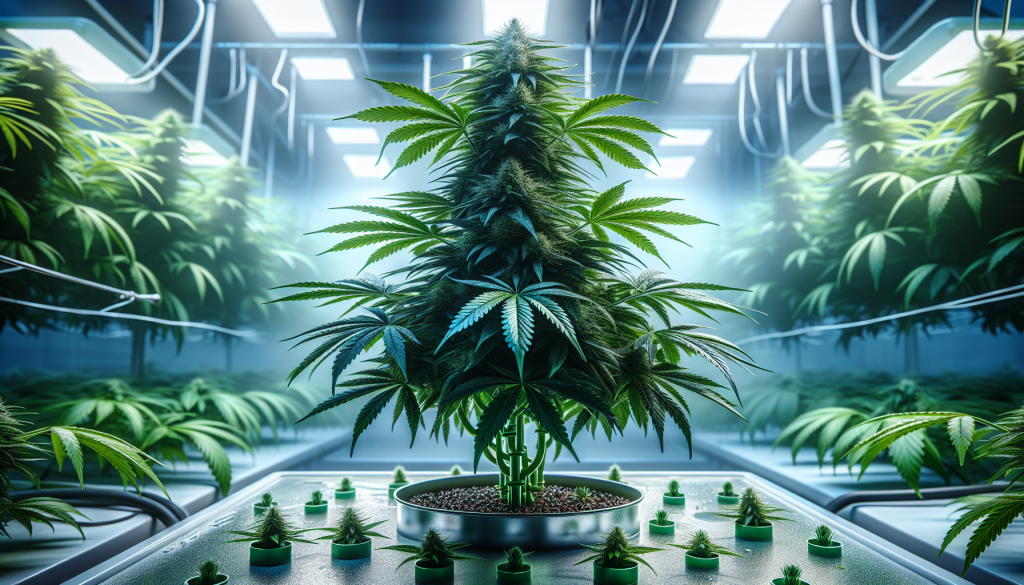
Maximizing Yield and Potency in Medical Cannabis: A Comprehensive Guide
Introduction
Medical cannabis has emerged as a valuable therapeutic option for various health conditions, including chronic pain, epilepsy, anxiety, and multiple sclerosis. For patients and cultivators alike, optimizing both yield and potency is essential to ensure consistent, high-quality medicine. In this guide, we will explore strategies to maximize the yield and potency of medical cannabis, emphasizing growing practices that align with medical use, excluding recreational elements and consumption methods.
Understanding Yield and Potency
Yield refers to the quantity of cannabis that can be harvested from a plant or a crop. It is usually measured in grams per square meter (g/m²) for indoor grows or grams per plant for outdoor cultivation. Higher yields ensure more product, which is crucial for medical facilities or caregivers needing to produce medicine for multiple patients.
Potency relates to the concentration of active cannabinoids like THC (tetrahydrocannabinol), CBD (cannabidiol), and other compounds that determine the medical efficacy of the plant. Depending on the strain and medical purpose, the potency balance between THC and CBD is often tailored to specific therapeutic needs.
Balancing yield and potency is critical for medical cannabis growers to provide patients with effective, safe, and accessible treatment.
Optimizing the Growing Environment for Medical Cannabis
1. Environmental Control
Achieving optimal conditions for medical cannabis begins with carefully controlled environments. Whether growing indoors, in greenhouses, or outdoors, controlling temperature, humidity, light, and airflow is critical to plant health, which directly impacts both yield and potency.
- Temperature: Cannabis thrives in temperatures ranging from 70-85°F (21-29°C) during the day and slightly cooler at night (65-75°F or 18-24°C). Fluctuations outside these ranges can stress plants, leading to stunted growth or lower cannabinoid production. For medical strains that are sensitive to environmental conditions, maintaining a stable temperature is vital to ensure consistency in cannabinoid profiles.
- Humidity: Humidity levels should be adjusted throughout the plant’s lifecycle. During the vegetative phase, cannabis plants require 60-70% relative humidity, which promotes healthy foliage growth. As the plant enters the flowering phase, the humidity should be reduced to 40-50% to prevent mold and mildew, which can diminish both yield and potency.
- Airflow: Adequate airflow ensures that plants can breathe, minimizes the risk of pests, and promotes the transpiration process, which helps maintain proper humidity levels. Oscillating fans and proper ventilation systems in indoor grows can help maintain airflow, reducing plant stress and improving cannabinoid production.
2. Light Exposure
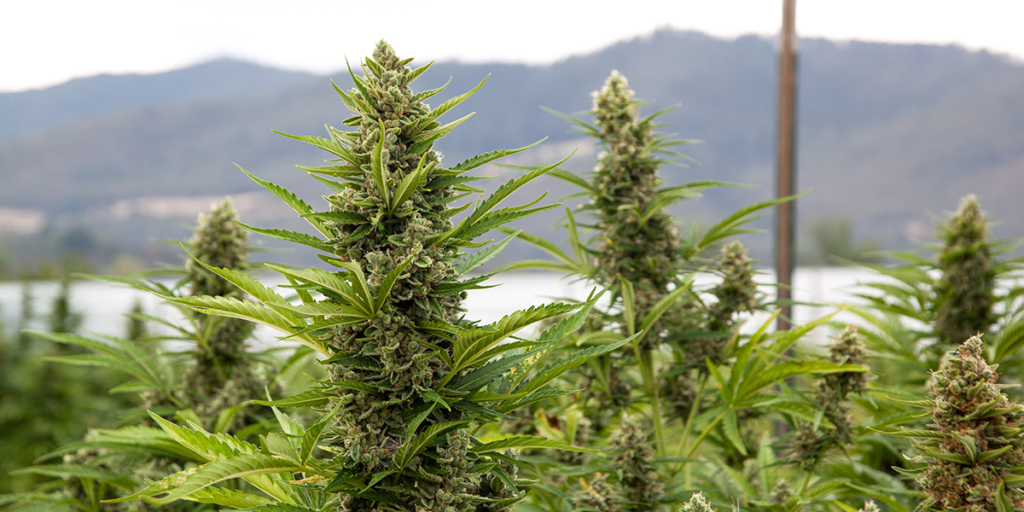
Proper lighting is a cornerstone of maximizing yield and potency, especially for indoor medical cannabis cultivation. The growth and production of cannabinoids by plants is significantly influenced by the intensity, spectrum, and length of light exposure.
- Light Intensity: Medical cannabis plants require intense light to produce high yields and potent flowers. LED and High-Pressure Sodium (HPS) lights are popular choices. LEDs, in particular, offer a full light spectrum and energy efficiency, making them a preferred option for medical growers aiming to lower operational costs while maintaining optimal light intensity.
- Light Spectrum: During the vegetative stage, cannabis plants benefit from blue-spectrum light (400-500 nm), which promotes robust growth and strong stems. During the flowering stage, red-spectrum light (600-700 nm) encourages bud development, which is crucial for maximizing both yield and potency.
- Light Duration: Medical cannabis is sensitive to the photoperiod— the length of light exposure. In the vegetative stage, plants need 18-24 hours of light per day. As they transition to flowering, reducing the light cycle to 12 hours of light and 12 hours of darkness triggers the plant’s flowering phase, leading to higher yields of potent buds.
3. Nutrient Management
Cannabis plants require a precise balance of nutrients to reach their full potential. The right mix of macronutrients (nitrogen, phosphorus, potassium) and micronutrients (calcium, magnesium, iron) is vital for maximizing both yield and potency.
- Vegetative Phase Nutrients: To encourage the growth of its leaves and stems at this stage, cannabis needs a lot of nitrogen. This helps the plant establish a strong structure, which supports heavy bud production later.
- Flowering Phase Nutrients: During the flowering phase, reducing nitrogen and increasing phosphorus and potassium is essential. Phosphorus supports bud growth, while potassium enhances the plant’s overall health and resistance to stress. This shift ensures that the plant’s energy is directed toward bud production rather than vegetative growth.
- Organic vs. Synthetic Nutrients: Organic nutrients derived from compost, manure, and plant matter are often favored in medical cannabis cultivation due to their ability to enhance terpene profiles and cannabinoid production. Importantly for people receiving medical care, they also lessen the possibility of dangerous chemical leftovers. However, synthetic nutrients offer precise control over nutrient levels, which can be advantageous for maximizing yield in controlled environments.
Advanced Techniques for Maximizing Yield and Potency
1. Low-Stress Training (LST)
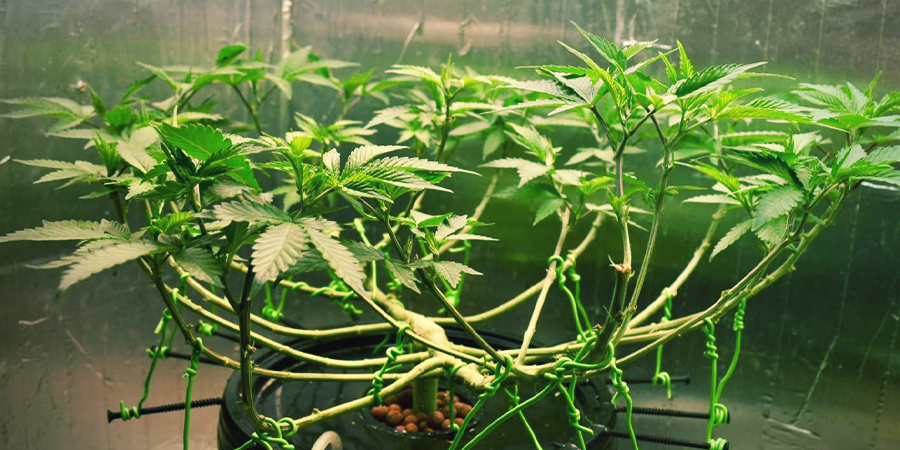
LST involves gently bending and tying down cannabis branches to create an even canopy. This ensures that all bud sites receive equal light exposure, leading to more uniform growth and larger yields. By maximizing light penetration, plants can develop more potent flowers as each bud receives optimal conditions for cannabinoid production.
LST is particularly useful for medical growers with limited space or those aiming to optimize the growth of high-potency strains. Although the procedure calls for accuracy and patience, the end product can greatly raise the harvest’s overall quality.
2. High-Stress Training (HST)
More forceful approaches are used in HST techniques like topping and supercropping to control plant growth. Topping is chopping off the top of the plant to promote several colas and increase the number of buds produced. Supercropping involves gently crushing the plant’s branches to encourage horizontal growth and improved light exposure.
These techniques can increase yield, but they should be applied carefully, especially when growing medical cannabis strains with delicate cannabinoid profiles. Stressing the plant too much can lead to lower cannabinoid production, negatively impacting its medicinal properties.
3. Defoliation
Defoliation is the process of removing large fan leaves that may block light from reaching the lower bud sites. This technique enhances light penetration, leading to larger yields and more potent flowers. However, it must be done carefully, as excessive defoliation can stress the plant and negatively impact growth.
For medical cannabis, defoliation is particularly beneficial as it allows for the cultivation of dense, resinous buds rich in cannabinoids and terpenes, enhancing the medicinal value of the crop.
Genetics and Strain Selection for Medical Use
1. Choosing the Right Medical Strain
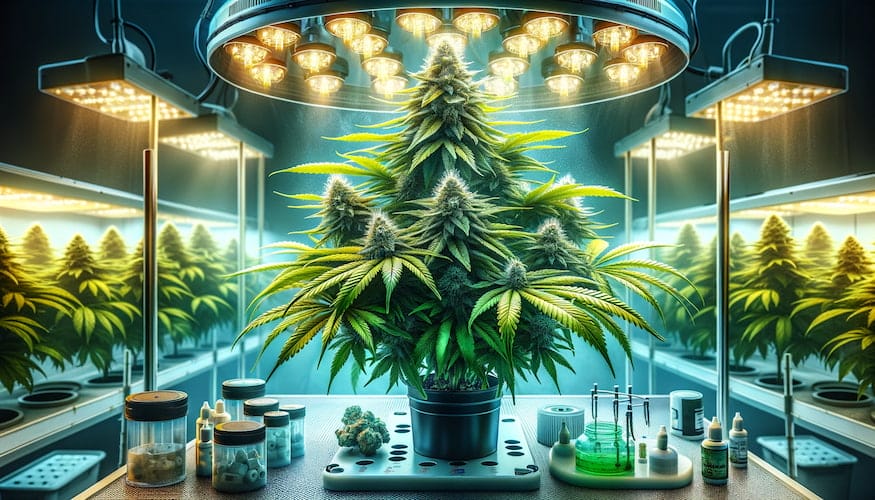
The choice of cannabis strain plays a crucial role in maximizing yield and potency, especially for medical growers. High-yielding strains with well-balanced cannabinoid profiles, such as high-CBD or balanced THC
ratios, are often preferred for medical use.
Some popular high-yield medical cannabis strains include:
- Critical Mass: Known for its massive yields, Critical Mass is ideal for medical patients seeking pain relief or relaxation. It has a balanced cannabinoid profile with a moderate THC content, making it suitable for a wide range of medical conditions.
- Harlequin: Harlequin, a high-CBD strain, is prized for its ability to reduce inflammation and discomfort without having the euphoric benefits of high-THC strains. It produces dense buds and offers moderate yields, making it a top choice for medical cultivators.
- Blue Dream: A hybrid strain known for its high yields and potency, Blue Dream offers a well-balanced effect, making it suitable for patients with chronic pain, depression, and fatigue.
Selecting strains with stable genetics is critical to achieving consistent yields and potency, particularly in medical cannabis cultivation, where reliability and efficacy are paramount.
2. Autoflowering vs. Photoperiod Strains
For medical growers, selecting between autoflowering and photoperiod strains can impact the overall yield and potency.
- Autoflowering Strains: Autoflowering strains are known for their rapid growth and ability to flower based on age rather than light cycles. While they generally produce lower yields, they are ideal for growers looking for quick harvests. Some autoflowering strains, like CBD Auto White Widow, are bred specifically for medical purposes, offering a high CBD content and fast growth cycle.
- Photoperiod Strains: Photoperiod strains tend to yield more and offer higher potency due to their longer growing cycle, which allows for greater bud development. For medical growers seeking maximum potency, photoperiod strains like OG Kush or Granddaddy Purple are often preferred for their ability to produce high concentrations of cannabinoids.
Harvesting Techniques to Maximize Potency
1. Timing the Harvest
The timing of the harvest is crucial for maximizing both yield and potency in medical cannabis. Trichomes, the resin glands responsible for cannabinoid production, change color as the plant matures.
- Clear Trichomes: Harvesting at this stage results in a more energetic, cerebral effect due to lower THC levels.
- Cloudy Trichomes: This stage indicates peak THC levels, offering the most potent psychoactive effects.
- Amber Trichomes: Harvesting at this stage can provide a more sedative effect, as THC degrades into CBN (cannabinol), which has calming, anti-insomnia properties.
For medical growers, it’s important to consider the desired effect of the strain. High-THC strains aimed at chronic pain relief should be harvested when trichomes are mostly cloudy. For strains used to alleviate insomnia or anxiety, harvesting with more amber trichomes may be ideal.
2. Flushing
Flushing involves using plain water to remove any remaining nutrients from the plant’s system. This is typically done 1-2 weeks before harvest to ensure the final product is free from any chemical or nutrient buildup, which could be harmful to medical patients.
Post-Harvest Techniques to Maximize Potency
1. Drying and Curing
To maintain cannabis’s medical qualities and potency, adequate drying and curing are necessary. After harvest, cannabis should be dried in a cool, dark room with good airflow to prevent mold growth. Drying typically takes 7-10 days.
After drying, the cannabis should be cured in airtight containers for several weeks. Curing allows the cannabinoids and terpenes to fully develop, enhancing both potency and flavor. For medical cannabis, curing ensures that the medicine is as effective as possible while maintaining a smooth experience for the patient.
2. Storage
Medical cannabis should be stored in airtight containers in a cool, dark place to preserve its potency. The medical effectiveness of products containing cannabinoids and terpenes can be diminished by exposure to light, heat, and air.
Restrictions on Growing and Using Cannabis in the Medical Field
- Legal Limitations: In many regions, growing cannabis for medical purposes is heavily regulated. Only licensed growers are allowed to cultivate cannabis, and strict guidelines govern the growing process to ensure product safety and consistency. Unauthorized cultivation is illegal, even for medical purposes.
- Use as a Last Resort: Medical cannabis is often considered a treatment option only after conventional therapies have failed. Physicians must document that other treatments were ineffective before prescribing cannabis. This ensures it’s used responsibly and in cases where it can offer genuine medical benefits.
- Monitoring THC Levels: THC, the psychoactive compound in cannabis, must be carefully monitored in medical formulations to prevent unwanted psychoactive effects. In many medical applications, high-CBD strains with low THC levels are preferred. Regulations often require medical cannabis products to maintain THC levels within specified limits to protect patients from impairing side effects.
- Patient Monitoring: Medical professionals must closely monitor patients using cannabis, particularly to track the impact of THC. This helps in adjusting doses to balance therapeutic effects while minimizing the risk of psychoactivity, especially in vulnerable populations like seniors or those with mental health conditions.
Conclusion: Maximizing Yield and Potency in Medical Cannabis and Ensuring Responsible Use
The cultivation and use of medical cannabis are multifaceted processes that involve meticulous planning, regulation, and ongoing adaptation to the evolving legal and medical landscape. As the demand for medical cannabis grows globally, cultivators, healthcare providers, and regulators must collaborate to ensure that the highest standards are met in both yield and potency, while also safeguarding patient safety through careful monitoring of psychoactive compounds like THC.
Maximizing Yield and Potency in Medical Cannabis
The goal of maximizing yield and potency in medical cannabis cultivation is not merely about producing more cannabis but about growing plants that offer the highest possible therapeutic value for patients. Yield refers to the quantity of cannabis harvested, while potency speaks to the concentration of active cannabinoids, like THC and CBD, which contribute to the plant’s medicinal properties.
For cultivators, controlling the growing environment is paramount. The balance of temperature, humidity, light, and airflow has a direct impact on the plant’s growth and cannabinoid production. Optimal conditions ensure that cannabis plants grow healthy and strong, minimizing the risk of stress or disease, which can reduce both yield and potency.
Lighting, particularly for indoor grows, is another critical factor. Using the correct intensity, spectrum, and duration of light during different growth phases enhances the plant’s photosynthetic activity, ultimately increasing cannabinoid and terpene production. Whether using LED or High-Pressure Sodium (HPS) lights, maximizing light exposure leads to better flower development and improved medical potency.
Nutrient management also plays a key role. Plants require the right balance of macronutrients like nitrogen, phosphorus, and potassium, depending on their growth stage. Organic and synthetic nutrients each offer unique advantages, with organic options often preferred in medical contexts due to their lower chemical residue and ability to enhance the plant’s natural cannabinoid profile.
Beyond environmental factors, growers can employ advanced techniques like low-stress training (LST), high-stress training (HST), and defoliation to further boost yields and cannabinoid concentrations. These methods improve light penetration and optimize bud growth, resulting in larger, more potent flowers, which are crucial for medical use.
Finally, post-harvest techniques like proper timing of the harvest, flushing, drying, and curing ensure that the final product retains its medicinal efficacy. Curing, in particular, is essential for fully developing the cannabinoids and terpenes that provide therapeutic effects. By following best practices, medical cannabis cultivators can consistently produce high-quality medicine.
Restrictions on Growing and Using Cannabis in the Medical Field
While medical cannabis offers immense therapeutic benefits, its cultivation and use are strictly regulated to protect patient safety. In most jurisdictions, only licensed growers are permitted to cultivate cannabis, with rigorous oversight to ensure that the product meets medical-grade standards. Unauthorized cultivation is not tolerated, even when intended for medical purposes, to prevent uncontrolled distribution and ensure product quality.
The use of medical cannabis is typically viewed as a treatment option of last resort, meaning it is prescribed only after conventional therapies have proven ineffective. This conservative approach underscores the importance of using cannabis responsibly, ensuring that patients do not rely on it prematurely or unnecessarily. Physicians must provide detailed documentation to justify the use of cannabis, demonstrating that it is a necessary intervention for the patient’s condition.
Monitoring THC Levels to Prevent Psychoactive Effects
One of the most significant concerns in medical cannabis use is the psychoactive effect of THC. THC, the primary compound responsible for the “high” associated with cannabis, must be carefully monitored in medical applications to prevent unwanted psychoactivity in patients. Especially in medical settings, where patients are often seeking relief from pain, inflammation, anxiety, or other conditions without cognitive impairment, keeping THC levels low or balanced with CBD is essential.
Regulations often require medical cannabis products to maintain specific THC limits, ensuring that they deliver the therapeutic benefits of cannabinoids without the psychoactive side effects. This is especially crucial for vulnerable groups, such as the elderly, kids, and people suffering from mental illnesses. High-CBD, low-THC strains are frequently preferred in medical settings, as they offer relief without impairing cognitive or motor function.
Healthcare providers must closely monitor patients who are prescribed medical cannabis, adjusting dosages as necessary to ensure that they receive the maximum therapeutic benefit while minimizing any potential side effects. This involves careful tracking of both THC and CBD levels to tailor treatment plans to each individual patient’s needs.
The Future of Medical Cannabis Cultivation and Use
As medical cannabis continues to gain acceptance in the healthcare community, the emphasis on maximizing yield and potency while maintaining strict control over psychoactive components will become even more critical. Advances in genetics, growing techniques, and regulatory frameworks will shape the future of medical cannabis, making it a more accessible, safe, and effective treatment option for a wide range of conditions.
Cultivators must stay informed about evolving best practices for maximizing cannabinoid production while adhering to strict environmental controls. Healthcare providers must continue to advocate for the responsible use of cannabis, ensuring that it is only prescribed when necessary and with full consideration of its effects on patient well-being.
Ultimately, the goal of maximizing yield and potency in medical cannabis aligns with the broader aim of ensuring that patients receive the highest quality medicine in a safe and controlled manner. Through careful regulation, responsible cultivation practices, and ongoing research into cannabinoid therapy, the medical cannabis industry will continue to provide valuable solutions to patients in need.
