Maximizing Cannabis Yield in 2024: A Comprehensive Guide
Introduction
Cannabis cultivation has evolved significantly over the years, with advancements in technology, genetics, and agricultural practices leading to enhanced yields and quality. In 2024, maximizing cannabis yield involves a combination of selecting the right strains, optimizing growing conditions, and employing advanced cultivation techniques. This guide provides an in-depth look at the factors that contribute to maximizing cannabis yield, covering aspects from strain selection to harvesting and curing.
Strain Selection
Selecting the right strain is crucial for maximizing cannabis yield. The choice of strain impacts not only the quantity of the harvest but also the quality, potency, and resistance to various growing conditions and pests. In 2024, the cannabis industry has seen the development of numerous high-yielding strains through advanced breeding techniques and genetic research. Below, we delve into some of the best strains for maximizing yield, including both photoperiod and autoflowering varieties.
High-Yielding Photoperiod Strains
Photoperiod strains are those that require a change in the light cycle to initiate flowering. These strains typically offer higher yields than autoflowering varieties due to their longer vegetative phase, which allows for more extensive growth and bud development.
1. Big Bud
- Genetics: Indica-dominant hybrid
- Yield: 600-700 grams per square meter indoors
- Characteristics: True to its name, Big Bud produces large, dense buds that are packed with resin. This strain is known for its robust growth and ease of cultivation, making it a favorite among both novice and experienced growers.
-
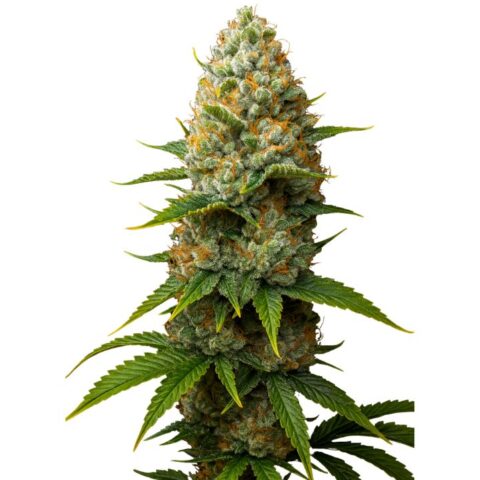 Big Bud Cannabis SeedsFrom: $24.99
2. Critical Mass
- Genetics: Afghani x Skunk #1
- Yield: 650-750 grams per square meter indoors
- Characteristics: Critical Mass is renowned for its heavy yields and sturdy structure. It yields earthy, sweet-smelling buds that are dense and resinous. This strain is a dependable option for high-yield production because it is also resistant to mold and pests.
-
 CBD Critical Mass Cannabis SeedsFrom: $24.99
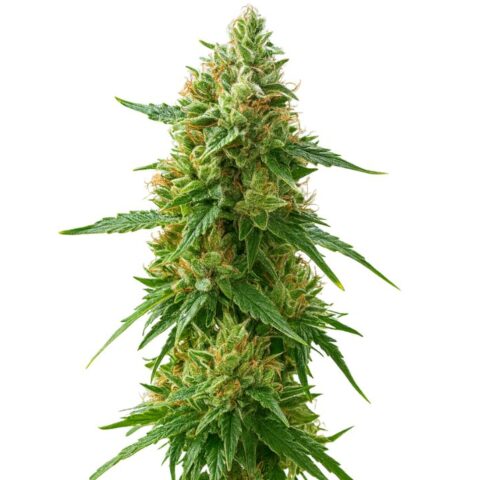
3. Super Silver Haze
- Genetics: Skunk #1 x Northern Lights x Haze
- Yield: 600-650 grams per square meter indoors
- Characteristics: This sativa-dominant strain is famous for its high yields and potent effects. Super Silver Haze produces long, dense buds with a complex aroma of citrus, spice, and earth. Its vigorous growth and high resin production make it a top choice for yield-focused growers.
-
 Super Silver Haze Cannabis SeedsFrom: $24.99
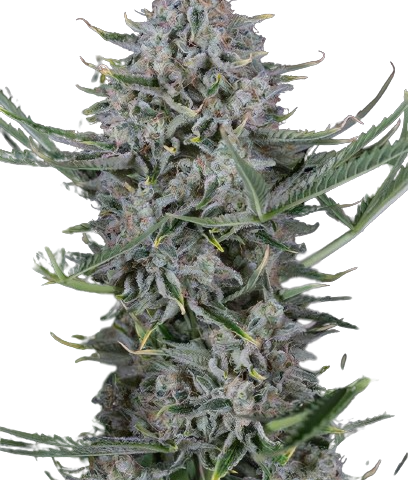
4. Blue Dream
- Genetics: Blueberry x Haze
- Yield: 500-600 grams per square meter indoors
- Characteristics: Blue Dream is a well-balanced hybrid that combines high yields with excellent quality. It produces large, dense buds with a sweet berry aroma and a balanced, uplifting effect. This strain is renowned for being resilient and being simple to grow.
-
Blue Dream Cannabis SeedsFrom: $24.99
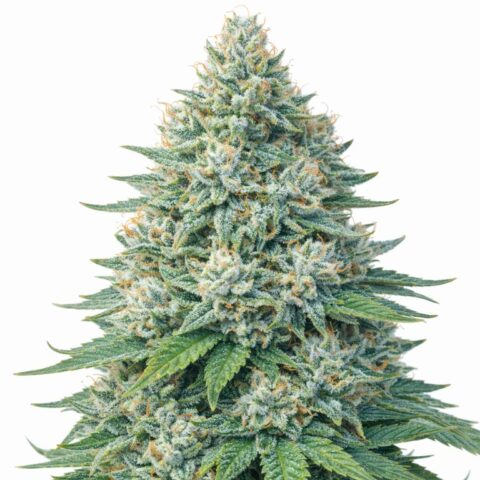
5. Green Crack
- Genetics: Skunk #1 x Unknown Indica
- Yield: 600-650 grams per square meter indoors
- Characteristics: Green Crack is a sativa-dominant strain known for its vigorous growth and high yield potential. It produces dense, resinous buds with a fruity, citrusy flavor. Green Crack’s robust growth and high resistance to pests make it a reliable choice for high-yield cultivation.
High-Yielding Autoflowering Strains
Autoflowering strains flower based on age rather than light cycle, allowing for faster harvests and multiple crops per year. While they typically yield less per plant compared to photoperiod strains, advances in genetics have led to the development of autoflowering strains with impressive yield potential.
1. Auto Mazar
- Genetics: Afghani x Skunk #1 (Autoflowering)
- Yield: 500-600 grams per square meter indoors
- Characteristics: Auto Mazar is a robust autoflowering strain known for its high yield potential and short flowering time. It produces dense, resinous buds with a spicy, earthy aroma. This strain is a great option for both indoor and outdoor production because it is highly resistant to mold and pests.
2. Auto Ultimate
- Genetics: The Ultimate x Original White Widow (Autoflowering)
- Yield: 500-600 grams per square meter indoors
- Characteristics: Auto Ultimate is an autoflowering strain that combines high yield with ease of cultivation. It produces large, dense buds with a sweet, citrusy aroma. This strain is known for its vigorous growth and high resistance to pests and diseases.
3. Auto Glueberry OG
- Genetics: Gorilla Glue #4 x OG Kush x Blueberry (Autoflowering)
- Yield: 450-550 grams per square meter indoors
- Characteristics: Auto Glueberry OG is a high-yielding autoflower with a potent effect and fruity flavor profile. It yields rich, resinous buds that smell sweet and berry-like and have a powerful uplift. This strain is a dependable option for high-yield production because it is also resistant to mold and pests.
Growing Conditions
Optimizing growing conditions is crucial for maximizing cannabis yield. This includes controlling light, temperature, humidity, and airflow, as well as providing the right nutrients at each stage of growth.
Light
Light is the most critical factor for cannabis growth. In 2024, LED lighting technology has advanced significantly, providing energy-efficient solutions that deliver optimal light spectra for cannabis cultivation.
LED Lighting
- Full-Spectrum LEDs: These lights mimic natural sunlight, providing the full range of wavelengths needed for photosynthesis. Full-spectrum LEDs are ideal for all stages of growth, from vegetative to flowering.
- Adjustable Spectrum LEDs: These lights allow growers to adjust the light spectrum according to the plant’s stage of growth, optimizing photosynthetic efficiency and maximizing yield.
Light Intensity and Duration
- Vegetative Stage: During the vegetative stage, cannabis plants require 18-24 hours of light per day. High-intensity light promotes vigorous growth and strong branch development.
- Flowering Stage: During the flowering stage, cannabis plants require 12 hours of light and 12 hours of darkness. Maintaining high light intensity during this stage ensures maximum bud development and yield.
Temperature and Humidity
Maintaining optimal temperature and humidity levels is essential for healthy plant growth and maximum yield.
- Vegetative Stage: During the vegetative stage, the ideal temperature range is 70-85°F (21-29°C), with a humidity level of 40-70%. Higher humidity levels promote faster growth and larger leaf surface area.
- Flowering Stage: During the flowering stage, the ideal temperature range is 65-80°F (18-26°C), with a humidity level of 40-50%. Reduced humidity lowers the chance of mildew and mold, which can degrade the quality and quantity of buds.
Airflow and Ventilation
Proper airflow and ventilation are crucial for maintaining healthy plants and preventing mold and pest infestations. In 2024, advanced ventilation systems are available to ensure optimal air exchange and CO2 levels.
- Fans and Ventilation Systems: Installing oscillating fans and exhaust systems helps maintain consistent airflow and temperature. This prevents heat stress and ensures that plants receive a steady supply of CO2.
- CO2 Enrichment: Enriching the grow room with CO2 can significantly increase yield by enhancing photosynthesis. 1200–1500 ppm of CO2 are the best levels to maximize growth and bud formation.
Nutrients and Soil
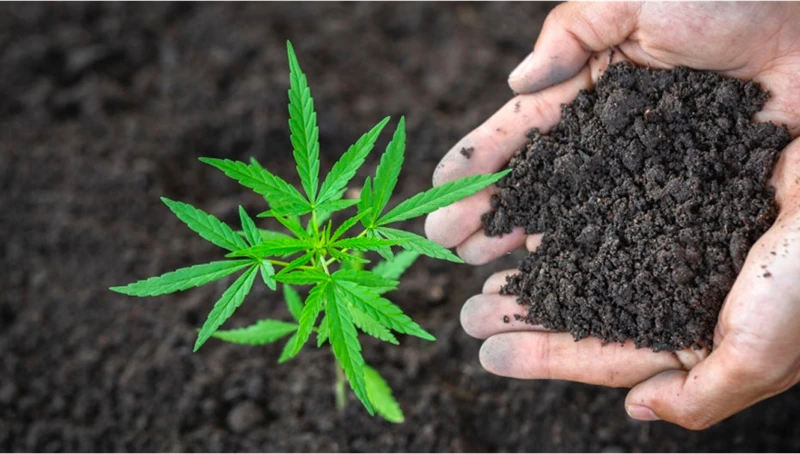
Achieving the highest possible output from cannabis requires providing the appropriate nutrients at every stage of growth. In 2024, advanced nutrient formulations and soil amendments are available to optimize plant health and productivity.
Nutrient Formulations
- Vegetative Stage: During the vegetative stage, cannabis plants require higher levels of nitrogen (N) to support leaf and stem growth. Balanced formulations with an NPK ratio of 3-1-2 are ideal.
- Flowering Stage: During the flowering stage, cannabis plants require higher levels of phosphorus (P) and potassium (K) to support bud development. Formulations with an NPK ratio of 1-2-3 or 0-3-4 are ideal.
Soil and Growing Medium
- Soil: High-quality organic soil enriched with compost and beneficial microorganisms provides a solid foundation for plant growth. Adding amendments such as perlite, vermiculite, and coco coir improves aeration and water retention.
- Hydroponics: Higher yields and quicker development are possible with hydroponic systems because they provide exact control over pH levels and nutrient delivery. Aeroponics, nutrient film technology, and deep water culture (DWC) are popular systems.
Advanced Cultivation Techniques
Several advanced cultivation techniques can significantly enhance cannabis yield. These techniques involve manipulating plant structure and growth patterns to maximize light exposure and bud development.
Training and Pruning
- Topping: Topping involves cutting off the main stem to encourage the growth of multiple colas. This increases the number of bud sites and enhances yield.
- Low-Stress Training (LST): LST involves gently bending and tying down branches to create an even canopy. This maximizes light penetration and promotes the growth of lower bud sites.
- Screen of Green (ScrOG): ScrOG involves placing a screen above the plants and training branches to grow horizontally. This creates an even canopy and maximizes light exposure to all bud sites.
- Defoliation: Removing excess fan leaves improves light penetration and airflow to the lower bud sites, enhancing bud development and yield.
Advanced Techniques
- Sea of Green (SOG): SOG involves growing many small plants in a confined space, allowing for rapid growth and multiple harvests. This technique maximizes yield by utilizing vertical space and optimizing light exposure.
- Main-Lining: Main-lining involves training plants to grow multiple main colas, creating a symmetrical structure that maximizes bud development. This technique combines topping and LST for optimal results.
Pest and Disease Management
Managing pests and diseases well is essential to keeping plants healthy and increasing productivity. In 2024, integrated pest management (IPM) strategies and biological controls offer environmentally friendly solutions for pest and disease control.
Integrated Pest Management (IPM)
- Prevention: Implementing preventive measures such as maintaining cleanliness, proper sanitation, and quarantining new plants reduces the risk of pest infestations.
- Monitoring: Early diagnosis and response are made possible by routinely checking plants for indications of pests and illnesses. Using sticky traps and pheromone traps helps monitor pest populations.
- Biological Controls: Introducing beneficial insects such as ladybugs, predatory mites, and parasitic wasps helps control pest populations naturally.
Common Pests and Diseases
- Spider Mites: These tiny pests feed on plant sap, causing leaf discoloration and reduced yield. Introducing predatory mites and maintaining high humidity levels helps control spider mite infestations.
- Aphids: Aphids feed on plant sap and can transmit plant viruses. Introducing ladybugs and using neem oil sprays helps control aphid populations.
- Powdery Mildew: A white, powdery coating covers the leaves and buds of this fungal disease. Maintaining low humidity levels and using fungicidal sprays helps prevent and control powdery mildew.
Harvesting and Curing
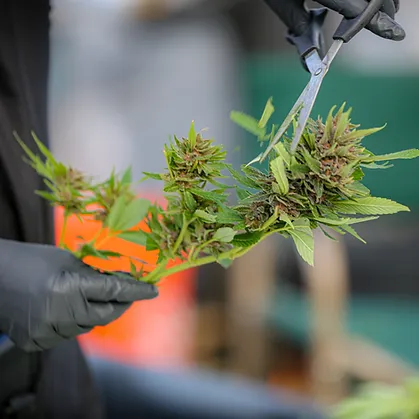
Proper harvesting and curing techniques are essential for maximizing yield and ensuring high-quality buds. In 2024, advanced drying and curing methods are available to preserve the potency, flavor, and aroma of cannabis.
Harvesting
- Timing: Timely harvesting is essential to optimize both potency and production. Use a microscope or magnifying glass to examine trichomes. For optimal effects, harvest when the majority of the trichomes are hazy with some amber heads.
- Techniques: Cutting down whole plants or individual branches, followed by trimming off fan leaves and sugar leaves, prepares buds for drying and curing.
Drying
- Environment: Drying should take place in a dark, cool, and well-ventilated area with a temperature of 60-70°F (15-21°C) and humidity of 45-55%.
- Methods: Hanging branches or using drying racks allows for even drying. Ensure proper spacing to promote airflow and prevent mold growth.
Curing
- Jar Curing: Place dried buds in airtight glass jars and store them in a cool, dark place. For the first week, open the jars every day to let out moisture; after that, open them less times each week.
- Humidity Control: Using humidity packs helps maintain optimal humidity levels (55-65%) during the curing process, preserving flavor and potency.
Technology and Automation
In 2024, technology and automation play a significant role in maximizing cannabis yield. Advanced monitoring systems, automated nutrient delivery, and climate control systems streamline the cultivation process and enhance efficiency.
Monitoring Systems
- Sensors: Using sensors to monitor temperature, humidity, CO2 levels, and soil moisture provides real-time data for optimal environmental control.
- Remote Monitoring: Mobile apps and cloud-based systems allow growers to monitor and adjust growing conditions remotely, ensuring optimal plant health and yield.
Automated Nutrient Delivery
- Drip Irrigation: Automated drip irrigation systems deliver precise amounts of water and nutrients to each plant, reducing waste and ensuring consistent growth.
- Fertigation Systems: These systems combine irrigation and fertilization, allowing for precise nutrient delivery based on the plant’s growth stage.
Climate Control Systems
- Environmental Controllers: Advanced environmental controllers automate temperature, humidity, and CO2 levels, maintaining optimal growing conditions and reducing the risk of human error.
- Automated Ventilation: Automated ventilation systems adjust airflow and CO2 levels based on real-time data, ensuring consistent air quality and plant health.
Sustainable Practices
Sustainability is a growing concern in cannabis cultivation. Implementing sustainable practices not only benefits the environment but also enhances yield and quality.
Organic Growing
- Organic Nutrients: Using organic fertilizers and amendments, such as compost, worm castings, and bat guano, promotes healthy soil and plant growth.
- Beneficial Microorganisms: Introducing beneficial bacteria and fungi, such as mycorrhizae and trichoderma, enhances nutrient uptake and plant health.
Water Conservation
- Rainwater Harvesting: Collecting and using rainwater reduces the demand on local water supplies and provides a sustainable water source for cannabis cultivation.
- Efficient Irrigation: Implementing efficient irrigation systems, such as drip irrigation and soaker hoses, reduces water waste and ensures consistent moisture levels.
Energy Efficiency
- LED Lighting: Using energy-efficient LED lighting reduces electricity consumption and heat output, lowering the overall environmental impact of cannabis cultivation.
- Renewable Energy: Incorporating renewable energy sources, such as solar or wind power, reduces reliance on non-renewable resources and lowers the carbon footprint of the cultivation operation.
Conclusion
Maximizing cannabis yield in 2024 involves a multifaceted approach that integrates advanced genetics, optimal growing conditions, precise nutrient management, and innovative cultivation techniques. By selecting high-yielding strains, both photoperiod and autoflowering, growers can lay the foundation for a successful harvest. Strains such as Big Bud, Critical Mass, and Auto Mazar have been developed to offer substantial yields, while maintaining resilience to pests and diseases.
Growing conditions play a pivotal role in achieving maximum yield. Utilizing full-spectrum or adjustable spectrum LED lighting ensures that plants receive the ideal light intensity and quality throughout their growth cycle. Maintaining optimal temperature, humidity, and airflow further promotes healthy plant development and reduces the risk of mold and pests. CO2 enrichment can also enhance photosynthesis and yield.
Nutrient management is essential at each stage of growth. Tailoring nutrient formulations to the vegetative and flowering stages ensures that plants receive the necessary macro and micronutrients for vigorous growth and bud development. Whether growing in soil or hydroponics, providing a balanced and consistent nutrient supply is crucial.
Advanced cultivation techniques such as topping, low-stress training (LST), and the Screen of Green (ScrOG) method can significantly boost yield by optimizing light exposure and bud site development. Implementing these techniques requires careful planning and regular maintenance but can result in a more productive and efficient grow operation.
Effective pest and disease management is vital for maintaining plant health and maximizing yield. Integrated pest management (IPM) strategies, including prevention, monitoring, and biological controls, offer environmentally friendly solutions to common pest and disease challenges. Ensuring a clean growing environment and promptly addressing any issues can prevent significant yield losses.
Harvesting and curing techniques also impact the final yield and quality of cannabis. Harvesting at the right time, followed by proper drying and curing, preserves the potency, flavor, and aroma of the buds. Advanced drying and curing methods available in 2024 can further enhance the final product.
Technology and automation streamline the cultivation process, making it more efficient and consistent. Monitoring systems, automated nutrient delivery, and climate control systems reduce human error and allow for precise control over growing conditions. These technologies enable growers to optimize every aspect of the cultivation process, leading to higher yields and better quality.
Sustainability practices are increasingly important in cannabis cultivation. Organic growing methods, water conservation, and energy efficiency not only benefit the environment but also improve plant health and yield. Implementing sustainable practices ensures that cannabis cultivation remains viable and responsible in the long term.
In conclusion, maximizing cannabis yield in 2024 requires a comprehensive and integrated approach. By selecting the right strains, optimizing growing conditions, managing nutrients effectively, employing advanced cultivation techniques, and leveraging technology and sustainability, growers can achieve exceptional yields and high-quality cannabis. The advancements in genetics and cultivation methods provide an exciting opportunity for both commercial and home growers to enhance their production and contribute to a thriving cannabis industry.
