Table of Contents
Maui is a classic sativa-dominant hybrid that hails from the volcanic soils of Hawaii, particularly the island of Maui—hence its name. Sometimes referred to as Maui Wowie, though not always synonymous, Maui is known for its uplifting cerebral high, tropical terpene profile, and mild yet functional body relaxation.
Genetic Lineage and Breeding Background
- Lineage: Maui is thought to be an older landrace derivative, likely descended from a Hawaiian sativa crossed with an unknown indica to stabilize the strain for indoor cultivation.
- Sativa/Indica ratio: Approximately 80% sativa / 20% indica
- THC content: Averages 18–22%, though some phenotypes exceed 24%
- CBD content: Typically <1%, making it a THC-dominant strain
Historically, Hawaiian strains like Maui have adapted to humid tropical climates, leading to robust, mildew-resistant sativa phenotypes. Breeders stabilized Maui’s landrace lineage to maintain vigor while making it viable for broader cultivation.
Cannabinoid Profile
Maui’s therapeutic and recreational effects derive from its cannabinoid content, dominated by THC.
Primary Cannabinoids
| Cannabinoid | Typical Concentration | Function |
|---|---|---|
| THC | 18–24% | Psychoactive, euphoric, neuroprotective |
| CBD | 0.1–0.5% | Minimal presence, non-psychoactive, anxiolytic |
| CBG | ~0.3% | Mood regulator, anti-inflammatory |
| CBC | Trace amounts | Synergistic, neurogenic properties |
| THCV | Trace to 0.5% | Appetite suppressant, energizing |
Note: Low CBD and moderate THCV levels make Maui more energizing and cognitive than sedative.
Terpene Profile and Sensory Characteristics
Terpenes shape the flavor, aroma, and neuropsychological effects of Maui.
Dominant Terpenes
| Terpene | Aroma/Flavor | Effects |
|---|---|---|
| Myrcene | Earthy, musky, mango | Sedation, analgesia |
| Limonene | Citrus, lemon, tropical | Uplifting, anxiolytic, mood-boosting |
| Pinene | Pine, herbal | Bronchodilator, memory retention |
| Caryophyllene | Pepper, spice | Anti-inflammatory, stress relief |
| Terpinolene | Sweet, floral, fruity | Mild sedative, antioxidant |
Flavor profile: Sweet tropical fruit, pineapple, citrus zest, and light pine.
Aroma: Earthy and sweet with strong citrus-pine undertones reminiscent of Hawaiian fruits and ocean breeze.
Medical Uses of Maui Cannabis
1. Depression and Mood Disorders
Therapeutic Rationale
- Maui’s Role: Due to its uplifting sativa profile and high limonene and THC levels, Maui is often used in treating major depressive disorder (MDD) and dysthymia.
Neurochemical Mechanisms
- THC stimulates dopamine release in the mesolimbic pathway, improving reward processing and reducing anhedonia.
- Limonene crosses the blood-brain barrier, modulating adenosine A2A and serotonin 5-HT1A receptors, associated with antidepressant and anxiolytic effects.
- Pinene and terpinolene offer mild monoamine oxidase inhibitory (MAOI) effects, which prolong serotonin and dopamine activity.
Clinical Notes
- Ideal for daytime depression marked by lethargy, apathy, and low motivation.
- Patients report rapid onset of mood lift within minutes of inhalation.
- Not typically suitable for bipolar depression due to risk of hypomanic triggering with high-THC use.
2. Attention-Deficit/Hyperactivity Disorder (ADHD)
Therapeutic Rationale
- Maui supports attentional stability and task-focused engagement, making it a potential adjunct for adult ADHD treatment.
Mechanism
- Pinene promotes alertness and memory by inhibiting acetylcholinesterase, thereby increasing acetylcholine levels, essential for attention and executive functioning.
- THC modulates dopamine transmission, particularly in the prefrontal cortex, balancing reward response and working memory—both dysregulated in ADHD.
Clinical Practice Considerations
- Low-to-moderate dosing is critical—microdosing strategies (~1–3 mg THC) yield better focus without short-term memory interference.
- Pairing with CBD strains or supplements may reduce overstimulation.
3. Anxiety and Stress-Related Disorders
Mechanism
- Limonene is anxiolytic via 5-HT1A receptor activation, enhancing serotonergic tone.
- Caryophyllene, a sesquiterpene, is unique in binding to CB2 receptors, which play a role in immune modulation and anxiolysis without psychoactivity.
- THC, in low doses, may dampen amygdala hyperactivity, reducing conditioned fear responses.
Target Conditions
- Generalized Anxiety Disorder (GAD)
- Situational stress (e.g., performance anxiety, job-related anxiety)
- PTSD (in specific symptom domains such as hyperarousal)
Risks
- High doses may exacerbate anxiety due to overactivation of CB1 receptors and increased sympathetic tone.
- Maui should be avoided in panic-prone or THC-sensitive patients unless well titrated.
4. Chronic Fatigue Syndrome (CFS) and Fibromyalgia
Mechanistic Basis
- CFS and fibromyalgia often involve dysregulated dopamine, mitochondrial dysfunction, and central sensitization.
- THC and CBG enhance wakefulness via dopaminergic tone in the reticular activating system, which governs alertness.
- Terpenes like limonene increase mitochondrial biogenesis in preclinical studies, potentially aiding cellular energy metabolism.
Clinical Strategy
- Administered in the morning or midday, Maui helps combat mental fog and low energy without sedation.
- May be combined with CBD-rich strains in the evening for full symptom coverage.
5. Migraine and Headache Disorders
Pathophysiology
- Migraines are linked to trigeminovascular inflammation, serotonin dysregulation, and endocannabinoid deficiency.
Maui’s Medical Action
- THC activates CB1 receptors in the periaqueductal gray, reducing nociceptive transmission.
- Myrcene offers muscle relaxant and analgesic properties.
- Caryophyllene reduces neuroinflammation by binding to CB2, potentially lowering cytokine load.
Dosing Strategy
- Maui can be used prophylactically for stress-induced migraines or acutely at onset.
- Inhalation preferred for rapid onset; low-dose edibles may provide longer protection.
6. Appetite and GI Disorders
Use Case
- THC is a well-documented orexigenic (appetite-stimulating) compound, often used in cachexia, wasting syndromes, and chemotherapy-induced anorexia.
Maui’s Paradox
- While THC stimulates appetite, Maui contains THCV, which at certain levels may suppress appetite.
- THCV acts as a CB1 receptor antagonist at low doses and partial agonist at higher doses, reducing food intake.
Clinical Implication
- Not optimal for patients solely seeking appetite stimulation
- However, patients experiencing nausea with anxiety components (e.g., IBS or gastroparesis) may benefit from Maui’s mood-elevating and antiemetic properties
7. Neuropathic and Central Pain Conditions
Mechanisms
- THC blocks nociceptive inputs via CB1 modulation in the spinal dorsal horn
- Caryophyllene activates CB2 receptors in immune cells, attenuating cytokine-related pain
- Myrcene has shown analgesic synergy with opioids, potentially lowering opioid need
Clinical Application
- Best suited for neuropathic pain, post-surgical pain, and pain with mood comorbidity
- THC’s psychoactive profile may improve pain tolerance and coping mechanisms
8. Neurodegenerative Support
Evidence Base
- While less studied directly with Maui, its terpene and cannabinoid structure aligns with neuroprotective mechanisms observed in models of:
- Alzheimer’s Disease
- Parkinson’s Disease
- Multiple Sclerosis
Mechanisms
- THC and CBG enhance brain-derived neurotrophic factor (BDNF)
- Limonene reduces oxidative damage in hippocampal neurons
- Pinene preserves short-term memory, counteracting some THC side effects
Formulation Preference
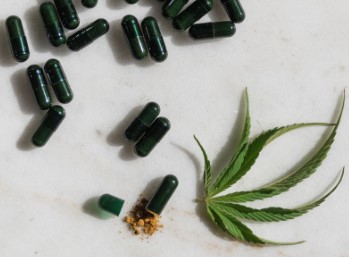
- Tinctures and capsules of Maui extract (with standardized THC/terpene ratios) may be more effective for sustained delivery
9. Inflammatory Disorders
Immunomodulation
- Maui’s caryophyllene content allows it to modulate immune response via non-psychoactive CB2 receptor activation
- Potential applications in:
- Rheumatoid arthritis
- Inflammatory bowel disease
- Autoimmune flare cycles
Maui in a Clinical Regimen
- Pairing with CBD or other CB2 agonists may yield greater anti-inflammatory coverage with minimal THC burden
- Maui serves better for flare-induced fatigue or pain than baseline immune control
10. Cautions and Contraindications in Medical Use
Adverse Risks
- Psychosis susceptibility: THC may trigger episodes in vulnerable patients
- Cardiac risk: In rare cases, THC can raise heart rate and BP
- Paranoia/anxiety: More likely at high doses or in THC-naive users
Drug Interactions
- Maui’s THC can inhibit CYP2C9 and CYP3A4 enzymes, affecting drugs like:
- Warfarin
- Benzodiazepines
- SSRIs (e.g., fluoxetine, sertraline)
- Antiepileptics
Best Practices
- Begin with microdosing (1–2 mg THC), titrate based on response
- Use vaporization or tinctures for medical precision
- Consider terpene-preserved extracts or full-spectrum oils for better therapeutic efficacy than isolated THC
Summary Table of Maui’s Medical Effects
| Condition | Primary Effects | Mechanisms | Terpenes Involved |
|---|---|---|---|
| Depression | Mood lift, motivation | Dopamine/serotonin modulation | Limonene, Pinene |
| ADHD | Focus, cognitive clarity | Dopamine + ACh modulation | Pinene |
| Anxiety (low dose) | Calm, decreased rumination | 5-HT1A, CB2 agonism | Limonene, Caryophyllene |
| Fatigue/CFS | Energy, mental stimulation | Dopamine activation, mitochondrial support | THC, Limonene, Terpinolene |
| Migraine | Pain relief, neurovascular stability | CB1 inhibition of nociception | Myrcene, THC, Caryophyllene |
| GI disorders/Nausea | Reduced nausea, mood lift | CB1 and serotonin interactions | THC, Limonene |
| Neuropathic pain | Pain reduction | CB1/CB2 modulation, anti-inflammatory | Caryophyllene, Myrcene |
| Neurodegeneration (adjunct) | Memory preservation, antioxidant effects | BDNF stimulation, oxidative stress reduction | Limonene, Pinene |
Recreational Uses and Subjective Effects
Maui is known for its classic head high, creativity boost, and social stimulation.
1. Euphoria and Upliftment
- Effect Onset: Fast-acting, typically within 5 minutes when smoked or vaporized
- Peak Experience: Users describe a light, happy cerebral state with zero couchlock
- Activity Suitability: Outdoor events, artistic activities, or social gatherings
2. Creativity and Flow
- Neuropsychological Basis: The combination of THC, limonene, and pinene encourages divergent thinking, which is essential for creativity.
- Popular Among: Artists, musicians, writers, and those engaging in brainstorming or problem-solving tasks.
3. Energy and Motivation
- Often described as a “get up and go” strain
- Promotes mental stimulation without the anxiety sometimes associated with pure sativas like Durban Poison
- Commonly used as a morning or midday strain
4. Sociability and Conversation
- Encourages engagement, humor, and extroversion
- Useful for social anxiety in low doses, though caution is needed for sensitive users
Cultivation Characteristics
Maui Cultivation: Scientific and Agronomic Framework
1. Genetic and Environmental Considerations
Genotype-to-Phenotype Expression
Maui is genetically sativa-dominant, which manifests in:
- Tall vertical growth
- Long internodal spacing
- High transpiration
- Photosensitivity (light-sensitive flowering triggers)
Its phenotype expression is environmentally plastic, meaning it responds strongly to climate, soil nutrients, humidity, and light spectrum. Tropical or semi-tropical mimicry ensures the best expression of resin production and terpene synthesis.
2. Environmental Requirements
A. Light Spectrum and Photoperiod
- Vegetative phase: 18–24 hours of light/day (ideal: 20/4)
- Flowering phase: 12/12 light/dark cycle triggers bud development
- PPFD (Photosynthetic Photon Flux Density):
- Veg phase: 400–600 µmol/m²/s
- Flower phase: 600–1000 µmol/m²/s
- Spectrum preferences:
- Blue light (450–500 nm) enhances vegetative structure
- Red light (620–700 nm) promotes floral development
- UVB radiation (280–315 nm) may upregulate trichome density and cannabinoid synthesis
Indoor tip: Use full-spectrum LED systems with dimming controls to simulate a sunrise/sunset schedule and reduce stress.
B. Temperature and Humidity (VPD Focused)
Optimal Temperatures:
| Stage | Day Temp | Night Temp |
|---|---|---|
| Veg | 75–82°F (24–28°C) | 68–72°F (20–22°C) |
| Flower | 72–78°F (22–25.5°C) | 65–70°F (18–21°C) |
Relative Humidity (RH):
| Stage | RH% |
|---|---|
| Seedling | 70–80% |
| Vegetative | 55–70% |
| Flowering (early) | 45–55% |
| Flowering (late) | 35–45% |
| Drying/Curing | 50–60% |
VPD (Vapor Pressure Deficit) target: 1.0–1.5 kPa during flowering for optimal nutrient uptake and resin production.
C. Soil and Medium
Maui thrives best in light, aerated, well-draining media:
- Preferred soil pH: 6.0–6.5 (soil), 5.8–6.2 (hydro)
- Texture: Loamy-sandy mix with 25–35% perlite
- Organic amendments:
- Bat guano and kelp meal for early N and micronutrients
- Bone meal and rock phosphate during bloom
- Mycorrhizal inoculants improve phosphorus availability and root branching
Hydroponic compatibility: Maui does well in DWC (Deep Water Culture) and ebb-and-flow systems, but higher nutrient sensitivity requires careful EC monitoring.
3. Growth Phases and Scientific Care Practices
A. Germination and Early Veg
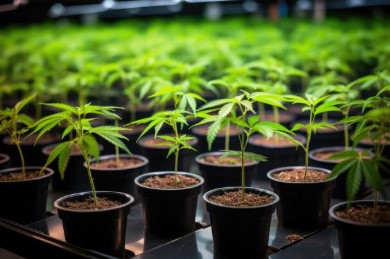
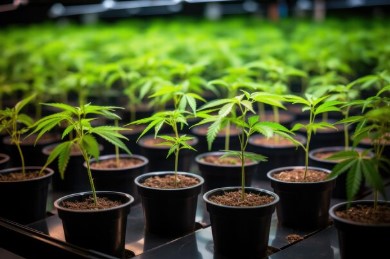
- Light requirement: Low-intensity fluorescent or LED (100–200 PPFD)
- Temperature: 75–80°F
- Humidity: 70–80%
- Use rooting hormones (IBA or NAA) for rapid root development
- Transplant after cotyledons fully expand and 2–3 nodes form
B. Vegetative Phase
- Duration: 4–6 weeks
- Focus: Structure building, stem thickening
- Nutrient Ratio: High N, moderate P, K
- NPK: ~3-1-2 or 4-2-3
- Supplement with Cal-Mag if under LED lighting
- CO₂ supplementation: 800–1200 ppm for accelerated growth (indoor)
Training Techniques (Vegetative)
| Method | Purpose | Ideal Timing |
|---|---|---|
| Topping | Creates bushier structure | Node 4–6 |
| LST (Low Stress Training) | Opens canopy for light penetration | 2nd–3rd week of veg |
| SCROG (Screen of Green) | Maximizes yield and canopy evenness | After topping, veg week 3–4 |
| Defoliation | Increases airflow, reduces pathogens | Late veg, early flower |
Goal: Control vertical stretch (~2x during flowering) and promote even auxin distribution across lateral branches.
C. Flowering Phase
- Photoperiod: 12/12 light/dark
- Stretch period: First 2 weeks; Maui may double in height
- Nutrient shift:
- Week 1–4: NPK 1-2-3 (increase P, moderate K)
- Week 5–7: NPK 0-3-4 (reduce N sharply)
- Week 8–11: Minimal feeding or flushing, depending on medium
Advanced Techniques
- Flush: 7–10 days before harvest using pH-balanced water (~6.0) to reduce residual nutrients
- Brix monitoring: High °Brix (>12) at harvest correlates with terpene and sugar content
- Light deprivation (outdoor growers): Initiate early flowering in non-equatorial zones
4. Pest and Pathogen Management
Maui’s Hawaiian heritage gives it moderate natural resistance, but humid environments still pose risks:
Common Threats
- Powdery mildew: Managed with sulfur foliar pre-flower or biocontrols (e.g., Bacillus subtilis)
- Spider mites: Predatory mites (Phytoseiulus persimilis) or neem oil (veg only)
- Bud rot (Botrytis): Keep RH < 45% in late flower, increase airflow
- Fungus gnats: Use sticky traps, diatomaceous earth, or hydrogen peroxide root drench
Integrated Pest Management (IPM)
- Weekly visual inspections
- Companion planting outdoors: Basil, marigold for natural pest deterrence
- Avoid overwatering and high RH convergence with darkness
5. Harvest, Drying, and Curing
Harvest Readiness Indicators
- Trichome heads: 10–15% amber, 70% cloudy (ideal potency + minor sedation)
- Pistils: 70–90% darkened and curled inward
- Brix reading: ≥12
- Aroma: Tropical, sharp terpene signature peaks when ripe
Drying Parameters
- Temp: 60–65°F (15–18°C)
- RH: 50–60%
- Duration: 10–14 days, slow dry to preserve terpenes
Curing
- Store in glass jars, “burp” daily for 10–14 days
- Ideal cure period: 3–8 weeks
- Terpenes like terpinolene and limonene stabilize during this time, improving flavor, burn quality, and psychoactive smoothness
6. Biochemical Optimization and Enhancements
- Silicon supplementation improves stem rigidity and pathogen resistance
- Amino acids (L-glutamic acid, L-glycine) support nitrogen efficiency
- Molasses or humic acids improve soil microbiome during bloom
- UVB exposure (2–4 hours/day in flower) stimulates trichome density and may boost THC/CBD production through oxidative stress
7. Expected Yield and Quality Metrics
| Cultivation Style | Expected Yield | Quality Notes |
|---|---|---|
| Indoor (SCROG) | 14–18 oz/m² | High cannabinoid density |
| Outdoor (optimal climate) | 20–24 oz/plant | Rich terpene preservation |
| Hydroponic | Slightly higher, faster veg | Tighter control, but more volatile |
Scientific Mechanisms and Pharmacodynamics
THC and the Endocannabinoid System
- Binds primarily to CB1 receptors in the CNS, affecting:
- Neurotransmitter release
- Mood regulation
- Appetite
- Pain signaling
- Increases dopamine and serotonin, key to mood elevation
Terpenes and the Entourage Effect
- Limonene enhances anxiolytic and antidepressant effects
- Pinene offsets THC-induced memory loss
- Caryophyllene binds directly to CB2 receptors, reducing inflammation
The entourage effect—the synergistic interaction between cannabinoids and terpenes—intensifies Maui’s therapeutic benefits beyond isolated THC or CBD.
Metabolism and Duration
- Onset (smoked): 2–5 minutes
- Peak effect: 30–45 minutes
- Duration: 2–3 hours
- Metabolites: Primarily 11-hydroxy-THC, active in CNS
Potential Side Effects and Contraindications
Common Side Effects
| Effect | Cause | Risk Level |
|---|---|---|
| Dry mouth (cottonmouth) | THC → salivary inhibition | Common |
| Dry/red eyes | Vasodilation | Common |
| Anxiety/paranoia | High THC, low CBD | Moderate, dose-dependent |
| Dizziness | Vasodilation, hypoglycemia | Low |
Avoid Use In
- Pregnant or breastfeeding individuals
- Patients with psychosis or schizophrenia
- Children and adolescents (unless medically supervised)
- Individuals on heavy sedatives or CNS depressants
Comparative Strain Analysis
| Strain | Sativa % | Energy | Euphoria | Medical Focus | Taste |
|---|---|---|---|---|---|
| Maui | 80 | High | Moderate-High | Mood, fatigue, ADHD | Tropical, citrus |
| Sour Diesel | 90 | Very High | High | Depression, stress | Diesel, citrus |
| Blue Dream | 60 | Moderate | High | Pain, anxiety, depression | Berry, sweet |
| Durban Poison | 100 | Very High | Moderate | ADHD, fatigue | Pine, sweet, earthy |
Conclusion: Who is Maui Best For?
Maui is ideal for those seeking a bright, energetic, and uplifting cannabis experience that enhances focus, creativity, and motivation. Its low CBD and dominant sativa properties make it a daytime strain best suited for mental health support, mood regulation, and social activities.
It is especially beneficial for:
- Patients with depression, ADHD, fatigue, and mood instability
- Recreational users wanting energy without racing anxiety
- Artists and creatives in search of mental stimulation
- Active individuals preferring sativa benefits with mild physical calm
Proper dosing and strain phenotype selection are essential to maximize therapeutic benefit while minimizing potential side effects. Maui continues to earn its place among classic global strains for both scientific validity and user satisfaction.
For a complete directory of cultivars, visit our Cannabis Strain Reviews.
