Table of Contents
Maui Haole is a unique and intriguing cannabis strain that has garnered significant attention for its tropical flavor profile, balanced effects, and versatile applications in both recreational and medical contexts. This detailed exploration of Maui Haole will delve into its origins, genetics, cannabinoid and terpene profiles, medical and recreational uses, cultivation information, and its cultural impact within the cannabis community.
Origins and Genetics
Maui Haole is a hybrid strain that combines the best traits of its parent strains: Maui Wowie and Romulan. Each parent strain contributes distinct characteristics to Maui Haole, creating a well-rounded hybrid that appealing to a broad spectrum of cannabis users.
- Maui Wowie
- Type: Sativa-dominant
- Flavor Profile: Tropical, sweet pineapple, and citrus.
- Effects: Energizing, uplifting, and cerebral.
- Historical Significance: Maui Wowie originated in Hawaii in the 1960s and is celebrated for its exotic flavors and energizing effects.
- Romulan
- Type: Indica-dominant
- Flavor Profile: Earthy, piney, and slightly spicy.
- Effects: Relaxing, sedative, and body-soothing.
- Medical Applications: Known for its pain-relieving and anti-inflammatory properties.
By crossing these two iconic strains, breeders have created Maui Haole, a strain that offers a balanced hybrid experience, combining the uplifting and creative qualities of Maui Wowie with the calming and therapeutic effects of Romulan.
Cannabinoid Profile
Maui Haole typically exhibits a balanced cannabinoid profile, making it suitable for a variety of users. Its average THC and CBD levels are as follows:
- THC Content: Ranges between 18-24%, providing potent psychoactive effects.
- CBD Content: Minimal, usually less than 1%, which enhances the THC-driven effects rather than counteracting them.
- CBG Content: Present in trace amounts, contributing to anti-inflammatory and neuroprotective properties.
Terpene Profile
The terpene profile of Maui Haole contributes significantly to its flavor, aroma, and therapeutic effects. This strain’s predominant terpenes are as follows:
- Myrcene
- Aroma: Earthy and musky.
- Effects: Relaxation and sedation.
- Medical Benefits: Anti-inflammatory and analgesic properties.
- Limonene
- Aroma: Citrus and fruity.
- Effects: Uplifting and mood-enhancing.
- Medical Benefits: Antidepressant and stress-relieving.
- Pinene
- Aroma: Pine and fresh herbs.
- Effects: Alertness and focus.
- Medical Benefits: Anti-inflammatory and bronchodilator.
- Caryophyllene
- Aroma: Spicy and peppery.
- Effects: Relaxation and stress relief.
- Medical Benefits: Anti-inflammatory and pain-relieving.
- Humulene
- Aroma: Woody and herbal.
- Effects: Appetite suppression.
- Medical Benefits: Anti-inflammatory and anti-bacterial.
Flavor and Aroma
Maui Haole’s flavor and aroma profile is a tropical delight, combining elements of its parent strains. Users often describe the following sensory notes:
- Aroma: A blend of sweet pineapple, citrus, and earthy pine, with hints of spice and herbs.
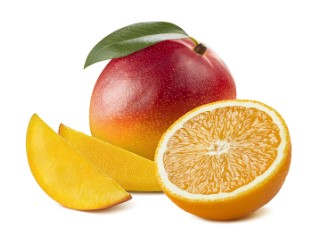
- Flavor: Predominantly tropical, with notes of mango, pineapple, and a citrus tang, followed by a subtle earthy and peppery aftertaste.
Effects and Recreational Uses
Maui Haole’s effects are characterized by a balanced hybrid experience, making it a versatile strain for various recreational activities.
- Initial Effects
- A cerebral rush accompanied by euphoria and an uplifted mood.
- Enhanced creativity and focus, ideal for artistic or brainstorming activities.
- Progressive Effects
- A calming body high that doesn’t overpower the mind.
- Relaxation without couch-lock, allowing users to remain productive.
- Recreational Activities
- Social Gatherings: Enhances mood and sociability, making it great for parties and events.
- Outdoor Adventures: Complements activities like hiking or beach outings due to its energizing yet calming effects.
- Creative Pursuits: Ideal for writing, painting, or music-making thanks to its ability to boost focus and inspiration.
Medical Applications
Maui Haole offers a wide range of therapeutic benefits due to its balanced effects and diverse terpene profile. It is commonly used to address the following medical conditions:
- Mental Health
- Depression: The uplifting and mood-enhancing effects of limonene and THC can help alleviate symptoms of depression.
- Anxiety: The calming properties of myrcene and caryophyllene provide stress relief and relaxation.
- PTSD: The strain’s balanced effects can help manage symptoms of PTSD by promoting a sense of calm and focus.
- Chronic Pain
- The anti-inflammatory properties of myrcene and caryophyllene make Maui Haole effective for managing conditions like arthritis, migraines, and muscle spasms.
- Insomnia
- While not overly sedative, Maui Haole’s relaxing body high can help users unwind and improve sleep quality.
- Appetite Stimulation
- Useful for patients undergoing treatments like chemotherapy, as the strain can combat nausea and stimulate appetite.
- Focus and ADHD
- The alertness-promoting effects of pinene and limonene can benefit individuals with attention disorders by enhancing focus and mental clarity.
Cultivation Information
1. Optimal Growing Environment
Climate and Conditions
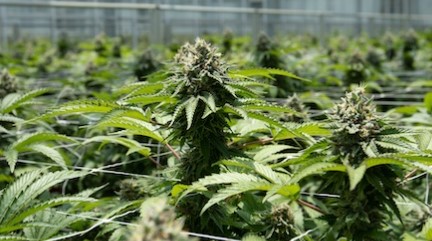
- Temperature Range: Maui Haole thrives in warm, tropical conditions, with an ideal temperature range of 70-85°F (21-29°C).
- Humidity: Moderate humidity levels (40-60%) are essential during the vegetative stage. Lower humidity (30-40%) is recommended during flowering to prevent mold.
- Lighting:
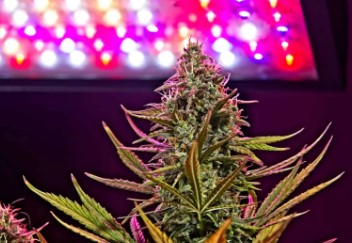
- Indoor cultivation benefits from full-spectrum LED lights to mimic the intensity and UV rays of tropical sunlight.
- Light cycles of 18/6 (light/dark) during the vegetative stage and 12/12 during flowering ensure optimal growth.
Soil and Mediums
- Soil pH: Maintain a slightly acidic pH of 6.0-6.5 for optimal nutrient absorption.
- Preferred Mediums: While traditional soil works well, soilless mediums like coco coir or hydroponics enhance growth control and nutrient delivery.
2. Nutrient Requirements
Maui Haole requires a precise balance of macronutrients (NPK: Nitrogen, Phosphorus, Potassium) and micronutrients.
- Vegetative Stage:
- High nitrogen (N) content promotes leafy growth.
- Nutrient formula: 3:1:2 (NPK).
- Flowering Stage:
- Higher levels of phosphorus (P) and potassium (K) encourage flower development and resin production.
- Nutrient formula: 1:3:2 (NPK).
- Micronutrients:
- Magnesium (Mg), Calcium (Ca), and Iron (Fe) are crucial for chlorophyll production and preventing nutrient deficiencies.
- Chelated nutrients can ensure better absorption.
3. Watering Techniques
- Water Quality: Use filtered or distilled water to avoid chlorine and heavy metals.
- Irrigation:
- Drip irrigation or automated systems ensure consistent hydration.
- Underwatering stresses the plant, while overwatering causes root rot.
- pH Balance: Maintain water pH between 5.8-6.5 to ensure nutrient uptake.
4. Advanced Cultivation Techniques
Pruning and Training
- Topping and FIMing: Encourage lateral growth by trimming the main stem, which promotes an even canopy and higher yields.
- Low-Stress Training (LST): Bend and tie branches to maximize light exposure and airflow without damaging the plant.
- Defoliation: Remove lower fan leaves and overcrowded areas to improve light penetration and reduce the risk of mold.
Hydroponic Systems
- Advantages: Faster growth, precise nutrient delivery, and reduced risk of soil-borne pests.
- Techniques: Deep Water Culture (DWC), Nutrient Film Technique (NFT), and aeroponics are highly effective for Maui Haole.
5. Pest and Disease Management
Common Issues:
- Pests: Spider mites, aphids, and whiteflies are common.
- Diseases: Powdery mildew and root rot can affect growth.
Preventive Measures:
- Use Integrated Pest Management (IPM) techniques:
- Introduce beneficial insects like ladybugs or predatory mites.
- Employ insecticidal soaps or neem oil as natural pest repellents.
- Ensure proper air circulation with oscillating fans to reduce humidity and mold risks.
- Sterilize tools and clean the grow area regularly to prevent contamination.
6. Flowering and Harvesting
Flowering Stage
- Maui Haole has a flowering time of 8-10 weeks. During this period:
- Gradually reduce nitrogen and increase phosphorus and potassium to enhance flower development.
- Monitor trichomes for peak potency; cloudy trichomes with amber hues indicate readiness for harvest.
Harvesting
- Harvest Time: Ideally performed when the buds are dense, trichomes are milky, and pistils darken.
- Flushing: Two weeks before harvest, flush plants with plain water to remove residual nutrients, improving flavor and smoothness.
7. Drying, Curing, and Storage
- Drying:
- Hang trimmed branches in a dark room with 50% humidity and temperatures of 60-70°F (15-21°C).
- Ensure proper airflow to prevent mold.
- Curing:
- Store dried buds in glass jars, opening them daily for the first two weeks to release excess moisture.
- Curing enhances terpene profiles and cannabinoid potency.
- Storage:
- Keep in a cool, dark place with airtight containers to preserve potency and flavor.
8. Scientific Enhancements for Cultivation
Tissue Culture
- Advanced growers use tissue culture techniques to propagate Maui Haole. This method ensures disease-free clones with identical genetics to the parent plant.
Genetic Testing
- Analyzing the plant genome helps identify traits like pest resistance, terpene production, and cannabinoid profiles, allowing for selective breeding.
LED Spectrum Customization
- Tailored light spectrums (e.g., blue light during vegetative growth, red light during flowering) optimize photosynthesis and resin production.
Methods of Ingestion
The way Maui Haole is consumed directly impacts its onset, intensity, and duration of effects. Here are the primary methods, their mechanisms, and benefits:
1. Inhalation (Smoking or Vaping)

- Mechanism:
- Cannabinoids (THC, CBD) and terpenes are absorbed through the alveoli in the lungs and enter the bloodstream almost instantly.
- Onset: Effects begin within 1-5 minutes of inhalation.
- Duration: Effects typically last 1-3 hours, depending on dosage.
- Best for:
- Quick relief from symptoms like acute pain, anxiety, or nausea.
- Recreational users seeking an immediate high.
- Considerations:
- Smoking exposes users to combustion byproducts, whereas vaping provides a cleaner, more terpene-preserving option.
- Portable and accessible but less discreet than other methods.
2. Oral Ingestion (Edibles)
- Mechanism:
- THC is metabolized in the liver, converting to 11-hydroxy-THC, a more potent and long-lasting compound than delta-9-THC.
- Onset: Takes 30-90 minutes, as digestion and liver metabolism delay the effects.
- Duration: Effects last 4-8 hours, with a peak around 2-4 hours after consumption.
- Best for:
- Prolonged symptom relief (e.g., chronic pain or insomnia).
- Users preferring a discreet method of consumption.
- Considerations:
- Effects are more intense and can feel “heavier” due to 11-hydroxy-THC potency.
- Dosing can be challenging for beginners, so start with low doses (2.5-5 mg THC).
3. Sublingual Administration (Tinctures, Sprays)
- Mechanism:
- Cannabinoids are absorbed through mucous membranes under the tongue, bypassing first-pass metabolism in the liver.
- Onset: Effects begin within 15-30 minutes.
- Duration: Effects last 2-4 hours.
- Best for:
- Precise dosing (e.g., medical patients requiring consistent relief).
- Faster onset than edibles without smoking or vaping.
- Considerations:
- Taste may be an issue for some users, but flavored options are widely available.
- Tinctures offer flexibility, allowing microdosing for tailored effects.
4. Topical Application (Lotions, Balms)
- Mechanism:
- Without going into the bloodstream, cannabinoids interact with the skin’s CB2 receptors.
- Onset: Localized relief begins within 15-30 minutes.
- Duration: Effects last 2-6 hours.
- Best for:
- Localized pain, inflammation, or skin conditions (e.g., arthritis or psoriasis).
- Users seeking non-psychoactive relief.
- Considerations:
- Does not produce systemic effects or a “high.”
- Best for targeted relief rather than general effects.
5. Dabbing (Concentrates)
- Mechanism:
- Concentrated cannabinoids and terpenes are vaporized and inhaled, delivering a potent dose directly to the lungs.
- Onset: Immediate, within 1-2 minutes.
- Duration: Effects last 1-3 hours, similar to smoking but more intense.
- Best for:
- Experienced users seeking potent and fast-acting relief or recreational effects.
- Medical patients with severe symptoms (e.g., breakthrough pain).
- Considerations:
- Requires specialized equipment (dab rigs, e-nails).
- Not ideal for beginners due to the intensity of effects.
6. Capsules and Pills
- Mechanism:
- Similar to edibles, cannabinoids are absorbed through digestion and metabolized in the liver.
- Onset: Takes 30-90 minutes.
- Duration: Effects last 4-8 hours.
- Best for:
- Discreet and precise dosing for medical use.
- Users who prefer a tasteless option.
- Considerations:
- Longer onset time in contrast to alternative techniques.
- Effects are consistent but lack the ability to titrate dose mid-session.
7. Suppositories
- Mechanism:
- Cannabinoids are absorbed through rectal or vaginal tissue, bypassing the digestive system and liver metabolism.
- Onset: Effects begin within 10-20 minutes.
- Duration: Effects last 4-8 hours.
- Best for:
- Patients who cannot tolerate oral ingestion (e.g., nausea or vomiting).
- Targeted relief for pelvic or gastrointestinal conditions.
- Considerations:
- Non-traditional method; primarily used for medical purposes.
Onset of Effects
The onset of Maui Haole effects depends heavily on the method of ingestion due to differences in cannabinoid absorption pathways:
| Method | Onset Time | Mechanism |
|---|---|---|
| Smoking/Vaping | 1-5 minutes | Absorbed through the lungs. |
| Edibles | 30-90 minutes | Metabolized in the liver (11-hydroxy-THC). |
| Sublingual | 15-30 minutes | Absorbed via mucous membranes. |
| Topical | 15-30 minutes | Localized action through CB2 receptors. |
| Dabbing | 1-2 minutes | Immediate absorption via lungs. |
| Capsules/Pills | 30-90 minutes | Digestive absorption and liver metabolism. |
| Suppositories | 10-20 minutes | Absorption through rectal or vaginal tissue. |
Duration of Effects
The duration of Maui Haole effects varies based on how the cannabinoids are processed and their interaction with the body:
| Method | Duration | Notes |
|---|---|---|
| Smoking/Vaping | 1-3 hours | Quick onset but shorter duration. |
| Edibles | 4-8 hours | Long-lasting due to liver metabolism. |
| Sublingual | 2-4 hours | Moderate duration with faster onset. |
| Topical | 2-6 hours | Localized relief without psychoactivity. |
| Dabbing | 1-3 hours | Intense effects with quick onset. |
| Capsules/Pills | 4-8 hours | Consistent, long-lasting effects. |
| Suppositories | 4-8 hours | Effective for medical applications. |
Scientific Considerations
- Bioavailability:
- Inhalation offers the highest bioavailability (~30%), while oral ingestion has lower bioavailability (10-20%) due to the “first-pass effect” in the liver.
- Sublingual methods bypass the liver, improving bioavailability to ~20-35%.
- 11-Hydroxy-THC:
- This metabolite, produced during oral ingestion, is more psychoactive than delta-9-THC, explaining the intense effects of edibles.
- Tolerance and Sensitivity:
- Frequent users may develop tolerance, requiring higher doses for the same effects.
- Individual differences in metabolism and endocannabinoid receptor density affect onset and duration.
Scientific Insights
The balanced effects and therapeutic benefits of Maui Haole are backed by scientific research on cannabinoids and terpenes. Here are some key findings:
- Cannabinoids
- THC: Studies show THC interacts with CB1 receptors in the brain, leading to euphoria, pain relief, and mood enhancement.
- CBD: Though minimal in Maui Haole, CBD’s interaction with CB2 receptors may enhance the strain’s anti-inflammatory properties.
- Terpenes
- Limonene: Clinical studies suggest limonene may reduce anxiety and stress by modulating serotonin levels.
- Myrcene: Known for its sedative effects, myrcene enhances the permeability of cell membranes, allowing cannabinoids to act more efficiently.
- Pinene: Research highlights pinene’s potential as a bronchodilator, which can benefit users with respiratory conditions.
- Caryophyllene: Unique among terpenes for its ability to directly activate CB2 receptors, contributing to its anti-inflammatory and pain-relieving effects.
Cultural Impact
Maui Haole has gained popularity within the cannabis community for its exotic flavor profile and versatile effects. It is frequently featured in dispensaries and cannabis competitions, celebrated for its high-quality genetics and therapeutic potential.
- Community Favorites: Loved by both recreational users seeking a tropical escape and medical patients looking for balanced relief.
- Artistic Representation: Often depicted in artwork and branding that emphasizes its Hawaiian heritage and tropical allure.
Conclusion
Maui Haole is a standout hybrid strain that masterfully blends the best traits of Maui Wowie and Romulan. Its balanced cannabinoid and terpene profiles make it suitable for a wide range of users, offering uplifting and creative effects alongside relaxation and therapeutic benefits. Whether used recreationally for social gatherings or medically for pain and stress relief, Maui Haole continues to captivate cannabis enthusiasts and patients alike.
For a complete directory of cultivars, visit our Cannabis Strain Reviews.
