Table of Contents
An In-Depth Look into the Iconic Cannabis Strain
Matanuska Tundra, often referred to simply as “Matanuska,” is a legendary cannabis strain with a rich history, unique cultivation characteristics, and a balanced profile of recreational and medical benefits. Originating from the rugged Alaskan wilderness, this strain is a testament to nature’s ability to thrive in harsh conditions and is celebrated for its resilience, potency, and flavor.
This comprehensive guide delves into the origins, cultivation techniques, and the multifaceted benefits of Matanuska Tundra, providing growers and users alike with valuable insights into one of cannabis’s most intriguing strains.
Origins and History of Matanuska Tundra
Matanuska Tundra hails from the Matanuska Valley in Alaska, a region known for its fertile soil, cold temperatures, and breathtaking landscapes. The strain’s name is a tribute to the unique conditions of its homeland, where it was cultivated to withstand the region’s extreme climate. While the exact lineage of Matanuska Tundra remains somewhat mysterious, it is believed to be a hybrid of Afghan Indica strains, known for their hardy genetics, and native Alaskan varieties.
In the 1980s and 1990s, the strain gained popularity among cannabis enthusiasts for its high THC levels and euphoric effects. Today, it remains a favorite for those seeking a potent and balanced cannabis experience.
Appearance and Aroma
One of the most striking features of Matanuska Tundra is its appearance. The buds are dense and resinous, often coated in a thick layer of trichomes that give them a frosty, almost snow-covered look—a fitting characteristic for a strain from Alaska. The colors range from deep forest green to hints of purple, with bright orange pistils weaving through the buds.
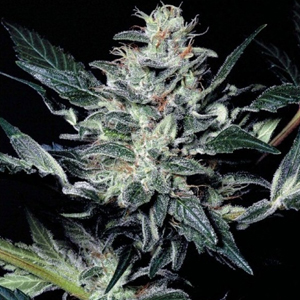
The aroma of Matanuska Tundra is equally impressive. It carries a rich, earthy scent reminiscent of fresh pine forests and damp soil, complemented by subtle notes of chocolate and coffee. When smoked or vaped, the flavor profile mirrors its aroma, with a smooth, creamy smoke that has hints of cocoa and a slightly sweet finish.
Cultivation: Growing Matanuska Tundra
Matanuska Tundra is a relatively easy strain to grow, making it a popular choice for both novice and experienced cultivators. Its hardy genetics, adapted to Alaskan conditions, make it resistant to pests, mold, and temperature fluctuations. However, like all cannabis strains, it thrives best when given the right care and attention.
Growing Conditions
- Climate: While Matanuska Tundra is resilient, it prefers a cool to moderate climate with low humidity. It can handle colder temperatures better than most strains, thanks to its Alaskan heritage.
- Indoor vs. Outdoor: It is possible to cultivate this strain both indoors and outdoors. Indoors, growers have better control over temperature and humidity, which can enhance yield and potency. Outdoors, it thrives in regions with shorter growing seasons, similar to its native Alaska.
Light Requirements
Matanuska Tundra benefits from consistent light cycles during its vegetative and flowering stages. Indoors, a 600-watt high-intensity discharge (HID) light or a full-spectrum LED light can provide the necessary energy for optimal growth.
Soil and Nutrients
- Soil: A well-aerated soil rich in organic matter is ideal. Growers can also use a coco coir or hydroponic medium for better control over nutrient uptake.
- Nutrients: Matanuska Tundra responds well to a balanced feeding schedule. During the vegetative stage, nitrogen-rich fertilizers promote vigorous growth, while phosphorus and potassium become more crucial during flowering to support bud development.
Flowering Time and Yield
- Flowering Time: Matanuska Tundra typically flowers in 8–10 weeks, depending on the growing environment.
- Yield: Indoors, growers can expect yields of around 12–16 ounces per square meter. Outdoor plants, given ample space and sunlight can produce up to 18 ounces per plant.
Training Techniques
To maximize yields, growers can employ training techniques such as:
- Low-Stress Training (LST): Bending and tying branches to create an even canopy and improve light penetration.
- Screen of Green (ScrOG): Using a screen to train the plant into a flat canopy, ensuring all bud sites receive equal light.
Medical Uses of Matanuska Tundra
Matanuska Tundra is renowned for its balanced effects, making it a versatile option for medical cannabis patients. With THC levels ranging from 18% to 22%, it delivers potent relief without overwhelming sedation. The strain also contains moderate amounts of CBD, enhancing its therapeutic profile.

Pain Management
Matanuska Tundra is highly effective in alleviating chronic pain, muscle spasms, and inflammation. Its Indica-dominant properties provide a soothing body high that relaxes tense muscles and eases discomfort.
Mental Health
For those dealing with stress, anxiety, or depression, Matanuska Tundra offers a calming and uplifting effect. It induces a sense of euphoria and mental clarity, helping patients combat negative thought patterns and emotional distress.
Sleep Disorders
Thanks to its relaxing properties, this strain is a go-to for patients with insomnia. Consumed in moderate to high doses, it can promote deep, restful sleep.
Appetite Stimulation
Like many cannabis strains, Matanuska Tundra can trigger the “munchies,” making it a valuable option for patients who are losing their appetite as a result of illnesses or therapies like chemotherapy.
Recreational Uses of Matanuska Tundra
Recreational users cherish Matanuska Tundra for its well-rounded effects, which offer a harmonious blend of mental stimulation and physical relaxation. Its high begins with a cerebral rush that boosts creativity and mood, followed by a mild body high that relieves stress.
Social Settings
The uplifting nature of Matanuska Tundra makes it an excellent choice for social gatherings. It can enhance conversations, reduce social anxiety, and foster a sense of camaraderie among friends.
Creative Activities
This strain is frequently used as an inspiration by musicians, authors, and artists. The initial cerebral high sharpens focus and encourages out-of-the-box thinking.
Relaxation and Stress Relief
After a long day, Matanuska Tundra is perfect for unwinding. Its body high soothes aches and pains, while its mental effects help users decompress and let go of stress.
Outdoor Adventures
Given its Alaskan roots, it’s no surprise that Matanuska Tundra pairs beautifully with outdoor activities. Whether it’s hiking, fishing, or simply enjoying nature, the strain’s uplifting and relaxing effects complement the experience.
Potential Side Effects
While Matanuska Tundra is well-tolerated by most users, it can cause some side effects, especially when consumed in high doses. These include:
- Dry Mouth and Eyes: Common among cannabis users, these effects can be mitigated by staying hydrated and using eye drops.
- Dizziness: Some users, particularly beginners, may experience mild dizziness.
- Paranoia or Anxiety: Rare but possible, especially for those sensitive to THC or consuming excessive amounts.
Matanuska Tundra’s Ingestion Methods: A Scientific Perspective
Matanuska Tundra, like other cannabis strains, can be consumed through various methods that cater to individual preferences, desired effects, and medical needs. Each ingestion method affects the body differently, largely due to variations in cannabinoid absorption, onset time, and bioavailability. Understanding these differences allows users to choose the most suitable method for their goals while ensuring optimal efficacy and safety.
This section delves into the most common ingestion methods for Matanuska Tundra, providing a scientific dissection of their workings, benefits, and factors.
1. Smoking
Overview
Smoking remains one of the most traditional and popular methods of cannabis consumption. It involves inhaling the combustion products of cannabis flower, allowing cannabinoids like THC and CBD to enter the bloodstream rapidly via the lungs.
Mechanism
When Matanuska Tundra is smoked, the cannabinoids are converted from their acidic forms (THCA, CBDA) into their active forms (THC, CBD) through decarboxylation caused by heat. The smoke is inhaled into the lungs, where the alveoli provide a large surface area for rapid absorption into the bloodstream.
Key Features
- Onset Time: Effects are felt within seconds to minutes due to the direct delivery of cannabinoids into the bloodstream.
- Duration: Effects last 1–3 hours, depending on dose and individual metabolism.
- Bioavailability: Estimated at 20–30%, as some cannabinoids are lost during combustion.
Pros
- Immediate relief, making it ideal for acute conditions like pain or anxiety.
- Simple and requires minimal preparation.
- Offers full flavor profile, allowing users to experience Matanuska Tundra’s chocolatey and earthy terpenes.
Cons
- Combustion produces harmful byproducts like tar and carbon monoxide.
- May irritate the respiratory system over time.
Scientific Considerations
While smoking provides rapid effects, chronic use via combustion can lead to respiratory issues. Vaporization (discussed below) is often recommended as a healthier alternative.
2. Vaporization (Vaping)
Overview
Vaping involves heating cannabis flower or concentrates to a temperature below combustion (typically 180–220°C), releasing cannabinoids and terpenes in the form of vapor without producing harmful byproducts.
Mechanism
The cannabinoids and terpenes in Matanuska Tundra are released as vapor through heat-induced decarboxylation. This vapor is inhaled into the lungs and absorbed similarly to smoking, but with reduced exposure to irritants.
Key Features
- Onset Time: Similar to smoking (seconds to minutes).
- Duration: Effects last 1–3 hours.
- Bioavailability: Comparable to smoking but potentially higher due to reduced cannabinoid loss.
Pros
- Safer than smoking, with fewer respiratory risks.
- Preserves terpene and flavor profiles, enhancing the sensory experience.
- Precise temperature control allows users to target specific cannabinoids and terpenes.
Cons
- Requires a vaporizer, which can be costly upfront.
- Maintenance of the device is necessary for optimal performance.
Scientific Considerations
Vaping is considered a harm reduction strategy for cannabis users who prefer inhalation methods. Studies show it is associated with fewer respiratory symptoms compared to smoking.
3. Edibles
Overview
Edibles are cannabis-infused food or drink products. This method involves oral ingestion, resulting in a slower onset but longer-lasting effects compared to inhalation methods.
Mechanism
When Matanuska Tundra is consumed as an edible, cannabinoids are absorbed through the digestive tract. THC is metabolized in the liver to 11-hydroxy-THC, a compound that is more potent Its half-life is longer than that of THC.
Key Features
- Onset Time: Effects take 30–90 minutes to manifest due to the digestion process.
- Duration: Effects last 4–8 hours, sometimes longer.
- Bioavailability: Estimated at 4–20%, as cannabinoids are partially degraded during digestion and first-pass metabolism.
Pros
- Discreet and odorless, making it ideal for public or professional settings.
- Long-lasting effects are suitable for chronic conditions like pain or insomnia.
- No respiratory risks.
Cons
- Difficult to dose accurately, especially for beginners.
- Delayed onset can lead to overconsumption.
- Effects can feel more intense due to 11-hydroxy-THC.
Scientific Considerations
Edibles offer sustained relief, making them ideal for managing chronic conditions. However, precise dosing is critical to avoid overconsumption, as the delayed onset often leads to unintended highs.
4. Sublingual Administration (Tinctures and Oils)

Overview
By applying cannabis tinctures or oils beneath the tongue, sublingual administration enables the mucous membranes to absorb cannabinoids straight into the bloodstream.
Mechanism
By bypassing the digestive system, sublingual delivery avoids first-pass metabolism, providing faster effects compared to edibles. Cannabinoids enter the bloodstream via the sublingual gland, resulting in a more efficient absorption process.
Key Features
- Onset Time: Effects begin within 15–30 minutes.
- Duration: Effects last 3–6 hours.
- Bioavailability: Higher than edibles, ranging from 12–35%.
Pros
- Rapid onset compared to edibles.
- Discreet and easy to use.
- Allows precise dosing.
Cons
- Some users may find taste unappealing.
- Effects are shorter than those from edibles.
Scientific Considerations
Sublingual administration offers a balanced approach, combining the discreet nature of edibles with a quicker onset time. This method is particularly beneficial for users seeking consistent and precise dosing.
5. Topical Application
Overview
Topicals are lotions, balms, or creams that are applied directly to the skin and contain cannabis. They are primarily used for localized relief of pain, inflammation, or skin conditions without producing psychoactive effects.
Mechanism
When applied, cannabinoids like THC and CBD bind to cannabinoid receptors in the skin and underlying tissues. However, they do not typically enter the bloodstream in significant amounts, preventing systemic effects.
Key Features
- Onset Time: Effects begin within 15–30 minutes.
- Duration: Relief lasts 2–4 hours.
- Bioavailability: Limited to localized areas.
Pros
- Non-psychoactive, making it suitable for users who want therapeutic benefits without a “high.”
- beneficial for skin disorders, inflammation, or localized pain.
- Minimal risk of side effects.
Cons
- Limited to external application and localized effects.
- For long-lasting relief, frequent reapplication might be necessary.
Scientific Considerations
Topicals are ideal for targeted therapy, particularly for conditions like arthritis, muscle soreness, or psoriasis. Emerging research suggests that transdermal patches could deliver cannabinoids systemically for longer-lasting effects.
6. Dabbing (Concentrates)
Overview
Dabbing involves inhaling vapor from cannabis concentrates, which are highly potent extracts. Experienced users who want strong effects prefer this method.
Mechanism
Concentrates like shatter, wax, or live resin derived from Matanuska Tundra are heated on a dab rig or e-nail to release cannabinoids and terpenes as vapor. These are then inhaled, providing rapid and powerful effects.
Key Features
- Onset Time: Immediate (seconds to minutes).
- Duration: Effects last 1–3 hours.
- Bioavailability: High, as concentrates contain a purified form of cannabinoids.
Pros
- Delivers potent effects with a small amount.
- Highlights the strain’s terpene profile.
- Rapid relief, suitable for severe pain or acute conditions.
Cons
- Not beginner-friendly due to potency.
- Requires specialized equipment and expertise.
- Overconsumption can lead to adverse effects like paranoia or anxiety.
Scientific Considerations
Dabbing is a method best suited for users with high tolerance or those managing severe symptoms. The high potency requires careful dosing to avoid overwhelming effects.
7. Capsules and Pills
Overview
Capsules and pills are pre-measured doses of cannabis oil or powder, offering a consistent and discreet method of consumption.
Mechanism
Similar to edibles, capsules must pass through the digestive system and are metabolized by the liver. However, their precise formulation ensures consistent dosing and predictable effects.
Key Features
- Onset Time: 30–90 minutes.
- Duration: Effects last 4–8 hours.
- Bioavailability: Comparable to edibles (4–20%).
Pros
- Precise dosing, ideal for medical use.
- Odorless and discreet.
- Long-lasting relief.
Cons
- Delayed onset time.
- For novices, the effects might be too intense.
Scientific Considerations
Capsules are particularly useful for patients requiring consistent and controlled doses of cannabinoids, such as those suffering from neurological disorders or chronic pain.
Summary of Ingestion Methods
| Method | Onset Time | Duration | Bioavailability | Best For |
|---|---|---|---|---|
| Smoking | Seconds-Minutes | 1–3 Hours | 20–30% | Acute relief, recreational use |
| Vaporization | Seconds-Minutes | 1–3 Hours | 20–30% | Healthier alternative to smoking |
| Edibles | 30–90 Minutes | 4–8 Hours | 4–20% | Chronic conditions, long-lasting relief |
| Sublingual | 15–30 Minutes | 3–6 Hours | 12–35% | Precise dosing, medical use |
| Topical | 15–30 Minutes | 2–4 Hours | Localized | Local pain, inflammation |
| Dabbing | Seconds-Minutes | 1–3 Hours | High | Severe pain, experienced users |
| Capsules | 30–90 Minutes | 4–8 Hours | 4–20% | Consistent dosing, medical use |
Final Thoughts: Why Choose Matanuska Tundra?
Matanuska Tundra is more than just a cannabis strain; it’s a piece of Alaskan heritage. Its unique combination of resilience, potency, and flavor makes it a standout choice for growers and consumers alike. This strain is excellent for anyone looking to improve their recreational experiences or find relief from medical conditions.
Its balanced effects make it suitable for a wide range of users, from novices to seasoned cannabis enthusiasts. With proper cultivation techniques, growers can enjoy bountiful harvests of this frosty, flavorful strain. And for consumers, Matanuska Tundra promises a journey of relaxation, creativity, and connection with nature.
In the ever-expanding world of cannabis, Matanuska Tundra holds its own as a classic strain with timeless appeal.
Choosing the best method for consuming Matanuska Tundra depends on individual needs, preferences, and the desired effects. For rapid relief, inhalation methods like smoking or vaping are ideal. For long-lasting effects, edibles or capsules are preferable. Topical applications provide targeted relief without psychoactive effects, while dabbing and sublingual methods offer specialized benefits.
By understanding the scientific principles behind each ingestion method, users can make informed decisions that enhance their experience with Matanuska Tundra. Whether for medical or recreational purposes, this versatile strain adapts beautifully to a variety of consumption styles.
For a complete directory of cultivars, visit our Cannabis Strain Reviews.
