Table of Contents
Master Yoda, a potent and well-balanced hybrid strain, is renowned for its relaxing and uplifting effects. A cross between two legendary strains, OG Kush and Master Kush, Master Yoda inherits a robust genetic lineage that contributes to its popularity among both recreational and medical users. With a THC content ranging between 20% and 24%, this strain offers powerful effects, making it suitable for experienced users. Its unique combination of cerebral euphoria and deep physical relaxation has solidified its reputation as a versatile and sought-after strain.
Genetic Profile
Master Yoda is a hybrid strain, typically leaning slightly towards the indica side, with a ratio of approximately 60% indica to 40% sativa. This balanced genetic composition gives rise to its multifaceted effects, combining the mental stimulation of sativas with the soothing body high of indicas.
- Parent Strains:
- OG Kush: Known for its potent euphoria and stress-relieving properties, OG Kush contributes to Master Yoda’s uplifting cerebral effects.
- Master Kush: A classic indica-dominant strain, Master Kush adds its signature relaxation and body-focused effects to the mix.
- THC Content: 20% – 24%
- CBD Content: Typically under 1%
- Terpene Profile: Master Yoda features a rich terpene profile, with dominant terpenes including myrcene, limonene, and caryophyllene. These terpenes contribute to its effects, flavor, and aroma.
Appearance, Aroma, and Flavor
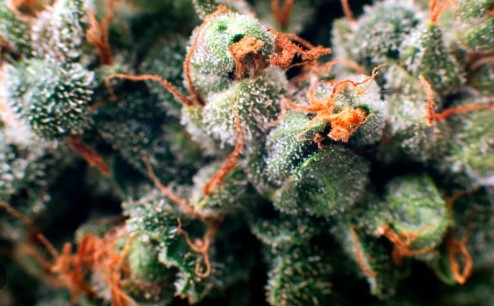
- Appearance: Master Yoda buds are dense and compact, characteristic of indica strains. They exhibit a vibrant green color with orange pistils and a generous coating of frosty trichomes, giving the buds a sticky, resinous texture.
- Aroma: The aroma of Master Yoda is a delightful blend of earthiness, citrus, and pine. Upon breaking the buds, users may notice hints of herbal and woody undertones.
- Flavor: The flavor profile mirrors its aroma, with a smooth smoke or vapor that delivers notes of citrus, pine, and a subtle sweetness. The exhale often leaves a slightly spicy or peppery aftertaste, courtesy of the caryophyllene content.
Recreational Uses
Master Yoda’s balanced effects make it a favorite among recreational users seeking both mental and physical relief. Here are its primary recreational applications:
- Social Situations: The initial cerebral high induces euphoria and enhances sociability, making it an excellent option for get-togethers, parties, or informal get-togethers with friends.
- Creative Pursuits: Master Yoda’s uplifting and mentally stimulating effects can spark creativity and focus, making it a suitable option for artistic or innovative activities.
- Relaxation: As the effects progress, the indica-dominant side takes over, providing a deep sense of relaxation and tranquility. Because of this, it is perfect for relaxing after a hard day.
- Entertainment: Whether watching movies, playing video games, or enjoying music, Master Yoda’s effects enhance sensory perception and enjoyment, elevating the overall experience.
Medical Uses
Master Yoda is widely regarded for its therapeutic potential, offering relief for a variety of medical conditions. Its balanced effects address both mental and physical ailments, making it a versatile option for patients.
Mental Health Benefits:
- Stress and Anxiety Relief:
- The uplifting and euphoric effects help reduce stress and anxiety levels, promoting a sense of calm and well-being. Patients with generalized anxiety disorder (GAD), social anxiety, or situational stress often benefit from this strain.
- Depression:
- Master Yoda’s mood-enhancing properties are effective in alleviating symptoms of depression. The strain’s ability to induce positivity and mental clarity can provide temporary relief from negative thought patterns.
- PTSD:
- For individuals with post-traumatic stress disorder, Master Yoda’s calming and grounding effects can help manage symptoms such as hypervigilance, intrusive thoughts, and insomnia.
Physical Health Benefits:
- Chronic Pain Management:
- The strain’s potent analgesic properties make it effective for managing various types of chronic pain, including back pain, arthritis, and neuropathy. Its high THC content interacts with the body’s endocannabinoid system to reduce pain perception.
- Muscle Spasms and Tension:
- Master Yoda’s relaxing effects extend to the muscles, providing relief from spasms, tension, and cramps. This makes it a suitable choice for conditions such as multiple sclerosis or fibromyalgia.
- Appetite Stimulation:
- Like many high-THC strains, Master Yoda can stimulate appetite, helping patients with conditions such as anorexia, cachexia, or those undergoing treatments like chemotherapy.
- Insomnia:
- The sedative effects of Master Yoda’s indica genetics are beneficial for individuals struggling with insomnia. The strain promotes deep relaxation and helps users fall asleep more easily.
- Nausea:
- Master Yoda’s antiemetic properties can alleviate nausea and vomiting, offering relief for patients undergoing chemotherapy or dealing with gastrointestinal disorders.
Scientific Insights
Cannabinoid Profile:
Master Yoda’s high THC content (20% – 24%) is primarily responsible for its potent psychoactive effects. The low CBD levels (typically under 1%) mean the strain’s effects are more focused on euphoria and relaxation rather than anti-inflammatory benefits typically associated with CBD-rich strains.
Terpene Profile:
- Myrcene:
- Found in high concentrations, myrcene contributes to the strain’s earthy aroma and sedative effects. This terpene is believed to enhance the permeability of cell membranes, allowing cannabinoids like THC to take effect more quickly.
- Limonene:
- Responsible for the citrusy notes in Master Yoda’s flavor, limonene is known for its mood-enhancing and stress-relieving properties.
- Caryophyllene:
- This spicy, peppery terpene is unique in its ability to bind directly to CB2 receptors, offering anti-inflammatory and analgesic benefits.
Pharmacological Effects:
- THC:
- Interacts with CB1 receptors in the brain, inducing psychoactive effects such as euphoria, altered perception, and relaxation.
- Activates the body’s endocannabinoid system to modulate pain, mood, and appetite.
- Terpene Interactions:
- The entourage effect, a synergistic interaction between cannabinoids and terpenes, enhances the overall therapeutic potential of Master Yoda. For example, myrcene’s sedative properties amplify THC’s calming effects, while limonene and caryophyllene contribute to stress relief and pain management.
Potential Side Effects:
While Master Yoda offers numerous benefits, it’s important to consider potential side effects, particularly for new users or people who are THC sensitive.
- Dry Mouth and Dry Eyes:
- These are the most common side effects, often alleviated with hydration and lubricating eye drops.
- Dizziness:
- High THC levels may cause dizziness, especially when consumed in large quantities or by individuals with low tolerance.
- Anxiety or Paranoia:
- In rare cases, the potent cerebral effects may exacerbate anxiety or induce paranoia. This danger can be reduced by starting with a low dosage.
- Sedation:
- The strain’s sedative effects can be overwhelming for some users, particularly if consumed during the day or in excessive amounts.
Consumption Methods
1. Smoking
Smoking is the most traditional and common method of consuming cannabis.
- How It’s Done: Inhalation via joints, blunts, pipes, or bongs.
- Onset: 1–3 minutes after inhalation, as THC enters the bloodstream through the lungs almost immediately.
- Duration: Effects last for 1.5–3 hours, with peak effects occurring within 30 minutes.
- Pros:
- Immediate relief for conditions like chronic pain or anxiety.
- Easy to control dosing by taking small puffs.
- Cons:
- Harsh on the lungs, potentially irritating the throat.
- Combustion can destroy some cannabinoids and terpenes, reducing therapeutic potential.
2. Vaporization (Vaping)
Cannabis is heated by vaping to a point where terpenes and cannabinoids are released without burning.

- How It’s Done: Use a vaporizer designed for dry herbs or concentrates.
- Onset: Similar to smoking, with effects felt within 1–3 minutes.
- Duration: Lasts about 1.5–3 hours.
- Pros:
- Less damaging to the lungs than smoking.
- Preserves more of the terpene profile, enhancing flavor and therapeutic effects.
- Portable devices make it discreet and convenient.
- Cons:
- Requires specialized equipment.
- Initial investment can be higher.
3. Edibles
Edibles involve consuming cannabis-infused food or beverages, delivering cannabinoids via the digestive system.
- How It’s Done: Master Yoda can be infused into butter, oil, or directly into pre-made edibles.
- Onset: Slow onset, typically 30–90 minutes, as the THC is metabolized by the liver into 11-hydroxy-THC, a more potent form.
- Duration: Effects can last 6–8 hours, sometimes longer, depending on metabolism and dose.
- Pros:
- Long-lasting effects are ideal for chronic conditions like pain or insomnia.
- Discreet and smoke-free consumption method.
- Cons:
- Difficult to gauge the dosage, especially for beginners.
- The effects of overconsumption can be severe and long-lasting.
- Slow onset may frustrate users seeking immediate relief.
4. Tinctures
Tinctures are liquid cannabis extracts that are added to food and beverages or taken sublingually, or under the tongue.
- How It’s Done: Place a few drops under the tongue and hold for 30–60 seconds before swallowing.
- Onset: 15–30 minutes when taken sublingually, as THC is absorbed through the mucous membranes.
- Duration: Effects last 4–6 hours.
- Pros:
- Precise dosing with dropper measurements.
- Faster onset compared to edibles.
- Can be mixed with food or beverages for versatility.
- Cons:
- Some people may find the taste unpleasant.
- Effects are slower compared to smoking or vaping.
5. Concentrates (Dabs)
Concentrates like wax, shatter, or oil are highly potent forms of cannabis that are vaporized and inhaled.
- How It’s Done: Heated on a dab rig or vaporized with specialized devices.
- Onset: Almost immediate, within 1–3 minutes.
- Duration: Effects last 2–4 hours.
- Pros:
- Very potent, suitable for users with high tolerance.
- Immediate relief for acute symptoms like pain or nausea.
- Cons:
- Not beginner-friendly due to potency.
- Requires specialized equipment and preparation.
6. Topicals
Topicals are transdermal patches, balms, or creams that are administered directly to the skin and contain cannabis.
- How It’s Done: Applied to localized areas for targeted relief.
- Onset: Effects felt within 15–30 minutes for most topicals. Transdermal patches can deliver cannabinoids into the bloodstream for systemic effects.
- Duration: Varies; effects typically last 2–6 hours.
- Pros:
- Non-psychoactive when used locally, making it ideal for pain or inflammation without a high.
- Easy to use and discreet.
- Cons:
- Only has localized effects unless transdermal patches are used.
- May not provide adequate relief for systemic conditions.
Effects by Ingestion Method: onset and duration
| Method | Onset | Peak Effects | Duration |
|---|---|---|---|
| Smoking | 1–3 minutes | 30 minutes | 1.5–3 hours |
| Vaporization | 1–3 minutes | 30 minutes | 1.5–3 hours |
| Edibles | 30–90 minutes | 2–3 hours | 6–8 hours |
| Tinctures | 15–30 minutes | 1–2 hours | 4–6 hours |
| Concentrates | 1–3 minutes | 30–60 minutes | 2–4 hours |
| Topicals | 15–30 minutes | N/A | 2–6 hours |
Factors Influencing Onset and Duration
The exact onset and duration of Master Yoda effects can vary based on several factors:
- Individual Metabolism:
- Particularly for edibles, a faster metabolism results in a speedier onset.
- Body Composition:
- Fat-soluble cannabinoids like THC may have prolonged effects in individuals with higher body fat.
- Tolerance Level:
- Regular cannabis users may experience shorter durations and need higher doses to achieve desired effects.
- Method of Consumption:
- Inhalation delivers THC directly to the bloodstream, resulting in immediate effects. Oral ingestion undergoes first-pass metabolism in the liver, delaying onset but intensifying effects.
- Terpene Profile:
- Terpenes like myrcene can enhance THC sedative effects, potentially prolonging the high.
Cultivation Information
1. Optimal Growing Environment
Master Yoda thrives in controlled conditions where temperature, humidity, and lighting can be precisely managed. Its compact and bushy structure is ideal for both indoor and outdoor setups, but each comes with unique requirements:

Indoor Cultivation:
- Temperature: Maintain daytime temperatures between 70–85°F (21–29°C). Nighttime temperatures should not drop below 65°F (18°C) to avoid stress.
- Humidity Levels:
- Vegetative Stage: 55–65% relative humidity (RH) for optimal growth.
- Flowering Stage: 40–50% RH to reduce the risk of mold and mildew due to its dense buds.
- Lighting:
- Use full-spectrum LED or HPS (High-Pressure Sodium) lights for indoor growth. Provide 18–24 hours of light during the vegetative phase and 12 hours of light during flowering.
- Light intensity should be maintained at 400–700 μmol/m²/s during flowering for maximum yield.
- Air Circulation: Good airflow is essential. Install oscillating fans and ensure exhaust systems are in place to prevent stagnant air and maintain CO₂ levels.
Outdoor Cultivation:
- Climate: Master Yoda prefers a warm and sunny Mediterranean-like climate with minimal rain during flowering.
- Soil Requirements: Use nutrient-rich, well-draining soil with a slightly acidic pH of 6.0–6.8.
- Sunlight: Position plants in areas that receive 6–8 hours of direct sunlight daily.
- Pest and Disease Resistance: Master Yoda is naturally resistant to common issues like mold, mildew, and pests. However, routine inspection and organic pest management (like neem oil) are still recommended.
2. Growing Mediums
Master Yoda can adapt to various growing mediums, but each offers unique benefits:
- Soil: Best for beginners as it provides a natural buffer for nutrients. Opt for organic soil mixes rich in nutrients like nitrogen (N), phosphorus (P), and potassium (K).
- Coco Coir: A hydroponic-friendly medium that offers excellent aeration and water retention. Regular nutrient feeding is necessary since coco lacks inherent nutrients.
- Hydroponics: Ideal for maximizing yield and growth speed. Master Yoda thrives in systems like Deep Water Culture (DWC) or drip irrigation. Maintain nutrient solutions at an EC (Electrical Conductivity) of 1.5–2.0 mS/cm and pH levels between 5.5 and 6.5.
3. Nutrient Requirements
Proper nutrient feeding is critical for Master Yoda’s health and productivity.
Vegetative Stage:
- Nitrogen (N): Essential for vigorous leaf and stem growth.
- Micronutrients: Include calcium (Ca), magnesium (Mg), and iron (Fe) to prevent nutrient deficiencies.
- Feed with a NPK ratio of 4:2:3 (high nitrogen).
Flowering Stage:
- Transition to a low-nitrogen, high-phosphorus, and high-potassium formula to encourage resin production and bud density.
- Recommended NPK ratio: 1:4:5 during early flowering and 0:3:5 in late flowering.
- Supplementation: Add silica for stronger stems and potassium sulfate (K₂SO₄) to boost trichome production.
4. Pruning and Training Techniques
Due to its bushy growth pattern, Master Yoda benefits from pruning and training to maximize light exposure and airflow.
- Topping: Remove the main shoot during the vegetative phase to encourage lateral growth and multiple colas.
- Low-Stress Training (LST): Bend and tie down branches to create an even canopy and improve light penetration.
- Defoliation: Remove excess fan leaves, especially during flowering, to prevent mold and ensure energy is directed to bud production.
- Screen of Green (ScrOG): Use a trellis or screen to train the plant branches horizontally, optimizing yields in limited space.
5. Flowering and Harvesting
Master Yoda has a flowering time of 8–10 weeks and produces dense, resin-coated buds.
- Signs of Maturity: Monitor trichomes with a magnifying glass or microscope.
- Clear trichomes: Not ready.
- Cloudy trichomes: Peak potency.
- Amber trichomes: More sedative effects.
- Harvest Time: Harvest when trichomes are mostly cloudy with a hint of amber for a balanced effect.
6. Post-Harvest Processing
Proper drying and curing enhance Master Yoda flavor, potency, and shelf life.
- Drying: Hang buds upside down in a dark room with 50% humidity and a temperature of 60–70°F (15–21°C). Drying takes 7–10 days.
- Curing: Place the dried buds in glass jars that are airtight. For the first week, open the jars every day to let the moisture out. Cure for at least 2–4 weeks for the best terpene and cannabinoid profile.
Final Thoughts
Master Yoda’s unique combination of potent effects, therapeutic benefits, and rich flavor profile make it a standout strain in the cannabis community. Whether you’re seeking relief from physical ailments, mental health support, or simply a relaxing and enjoyable recreational experience, Master Yoda delivers on all fronts. However, its high THC content necessitates cautious use, especially for beginners.
With its impressive lineage and well-rounded attributes, Master Yoda continues to be a favorite among cannabis enthusiasts and medical patients alike. May the force of this exceptional strain be with you!
For a complete directory of cultivars, visit our Cannabis Strain Reviews.
