Table of Contents
Marionberry Kush is a flavorful and potent hybrid strain known for its fruity aroma, well-balanced effects, and significant medical benefits. With a unique genetic lineage that combines Indica and Sativa properties, this strain provides both cerebral stimulation and full-body relaxation. Marionberry Kush is sought after for its therapeutic potential, making it a favorite among both medical and recreational cannabis users. This guide delves into its genetic background, appearance, aroma, flavor, THC and CBD content, medical and recreational benefits, and cultivation techniques.
1. Genetic Background
Marionberry Kush is a hybrid cannabis strain with a genetic lineage that traces back to some of the most well-known strains in the cannabis industry. It is a cross between Raspberry Kush and Space Queen, both of which contribute to its unique properties.
- Raspberry Kush is an Indica-dominant strain known for its berry-like aroma and strong body relaxation effects. It contributes to the sedative and calming aspects of Marionberry Kush.
- Space Queen is a well-balanced hybrid known for its uplifting cerebral effects, adding a touch of Sativa-driven mental stimulation to Marionberry Kush.
The result is a hybrid strain that leans slightly towards Indica (around 60% Indica, 40% Sativa), offering a well-balanced experience that combines relaxation with mental clarity.
2. Appearance, Aroma, and Flavor Profile
Appearance
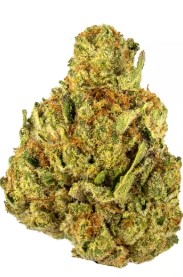
Marionberry Kush plants exhibit a striking visual appeal, characterized by:
- Dense, medium-sized buds that are often coated with a generous layer of trichomes.
- A mix of green and purple hues, with deep orange pistils that add to its aesthetic beauty.
- Sticky, resinous buds that indicate high potency.
Aroma
One of the defining features of Marionberry Kush is its robust and fruity aroma. It boasts:
- A strong berry scent reminiscent of marionberries, raspberries, and blueberries.
- Subtle undertones of earthiness and pine, providing depth to its fragrance.
- A slight hint of citrus and sweetness, making it an appealing choice for those who enjoy fruit-forward strains.
Flavor
The flavor profile of Marionberry Kush closely mirrors its aroma, offering:
- A dominant berry and fruity taste that is both sweet and tangy.
- Earthy undertones that balance the sweetness.
- A smooth, slightly creamy aftertaste that enhances the smoking or vaping experience.
3. THC and CBD Content
Marionberry Kush is recognized for its moderate-to-high THC content, typically ranging between 18% and 23%, making it a strong strain for users with experience. It generally contains low levels of CBD (usually below 1%), which means its therapeutic THC and other cannabinoids are the main drivers of effects.
4. Medical Uses of Marionberry Kush
Marionberry Kush is a hybrid cannabis strain known for its therapeutic potential, offering a balanced combination of Indica and Sativa effects. With a THC content of 18-23% and minimal CBD levels, its medical efficacy is largely attributed to its cannabinoid profile, terpene composition, and pharmacological interactions with the endocannabinoid system (ECS).

Mechanism of Action: How Marionberry Kush Works in the Body
Marionberry Kush exerts its medical effects primarily through cannabinoids, which interact with the endocannabinoid system (ECS). This system regulates pain, mood, sleep, immune response, and appetite.
Key Cannabinoids in Marionberry Kush
- THC (Δ9-Tetrahydrocannabinol)
- Primary psychoactive compound that binds to CB1 receptors in the brain, reducing pain and inducing euphoria.
- Activates CB2 receptors in peripheral tissues, modulating immune response and inflammation.
- CBD (Cannabidiol)
- Though present in low amounts, CBD modulates THC’s psychoactive effects by interacting with CB1 receptors.
- Enhances anandamide (a natural endocannabinoid) levels, reducing anxiety and stress.
- CBG (Cannabigerol)
- May exhibit anti-inflammatory, antibacterial, and neuroprotective properties.
- Acts as a GABA reuptake inhibitor, helping with anxiety and muscle relaxation.
Terpene Profile and Its Medical Benefits
Terpenes play a crucial role in the therapeutic efficacy of Marionberry Kush due to their entourage effect, in which terpenes and cannabinoids cooperate.
| Terpene | Effect | Medical Benefits |
|---|---|---|
| Myrcene | Sedative, muscle relaxant | Reduces pain, inflammation, and insomnia |
| Limonene | Mood enhancer | Anti-anxiety, antidepressant, anti-inflammatory |
| Caryophyllene | Binds to CB2 receptors | Pain relief, anti-inflammatory, gut health |
| Linalool | Calming, anti-anxiety | Reduces stress, anxiety, and epileptic activity |
| Pinene | Bronchodilator, memory enhancer | Asthma relief, cognitive support |
Pain Management and Analgesic Effects
How Marionberry Kush Alleviates Pain
Marionberry Kush’s high THC content makes it an effective analgesic. It works by:
- Modulating pain perception via the CB1 receptors in the central nervous system.
- Reducing inflammation by activating CB2 receptors in immune cells.
- Enhancing dopamine release, which distracts from pain perception.
Medical Conditions Treated
- Chronic Pain (Neuropathic and Inflammatory Pain)
- Effective for arthritis, multiple sclerosis, fibromyalgia, and chronic back pain.
- Migraine and Headache Relief
- THC inhibits calcitonin gene-related peptide (CGRP), a key molecule in migraine pathogenesis.
- Muscle Spasms and Cramps
- Myrcene and THC act as muscle relaxants, benefiting conditions like multiple sclerosis and cerebral palsy.
Neurological and Mental Health Benefits
Marionberry Kush has both neuroprotective and anxiolytic properties, making it useful in mental health treatment.
Anxiety and Stress Reduction
- Limonene and Linalool reduce cortisol levels, alleviating stress and generalized anxiety disorder (GAD).
- Low doses enhance mood, while high doses may induce paranoia (due to THC overactivation of CB1 receptors).
Depression and Mood Disorders
- Marionberry Kush increases serotonin and dopamine levels, improving symptoms of depression and mood instability.
- CBD modulates serotonin receptors (5-HT1A), potentially providing antidepressant effects.
Neuroprotective Properties
- THC and CBD exhibit neuroprotective effects by reducing oxidative stress and neuroinflammation.
- Potential in treating neurodegenerative disorders like Alzheimer’s, Parkinson’s, and Multiple Sclerosis.
Epilepsy and Seizure Management
- Linalool and Caryophyllene possess anticonvulsant properties, but since Marionberry Kush is low in CBD, it is not the primary choice for epilepsy.
- Enhancing GABAergic inhibition helps reduce seizure frequency.
Sleep Disorders and Insomnia Relief
How Marionberry Kush Promotes Sleep
- Myrcene acts as a sedative, prolonging sleep duration.
- THC reduces REM sleep, which can help individuals with PTSD-related nightmares.
- Ideal for patients with chronic insomnia due to its gradual onset of sedation.
Medical Conditions Treated
- Primary Insomnia
- Induces deep sleep while preventing early awakenings.
- Restless Leg Syndrome (RLS)
- Muscle relaxant properties help reduce leg spasms.
- PTSD-Related Sleep Disturbances
- THC suppresses nightmares and sleep disturbances in PTSD patients.
Gastrointestinal and Metabolic Health
Appetite Stimulation and Anti-Nausea Effects
- Marionberry Kush is highly effective for chemotherapy-induced nausea and appetite loss.
- THC binds to CB1 receptors in the hypothalamus, stimulating hunger and increasing ghrelin release.
Medical Conditions Treated
- Cancer Patients (Chemotherapy-Induced Nausea and Vomiting – CINV)
- THC suppresses nausea by blocking serotonin release in the gut.
- Gastrointestinal Disorders (IBS, Crohn’s, and Ulcerative Colitis)
- Caryophyllene reduces intestinal inflammation and gut motility issues.
- Cachexia and Anorexia
- Helps AIDS and cancer patients regain lost appetite.
Cardiovascular and Metabolic Benefits
Effects on Blood Pressure and Heart Health
- Low doses of THC induce vasodilation, potentially reducing hypertension.
- High doses may cause tachycardia, requiring caution for heart patients.
Glucose Regulation
- CBG and THC modulate insulin resistance, potentially aiding diabetic patients.
Immune System Modulation
Anti-Inflammatory and Immunomodulatory Effects
- Marionberry Kush reduces cytokine release, helping with autoimmune diseases.
- Potential benefits for rheumatoid arthritis, lupus, and multiple sclerosis.
Potential Side Effects and Contraindications
While Marionberry Kush provides numerous medical benefits, it may also cause adverse effects, especially in high doses.
| Side Effect | Cause | Prevention |
|---|---|---|
| Dry Mouth | THC inhibits saliva production | Hydrate frequently |
| Dry Eyes | Reduced tear production | Use lubricating eye drops |
| Dizziness | Vasodilation effect | Low doses, stay seated |
| Anxiety & Paranoia | Excessive CB1 activation | Use moderate doses |
| Increased Heart Rate | THC-induced tachycardia | Avoid high doses in heart patients |
5. Recreational Uses of Marionberry Kush
Beyond its medical applications, Marionberry Kush is a favorite among recreational users for its enjoyable and well-balanced effects. Here’s what makes it appealing:
Euphoria and Mood Enhancement
Users report a strong sense of euphoria and happiness when consuming Marionberry Kush. It provides:
- A pleasant, uplifting head high.
- A boost in creativity and sociability.
- A general feeling of relaxation without excessive sedation.
Relaxation and Stress Relief
While it has some stimulating effects, the Indica influence in Marionberry Kush makes it excellent for relaxation. It is best suited for:
- Unwinding after a long day.
- Watching movies or listening to music in a relaxed setting.
- Socializing in low-energy environments.
Balanced High for Day or Night Use
While predominantly Indica, Marionberry Kush offers a high that is adaptable for different situations. Users can:
- Enjoy it during the day in low doses for a mellow, creative buzz.
- Use it at night to unwind and prepare for restful sleep.
6. Growing Marionberry Kush Cannabis Strain
Cultivating Marionberry Kush requires an understanding of its genetic structure, optimal growth conditions, and scientific agricultural practices to maximize yield and potency. Below is a detailed scientific breakdown of the best cultivation techniques, covering environmental control, nutrient management, pest control, and post-harvest processes.
Understanding Marionberry Kush’s Growth Characteristics
Marionberry Kush is a hybrid strain that exhibits moderate height, dense buds, and a strong resistance to pests and diseases. However, to achieve maximum cannabinoid and terpene expression, specific scientific cultivation methods must be employed.
Growth Rate and Life Cycle
- Vegetative Phase: 4-6 weeks (depending on training techniques and environmental factors).
- Flowering Phase: 7-9 weeks (can vary based on phenotype selection and growing conditions).
- Yield Potential: 12-16 ounces per square meter indoors; up to 18 ounces per plant outdoors.
Ideal Environmental Conditions for Marionberry Kush
Marionberry Kush thrives in a controlled environment where temperature, humidity, light intensity, and airflow are carefully regulated.
Optimal Temperature Range
- Seedling Stage: 70-75°F (21-24°C).
- Vegetative Stage: 72-80°F (22-27°C).
- Flowering Stage: 65-75°F (18-24°C) to enhance trichome production and avoid heat stress.
Humidity Control
- Seedling Stage: 65-70% RH (Relative Humidity) to support early root development.
- Vegetative Stage: 50-60% RH to encourage healthy leaf expansion.
- Flowering Stage: 40-50% RH to prevent bud rot and mildew formation.
CO₂ Enrichment for Growth Acceleration
- Indoor growers can introduce 1200-1500 ppm of CO₂ in the flowering stage to increase photosynthesis efficiency, leading to larger yields.
- CO₂ enrichment should only be used in sealed grow rooms with high-intensity discharge (HID) lighting or LED grow lights to maximize CO₂ uptake.
Light Requirements
- Vegetative Phase: 18-24 hours of light per day (600W-1000W LED or HID).
- Flowering Phase: 12 hours of light, 12 hours of darkness (to induce flowering).
- Light Spectrum: Full-spectrum LED grow lights are recommended to enhance terpene production and overall plant health.
Soil vs. Hydroponics: Best Medium for Marionberry Kush
Marionberry Kush can be grown in soil-based or hydroponic systems, each with distinct advantages.
Soil Cultivation
- pH Range: 6.0 – 6.5 for optimal nutrient absorption.
- Best Soil Type: Loamy, well-aerated soil enriched with perlite and coco coir for moisture retention and drainage.
- Nutrient Additions: Organic compost, bat guano, worm castings, and mycorrhizal fungi to enhance microbial activity and nutrient uptake.
Hydroponic Cultivation
- pH Range: 5.5 – 6.2 (slightly lower than soil-based systems for enhanced nutrient uptake).
- Best Hydroponic Systems: Deep Water Culture (DWC), Nutrient Film Technique (NFT), or Aeroponics.
- Advantages: Faster growth, higher THC and terpene content, and greater control over nutrient delivery.
- Key Consideration: Oxygenation of the root zone is critical; using an air pump and air stones prevents root rot.
Nutrient Management for Maximum Yield
A precise balance of macronutrients (NPK) and micronutrients is necessary for healthy plant development.
Nutrient Requirements by Growth Stage
| Growth Stage | Nitrogen (N) | Phosphorus (P) | Potassium (K) | Additional Elements |
|---|---|---|---|---|
| Seedling | Low | Medium | Low | Calcium, Magnesium, Iron |
| Vegetative | High | Medium | Medium | Silica for strong stems |
| Pre-Flower | Medium | High | High | Zinc, Manganese |
| Flowering | Low | High | Very High | Sulfur for terpene synthesis |
Key Nutrient Management Practices
- Use of Chelated Nutrients: Chelation (such as EDTA-bound nutrients) enhances nutrient solubility, ensuring Marionberry Kush absorbs maximum nutrients even in suboptimal pH conditions.
- Organic vs. Synthetic Nutrients:
- Organic nutrients enhance terpene production but require microbial activity for breakdown.
- Synthetic nutrients offer precise control but require careful flushing before harvest to prevent nutrient buildup.
Training Techniques for Higher Yields
Marionberry Kush benefits from Low-Stress Training (LST) and High-Stress Training (HST) to maximize bud production.
Effective Training Methods
- Topping: Cutting the main stem at an early stage to encourage multiple colas.
- Low-Stress Training (LST): Bending and tying branches to increase light exposure and bud sites.
- Screen of Green (ScrOG): Using a trellis net to optimize light distribution.
- Defoliation: Removing excess fan leaves to increase airflow and reduce the risk of mold.
Pest and Disease Control
Even though Marionberry Kush has a moderate resistance to pests and mold, preventive measures ensure a healthy, high-yielding crop.
Common Pests and Solutions
| Pest | Prevention | Treatment |
|---|---|---|
| Spider Mites | Maintain low humidity | Neem oil, predatory mites |
| Aphids | Regular airflow, beneficial insects | Insecticidal soap |
| Whiteflies | Reflective mulch | Yellow sticky traps |
| Fungus Gnats | Avoid overwatering | Diatomaceous earth, Bacillus thuringiensis |
Fungal and Bacterial Disease Prevention
- Powdery Mildew Prevention: Maintain RH below 50% in flowering stage.
- Root Rot Prevention: Use aerated soil and avoid overwatering.
Flowering, Harvesting, and Post-Harvest Processing
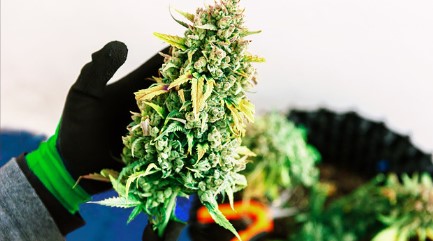
Monitoring Trichome Maturity
- Clear Trichomes: Not ready for harvest.
- Milky Trichomes: Peak THC content; ideal for cerebral effects.
- Amber Trichomes: Slight THC degradation to CBN; ideal for sedative effects.
Flushing Techniques
- 2 Weeks Before Harvest: Use pH-balanced water (6.0-6.5) to remove excess nutrients.
- Benefits of Flushing: Enhances flavor and terpene expression, preventing a harsh smoke.
Drying and Curing for Terpene Retention
| Process | Temperature | Humidity | Duration |
|---|---|---|---|
| Drying | 60-70°F (15-21°C) | 50-60% RH | 7-10 days |
| Curing | 65°F (18°C) | 58-62% RH | 2-4 weeks |
- Glass Jar Curing: Store buds in airtight glass jars, opening them daily for the first 7-10 days to release excess moisture.
7. Conclusion
Marionberry Kush is a versatile cannabis strain that offers a balanced experience, blending relaxation, euphoria, and therapeutic benefits. With its fruity aroma, potent effects, and adaptability for both medical and recreational use, it remains a sought-after strain in the cannabis community. Whether used for pain relief, stress reduction, or simply to unwind, Marionberry Kush delivers a consistently enjoyable experience.
For a complete directory of cultivars, visit our Cannabis Strain Reviews.
