Table of Contents
Marijuana seeds for sale
Overview of Marijuana Seeds: Types and Varieties
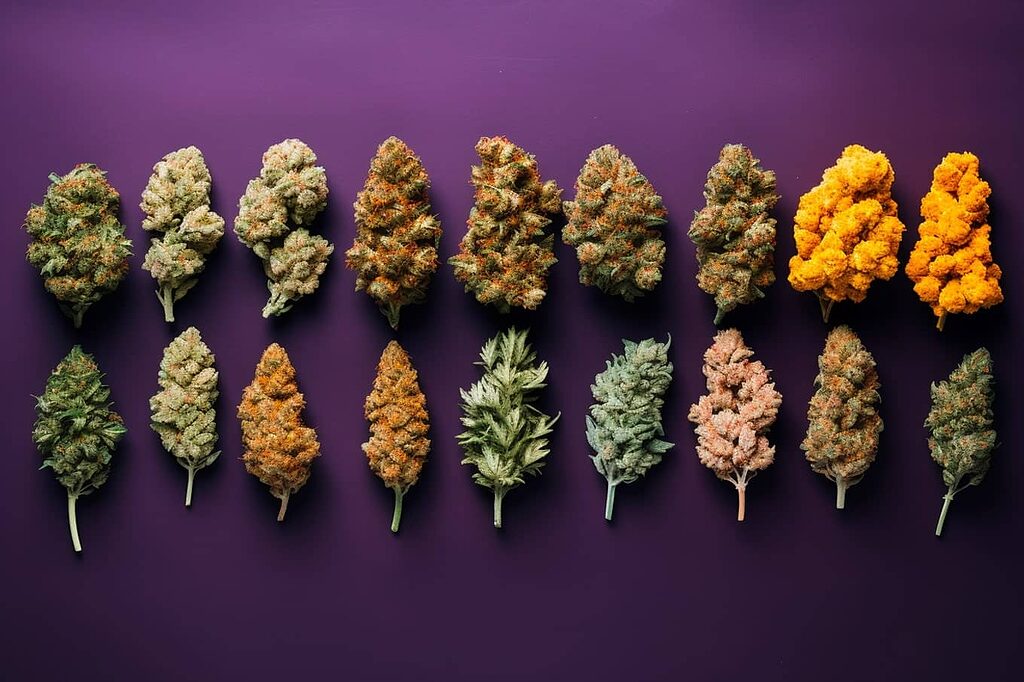
Cannabis sativa, often referred to as marijuana, is a plant species prized for its medicinal and recreational uses. At the heart of cannabis cultivation are the seeds, which are available in various types and strains, each exhibiting unique traits and cultivation characteristics. This document offers a thorough review of the different types of cannabis seeds and the variety of strains available, providing essential knowledge for growers.
Types of Cannabis Seeds
- Regular Seeds: These are the natural result of pollination and have not been genetically modified. Regular seeds yield both male and female plants, typically in equal proportion. Growers using regular seeds need to vigilantly identify and separate male plants to avoid unintended pollination.
- Feminized Seeds: Engineered to produce only female plants by eliminating male chromosomes, feminized seeds simplify the growing process by ensuring that all plants flower and produce buds. This characteristic is particularly beneficial for individuals looking to optimize their yield while avoiding the effort involved in removing male plants.
- Autoflowering Seeds: Created by crossing a standard cannabis strain with cannabis ruderalis, a variety known for its automatic flowering capabilities, these seeds do not require changes in light cycles to flower. Autoflowering plants are easy to grow, quick to mature, and less dependent on environmental conditions, making them an excellent choice for novice growers and those seeking efficient crop cycles.
Varieties of Cannabis Seeds
Cannabis seeds vary widely in terms of strain, each defined by its own flavor profile, cannabinoid content, and specific cultivation needs. The major categories are:
- Indica Strains: These strains are distinguished by their stout, bushy appearance and broad leaves, generally producing effects that are relaxing and sedative, typically recommended for evening use. Notable indica strains include ‘Hindu Kush’, ‘Afghan Kush’, and ‘Granddaddy Purple’.
- Sativa Strains: With their tall growth and slender leaves, sativa plants usually require a longer maturation period than indicas. They are celebrated for their energizing and uplifting effects, ideal for daytime consumption. Popular sativa strains include ‘Sour Diesel’, ‘Jack Herer’, and ‘Green Crack’.
- Hybrid Strains: Hybrids are crosses between indica and sativa strains, designed to blend attributes of both, potentially offering a balanced effect. These can lean towards either indica or sativa dominance, with popular hybrids including ‘Blue Dream’, ‘OG Kush’, and ‘White Widow’.
Conclusion
A solid understanding of the types and strains of cannabis seeds is fundamental for cultivators. Each seed type serves different cultivation objectives: regular seeds are preferred by traditionalists and breeders, feminized seeds offer a direct route to abundant yields, and autoflowering seeds provide simplicity and quick results. As cannabis legalization advances globally, the interest in diverse cannabis strains and their specific cultivation techniques is expected to increase, enhancing the selection of seeds available to enthusiasts and professional growers alike.
Legal Considerations When Buying Marijuana Seeds
Purchasing marijuana seeds requires careful navigation of a complex and often varying legal landscape. For individuals looking to buy these seeds, whether for personal or commercial use, it is essential to understand the specific legalities involved to ensure compliance and avoid potential legal consequences. This document outlines the key legal considerations one must be aware of when buying marijuana seeds.
Understanding Local and International Legal Frameworks
- Local Laws: The legality of purchasing, possessing, and cultivating marijuana seeds differs markedly across regions. Some jurisdictions allow both medicinal and recreational use, while others may permit only medicinal use or prohibit it altogether.
- International Norms: The international trade of marijuana seeds is tightly regulated. Buyers should be aware of the laws regarding import and export in both the country of origin and the destination country to avoid legal issues.
Adhering to Regulatory Standards
- Age Limitations: Most jurisdictions enforcing legal cannabis have age restrictions, typically requiring individuals to be at least 21 years of age to purchase marijuana seeds legally.
- Possession Limits: There are usually statutory limits on how many seeds one can legally purchase or possess, aimed at preventing unauthorized commercial cultivation.
- Cultivation Permits: Some areas require a formal license for growing marijuana from seeds, especially for commercial purposes. It is crucial to understand and adhere to these licensing requirements for legal cultivation.
Strategies for Lawful Purchase of Seeds
- Buying from Authorized Dealers: To ensure that the transaction complies with legal standards, it is advisable to buy marijuana seeds from reputable, licensed dispensaries or seed banks. These vendors are likely to offer high-quality, genetically stable seeds.
- Legal Consultation: Due to the complexity and variability of cannabis laws, seeking advice from a legal professional specializing in cannabis legislation can be highly beneficial. This step is particularly important for those involved in or considering commercial cultivation.
- Monitoring Legal Developments: Cannabis-related laws are frequently updated. Staying informed about the latest legal developments in relevant jurisdictions can help buyers and growers maintain compliance.
Conclusion
Navigating the legal considerations when purchasing marijuana seeds is crucial for ensuring lawful conduct in this area. By thoroughly understanding local and international laws, adhering to all regulatory requirements, and staying informed about legal changes, individuals and businesses can avoid legal pitfalls and successfully engage in the cultivation and use of marijuana. As the legal landscape continues to evolve, proactive compliance and continual education remain imperative for those involved in the cannabis industry.
How to Choose the Right Marijuana Seeds for Your Needs
Selecting the correct marijuana seeds is crucial for any cannabis grower, affecting everything from the growth process to the final yield. This decision entails more than simply choosing any seed; it involves an evaluation of several key factors such as the cultivation environment, desired plant traits, and specific growing goals. This guide aims to provide detailed insights to help both beginners and experienced cultivators make informed choices when selecting marijuana seeds.
Types of Marijuana Seeds
- Regular Seeds: These seeds represent the most natural form of cannabis seeds, capable of yielding both male and female plants. They are ideally suited for breeders or individuals who favor a traditional approach to cannabis cultivation.
- Feminized Seeds: Designed to yield only female plants, these seeds streamline the growing process by eliminating the need to identify and separate male plants, ensuring that every plant contributes to the harvest.
- Autoflowering Seeds: Ideal for those seeking simplicity and efficiency, autoflowering seeds do not require changes in light cycles to trigger flowering. They are particularly suitable for beginners and for growers who wish to achieve faster harvests.
Key Considerations for Seed Selection
- Cultivation Setting:
- Indoor vs. Outdoor: Select seeds based on the specific requirements of your growing environment. Some strains excel indoors under controlled conditions, while others are better suited for outdoor growing.
- Yield Expectations:
- Certain strains are known for their high yields. If the quantity of the output is a priority, opt for a genetically higher-yielding strain.
- Potency and Cannabinoid Profile:
- Strains differ significantly in their THC and CBD levels. Select a strain that aligns with your desired effects or medical benefits.
- Cultivation Difficulty:
- Consider the care and conditions required by different strains. Some may need more attention and tailored growing conditions than others, which might be challenging for less experienced growers.
- Climate Compatibility:
- Ensure the seeds you choose are suitable for the climate in which you will grow them. Some seeds are bred for resilience in specific environmental conditions and might not perform well outside those parameters.
Assessing Seed Quality
- Source Reputation: Always buy seeds from well-known and reputable dealers to ensure you receive genetically stable and high-quality seeds.
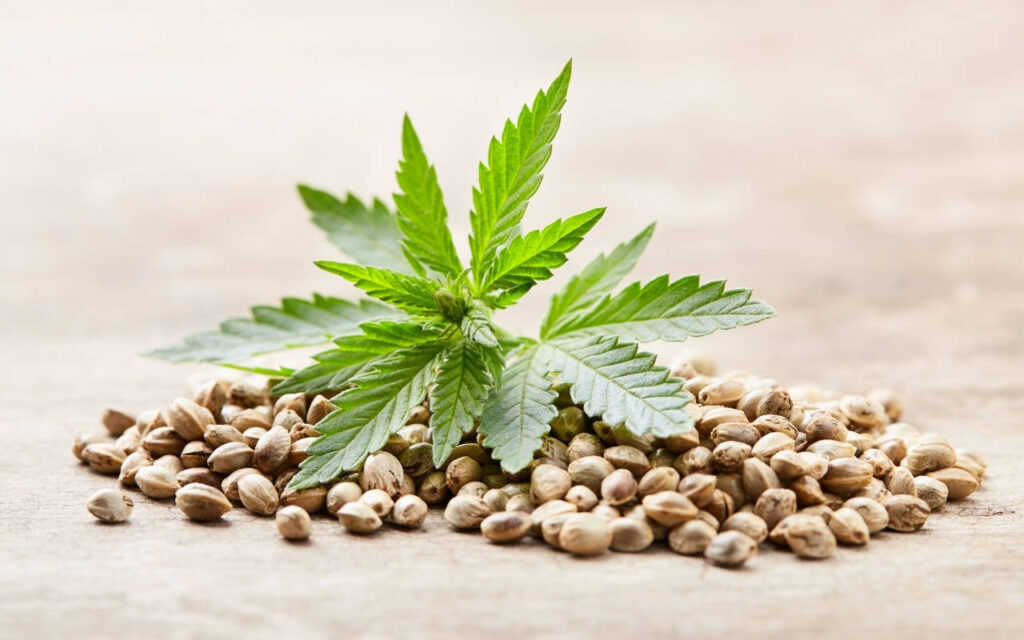
- Physical Characteristics: High-quality seeds are typically hard, dry, and colored dark brown or gray with a smooth, intact surface. Seeds that are soft, pale, or damaged are generally of lower quality and may not germinate well.
Conclusion
The right choice of marijuana seeds is fundamental to the success of your cannabis cultivation. By carefully considering the type of seeds, the environment they will be grown in, desired characteristics, and purchasing from credible sources, growers can optimize their cultivation efforts. With the ongoing advancements in cannabis cultivation, more resources are available than ever to assist growers in making educated decisions, thereby enhancing their cultivation journey and achieving desired outcomes.
Top Sources for Purchasing Marijuana Seeds
Acquiring high-quality marijuana seeds is a pivotal aspect of cannabis cultivation. With the increasing acceptance and legalization of cannabis globally, numerous dependable sources for purchasing seeds have surfaced, offering diverse options suited for various cultivation objectives. This guide highlights the premier sources for procuring marijuana seeds, emphasizing the importance of choosing reputable vendors and ensuring seed quality.
Criteria for Choosing Seed Banks
- Reputation and Customer Feedback: Selecting a seed bank with a strong reputation in the cannabis community is crucial. Consider a vendor that has positive customer reviews and testimonials, which reflect their reliability and the quality of their seeds. Online forums, social media, and cannabis review websites are excellent resources for obtaining community feedback.
- Variety and Seed Information: Top-tier seed banks should offer a wide range of cannabis strains, including indicas, sativas, hybrids, feminized, and autoflowering seeds. Detailed information about each strain, such as THC and CBD levels, expected yield, flowering time, and suitable growing conditions, should be readily available.
- Customer Support Excellence: A reputable seed bank should provide exceptional customer service, helping both beginners and experienced growers choose the right seeds and offering support throughout the cultivation process.
Leading Seed Banks and Dispensaries
- Dutch Seeds Shop: Known for its extensive selection and superior seed quality, Dutch Seeds Shop has earned a reputation for providing genetically stable seeds that perform well under various conditions.
- Seedsman: Since 2003, Seedsman has offered a vast array of seeds from numerous breeders, making it one of the most comprehensive sources for genetic diversity in the market.
- Green House Seed Co.: This company is celebrated for its pioneering breeding techniques and numerous award-winning strains, providing detailed genetic data and cultivation advice for each strain.
Local Dispensaries and Legal Considerations
- Adherence to Local Laws: Ensure that your seed purchases are in compliance with local cannabis laws. In jurisdictions where cannabis is legal, purchasing from local dispensaries guarantees that the seeds meet government standards for safety and quality.
- Support Local Enterprises: Buying from local dispensaries not only supports the local economy but also allows for direct interaction with knowledgeable staff who can offer advice tailored to the local growing conditions and legal requirements.
Conclusion
Choosing a reliable source for marijuana seeds is fundamental to achieving success in cannabis cultivation. Whether opting for a renowned international seed bank or a local dispensary, it is vital to evaluate the seed quality, strain diversity, and level of customer service offered. By prioritizing these elements, growers can secure genetically robust seeds that are well-suited to their specific cultivation environments and objectives. Keeping abreast of the best sources and current best practices in cannabis cultivation will enable cultivators to maximize their success in this evolving industry.
Online vs. Local: Where to Buy Marijuana Seeds
Selecting the appropriate source for purchasing marijuana seeds is a pivotal decision for any cannabis grower, affecting the viability and success of their cultivation efforts. Growers must consider the pros and cons of acquiring seeds from online vendors versus local dispensaries. This guide provides an in-depth comparison to help cultivators make an informed decision tailored to their specific requirements and legal circumstances.
Online Seed Banks: Benefits and Limitations
- Extensive Variety: Online seed banks typically boast a more extensive array of strains than local outlets, providing access to a wide range of seeds, including exotic and specialty varieties that may not be available locally.
- Shopping Convenience: The ability to shop for seeds online offers unmatched convenience, allowing growers to browse and order from their homes at any time without the need to travel.
- Privacy in Delivery: Many online vendors specialize in discreet packaging, ensuring seeds are delivered in non-descript packages that offer privacy and anonymity.
- Challenges: A primary concern with online purchases is the inability to assess the quality of seeds firsthand. Moreover, potential delays in shipping and possible legal issues with importing seeds can be significant drawbacks.
Local Dispensaries: Benefits and Limitations
- Instant Access: Purchasing from local dispensaries eliminates waiting for delivery, providing immediate access to seeds and allowing for quicker commencement of cultivation projects.
- Direct Support: Local dispensaries offer the advantage of direct interaction with informed staff who can provide tailored advice and immediate answers to cultivation queries.
- Adapted Strains: Often, local dispensaries stock seeds that are well-suited to the local growing conditions, simplifying the selection process for regional cultivators.
- Challenges: The range of seeds available at local dispensaries can be more limited compared to online sources. Furthermore, prices at physical stores may be elevated due to the overhead expenses associated with maintaining a retail space.
Legal Considerations
It is imperative for growers to familiarize themselves with the legal regulations concerning cannabis in their locality. Adhering to the laws governing the purchase, possession, and cultivation of cannabis seeds is crucial to avoid any legal issues.
Conclusion
Deciding whether to purchase marijuana seeds from an online source or a local dispensary depends on various factors including the diversity of strain options, need for convenience, price considerations, and the value of direct customer interaction. Online seed banks offer extensive selections and the convenience of remote shopping, while local dispensaries provide valuable expertise and immediate product access. The optimal choice may vary depending on individual preferences and the specific legal context. By comprehending the benefits and drawbacks of each option, cultivators can make well-informed choices that align closely with their cultivation objectives and legal requirements.
Understanding Feminized, Autoflowering, and Regular Seeds
The selection of the right cannabis seed type is a pivotal first step in the cultivation process, influencing both the methodology and the outcome of the crop. It is essential for growers to understand the differences between feminized, autoflowering, and regular seeds to make informed choices that align with their cultivation objectives. This document provides an in-depth examination of these three main categories of cannabis seeds, discussing their unique properties, advantages, and optimal applications.
Regular Seeds
Regular seeds naturally produce both male and female cannabis plants and are often chosen by cultivators interested in traditional growing methods or plant breeding.
- Genetic Variation: Offering a wide range of genetic expressions, regular seeds are invaluable for breeders looking to select specific traits for the development of new cannabis strains.
- Cultivation Dynamics: Growing regular seeds requires vigilance, as male plants need to be identified and separated from females to prevent undesired pollination, unless crossbreeding is the goal.
Feminized Seeds
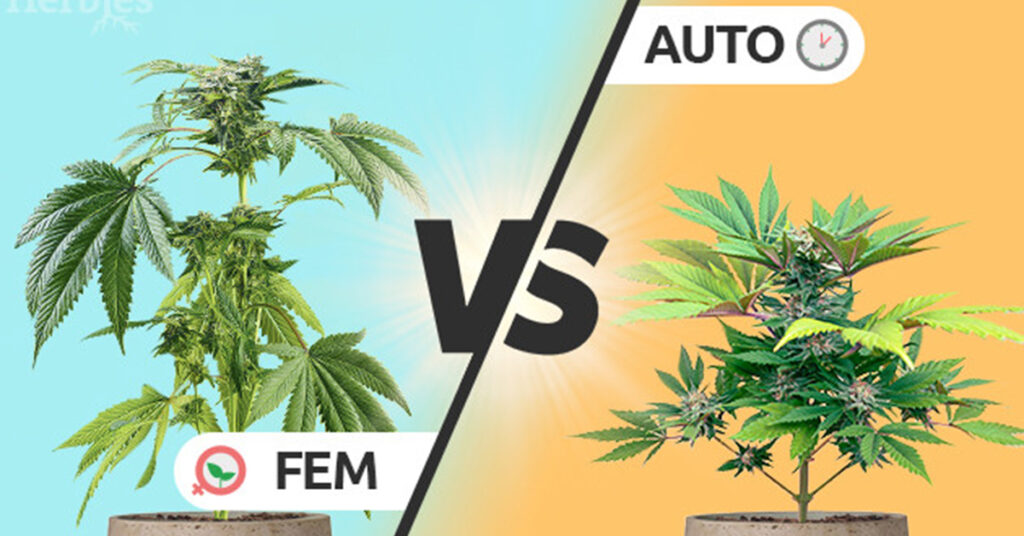
Engineered to produce exclusively female plants, feminized seeds eliminate the occurrence of male plants, simplifying the cultivation process and increasing the efficiency of the growing operation.
- Enhanced Productivity: With feminized seeds, every plant is a potential bud producer, maximizing space and improving overall yield without the labor of culling male plants.
- Ease of Cultivation: Particularly suitable for novice growers or those looking for straightforward cultivation, feminized seeds reduce the complexities associated with plant sexing and the risk of pollination.
Autoflowering Seeds
Created by crossing standard cannabis strains with Cannabis ruderalis, autoflowering seeds are characterized by their ability to flower independently of light cycle changes, simplifying the cultivation process.
- Flexible Lighting: Autoflowering plants do not require specific light cycles to bloom, making them ideal for environments where controlling light exposure is challenging.
- Quick Turnaround: These seeds typically lead to shorter growth cycles, allowing for several harvests in the time it takes regular seeds to produce one. This is particularly advantageous for commercial operations focused on maintaining continuous production.
Conclusion
The decision to use feminized, autoflowering, or regular seeds should be guided by the grower’s specific needs, expertise level, and environmental factors. Regular seeds are best suited for those engaged in breeding and who appreciate the natural variability of cannabis genetics. Feminized seeds offer an efficient solution for growers focusing on maximizing yield and simplifying the cultivation process. Autoflowering seeds provide a fast, low-maintenance growing experience, perfect for beginners or those with constrained growing conditions. By understanding these key differences, cultivators can select the seed type that best enhances their cultivation strategy and helps achieve their desired results.
Tips for Storing and Preserving Marijuana Seeds
Effective storage of cannabis seeds is crucial for maintaining their germination potential and overall health. The lifespan and viability of marijuana seeds largely depend on the environmental conditions under which they are stored. This guide offers detailed recommendations for properly storing and preserving marijuana seeds, catering to both novice growers and seasoned cultivators aiming to optimize their seed storage.
Critical Factors Influencing Seed Storage
- Temperature Control: Maintaining a consistently cool temperature is vital for seed preservation. Temperature fluctuations can activate enzymes that degrade seeds, reducing their germination capacity. It is advisable to keep seeds at temperatures between 6-8 degrees Celsius (42.8-46.4 degrees Fahrenheit).
- Moisture Management: Moisture is a significant threat to the longevity of seeds, as high humidity levels can encourage mold growth or unintentional germination. Keeping seeds at a relative humidity of 20-30% is ideal to avoid such issues.
- Light Avoidance: Light exposure can initiate germination and degrade the seeds’ genetic integrity over time. Storing seeds in a completely dark environment is essential to prevent these effects.
Strategies for Optimal Seed Storage
- Use of Airtight Containers: To protect seeds from external air and moisture, they should be stored in airtight containers. Containers that block out light, such as those made from tinted glass or metal, are preferred.
- Incorporation of Silica Gel: Placing silica gel packets inside seed storage containers helps absorb any excess moisture, thereby maintaining the desired humidity levels and safeguarding the seeds against mold.
- Refrigeration: Storing seeds in a refrigerator can offer a stable and cool environment for long-term preservation. It is crucial to place seeds in a part of the refrigerator where the temperature is least affected by the frequent opening of the door.
- Freezing Option: For very long-term storage, seeds can be frozen. This should only be done when seeds do not need to be accessed regularly, as repeated freezing and thawing can be detrimental. Ensure seeds are thoroughly dried before freezing to prevent damage from ice crystals.
Routine Inspections and Maintenance
- Monitoring for Mold and Pests: It’s important to periodically inspect your stored seeds for any signs of mold or pest infestations. Catching these early can prevent them from compromising the entire batch of seeds.
- Germination Tests: Periodically testing a sample of seeds for germination can help assess the effectiveness of your storage conditions and make necessary adjustments.
Conclusion
Storing marijuana seeds properly involves meticulous management of temperature, humidity, and light exposure. By following these storage recommendations and regularly inspecting the seeds, cultivators can greatly enhance the longevity and viability of their seeds. Implementing these practices ensures that seeds remain potent and are in prime condition for future planting, facilitating successful cultivation cycles.
Importing Marijuana Seeds: Regulations and Best Practices
Importing marijuana seeds into different countries involves navigating complex and often stringent regulatory frameworks. For cultivators and businesses operating within the international cannabis market, comprehending these regulations is crucial to ensure legal compliance and avoid potential legal issues. This document provides an overview of the critical legal frameworks and best practices for importing marijuana seeds, aimed at facilitating compliance with international and national laws.
Comprehending Global Cannabis Regulations
- Varied National Laws: The legal status of cannabis, including its seeds, varies significantly across countries. Some nations permit the importation of cannabis seeds for specific purposes such as medical use or agriculture, provided certain conditions are met, while others maintain strict prohibitions. Importers must thoroughly investigate the specific cannabis laws in both the export and import countries.
- Impact of International Treaties: International conventions, like the Single Convention on Narcotic Drugs, play a crucial role in shaping national cannabis policies. Importers need to understand how these treaties influence local laws and ensure compliance with both international and regional regulatory frameworks.
Best Practices for Importing Marijuana Seeds
- Acquiring Necessary Permits and Licenses: Where legal, the importation of marijuana seeds typically requires specific licenses or permits issued by governmental regulatory bodies. Importers should secure all required documentation in advance, understanding the terms, limitations, and validity of such licenses to ensure uninterrupted operations.
- Choosing Reliable Suppliers: It is essential to source marijuana seeds from reputable and legally compliant suppliers. These suppliers should have a strong compliance record with international shipping and cannabis regulations and be able to provide necessary export documentation like phytosanitary certificates.
- Compliance with Packaging and Labeling Standards: Importers must ensure that marijuana seed shipments comply with the packaging and labeling regulations of the destination country. This might include the use of secure, tamper-evident packaging and accurate labeling that details the package’s contents and origin.
- Quality Control Measures: Maintaining the quality and viability of marijuana seeds during transit is paramount. Importers should choose shipping methods that manage environmental factors such as temperature and humidity to prevent quality degradation of the seeds.
Conclusion
The importation of marijuana seeds requires careful adherence to a variety of legal and logistical considerations that can vary widely by country. By thoroughly understanding relevant laws, obtaining proper licenses, partnering with trustworthy suppliers, and following best practices in packaging and quality control, importers can effectively navigate the complexities of the international cannabis seed market. Compliance not only mitigates legal risks but also supports the development of a reputable and sustainable global cannabis industry.
Future Trends in Marijuana Seed Sales and Breeding
The marijuana industry has experienced significant growth and transformation, driven by ongoing legalization efforts and advancements in genetic research. As the legal landscape evolves, the market for marijuana seeds is set to grow, with innovative breeding techniques driving future trends. This document explores potential developments in marijuana seed sales and breeding, offering insights into how these trends could influence the global cannabis market.
Expansion of Legal Markets
As more countries and states move toward the legalization of cannabis for medical and recreational use, the demand for marijuana seeds is expected to surge. This expansion will likely lead to:
- Increased Diversity in Consumer Demand: As the consumer base expands, demand for a diverse array of strains tailored to varying preferences and medical requirements will increase. This includes a growing interest in strains with distinctive cannabinoid profiles, such as those high in CBD or with balanced THC/CBD ratios.
- Globalization of Seed Sales: The globalization of the cannabis market will facilitate wider distribution channels for marijuana seeds, allowing breeders and seed banks to reach an international audience. This trend will encourage the entry of new players into the market and potentially lead to price stabilization as competition increases.
Advancements in Genetic Engineering and Breeding
Technological advancements in genetic engineering and an enhanced understanding of cannabis genetics are set to revolutionize how marijuana seeds are bred:
- Precision Breeding: With the advent of CRISPR and other gene-editing technologies, breeders will have the tools to create strains with precise genetic alterations. This could lead to the development of strains with specific characteristics, such as improved yield, pest resistance, or particular cannabinoid and terpene profiles.
- Sustainability Focus: Future breeding efforts will likely emphasize sustainability. This includes developing strains that require fewer resources, such as water and light, and those that are better adapted to various climatic conditions, reducing the environmental impact of cannabis cultivation.
- Personalized Cannabis Medicine: As research into the medicinal properties of cannabis advances, there will be a growing trend towards personalized cannabis-based treatments. Breeders might focus on developing strains specifically tailored to treat particular medical conditions, enhancing the therapeutic potential of cannabis.
Regulatory Changes and Intellectual Property
With the commercialization of cannabis, intellectual property rights will become increasingly important in the seed industry:
- Patenting of Cannabis Strains: As breeders develop unique strains with specific beneficial traits, the issue of patenting these innovations will gain prominence. This trend will likely lead to legal battles and discussions regarding the ethics and feasibility of patenting living organisms.
- Regulation of Genetically Modified Organisms (GMOs): The use of GMO technology in cannabis breeding will necessitate rigorous regulatory frameworks to address safety, ethical, and environmental concerns. Public attitudes towards GMOs will significantly influence these regulations.
Conclusion
The future of marijuana seed sales and breeding is marked by promising opportunities and complex challenges. Ongoing legalization efforts, coupled with advanced breeding technologies, are set to enhance the variety of cannabis products in the market. Nonetheless, the industry faces challenges, including ethical dilemmas, regulatory obstacles, and environmental issues. For stakeholders within the rapidly changing global cannabis industry, it is crucial to stay informed about these trends and ready for their consequences.
