Table of Contents
Marijuana Plant
Introduction to Marijuana: Botanical Overview
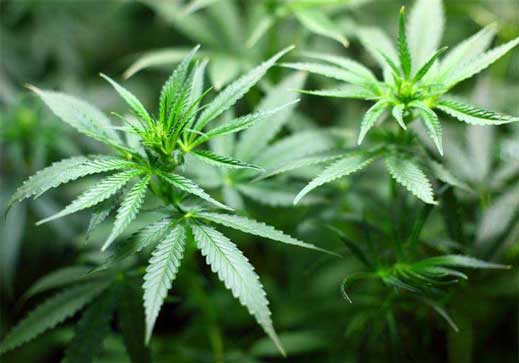
Marijuana, scientifically referred to as Cannabis sativa, is a multifaceted botanical species that holds substantial cultural, medicinal, and legal significance globally. This document presents a structured introduction to the botanical attributes of marijuana, delving into its taxonomy, morphological features, and physiological properties to provide a comprehensive understanding of the plant’s biology and its diverse applications.
- Taxonomic Classification
Cannabis sativa is part of the Cannabaceae family, sharing this classification with other notable plants like hops, predominantly used in brewing beer. The genus Cannabis is often divided into multiple species, though there is continuous debate among botanists as to whether these are truly distinct species or simply subspecies, given their extensive hybridization and genetic intermingling.
- Morphological Characteristics
Marijuana plants display unique morphological characteristics that aid in their identification and cultivation:
- Stature and Structure: Typically, marijuana grows as a dioecious plant, with individual plants being either male or female, though hermaphroditic instances also occur. The plant’s height can vary from small shrubs to tall trees, depending on the cultivar and environmental conditions.
- Leaves: The leaves are palmately compound with serrate leaflets ranging from five to thirteen per leaf, depending on the cultivar. The leaves’ slender, pointed appearance is distinctive and widely recognized.
- Flowers: Male and female flowers arise on separate plants. Male flowers are small, pale green, and form loose clusters, whereas female flowers are more subtle, forming a bract that encloses the reproductive organs within a leafy calyx.
- Physiological Features
The physiological characteristics of Cannabis sativa primarily revolve around its cannabinoid production, which are the compounds responsible for the plant’s medicinal and psychoactive properties:
- Cannabinoids: The most prominent cannabinoids include tetrahydrocannabinol (THC) and cannabidiol (CBD). THC is chiefly accountable for the plant’s psychoactive effects, while CBD is celebrated for its potential therapeutic benefits without the psychoactive effects.
- Trichomes: These minuscule, glandular hairs on the leaves and flowers are crucial for the synthesis of cannabinoids and terpenes. Trichomes also act as a natural defense against pests and herbivores, thanks to their strong aromatic properties and bitter flavor.
- Reproductive Capabilities
Marijuana reproduces sexually through pollination between male and female plants, leading to seed production. It can also reproduce asexually via cloning, which involves rooting a cutting from a mature plant, ensuring genetic consistency in the propagated strains.
- Ecological and Cultural Impact
Marijuana has adapted to a broad spectrum of climatic and soil conditions, showcasing its resilience and adaptability. Its cultivation and use have profound ecological, economic, and cultural impacts, shaping laws, agriculture, and medical practices worldwide.
Conclusion
Cannabis sativa is a biologically intricate and culturally significant plant that has engaged human interest for centuries. Its distinctive botanical features not only render it a subject of scientific curiosity but also a central element in ongoing debates concerning medicinal therapies, legal statutes, and cultural norms. This overview lays the foundational understanding necessary to appreciate the varied roles and significant influences of this plant in multiple aspects of human endeavor.
Cultivation Techniques: Growing Marijuana Successfully
The cultivation of Cannabis sativa, commonly referred to as marijuana, involves a combination of botanical knowledge and precise agricultural techniques. Successful marijuana cultivation requires an understanding of the plant’s specific needs, from germination to harvest. This document offers a detailed exposition on the methodologies and practices crucial for fostering healthy growth and optimizing yield in marijuana cultivation.
1. Site Selection and Preparation
Choosing the right location is paramount for cultivating marijuana. The site should ensure optimal exposure to sunlight, protection from excessive winds, and accessibility to water. Soil quality is equally important; marijuana thrives in well-drained, loamy soil with a slightly acidic to neutral ph. Preparation involves tilling the soil, enriching it with organic matter, and ensuring it is free of contaminants and pests.
2. Seed Selection
Success begins with high-quality seeds. Selecting the right strain involves considering factors such as the climate adaptability, flowering time, and THC/CBD content desired. Seeds should be sourced from reputable suppliers to ensure genetic purity and viability.
3. Germination and Seedling Care
Germination is typically initiated by soaking seeds in water until they sprout, which usually takes 24 to 48 hours. Once sprouted, the seeds are planted in a growing medium that maintains moisture but allows excess water to drain, preventing rot. The seedlings require consistent light (natural or artificial) and a stable temperature range to foster robust growth.
4. Vegetative Growth
During the vegetative stage, the plant requires ample light (14-16 hours per day) and water, allowing it to develop a strong root system and substantial foliage. Nutrient management is crucial, with nitrogen being the predominant nutrient needed. Careful monitoring for signs of nutrient deficiency or excess is essential, as is the management of pH levels in the soil or hydroponic systems.
5. Flowering Phase
Triggered by altering the light cycle to 12 hours of light and 12 hours of darkness, the flowering phase marks the production of buds. This stage demands a change in nutrients, with increased phosphorus and potassium to support flower growth. Temperature and humidity control becomes more critical to avoid mold and pest infestations.
6. Harvesting and Curing
The timing of the harvest is critical and should be based on the maturity of the trichomes, which can be inspected under magnification. Clear trichomes indicate it is too early, milky white suggests peak THC levels, and amber indicates high CBN levels, which may contribute to a more sedative effect. Post-harvest, the buds are dried and cured, which involves controlled drying and storage to enhance flavor and potency.
7. Pest and Disease Management
Integrated pest management (IPM) strategies should be implemented to prevent infestations and diseases. This includes the use of biological control agents, proper sanitation practices, and, if necessary, approved chemical treatments that are safe for use on cannabis.
8. Environmental Impact and Sustainability
Sustainable practices are vital in modern agriculture, including marijuana cultivation. Techniques such as rainwater harvesting, solar energy utilization, and organic cultivation methods not only reduce the environmental footprint but also can improve the quality of the final product.
Conclusion
The cultivation of marijuana is a meticulous process that requires careful planning, scientific knowledge, and consistent oversight. By adhering to best practices in each stage of growth, cultivators can ensure the health of their plants and the quality of their yield. This comprehensive guide provides the foundational knowledge necessary to embark on successful marijuana cultivation, addressing both practical agricultural techniques and broader environmental considerations.
Varieties and Strains: Understanding the Differences
Cannabis, as a botanical species, encompasses a diverse array of varieties and strains, each possessing unique characteristics and properties. The differentiation among these varieties and the proliferation of specific strains have profound implications for both cultivators and consumers, affecting everything from cultivation practices to therapeutic applications. This document aims to elucidate the distinctions between various cannabis varieties and strains, providing a structured analysis for better understanding and classification.
1. Genetic Background and Classification
Cannabis is primarily classified into three main species: Cannabis sativa, Cannabis indica, and Cannabis ruderalis. Each species exhibits distinct growth patterns, physical characteristics, and effects when consumed:
- Cannabis sativa: Known for its tall, thin stature and long, narrow leaves, sativa strains typically produce a cerebral high that may enhance creativity and energy. These strains are often preferred for daytime use.
- Cannabis indica: Shorter and bushier than sativa, indica plants have broader leaves and a faster growth cycle. Indica strains generally provide a sedative effect, often referred to as a “body high,” making them suitable for evening or medicinal use to aid relaxation and alleviate pain.
- Cannabis ruderalis: This species is less common and is distinguished by its small size and auto-flowering characteristics, which do not depend on light cycles. Ruderalis strains are typically lower in THC content and are often crossbred with sativa and indica varieties to enhance their robustness and auto-flowering properties.
2. Strain Differentiation
Within these categories, there are numerous strains, bred to emphasize specific traits such as potency, flavor, aroma, or therapeutic effects. Strains are the result of careful selection and hybridization, aimed at achieving particular outcomes. Key factors in strain differentiation include:
- THC and CBD Content: Strains vary significantly in their levels of THC (tetrahydrocannabinol) and CBD (cannabidiol). THC is the primary psychoactive component, while CBD is non-psychoactive and is noted for its potential medicinal benefits, such as reducing anxiety and pain.
- Terpene Profiles: Terpenes are aromatic compounds found in cannabis that influence its smell and taste. They also contribute to the effects of the strain through their interaction with cannabinoids, a phenomenon known as the entourage effect.
3. Cultivation and Adaptation
Strains also differ in their cultivation requirements and environmental adaptability. Some strains may be more resilient to cold or drought conditions, making them suitable for specific climates. Understanding the cultivation needs of each strain is crucial for successful growth and yield maximization.
4. Medicinal and Recreational Applications
The choice of strain can significantly affect the therapeutic outcomes for medicinal users. Strains high in CBD are often chosen for conditions like epilepsy and inflammation, while those high in THC might be selected for their analgesic and antiemetic effects. Recreational users may choose strains based on the desired sensory experience, such as euphoria or relaxation.
Conclusion
The understanding of cannabis varieties and strains is fundamental for both growers and consumers. It enables tailored cultivation approaches and informed consumer choices, particularly in regions where cannabis is legally consumed for medical and recreational purposes. This granular knowledge assists in navigating the complex landscape of cannabis products, ensuring that specific varieties and strains meet the desired expectations and requirements of diverse user groups.
Lifecycle of the Marijuana Plant: From Seed to Harvest
The lifecycle of the marijuana plant, Cannabis sativa, consists of various developmental stages, each crucial for cultivating this significant agricultural and medicinal crop. Proficient knowledge of these stages is vital for effective cultivation and achieving the best possible yield. This document delivers a detailed review of the marijuana plant’s lifecycle from germination to harvest, highlighting the critical processes and growth phases involved.
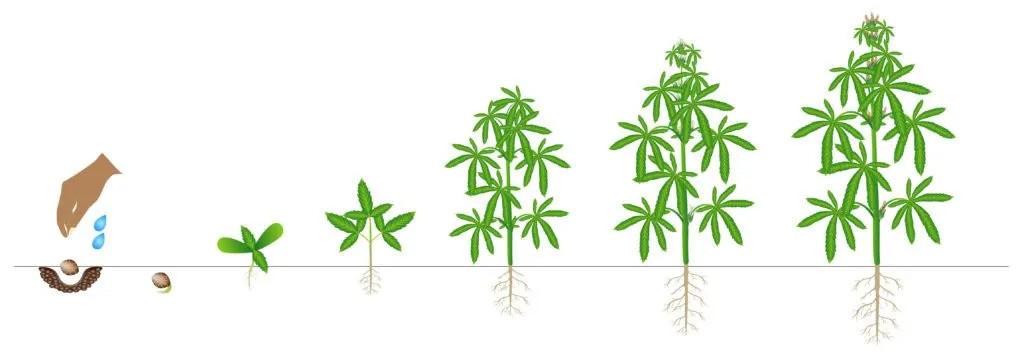
- Germination StageThe lifecycle starts with the germination of seeds. For optimal germination, moist and warm conditions are necessary, with temperatures between 20°C and 25°C (68°F and 77°F). Under these ideal conditions, seeds open and emit a root known as a radicle, which anchors the plant into the soil. Soon after, a shoot appears and reaches towards the light, signaling the beginning of the seedling phase.
- Seedling PhaseDuring this phase, the young plant begins to form its first sets of serrated leaves known as cotyledons, which are essential for early photosynthesis. As the plant continues to mature, additional leaves develop, including the well-recognized fan leaves. This stage is sensitive; diligent regulation of light, water, and temperature is crucial to promote healthy growth.
- Vegetative Stage This stage is marked by rapid growth as the plant establishes a strong foundation of roots, stems, and leaves. Long daylight hours, typically between 16-24 hours per day, are essential to stave off early flowering. High nitrogen intake is critical during this time to foster healthy leaf and stem growth. Additionally, proper ventilation and sufficient space are necessary to prevent mold and ensure vigorous growth.
- Pre-flowering and Flowering Stages The pre-flowering stage indicates that the plant is nearing maturity. During this time, the sex of the plant is determined: male plants produce small pollen sacs, while female plants develop bud sites. For THC production, female plants are preferred in populations with distinct male and female plants. Flowering is initiated by reducing light to about 12 hours per day, mimicking the natural decrease in daylight with seasonal changes. This stage shifts the nutrient focus towards phosphorus and potassium to support bud growth. It is essential to control environmental factors like humidity and temperature to maximize bud development and avoid any potential rot or disease.
- HarvestingHarvest timing is crucial and depends on the maturity of the trichomes, which are the crystalline structures on the buds that contain cannabinoids. The appearance of trichomes can dictate the psychoactive and medicinal quality of the product: clear trichomes suggest immaturity, milky white trichomes indicate peak THC content, and amber trichomes imply higher CBN content, leading to more sedative effects.
- Post-Harvest ProcessingAfter harvest, the cannabis is subjected to drying and curing processes. Drying involves removing moisture from the buds under controlled conditions to prevent mold while preserving cannabinoids and terpenes. Curing, which may last several weeks, involves placing the dried buds in airtight containers to facilitate a slow fermentation that enhances their flavor and potency.
Conclusion
The lifecycle of the marijuana plant, from seed to harvest, entails complex biological processes and precise cultivation practices. Each stage requires specific environmental settings and careful management to optimize yield and ensure the quality of the final product. Managing these lifecycle stages effectively enhances both the medicinal and recreational qualities of marijuana, optimizing the overall potential of the crop.
Common Pests and Diseases: Identification and Management
The cultivation of cannabis, like any agricultural endeavor, is susceptible to various pests and diseases that can adversely affect plant health, yield, and quality. Effective identification and management of these threats are crucial for maintaining a healthy crop. This document provides a comprehensive overview of the common pests and diseases affecting cannabis plants, along with strategies for their identification, prevention, and control.
1. Identification of Common Pests
Cannabis plants can host a range of insect pests that vary in their impact and difficulty of control:
- Spider Mites: These tiny arachnids are less than 1mm in size and can cause significant damage by sucking the sap from plant leaves, leading to stippled and discolored leaves and, in severe cases, plant death.
- Aphids: Small, soft-bodied insects that cluster on the undersides of leaves and stems. They weaken the plant by sucking sap and can also spread viral diseases.
- Whiteflies: These small white insects congregate on the undersides of leaves, feeding on plant juices and secreting honeydew, which promotes mold growth.
- Thrips: Tiny, needle-thin insects that cause discoloration and silvery trails on leaves by feeding on plant cells.
2. Identification of Common Diseases
Fungal and bacterial pathogens can also pose significant threats to cannabis plants:
- Powdery Mildew: This fungal disease appears as white, powdery spots on leaves and stems. It thrives in both high humidity and dry conditions and can rapidly cover plant surfaces, hindering photosynthesis.
- Botrytis (Gray Mold): A serious fungal infection that thrives in cool, humid environments. It typically affects buds but can spread to stems and leaves, causing plant tissues to rot.
- Root Rot: Caused by overwatering and poor drainage, root rot can be triggered by various fungi that deprive the plant of nutrients and water, leading to wilting and death.
3. Management Strategies
Effective pest and disease management involves a combination of cultural practices, biological control, and, when necessary, chemical interventions:
- Cultural Practices: Good agricultural practices are the first line of defense, including appropriate spacing, optimized watering practices, and maintaining cleanliness in and around the grow area to reduce pest attraction and breeding.
- Biological Control: Introducing natural predators of certain pests, such as ladybugs for aphids and predatory mites for spider mites, can help manage pest populations without the use of chemicals.
- Chemical Control: When biological and cultural methods are insufficient, targeted use of pesticides may be necessary. It is crucial to select products that are safe for cannabis and compliant with local regulations regarding pesticide use on crops intended for human consumption.
4. Integrated Pest Management (IPM)
Implementing an Integrated Pest Management (IPM) approach is recommended to minimize pest and disease impact sustainably. IPM involves monitoring the crop regularly for signs of stress, identifying potential threats early, and combining multiple strategies to manage pests and diseases in a way that is economically viable and environmentally responsible.
Conclusion
Identifying and managing pests and diseases in cannabis cultivation is critical for ensuring the viability and productivity of the crop. By employing a comprehensive approach that includes preventive measures, biological controls, and careful use of chemical agents, cultivators can protect their plants and optimize output while adhering to sustainable practices. This integrated approach not only enhances crop health but also supports broader environmental goals and ensures the production of high-quality cannabis.
Harvesting and Curing: Maximizing Potency and Flavor
Harvesting and Curing: Strategies for Enhancing Potency and Flavor in Cannabis Cultivation
The stages of harvesting and curing are crucial in determining the quality, potency, and flavor of cannabis. These critical phases require careful timing and techniques to maximize the medicinal and psychoactive qualities of the plant. This document outlines the sophisticated methods and best practices involved in the harvesting and curing processes, highlighting their roles in augmenting the quality of cannabis.
1. Harvesting Methods
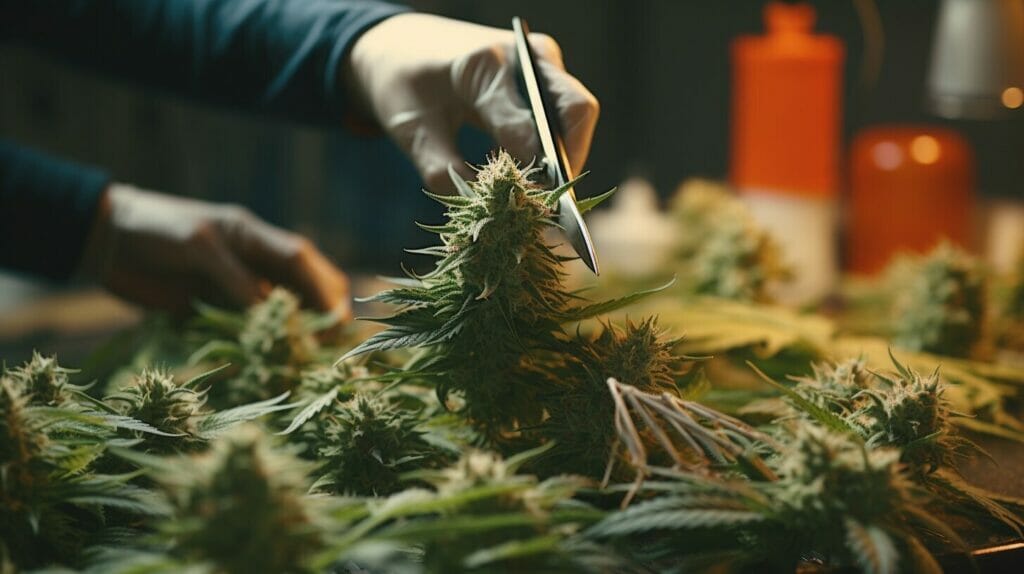
The timing of the harvest is essential for achieving the optimal cannabinoid profile. It is critical to harvest cannabis when the trichomes small glandular hairs on the buds that produce cannabinoids and terpenes are at their mature stage.
- Trichome Examination: Cultivators should use a magnifying tool to check the trichomes on the buds. Trichomes that are clear are too immature; milky white indicates maximum THC levels; amber-colored trichomes suggest a higher level of CBN, known for its sedative properties.
- Harvest Conditions: Harvesting should occur under dry conditions to minimize mold risk, ideally in the morning when the plant’s essential oils are most concentrated.
2. Immediate Post-Harvest Care
Handling immediately after harvest is vital for preserving the integrity of the cannabinoids and terpenes:
- Trimming: This can be done when the plant is still wet (immediately after harvest) or after drying. Wet trimming is less labor-intensive and can reduce mold risk, while dry trimming can better preserve terpenes, enhancing the product’s aroma and flavor.
- Drying: The cannabis should be dried gradually in an environment with controlled humidity (about 50-60%) and temperature (approximately 18-20°C or 64-68°F). Rapid drying can harm cannabinoids and terpenes, whereas too slow drying can increase the risk of microbial growth.
3. The Curing Process
Curing is critical for developing the desired flavor and potency of cannabis and helps extend its shelf life by reducing residual chlorophyll and slowing cannabinoid degradation.
- Curing Environment: Once initially dried, the buds are stored in airtight containers, usually glass jars, kept in cool, dark areas. These containers need to be opened regularly to exchange air and remove excess moisture.
- Cure Duration: Curing can range from a few weeks to several months, with longer durations contributing to a smoother and more refined flavor profile.
4. Quality Assurance
Quality control is indispensable during the harvesting and curing processes to ensure the product’s integrity:
- Moisture Levels: It is crucial to maintain proper moisture levels in the buds to prevent mold and preserve the quality of the cannabis.
- Cleanliness: All equipment, containers, and storage areas must be meticulously cleaned to prevent contamination and ensure the cannabis remains pure and safe.
Conclusion
The harvesting and curing phases are integral to cannabis production, significantly affecting the final product’s potency, flavor, and quality. By implementing precise harvesting techniques and rigorous curing procedures, cultivators can enhance the quality of their cannabis, ensuring it meets user expectations and maintains a high standard of excellence. These processes are not only vital for consumer satisfaction but also enhance the cultivator’s reputation for producing premium-quality cannabis.
Legal Considerations: Regulations Surrounding Marijuana Cultivation
Understanding the complex regulatory landscape that governs marijuana cultivation is crucial for ensuring compliance and operational success in this rapidly evolving industry. This document offers an in-depth exploration of the legal frameworks and considerations that impact the cultivation of marijuana, emphasizing the necessity of adherence to these regulations for lawful operation and the long-term viability of cultivation businesses.
1. Licensing and Regulatory Compliance
Navigating the regulatory requirements for marijuana cultivation involves several critical steps:
- Securing Licenses: Potential cultivators must undertake a detailed application process that includes thorough background checks, submission of comprehensive operational plans, and payment of substantial fees.
- License Renewal and Inspections: To maintain a license, cultivators must regularly renew their permits and undergo inspections to ensure ongoing compliance with established cultivation and security standards.
2. Zoning and Land Use Regulations
Cultivators must adhere to specific zoning laws that determine the permissible locations for cannabis cultivation. Key zoning considerations include:
- Proximity Restrictions: Regulations often mandate that cultivation sites be located a certain distance from schools, parks, and other public facilities.
- Zoning Classifications: Whether a cultivation site is zoned as agricultural or industrial can significantly affect the regulatory requirements and restrictions faced by the operation.
3. Environmental Compliance
Environmental regulations play a critical role in the governance of cannabis cultivation, with specific rules designed to minimize environmental impact:
- Water Management: Due to the potentially high water usage in cannabis cultivation, especially in drought-prone areas, regulators may impose strict water usage regulations.
- Pesticide Regulations: The use of pesticides is stringently controlled, with only approved substances allowed, and strict documentation required for each application.
4. Security Protocols
Due to the high value of cannabis, stringent security measures are mandatory:
- Surveillance and Security: Regulations typically require the installation of advanced security systems, including surveillance cameras, secure barriers, and alarms.
- Product Traceability: Seed-to-sale tracking systems are often compulsory to track cannabis products from cultivation through to sale, aiding in the prevention of product diversion and ensuring compliance with regulatory frameworks.
5. Taxation and Financial Reporting
Cannabis cultivators are subject to unique taxation structures and must adhere to rigorous reporting standards:
- Tax Obligations: Cultivators often face higher excise and sales taxes compared to other industries, reflecting the complex legal and social issues surrounding cannabis.
- Compliance Reporting: Regular reports detailing production, sales, and inventory are required by regulatory agencies to maintain transparency and verify compliance.
6. Social and Ethical Responsibilities
Cultivators must also consider ethical and social responsibilities as part of their operational practices:
- Community Engagement: Building and maintaining positive relationships with local communities can be essential for the sustainable operation of cultivation facilities.
- Labor Standards: Adhering to fair labor practices and maintaining safe working environments are critical for meeting ethical standards and complying with employment laws.
Conclusion
Comprehensively understanding and navigating the legal frameworks governing marijuana cultivation is essential for legal compliance and the establishment of a reputable and sustainable operation. Cultivators must stay informed and adaptable to the ever-changing legal environment to ensure the continued success and legitimacy of their businesses within the broader social and economic contexts.
Future Trends in Marijuana Cultivation: Innovations and Challenges
As the marijuana industry continues to expand globally, it faces a dynamic landscape marked by rapid technological advancements and evolving regulatory challenges. This paper explores the future trends in marijuana cultivation, focusing on emerging innovations that promise to reshape cultivation practices and the associated challenges that cultivators must navigate to achieve sustainable growth and compliance.
1. Technological Innovations in Cultivation
The integration of advanced technologies is set to revolutionize marijuana cultivation by enhancing efficiency and sustainability:
- Automated Systems: Innovations in automation technology are streamlining cultivation processes, from planting to harvesting. Automated irrigation, feeding systems, and climate control are improving plant health and yield while minimizing labor costs and human error.
- LED Lighting: The adoption of LED lighting systems offers energy-efficient solutions that provide optimal light spectra tailored to enhance photosynthesis and growth rates at reduced energy costs.
- Genetic Engineering and CRISPR: Genetic modification and CRISPR technologies are being explored to develop strains with specific cannabinoid profiles, increased resistance to pests and diseases, and improved yield characteristics.
2. Precision Agriculture
Precision agriculture techniques are being increasingly applied in marijuana cultivation to promote resource efficiency and crop optimization:
- Sensor Technology: The use of sensors to monitor soil moisture, nutrient levels, and environmental conditions allows for precise management of cultivation parameters, ensuring optimal growth conditions and resource use.
- Data Analytics and AI: Big data analytics and artificial intelligence are being employed to analyze cultivation data, predict crop outcomes, optimize resources, and enhance decision-making processes in real-time.
3. Sustainability Practices
As environmental concerns gain prominence, sustainable cultivation practices are becoming essential in the marijuana industry:
- Water Conservation: Techniques such as drip irrigation and recirculating hydroponic systems are being adopted to minimize water usage.
- Organic Cultivation: There is a growing trend towards organic cultivation practices that eschew synthetic pesticides and fertilizers, enhancing the appeal to health-conscious consumers and reducing environmental impact.
- Carbon Footprint Reduction: Efforts to reduce the carbon footprint of cultivation operations include the use of renewable energy sources and the adoption of carbon-neutral or carbon-negative practices.
4. Regulatory and Market Challenges
Despite technological advancements, marijuana cultivators face significant regulatory and market challenges:
- Regulatory Compliance: As legislation varies by region and continues to evolve, maintaining compliance with local and international laws remains a complex and costly process.
- Market Saturation: With the rapid expansion of the marijuana industry, market saturation poses a risk, potentially leading to price pressures and the need for cultivators to differentiate their products through quality, branding, or niche marketing.
- Intellectual Property Issues: As cultivators develop unique strains and cultivation techniques, intellectual property protection becomes critical in safeguarding proprietary innovations.
5. Ethical and Social Considerations
Marijuana cultivation must also address ethical and social considerations to ensure community support and sustainable operations:
- Community Engagement: Cultivators need to maintain transparent operations and engage with local communities to foster support and mitigate opposition.
- Employment Practices: Fair labor practices and ensuring the well-being of employees are crucial in maintaining an ethical cultivation practice.
Conclusion
The future of marijuana cultivation is poised at the intersection of innovation and challenge. As the industry continues to evolve, cultivators who embrace new technologies, implement sustainable practices, and navigate regulatory landscapes effectively will likely lead the market. The ability to adapt to an ever-changing environment while maintaining ethical and sustainable operations will define the success of future marijuana cultivation endeavors.
Environmental Impact: Sustainability in Marijuana Farming
As the cannabis industry expands globally, the environmental impacts of its cultivation practices have come under scrutiny, highlighting the need for sustainable approaches. This document examines the ecological challenges associated with cannabis farming and outlines strategies for reducing environmental degradation while promoting sustainable cultivation methods.
1. Resource Utilization
Cannabis farming is notably resource-intensive, requiring significant inputs of water, energy, and land:
- Water Demand: Cannabis plants typically require extensive irrigation, which can deplete local water reserves, particularly in water-scarce regions or during drought conditions.
- Energy Usage: Indoor cultivation operations depend heavily on artificial lighting, climate control, and air circulation systems, leading to substantial energy consumption and increased carbon emissions.
- Land Usage: The expansion of outdoor cannabis farms can contribute to land degradation if not managed properly, including issues such as soil erosion and reduced biodiversity.
2. Chemical Usage
The application of chemical pesticides and fertilizers in cannabis cultivation can pose threats to local ecosystems and human health:
- Runoff Issues: Chemicals used in cultivation can runoff into adjacent waterways, leading to pollution that impacts aquatic ecosystems and potentially contaminates drinking water.
- Soil Health: Persistent use of chemical inputs can degrade soil quality, affecting fertility and local vegetation.
3. Carbon Emissions
Both indoor and outdoor cannabis cultivation contribute to carbon emissions through several channels:
- Indoor Cultivation: The carbon footprint of indoor cultivation is considerable due to high dependency on energy-intensive systems.
- Distribution Networks: The transportation involved in distributing cannabis products also adds to carbon emissions, especially over long distances.
4. Sustainable Practices
Adopting sustainable cultivation practices is crucial for reducing the environmental footprint of cannabis farming:
- Efficient Water Use: Implementing water-saving techniques such as drip irrigation, capturing rainwater, and utilizing closed-loop hydroponic systems can dramatically decrease water usage.
- Energy Conservation: Integrating energy-efficient technologies like LED lighting, solar energy systems, and high-efficiency HVAC can reduce the reliance on conventional energy sources.
- Organic Farming: Transitioning to organic farming methods eliminates the use of synthetic pesticides and fertilizers, promoting soil health and reducing pollution.
- Integrated Pest Management (IPM): Employing IPM strategies that favor biological pest controls and eco-friendly pesticides helps control pests while minimizing environmental impact.
- Responsible Land Management: Practices such as crop rotation, cover cropping, and establishing protective buffer zones around cultivation areas help preserve soil health and protect biodiversity.
5. Compliance and Certification
Sustainability in cannabis cultivation also involves adherence to environmental regulations and participation in certification programs:
- Environmental Regulation Compliance: Cultivators must ensure they meet local and national standards concerning environmental protections, including those related to water, soil, and air quality.
- Sustainability Certifications: Engaging in recognized sustainability certification programs can validate a cultivator’s commitment to environmental stewardship and enhance credibility with consumers.
Conclusion
Promoting sustainability in cannabis cultivation is essential for minimizing its ecological impact. By adopting innovative agricultural technologies, engaging in environmentally friendly practices, and observing stringent environmental regulations, cannabis growers can significantly mitigate their environmental impact. Such efforts not only conserve natural resources but also advance the cannabis industry as a responsible and forward-thinking sector amidst growing ecological concerns.
