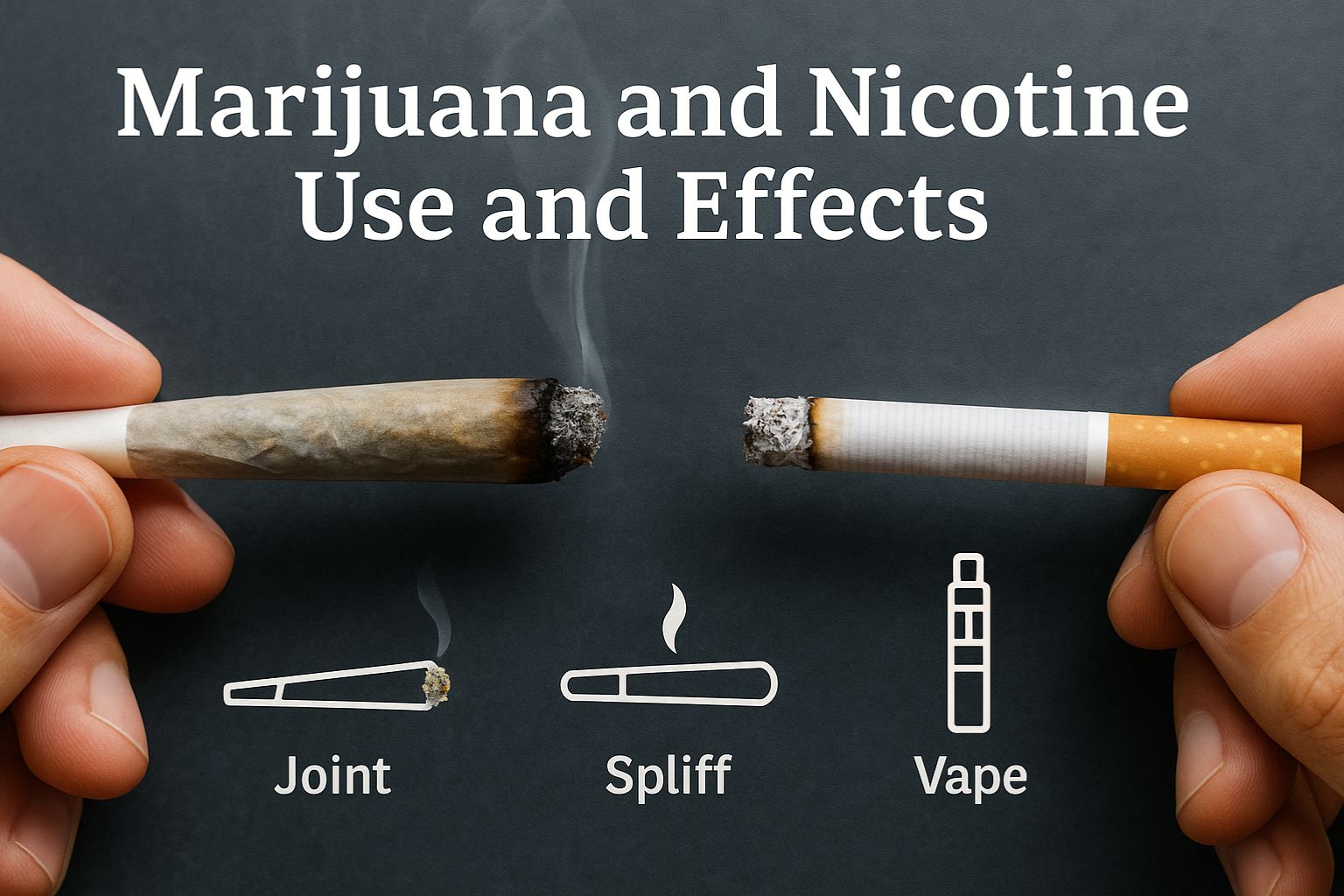
How I Approach Marijuana and Nicotine: A Grower’s Perspective
I’m a cultivator first, writer second. Most of what I know about marijuana and nicotine use and effects comes from the same place I learned how to shape canopies and cure flower: long seasons in small rooms, test jars, field notes, and honest feedback from friends who prefer joints, spliffs, and vapes. This isn’t a medical or legal essay. I’m sharing what I’ve observed about marijuana effects and nicotine effects in real-world contexts—especially how post-harvest practices like curing cannabis, as well as choices like spliff vs joint or smoke vs vaporize cannabis, change the experience.
I’ll also include practical harm reduction tips, rolling techniques that protect flavor, and the cultivation moves that consistently produce smooth, aromatic flower. Throughout, I’ll refer to marijuana, cannabis, and weed interchangeably, because that’s how people actually talk when they’re asking about mixing cannabis and tobacco or comparing smoke vs vaporize cannabis options.
What I’ve Observed About Marijuana and Nicotine Use and Effects
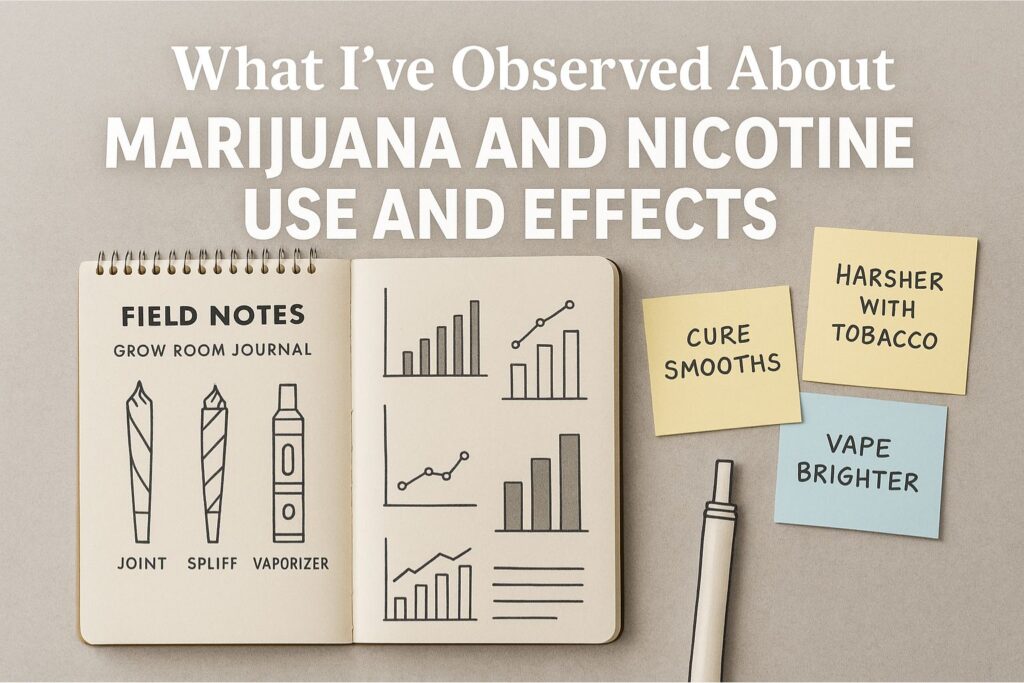
Over the years, I’ve watched how marijuana effects and nicotine effects interact in social sessions. Some folks reach for a spliff because they like the way nicotine “sharpens” the onset; others avoid mixing cannabis and tobacco because the throat burn overpowers terpenes. In my circles, marijuana and nicotine together can feel quicker on the head but harsher on the palate. Solo weed in a clean joint feels rounder and more terpene-forward, especially when the grower respected drying and curing cannabis.
I’ve noticed three consistent patterns in marijuana and nicotine use and effects:
- When the flower is dried at 18–20°C and 55–60% RH for 10–14 days and then cured properly, the smoke is smoother—whether you choose spliff vs joint. Poorly cured cannabis exaggerates harshness, which makes nicotine effects feel even more scratchy.
- Rolling techniques affect flavor more than most realize. A loose cone wastes terpenes; an over-packed tube burns hot. Either way, marijuana effects feel muddier and nicotine effects feel spikier.
- Smoke vs vaporize cannabis changes the conversation. I get brighter terpene expression and a gentler throat feel when I vaporize cured flower at sensible temps, while combustion is louder but less nuanced.
Spliff vs Joint: What Changes In Practice
I’ve rolled thousands of both. Here’s how spliff vs joint differs in my everyday testing:
- A joint (weed only) lets the cultivar’s terpenes speak. If you’ve dialed your environment—veg 24–27°C, flower 23–25°C, finishing 22–24°C with 45–50% RH—the marijuana effects read clean and varietal. With a joint, smoke vs vaporize cannabis is more a question of ritual than necessity; both can taste great when the plant was grown and cured right.
- A spliff blends weed with tobacco. When mixing cannabis and tobacco at small ratios (I’ve tested 80:20 and 90:10 weed to tobacco), the initial hit can feel sharper. Friends report quicker onset; others say flavor dulls. Either way, spliff vs joint always changes the burn rate and temperature, which can mask subtleties from curing cannabis.
When I evaluate spliff vs joint in blind tastings, I keep the same flower, paper, and tip, change only the filler, and log notes on marijuana effects, nicotine effects, and perceived harshness. Without fail, mixing cannabis and tobacco pushes the session toward stimulation at the cost of terpene nuance.
Smoke vs Vaporize Cannabis: Heat, Flavor, And Control
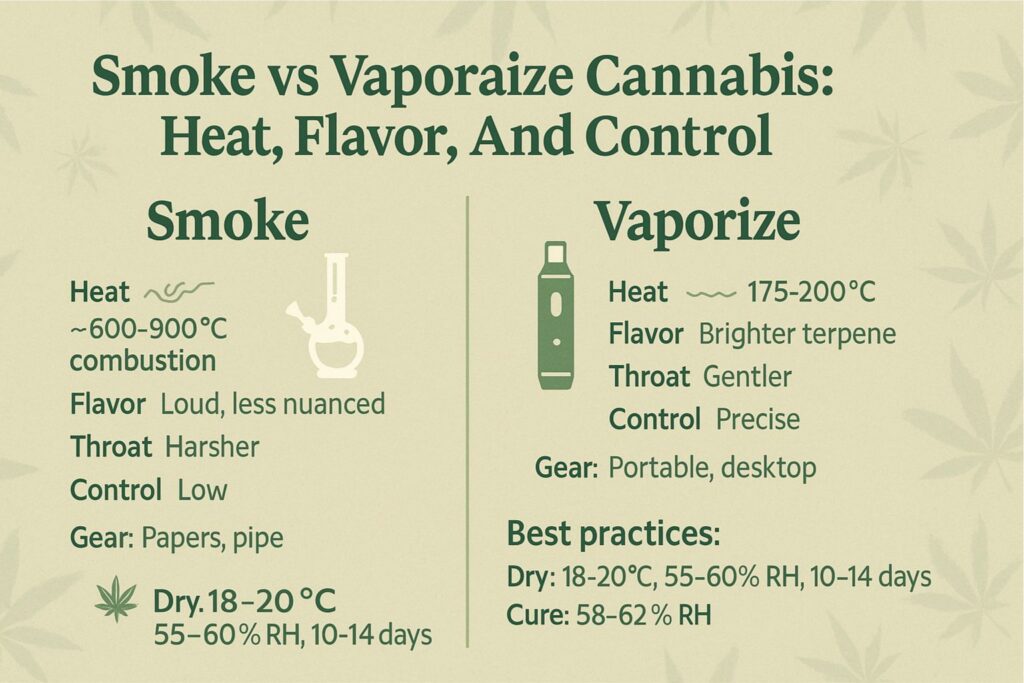
I keep tabletop and portable vapes on the bench to compare smoke vs vaporize cannabis with the same batch of cured flower. My personal pattern:
- 175–185°C: vivid citrus and floral terpenes, lighter marijuana effects on the body
- 190–200°C: deeper sweetness and wood, stronger overall marijuana effects
- Above 205°C: heavier feel; flavor drops fast
Combustion is simpler, social, and sometimes the exact vibe—especially outdoors. But if someone asks me to maximize flavor and reduce throat bite, smoke vs vaporize cannabis isn’t a close call. Vapor wins, assuming the flower was grown well and you respected curing cannabis.
Growing For A Smoother Experience
Even when readers ask about marijuana and nicotine, I steer them back to cultivation fundamentals. If the garden is sloppy, spliff vs joint won’t rescue the taste. Here are the settings that consistently produced flower that smokes clean—with or without mixing cannabis and tobacco.
Environment, Light, And Feed Targets I Use
- Veg: 24–27°C, 60–70% RH, VPD 0.8–1.1 kPa, PPFD 300–500 µmol/m²/s
- Early flower: 24–26°C, 55–60% RH, PPFD 600–700 µmol/m²/s
- Mid flower: 23–25°C, 50–55% RH, PPFD 700–850 µmol/m²/s
- Finish: 22–24°C, 45–50% RH; taper EC to 1.0–1.2
These ranges minimize the hay note that ruins marijuana effects. They also keep chlorophyll breakdown orderly so curing cannabis brings velvet smoke instead of bite—important whether you’re comparing spliff vs joint or smoke vs vaporize cannabis.
Drying And Curing Cannabis For Smooth Smoke
- Dry in the dark at 18–20°C, 55–60% RH, with indirect airflow for 10–14 days
- Trim, then jar at 58–62% RH with mini hygrometers
- Burp daily for two weeks, then occasionally for a month
Curing cannabis is my single biggest lever for a clean session. Properly cured flower makes rolling techniques easier, and it narrows the flavor gap between smoke vs vaporize cannabis. It also means that marijuana and nicotine differences you taste are actually from the blend—not from sloppy post-harvest.
Rolling Techniques That Protect Flavor
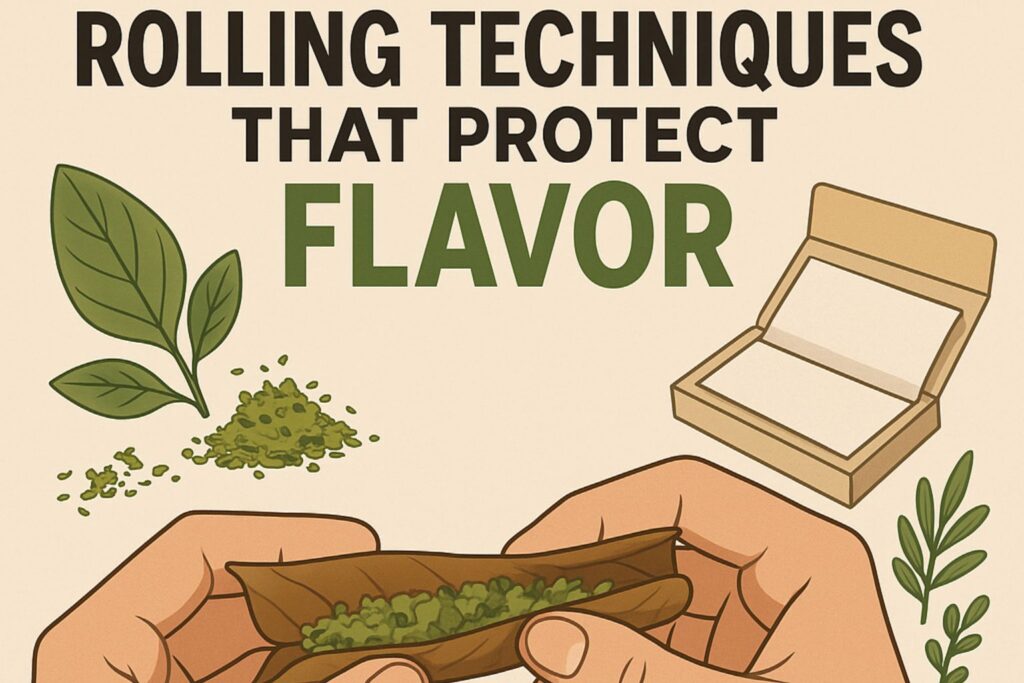
Rolling techniques matter as much as cultivar choice. My baseline approach:
- Use thin, neutral papers and a cardboard tip to stabilize airflow
- Sift out shake dust; an even particle size burns cooler
- Pack with three light tamps instead of one heavy press
- Aim for a gentle cone that tightens slightly near the tip
I teach beginners to practice rolling techniques with oregano in the off-season. Good rolling techniques are universal: better airflow, cooler ember, cleaner draws. When people test spliff vs joint after practicing, their notes on marijuana effects and nicotine effects get more consistent.
Harm Reduction Tips I Share With Friends
I don’t give medical advice. I do share harm reduction tips that make sessions smoother and more predictable. These apply whether you’re exploring marijuana and nicotine together or not.
- Start low, go slow, and keep notes. That’s true for microdosing cannabis and for first spliff trials.
- Use clean gear and fresh filters. Stale resin makes marijuana effects feel dull and amplifies nicotine effects in unpleasant ways.
- Roll smaller formats when evaluating spliff vs joint so you can compare without overdoing it.
- Space sessions. Cannabis tolerance is real; freshness of perception matters when you’re evaluating smoke vs vaporize cannabis or mixing cannabis and tobacco for the first time.
- Keep water nearby and choose clean air. Simple harm reduction tips go farther than most people expect.
Cannabis Tolerance, Microdosing Cannabis, And Session Planning
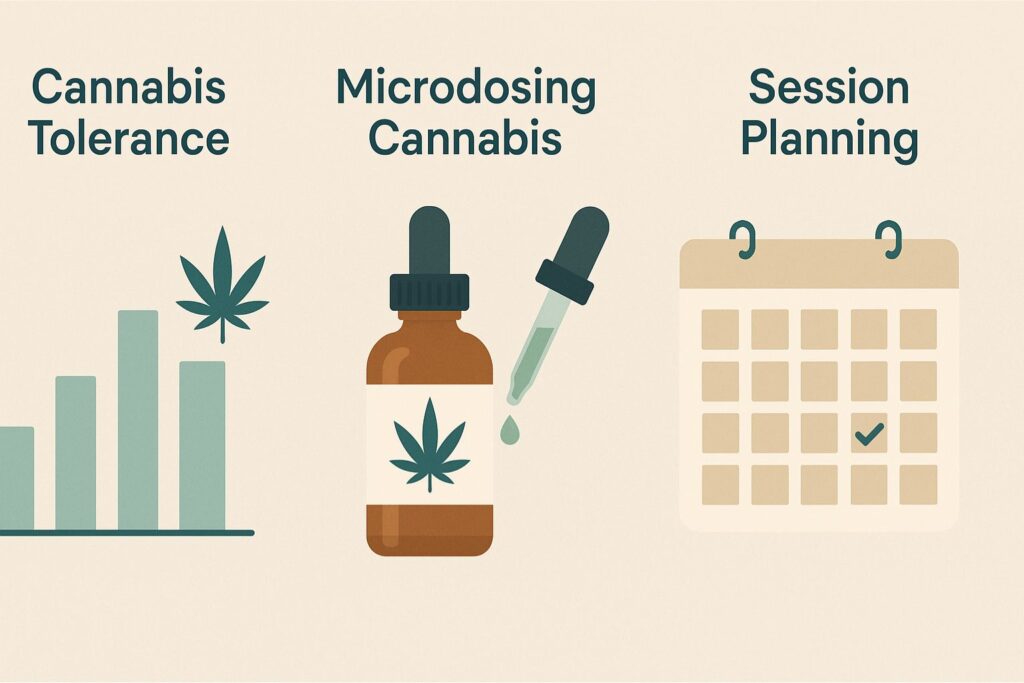
Two questions dominate reader mail: how to manage cannabis tolerance and how to try microdosing cannabis. Here’s what works for me.
- For cannabis tolerance, I rotate cultivars and formats. One week I’ll vaporize, the next I’ll roll joints. I avoid back-to-back spliffs because nicotine effects can feel moreish—again, not a medical claim, just field notes.
- For microdosing cannabis, I log 1–2 inhalations from a vape at 175–185°C, wait 15–20 minutes, and then decide. Microdosing cannabis helps me evaluate terpenes cleanly and compare spliff vs joint without overcommitting.
- When tolerance creeps up, I schedule two quiet days with tea and no sessions. After that, marijuana effects feel fresh again, and the differences in smoke vs vaporize cannabis are easier to sense.
Frequently Asked Questions
What are the biggest differences in marijuana and nicotine use and effects?
From my bench, marijuana and nicotine together feel faster on the front end but trade away some terpene clarity. Pure joints showcase varietal marijuana effects; spliffs add the edge many people associate with nicotine effects. Either way, curing cannabis well keeps the experience smoother.
Does mixing cannabis and tobacco change how much I need?
Possibly. In our blind tests, mixing cannabis and tobacco made folks take smaller puffs but more of them. That’s why I suggest small formats and microdosing cannabis first when you’re comparing spliff vs joint.
Is smoke vs vaporize cannabis a flavor decision or a comfort decision?
Both. Vapor at sensible temperatures highlights terpenes and can feel easier on the throat. Combustion is ritualistic, quick, and social. I keep both options around so I can evaluate marijuana effects across formats and avoid building unnecessary cannabis tolerance.
Which rolling techniques help the most?
Consistent grind size, gentle tamping, and a neutral paper. When those rolling techniques are dialed, spliff vs joint comparisons are meaningful and not just tests of how tight you rolled.
How long should I cure before serious tastings?
Three to four weeks minimum. Curing cannabis is the great equalizer: it clarifies marijuana effects, reduces rough edges that exaggerate nicotine effects, and makes smoke vs vaporize cannabis comparisons fair.
A Grower’s Checklist For Sessions That Taste Like The Garden
- Harvest at your preferred maturity, not by calendar alone
- Dry 10–14 days at 18–20°C, 55–60% RH
- Cure in glass at 58–62% RH and avoid direct light
- Practice rolling techniques weekly; test papers and tips
- Compare spliff vs joint in small formats and keep honest notes
- Rotate formats to manage cannabis tolerance
- Try microdosing cannabis when evaluating a new batch
- Prioritize simple harm reduction tips—clean air, clean tools, water
Final Thoughts
Marijuana and nicotine can be part of the same conversation, but cultivation and post-harvest quality set the tone. When the room is steady, the dry is slow, and the jars rest patiently, you’ll taste cultivar character—whether you light a joint, roll a spliff, or choose to vaporize. If you’re curious about marijuana and nicotine use and effects, start with the fundamentals, respect your notes, and keep sessions simple. The more attention you put into curing cannabis, the less you’ll rely on folklore and the more you’ll trust your palate.
In the end, spliff vs joint, smoke vs vaporize cannabis, and whether mixing cannabis and tobacco has a place in your routine are personal calls. My advice is the same as my grow-room mantra: be consistent, stay curious, and let your observations lead the way. With that approach, you can explore marijuana and nicotine thoughtfully, manage cannabis tolerance intelligently, and keep your rituals anchored in flavor—backed by good technique and practical harm reduction tips.
