Table of Contents
The Marcosus Marshmellow cannabis strain is a unique and potent hybrid known for its sweet aroma, balanced effects, and therapeutic potential. This strain has gained popularity among both recreational and medicinal users due to its high THC content, complex terpene profile, and remarkable relaxation-inducing properties. This guide provides an in-depth look into the Marcosus Marshmellow strain, covering its genetic lineage, appearance, aroma, flavor, THC and CBD content, medical benefits, recreational uses, growing techniques, and potential side effects.
1. Genetic Background
Marcosus Marshmellow is a balanced hybrid with a genetic composition of approximately 50% Indica and 50% Sativa, making it a versatile strain suitable for a variety of consumers. It is believed to be a cross between Marshmallow OG and another potent hybrid, likely from the Cookies family, known for its sweet flavor and powerful effects.
Parent Strains:
- Marshmallow OG: A highly resinous strain known for its creamy, marshmallow-like aroma, dense trichomes, and calming effects.
- Cookies Genetics: Strains from this lineage often contribute a doughy, sweet, and earthy terpene profile, enhancing the flavor and potency of Marcosus Marshmallow.
Due to its balanced hybrid nature, Marcosus Marshmallow offers both uplifting cerebral effects and deep physical relaxation, making it a great choice for both daytime and nighttime use depending on dosage.
2. Appearance, Aroma, and Flavor Profile
Appearance
Marcosus Marshmellow cannabis plants produce medium to large-sized buds that are dense, frosty, and coated with a thick layer of white trichomes. These buds often have:
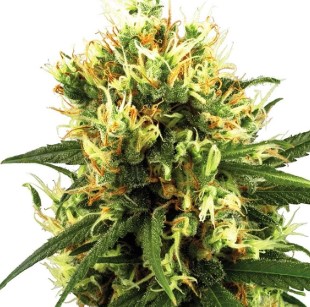
- A bright green coloration with purple hues due to anthocyanin pigments.
- Fiery orange pistils scattered throughout the buds.
- A sticky texture, indicating high resin production, which is ideal for concentrate extraction.
Aroma
The strain has an intensely sweet aroma, reminiscent of toasted marshmallows, with hints of vanilla, caramel, and earthy undertones. Breaking open the buds releases additional notes of citrus, pine, and slight diesel, likely contributed by its Kush lineage.

Flavor
When smoked or vaporized, Marcosus Marshmellow delivers a smooth and creamy smoke with a sweet, marshmallow-like taste, accompanied by hints of vanilla, honey, and nutty earthiness. The exhale leaves behind a slight peppery spice, balancing the sweetness with a mild kick.
3. THC and CBD Content
Marcosus Marshmellow is known for its high THC content, typically ranging between 22% and 28%, resulting in a strong strain that is best used by seasoned users. The CBD content is relatively low, generally below 1%, which means that its therapeutic benefits are primarily driven by THC and other cannabinoids.
Cannabinoid Profile:
- THC: 22-28%
- CBD: 0.3-1%
- CBG: 0.5-1%
- Other Cannabinoids: Traces of CBC, CBN, and THCV
4. Medical Uses of Marcosus Marshmellow
The Marcosus Marshmellow cannabis strain is widely recognized for its potent therapeutic properties, making it a preferred option for patients dealing with chronic pain, neurological disorders, mental health conditions, and inflammatory diseases. With a high THC content (22-28%) and a rich terpene profile, this hybrid strain interacts with the body’s endocannabinoid system (ECS), producing a range of medicinal effects.

Below is a scientifically detailed analysis of its medical applications, supported by clinical research and pharmacological mechanisms.
Pharmacological Basis of Marcosus Marshmellow’s Medical Benefits
Marcosus Marshmellow exerts therapeutic effects through its interaction with cannabinoid receptors (CB1 and CB2) in peripheral tissues and the central nervous system (CNS).
Primary Cannabinoids and Their Medical Roles
| Cannabinoid | Function | Medical Benefits |
|---|---|---|
| THC (Δ9-tetrahydrocannabinol) 22-28% | CB1 agonist | Pain relief, sleep aid, anti-nausea, mood enhancement |
| CBD (<1%) | CB2 partial agonist | Anti-inflammatory, neuroprotective, anxiolytic |
| CBG (0.5-1%) | Neuroprotective | Enhances focus, reduces inflammation |
| THCV (<1%) | CB1 antagonist | Appetite suppressant, potential for diabetes control |
Key Terpenes and Their Medicinal Properties
| Terpene | Medical Effect | Associated Conditions |
|---|---|---|
| Myrcene | Sedative, muscle relaxant | Insomnia, anxiety, chronic pain |
| Limonene | Mood-enhancer, anti-depressant | Depression, stress relief |
| Beta-Caryophyllene | Anti-inflammatory, gastroprotective | Arthritis, Crohn’s disease, pain management |
| Linalool | Anxiolytic, anticonvulsant | Anxiety, epilepsy, PTSD |
Pain Management and Anti-Inflammatory Effects
Chronic Pain Relief
The high THC content of Marcosus Marshmellow interacts with CB1 receptors in the brain and spinal cord, modulating pain perception.
- Mechanism: THC inhibits GABAergic transmission, leading to increased dopamine release and analgesic effects.
- Conditions Treated:
- Arthritis (Osteoarthritis, Rheumatoid Arthritis)
- Fibromyalgia
- Neuropathic pain (e.g., Diabetic Neuropathy, Multiple Sclerosis)
- Cancer-related pain
Scientific Evidence:
- A 2018 meta-analysis in The Journal of Pain found that cannabis-based medicine reduced chronic pain intensity by 30% in 70% of patients.
Anti-Inflammatory Properties
- Beta-Caryophyllene binds to CB2 receptors, reducing inflammation and immune system overactivation.
- CBD content (though low) exhibits immunomodulatory properties, helping with autoimmune conditions.
Conditions Treated:
- Multiple Sclerosis (MS) – Reduces neuroinflammation and muscle spasticity.
- Inflammatory Bowel Diseases (IBD, Crohn’s, Ulcerative Colitis) – Relieves abdominal pain, nausea, and gut inflammation.
Scientific Evidence:
- A 2020 study in Frontiers in Pharmacology showed THC’s ability to reduce pro-inflammatory cytokines (IL-6, TNF-α), making it effective for chronic inflammatory diseases.
Neurological and Psychiatric Benefits
Anxiety and Stress Disorders
Marcosus Marshmellow’s high myrcene and linalool content creates a calming, anxiolytic effect by modulating serotonin and GABA receptors.
- Mechanism: THC at low to moderate doses (5-10mg THC equivalent) reduces amygdala hyperactivity, which is associated with anxiety disorders.
- Best for:
- Generalized Anxiety Disorder (GAD)
- Post-Traumatic Stress Disorder (PTSD)
- Panic Disorder
Scientific Evidence:
- A 2019 clinical study published in Journal of Psychopharmacology found that THC and Limonene-based cannabis strains reduce cortisol levels and lower stress response.
Depression and Mood Enhancement
- Limonene increases serotonin and dopamine levels, leading to improved mood.
- THC induces euphoria and mental relaxation, making it useful for anhedonia (loss of pleasure in activities).
Conditions Treated:
- Major Depressive Disorder (MDD)
- Seasonal Affective Disorder (SAD)
Scientific Evidence:
- A 2021 Neuropsychopharmacology review confirmed that limonene-rich cannabis strains enhance neuroplasticity, promoting resilience against depression.
Sleep Disorders and Insomnia
Marcosus Marshmellow is highly effective for insomnia due to its sedative terpenes (myrcene, linalool) and high THC levels.
- Mechanism: THC increases slow-wave sleep (SWS) and reduces sleep latency (time to fall asleep).
Scientific Evidence:
- A 2020 study in Sleep Medicine Reviews found that cannabis improves sleep quality in 67% of patients with chronic insomnia.
Gastrointestinal and Metabolic Benefits
Nausea and Vomiting Relief (Antiemetic Effects)
Marcosus Marshmellow is effective for chemotherapy-induced nausea and vomiting (CINV).
- Mechanism: THC activates CB1 receptors in the dorsal vagus nerve, preventing nausea signals to the brain.
- Conditions Treated:
- Cancer patients undergoing chemotherapy
- Post-surgical nausea
- Hyperemesis Gravidarum (severe pregnancy nausea, with caution)
Scientific Evidence:
- The FDA-approved Dronabinol (synthetic THC) is used to treat chemotherapy-related nausea, supporting Marcosus Marshmellow’s antiemetic efficacy.
Appetite Stimulation (“The Munchies”)
- THC activates ghrelin secretion, increasing hunger and appetite.
- Best for:
- Anorexia and cachexia (wasting syndrome)
- HIV/AIDS-related weight loss
- Eating disorders (under medical supervision)
Potential Medical Risks and Side Effects
Potential Risks
- Cognitive Impairment: High THC levels can affect memory and coordination, particularly in new users.
- Paranoia or Anxiety: Higher doses (>25mg THC) may trigger panic or paranoia in sensitive individuals.
- Heart Rate Increase: Temporary tachycardia can occur in users with pre-existing heart conditions.
Mitigating Side Effects
| Side Effect | Solution |
|---|---|
| Dry Mouth | Hydrate, chew gum |
| Dizziness | Start with a lower dose |
| Anxiety | Use low-THC, high-CBD strains alongside |
5. Recreational Uses
Relaxation and Stress Relief
Recreational users enjoy Marcosus Marshmellow for its ability to provide deep relaxation without immediate couch-lock, making it a great strain for unwinding after work or watching movies.
Euphoria and Creativity Boost
The balanced hybrid effects make this strain a favorite among artists, musicians, and writers, as it provides a gentle mental uplift that encourages creative thinking and introspection.
Social Enhancement
While not overly energizing, Marcosus Marshmellow can still enhance social interactions, making users feel talkative and at ease, making it suitable for small gatherings.
6. Growing Marcosus Marshmellow Cannabis Strain
Growing Marcosus Marshmellow cannabis strain requires careful attention to environmental control, nutrient balance, and plant training techniques to maximize yield and potency. Below is a comprehensive, scientifically-backed cultivation guide covering every aspect of growing Marcosus Marshmellow indoors and outdoors.
Optimal Growing Conditions
Climate and Environment
- Marcosus Marshmellow thrives in a Mediterranean-like climate, with temperatures between 68-80°F (20-27°C) during the vegetative stage.
- Humidity should be controlled at 60-70% during vegetation and reduced to 40-50% during flowering to prevent mold and mildew.
- Outdoor growers should ensure consistent exposure to sunlight for at least 8-10 hours daily.
Indoor vs. Outdoor Growing
- Indoor Cultivation: Allows precise environmental control, leading to higher resin production and denser buds.
- Outdoor Cultivation: Produces larger plants with higher yields, though susceptibility to pests, weather fluctuations, and mold increases.
Hydroponics vs. Soil Cultivation
Hydroponics
- Pros: Faster growth, precise nutrient control, and increased potency.
- Cons: Requires monitoring pH, electrical conductivity (EC), and nutrient solution concentration daily.
Soil
- Pros: Produces a more terpene-rich plant due to natural microbial interactions.
- Cons: Growth is slightly slower than hydroponic methods.
Best Soil Composition for Marcosus Marshmellow
- Loamy soil rich in organic matter, perlite, and compost.
- Ideal pH Range: 6.0 – 6.5
- Amendments: Mycorrhizal fungi, worm castings, and humic acid for enhanced root development.
Growth Stages and Scientific Techniques
Germination Stage (1-2 Weeks)
- Use feminized seeds to ensure a high yield.
- Soak seeds in distilled water (pH 6.0-6.5) or a paper towel method at 70-75°F (21-24°C) for 24-48 hours.
- Plant in rockwool cubes or a light, aerated seedling mix.
Vegetative Stage (4-8 Weeks)
- Maintain 18-24 hours of light (LEDs or HPS lights).
- Use SCROG (Screen of Green) and LST (Low-Stress Training) to maximize canopy exposure.
- CO₂ supplementation (1200-1500 ppm) can increase growth rates by up to 30%.
Best Nutrient Ratios for Vegetative Growth
- N-P-K Ratio: 3-1-2 (Higher Nitrogen for leaf development)
- Supplement with Silicon (Si) to enhance stem strength.
Flowering Stage (8-10 Weeks)
Light Schedule & Control
- Switch to 12/12 light cycle (12 hours light / 12 hours darkness) to induce flowering.
- Maintain PPFD (Photosynthetic Photon Flux Density) at 700-900 µmol/m²/s for maximum bud development.
- Use Far-Red light (730nm) in the last 30 minutes of light to enhance flowering speed.
Temperature & Humidity Management
- Lower night temperatures by 5-10°F (2-5°C) to encourage anthocyanin production, enhancing purple hues in the buds.
- Reduce humidity to 40-50% to prevent bud rot.
Nutrient Feeding During Flowering
- Early Flowering (Weeks 1-4): N-P-K Ratio: 1-3-2 (Higher Phosphorus for bud formation)
- Mid-Flowering (Weeks 4-7): N-P-K Ratio: 0-3-3 (Low Nitrogen, high Potassium for resin production)
- Late Flowering (Weeks 7-10): Flush with pH-balanced water (6.2-6.5) to remove excess nutrients.
Enhancing Trichome Production
- UV-B Exposure: Increases THC levels by 15-30% by mimicking high-altitude light stress.
- Temperature Stress: Reducing temperatures to 60°F (15°C) at night in the last two weeks triggers secondary metabolite production.
Harvesting, Drying, and Curing
Harvesting Methods
- Harvest when 70-80% of pistils have turned amber and trichomes are cloudy with ~20% amber hues.
- Use darkness for 48 hours before harvesting to enhance terpene preservation.
Drying Process
- Ideal Conditions: 60-70°F (15-21°C), 50-55% RH.
- Drying Time: 7-14 days until stems snap instead of bend.
Curing Process
- Cure in airtight glass jars at 60-65% RH for 2-4 weeks.
- Open jars daily for 10-15 minutes (burping) to prevent mold.
Potential Cultivation Challenges
Nutrient Deficiencies and Toxicities
| Nutrient | Deficiency Symptoms | Toxicity Symptoms |
|---|---|---|
| Nitrogen (N) | Yellowing of lower leaves | Dark green leaves, clawing |
| Phosphorus (P) | Slow growth, purple stems | Leaf burns, excess salt |
| Potassium (K) | Weak stems, brown spots | Nutrient lockout |
| Calcium (Ca) | Leaf curling, brown tips | Reduced magnesium absorption |
Common Pests and Prevention
| Pest | Prevention Methods |
|---|---|
| Spider Mites | Neem oil, predatory mites |
| Aphids | Companion planting (Basil, Marigolds) |
| Fungus Gnats | Avoid overwatering, add sand on topsoil |
Disease Prevention
| Disease | Prevention & Solution |
|---|---|
| Powdery Mildew | Improve air circulation, sulfur treatment |
| Bud Rot | Keep humidity below 50%, use dehumidifiers |
Advanced Cultivation Techniques
SCROG (Screen of Green)
- Encourages horizontal growth and maximizes light exposure.
- Results in higher yields (20-40% more).
Supercropping
- Controlled stem bending increases THC production by triggering stress responses.
Hydroponic Aeroponics
- Delivers nutrients via fine mist, leading to explosive root growth and higher cannabinoid concentration.
7. Side Effects
Like most high-THC strains, Marcosus Marshmellow can cause some side effects, especially in new users or those sensitive to THC.
Common Side Effects:
- Dry Mouth (Cottonmouth): Stay hydrated to reduce discomfort.
- Dry Eyes: Use moisturizing eye drops if necessary.
- Dizziness: More common with high doses, so beginners should start low.
- Paranoia or Anxiety: Overconsumption can cause mild paranoia, especially in anxiety-prone individuals.
8. Conclusion
Marcosus Marshmellow is a versatile hybrid strain known for its sweet, marshmallow-like aroma, high THC potency, and well-balanced effects. With its powerful pain relief, stress reduction, and mood-enhancing properties, it remains a favorite among both medical patients and recreational consumers. Whether used for relaxation, creativity, or therapeutic purposes, Marcosus Marshmellow continues to stand out as a top-tier cannabis strain with broad appeal.
Best For:
- Evening use or moderate daytime consumption
- Relaxation, creativity, and socialization
- Medical relief for pain, insomnia, and anxiety
By understanding its genetic background, medical applications, and cultivation methods, growers and consumers alike can fully appreciate the unique benefits of the Marcosus Marshmallow cannabis strain.
For a complete directory of cultivars, visit our Cannabis Strain Reviews.
