Table of Contents
The Mango cannabis strain is a legendary cultivar with roots dating back to the early 1960s. Initially bred from an Afghan indica landrace, Mango was refined and stabilized in the early 1990s by a breeder named KC Brains. The stabilized version combines Afghani indica genetics with KC33 and a Skunk hybrid, leading to a strong, balanced, and sedative-leaning indica-dominant hybrid.
- Type: Indica-dominant hybrid (typically 65–75% indica)
- Genetics: Afghani x KC33 x Skunk
- THC Content: 15%–24%
- CBD Content: <1% (typically negligible)
- Terpenes: Myrcene, Caryophyllene, Limonene, Pinene
Morphology and Cultivation Characteristics
Genetic Stability and Phenotype Expression
Seed vs Clone
- Seeds of Mango (especially those from reputable breeders like KC Brains) tend to be genetically stable, offering uniformity in phenotype (broad leaves, dense flowers, fruity aroma).
- Cloning from a healthy mother plant ensures phenotype preservation, especially if you’ve identified a specimen with superior resin production or terpene profile.
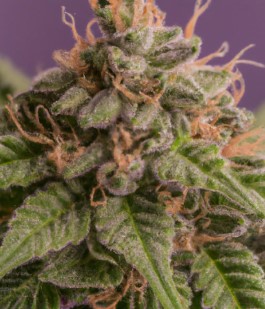
Phenotypic Variation
Due to Skunk genetics, Mango may express:
- Short, broad-leafed indica phenotypes (fast flowering, heavy yield)
- Slightly taller hybrid types with more internodal spacing and enhanced aroma
Growers often phenotype hunt over several generations to select for desired traits like resin content, mango flavor, or compact structure.
Optimal Environment and Climate
Mango thrives in a controlled environment but can also flourish outdoors in the right conditions.
Indoor Cultivation Parameters
| Parameter | Ideal Range |
|---|---|
| Temperature (veg) | 22–26°C (72–79°F) |
| Temperature (flower) | 20–24°C (68–75°F) |
| Relative Humidity | 55–65% (veg), 40–50% (flower) |
| CO₂ Enrichment | Up to 1200 ppm (during lights on) |
| Light Cycle (veg) | 18/6 or 20/4 |
| Light Cycle (flower) | 12/12 |
| PPFD (veg) | 300–500 µmol/m²/s |
| PPFD (flower) | 600–900 µmol/m²/s |
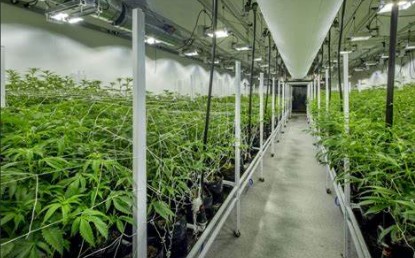
Humidity reduction in late flowering is key to prevent bud rot due to Mango’s dense flower structure.
Outdoor Cultivation
- Climate preference: Warm, Mediterranean (similar to Southern California or Spain)
- Harvest window: Mid to late October (Northern Hemisphere)
- Soil: Well-aerated, loamy soil with high organic content
- Requires sunlight >8 hours/day for full terpene expression
Soil and Nutrient Requirements
Soil Composition
- Ideal pH: 6.2–6.8 (slightly acidic)
- Preferred medium: Living soil with compost, worm castings, perlite, and peat moss or coco coir
- Drainage: Essential to avoid root rot in heavy-yielding Mango phenotypes
Macronutrients
| Growth Stage | Nitrogen (N) | Phosphorus (P) | Potassium (K) |
|---|---|---|---|
| Vegetative | High | Moderate | Moderate |
| Flowering | Low | High | High |
- Vegetative stage: High N promotes vigorous branching and leaf development.
- Flowering stage: P and K support trichome development, terpene biosynthesis, and bud density.
Micronutrients
- Key elements: Magnesium (Mg), Calcium (Ca), Sulfur (S), Iron (Fe), and Boron (B)
- Mango’s terpene-rich profile (especially high myrcene) benefits from sulfur supplementation during mid-to-late flowering.
Vegetative Stage Management
Training Techniques
- Topping: Encourages lateral growth and uniform canopy
- Low-Stress Training (LST): Ideal for optimizing light penetration in bushy Mango plants
- SCROG (Screen of Green): Highly effective due to Mango’s predictable vertical growth and short internodal spacing
Vegetative Duration
- Typically 4–6 weeks for indoor grows
- Can be extended to 8+ weeks outdoors for larger yields
Mango responds very well to early training, which is critical for maximizing yield and controlling size indoors.
Flowering Stage Science
Photoperiod Sensitivity
- Mango responds reliably to a 12/12 light cycle, triggering flowering around 7–10 days after the switch.
Flowering Duration
- 8 to 10 weeks depending on phenotype and environment
- Indoor plants usually finish earlier due to controlled light exposure and minimal photoperiod fluctuation
Flower Structure
- Dense, chunky colas with high resin content
- Tightly packed calyxes, vulnerable to mold in high humidity
Proper air circulation and defoliation are crucial during weeks 5–8 of flowering.
Enhancing Terpene and Cannabinoid Production
Light Spectrum Influence
- Blue light (400–500nm) during veg increases compactness
- Red light (620–700nm) and UVB exposure in late flowering boosts THC and terpene content
- Some cultivators apply far-red light (730nm) at end of day to simulate natural dusk, triggering more robust flowering responses
Stress-Induced Enhancements
- Controlled drought in late flowering can increase trichome density
- Cold night temperatures (15–18°C) in final week can enhance color expression (e.g., purples) and improve terpene retention
Harvest Timing and Indicators
Trichome Maturation
- Use a jeweler’s loupe or microscope to inspect trichomes:
- Clear: Immature
- Cloudy/Milky: Peak THC, psychoactive high
- Amber: More CBN, sedative effects
For Mango, a 70% cloudy / 30% amber trichome mix is ideal to balance its euphoric and sedative properties.
Pistil Observation
- Harvest when 70–90% of pistils have darkened and curled inward
- Earlier harvest favors more energetic effects; later harvest deepens sedation
Post-Harvest: Drying, Curing, and Storage
Drying
- Environment: 18–21°C (65–70°F), 50–55% RH, dark room
- Duration: 7–10 days
- Goal: Slow dry to preserve terpenes and prevent mold
Curing
- Cure in airtight glass jars, burping daily for the first 2–3 weeks
- Ideal RH inside jar: 58–62%
- Duration: Minimum 3 weeks; 6–8 weeks ideal for Mango to maximize terpene richness and mellow the smoke
Storage
- Store in cool, dark, dry environments
- Use UV-proof containers or store jars in opaque cabinets to prevent terpene degradation
Common Cultivation Challenges and Solutions
| Issue | Cause | Solution |
|---|---|---|
| Bud rot | High humidity, poor airflow | Defoliate, reduce RH, increase circulation |
| Nitrogen toxicity | Overfeeding in late veg/early flower | Flush medium, adjust N levels |
| Weak aroma/flavor | Poor terpene retention | Optimize cure, increase sulfur, use full-spectrum lighting |
| Low yields | Inadequate lighting or root restriction | Upgrade lights, transplant into larger containers |
Mango, though beginner-friendly, benefits greatly from environmental precision and nutrient balance, especially during late flowering.
Scientific Yield Optimization Strategy (Indoor)
- Veg: 4–5 weeks under 18/6, LST + topping by week 2
- Flower: 9 weeks under 12/12
- Lighting: 600–1000W full-spectrum LEDs (PPFD ~850)
- CO₂ supplementation: ~1000 ppm from week 2 to week 7 of flower
- EC/pH management: Maintain EC at 1.8–2.2 in flower, pH ~6.5
- Expected Yield: 450–550g/m²
For hydroponics or DWC systems, Mango performs even more vigorously, but terpene expression is sometimes diminished compared to organic soil unless supplemented with organic boosters.
Terpene Profile and Aromatic Signature
Mango’s sensory profile is deeply tied to its terpene composition, which not only influences its flavor and aroma but also modulates its pharmacological effects through the entourage effect.
| Primary Terpene | Concentration | Effects | Aroma/Flavor |
|---|---|---|---|
| Myrcene | High | Sedative, muscle relaxant | Earthy, mango |
| Caryophyllene | Medium | Anti-inflammatory, analgesic | Spicy, peppery |
| Limonene | Medium-Low | Mood elevation, stress relief | Citrus |
| Pinene | Low | Memory retention, bronchodilator | Pine |
- Myrcene, the dominant terpene, is especially responsible for Mango’s narcotic, “couch-lock” effects and fruity aroma.
- Caryophyllene interacts with CB2 receptors, offering anti-inflammatory effects without intoxication.
Cannabinoid Profile and Biochemistry
Mango is typically rich in Δ⁹-tetrahydrocannabinol (THC), making it psychoactive. It features low levels of cannabidiol (CBD) and trace amounts of cannabinol (CBN), cannabigerol (CBG), and other minor cannabinoids.
Average Cannabinoid Levels (varies by phenotype and cultivation):
- THC: 18%–22%
- CBD: <0.5%
- CBN: ~0.1%
- CBG: ~0.5%
This ratio leads to potent psychoactivity with strong therapeutic potential, particularly for pain management and insomnia.
Medical Applications and Therapeutic Potential
The Mango strain is rich in THC (typically 18–22%), low in CBD (<0.5%), and contains a unique terpene profile dominated by myrcene, with contributions from caryophyllene, limonene, and pinene. These compounds work synergistically via the entourage effect to deliver therapeutic effects across various bodily systems.
| Compound | Target Systems | Medical Action |
|---|---|---|
| THC | CB1 (CNS), CB2 (immune system) | Analgesic, antiemetic, appetite stimulation, muscle relaxant |
| Myrcene | GABAergic system, blood-brain barrier | Sedative, analgesic, anti-inflammatory |
| Caryophyllene | CB2 receptor | Anti-inflammatory, GI support |
| Limonene | Serotonergic pathways | Anxiolytic, antidepressant |
| Pinene | Acetylcholinesterase inhibitor | Memory enhancement, anti-inflammatory |
Analgesia and Chronic Pain Relief
Mechanism
- THC activates CB1 receptors in the brain and spinal cord, which dampens nociceptive signaling.
- Myrcene enhances THC’s effects by increasing its passage across the blood-brain barrier and has intrinsic analgesic activity.
- Caryophyllene, via CB2 receptor activation, reduces inflammatory cytokines without psychoactivity.
Medical Relevance
- Neuropathic pain (e.g., diabetic neuropathy, sciatica)
- Inflammatory pain (e.g., arthritis, Crohn’s disease)
- Centralized pain syndromes (e.g., fibromyalgia)
Clinical observations suggest that Mango is especially helpful for evening pain management, due to its sedative, body-heavy high that reduces both pain and the associated tension or anxiety.
Sleep Disorders and Insomnia
Mechanism
- Myrcene, the dominant terpene in Mango, exhibits GABA-A receptor modulation, mimicking the effects of sedatives like benzodiazepines (without the same risk profile).
- THC reduces sleep latency (the time it takes to fall asleep) and increases slow-wave sleep at moderate doses.
Applications
- Primary insomnia
- Sleep maintenance disorders
- Anxiety-induced sleeplessness
- Night terrors or REM disorders (with caution, as high THC may suppress REM in some cases)
Studies suggest that strains with >0.5% myrcene are most effective for deep sedation, which Mango regularly exceeds.
Appetite Stimulation and Gastrointestinal Support
Mechanism
- THC increases ghrelin secretion, stimulating appetite.
- It also modulates the vagal nerve and enteric nervous system, aiding digestion and reducing nausea.
Medical Conditions
- Cancer-related cachexia
- HIV/AIDS wasting
- Anorexia nervosa
- Chemotherapy-induced nausea and vomiting (CINV)
While strains with high CBD are typically used for anti-nausea without intoxication, Mango is better suited when appetite restoration and sedation are both required — ideal for nighttime use.
Anxiety and Stress Reduction
Mechanism
- Limonene and THC affect serotonin receptors (5-HT1A), producing anxiolytic and mood-elevating effects.
- THC at moderate doses reduces anxiety, but high doses may cause paradoxical anxiety or paranoia.
Mango-Specific Considerations
- Due to its indica profile, Mango tends to be calming rather than cerebral, avoiding the racy anxiety sometimes caused by sativas.
- Particularly effective for:
- Situational anxiety
- PTSD-related tension
- Work stress decompression
Note: Individuals with THC sensitivity should start at low doses due to Mango’s high THC/myrcene ratio, which can be strongly sedating.
Muscle Spasticity and Neuromuscular Disorders
Mechanism
- THC and myrcene reduce motor neuron excitability, which is beneficial in spastic conditions.
- Caryophyllene contributes to neuroinflammation reduction, indirectly improving neuromuscular function.
Indicated For:
- Multiple sclerosis (MS)
- Parkinson’s disease
- Cerebral palsy
- ALS (Amyotrophic Lateral Sclerosis)
In MS, cannabis strains like Mango help reduce muscle stiffness and frequency of spasms, often enhancing quality of sleep and daily functioning.
Mood Disorders and Depression (Adjunctive Use)
Mechanism
- Limonene acts as a monoamine oxidase inhibitor (MAOI), increasing serotonin and dopamine availability.
- THC elevates mood through dopaminergic activation in the mesolimbic pathway.
Limitations and Cautions
- Mango is not a primary antidepressant, but may help ameliorate symptoms like fatigue, anhedonia, and poor sleep in mild to moderate depressive states.
- Its sedative nature is not suited for daytime depression relief and may increase lethargy in some patients.
Anti-Inflammatory and Immune Regulation
Mechanism
- Caryophyllene activates CB2 receptors on immune cells, reducing pro-inflammatory cytokines (IL-6, TNF-α).
- THC suppresses excessive immune responses via T-cell and microglial modulation.
Relevant Conditions
- Autoimmune disorders (e.g., lupus, rheumatoid arthritis)
- IBD (Crohn’s disease, ulcerative colitis)
- Asthma (as adjunct)
Mango is ideal for nighttime use in chronic inflammatory conditions, particularly when pain, insomnia, and anxiety co-occur.
Migraine and Cluster Headache Relief
Mechanism
- THC reduces trigeminal nerve excitability.
- Myrcene and limonene may act on serotonergic pathways, similar to triptans (e.g., sumatriptan).
- Mango’s anti-inflammatory properties reduce neurogenic inflammation, a key trigger of migraines.
Application
- Best used early in migraine onset to abort or reduce severity.
- May also reduce postdromal fatigue and anxiety.
Patients have reported Mango as effective when vaped or smoked at onset, especially for nighttime migraines associated with sensory sensitivity.
Antioxidant and Neuroprotective Potential
Mechanism
- THC and caryophyllene scavenge reactive oxygen species (ROS) and protect neurons from excitotoxic damage.
- Chronic low-dose cannabis use has shown neuroprotective effects in animal models of Alzheimer’s and MS.
Possible Future Applications (under research)
- Alzheimer’s disease (THC may reduce beta-amyloid plaques)
- Parkinson’s and Huntington’s diseases (motor and oxidative benefits)
- Stroke recovery and traumatic brain injury (TBI)
While Mango is not a medical-grade neuroprotective agent, its phytochemical profile supports adjunctive roles in these conditions when used with supervision.
Cannabinoid-Terpene Synergy in Mango’s Medical Profile
The entourage effect significantly enhances Mango’s efficacy in specific disorders. Here’s how its key compounds interact synergistically:
| Compound Combo | Effect | Clinical Benefit |
|---|---|---|
| THC + Myrcene | Enhanced analgesia, sedation | Chronic pain, insomnia, spasms |
| THC + Caryophyllene | Psychoactive pain relief + immune modulation | Arthritis, IBD, fibromyalgia |
| THC + Limonene | Mood-lifting yet calming | Stress, low mood, anxiety |
| Myrcene + Linalool (if present) | Deep sedation, muscle relaxation | Sleep disorders, spasticity |
This synergy explains why Mango may outperform isolates or less complex hybrids in real-world medical use.
Ideal Medical Use Scenarios for Mango
| Condition | Why Mango Works | Suggested Form |
|---|---|---|
| Chronic pain & arthritis | THC + myrcene + caryophyllene for pain + inflammation | Vapor, tincture, edible |
| Insomnia | Strong myrcene effect + calming THC | Edible or vape pre-bed |
| Cachexia / appetite loss | THC stimulates hunger + pleasant taste | Vapor or smoke |
| Fibromyalgia | Broad-spectrum body relief, muscle relaxation | Vapor or edible |
| Multiple sclerosis (MS) | Antispasmodic + analgesic + anti-inflammatory | Oil, edible, topical |
| Anxiety (evening use) | Calming with mild euphoria, limonene support | Low-dose vape or oil |
| Migraines | Reduces sensory input and inflammation | Fast-acting vapor |
Summary: Medical Value of Mango
- Best suited for evening medical use where sedation, pain relief, and mood regulation are key.
- Not ideal for daytime functional use, severe depression, or patients needing high CBD.
- Works well in combination with other strains or therapies, especially in poly-symptomatic conditions (e.g., PTSD + pain + insomnia).
Recreational Effects and User Experience
Mango is widely appreciated in the recreational community for its balance between body relaxation and mood enhancement. Its experience unfolds in three general phases:
Onset
- Onset time: 5–15 minutes (inhalation), 30–90 minutes (edibles)
- Initial effects: Uplifting, warm euphoria, mild head buzz
- Sensory enhancement: Brightened colors, increased auditory pleasure
Peak Effects
- Deep body relaxation (“couch lock”)
- Increased appetite
- Mental calm or spaciness
- Mellow sociability
Best suited for evenings, lazy days, or unwinding after high-stress periods.
Comedown
- Duration: 2–4 hours (inhaled), 4–8 hours (edible)
- Minimal hangover unless over-consumed
- Some users report mild lethargy or dry mouth
Common Descriptors by Users:
- “Like slipping into a warm bath”
- “Tastes like overripe mangoes and earth”
- “Great for Netflix and snacks”
Potential Side Effects and Safety Considerations
Like any high-THC strain, Mango can elicit side effects, especially in sensitive individuals or those with low tolerance.
Common Side Effects:
- Dry mouth (xerostomia)
- Dry eyes
- Drowsiness
- Short-term memory impairment
Less Common, High-Dose Risks:
- Dizziness
- Paranoia or anxiety (in THC-sensitive users)
- Motor coordination deficits
Caution is advised when combining Mango with other sedatives (alcohol, benzodiazepines) due to enhanced CNS depression.
Scientific and Pharmacological Insights
Entourage Effect
The combination of THC, myrcene, and other terpenes in Mango enhances its sedative and analgesic properties. Myrcene, in particular, may enhance blood-brain barrier permeability, potentiating THC’s effects.
Endocannabinoid System Interactions
- THC: Partial agonist of CB1 and CB2 receptors
- Caryophyllene: Selective CB2 agonist (non-psychoactive anti-inflammatory)
- Limonene: Affects serotonin receptors, contributing to antidepressant effects
Mango is thus pharmacologically active in multiple pathways: endocannabinoid, serotonergic, dopaminergic, and GABAergic.
Myrcene’s Sedative Power
Animal models have shown that myrcene can increase the barbiturate sleep time, supporting its use as a sedative agent.
Best Use Practices and Consumption Methods
Preferred Methods:
- Inhalation (Vaporization): Rapid onset, better terpene preservation
- Combustion (Smoking): Fast effects, less terpene retention
- Edibles: Slower onset, longer duration, stronger body effects
- Tinctures: Discreet, controlled dosing
Dosing Guidelines:
- Beginner: 2–5mg THC (low-tolerance users)
- Intermediate: 5–15mg
- Experienced: 15–30mg+
Always start low, especially with edibles, due to delayed onset and risk of overconsumption.
Cultural and Market Impact
Mango has maintained enduring popularity due to:
- Its unique flavor profile resembling ripe tropical mangoes
- Its potency balanced with functionality
- Recognition as a classic medicinal strain
It has also served as a genetic parent to modern hybrids like Mango Haze and Mango Kush, which inherit its sedative and flavor-rich traits.
Comparative Analysis with Similar Strains
| Strain | Type | THC | Flavor | Key Effects |
|---|---|---|---|---|
| Mango | Indica-dominant | 18–22% | Mango, earthy | Sedative, relaxing, euphoric |
| Mango Kush | Indica hybrid | 16–20% | Fruity, tropical | Calming, social |
| Granddaddy Purple | Indica | 20–24% | Grape, berry | Deep body sedation |
| Northern Lights | Indica | 18–22% | Sweet, pine | Full-body relaxation |
Ideal Use Scenarios
- Evening wind-down or post-work stress
- Watching movies, listening to music
- Low-key social settings
- Insomnia treatment or pre-sleep routine
- Appetite recovery or post-chemotherapy
Final Assessment
Mango remains a time-tested strain that delivers powerful, predictable effects with a rich sensory experience. Its legacy, therapeutic strength, and approachable high make it a favorite for both medical patients and recreational users alike.
Pros:
- Strong physical relaxation and analgesia
- Unique mango-fruit flavor
- High yields and easy cultivation
Cons:
- Can be overly sedating for daytime use
- Low CBD content
- May provoke dry mouth and eyes
For a complete directory of cultivars, visit our Cannabis Strain Reviews.
