Table of Contents
Mango Crack is a unique and powerful cannabis strain that combines the uplifting and energetic properties of Sativa with the relaxation-inducing effects of Indica. This hybrid is known for its tropical mango aroma and high potency, making it a favorite among recreational and medical cannabis users alike. Mango Crack is a cross between the ever-popular Mango Kush and the potent Green Crack, resulting in a strain that delivers both cerebral stimulation and body relaxation. With its high THC levels and balanced effects, this strain is widely sought after for its diverse applications.
This guide explores Mango Crack’s genetics, appearance, aroma, flavor, THC/CBD content, medical applications, recreational uses, scientific background, side effects, and cultivation tips to provide a comprehensive understanding of this remarkable cannabis variety.
Genetic Background
Mango Crack is a well-balanced hybrid with an approximate genetic split of 60% Sativa and 40% Indica. It inherits its properties from two renowned parent strains:
- Mango Kush: Known for its fruity mango flavor and calming, euphoric effects, Mango Kush contributes the sweet, tropical aroma and relaxing Indica effects to Mango Crack.
- Green Crack: A Sativa-dominant strain famous for its energizing and focus-enhancing properties, Green Crack lends Mango Crack its cerebral high and uplifting qualities.
This genetic combination creates a hybrid that is ideal for users seeking both mental stimulation and physical relaxation without excessive sedation.
Appearance, Aroma, and Flavor Profile
Appearance
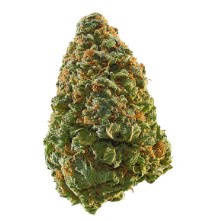
Mango Crack plants exhibit a striking visual appeal with medium to large, dense buds covered in a thick layer of crystalline trichomes. The nugs display a vibrant mix of bright green and orange pistils, often with tinges of deep purple when exposed to cooler temperatures during cultivation. The thick resin production hints at the strain’s high THC content.
Aroma
One of Mango Crack’s most distinguishing features is its strong tropical aroma. Upon opening a jar, users are greeted with an intense mango scent complemented by citrus undertones and a hint of earthiness. The strain’s terpene profile includes myrcene, limonene, and caryophyllene, which contribute to its fruity and slightly spicy scent.
Flavor
The flavor of Mango Crack closely mirrors its aroma. When smoked or vaporized, users experience a sweet and fruity mango taste with hints of citrus and a smooth, slightly herbal aftertaste. The combination of its smooth inhale and tropical taste makes it a favorite among users who appreciate flavorful cannabis strains.
THC and CBD Content
Mango Crack is high in THC, typically ranging between 18% and 24%, depending on cultivation methods and phenotype variations. Its CBD content is relatively low, usually below 1%, making it more suitable for users seeking potent THC effects rather than CBD-based relief.
Medical Uses of Mango Crack
Mango Crack is a hybrid strain (60% Sativa, 40% Indica) with a high THC content (18-24%) and low CBD (<1%), making it an effective therapeutic strain for several medical conditions. The interaction between cannabinoids, terpenes, and the endocannabinoid system (ECS) contributes to its wide range of medicinal benefits.
1. Mechanism of Action: How Mango Crack Works Medically
The medicinal effects of Mango Crack stem from its interaction with the endocannabinoid system (ECS), which regulates pain, mood, appetite, inflammation, and sleep. The key active compounds responsible for its effects are:
A. Cannabinoid Activity
| Cannabinoid | Effect |
|---|---|
| THC (Δ9-Tetrahydrocannabinol) | Binds to CB1 and CB2 receptors, reducing pain, inflammation, and anxiety while promoting euphoria. |
| CBD (Cannabidiol) | Though low in Mango Crack, CBD has neuroprotective and anti-inflammatory properties. |
| CBG (Cannabigerol, Minor Cannabinoid) | Supports neurogenesis and gut health, reducing nausea and inflammation. |
B. Terpene Synergy (Entourage Effect)
| Terpene | Effect | Contribution to Medical Benefits |
|---|---|---|
| Myrcene | Sedative, analgesic | Enhances pain relief and muscle relaxation. |
| Limonene | Mood-enhancing, anti-anxiety | Reduces stress, depression, and anxiety symptoms. |
| Caryophyllene | Anti-inflammatory, analgesic | Helps with chronic pain, arthritis, and gut inflammation. |
These cannabinoids and terpenes work synergistically (entourage effect) to enhance the strain’s medicinal efficacy.
2. Medical Benefits of Mango Crack
A. Pain Management
Mango Crack is highly effective for chronic and acute pain conditions due to its THC-driven analgesic properties.
How It Works:
- THC interacts with CB1 receptors in the brain and spinal cord to modulate pain perception.
- Caryophyllene binds to CB2 receptors, reducing inflammatory pain.
- Myrcene increases the permeability of cell membranes, allowing cannabinoids to be absorbed more effectively.
Conditions Treated:
- Neuropathic pain (Multiple Sclerosis, Sciatica, Fibromyalgia)
- Inflammatory pain (Arthritis, Tendonitis, Autoimmune Disorders)
- Migraine relief (vasodilation effects help reduce headache intensity)
- Post-Surgical Pain and Injury Recovery (muscle relaxation properties)
B. Anxiety and Depression Relief
Mango Crack’s high limonene content and moderate THC levels make it an effective treatment for anxiety, depression, and mood disorders.
How It Works:
- Limonene increases serotonin and dopamine levels, improving mood.
- THC stimulates CB1 receptors, reducing stress-related cortisol levels.
- Myrcene induces mild sedation, which helps in managing overactive nervous system responses.
Conditions Treated:
- Generalized Anxiety Disorder (GAD)
- Depression (Major Depressive Disorder, Seasonal Affective Disorder)
- Post-Traumatic Stress Disorder (PTSD)
- Obsessive-Compulsive Disorder (OCD)
Caution: High doses may worsen anxiety in THC-sensitive individuals, so microdosing is recommended.
C. Attention Disorders (ADHD/ADD)
Mango Crack’s Sativa-leaning effects make it suitable for increasing focus and motivation in individuals with Attention Deficit Hyperactivity Disorder (ADHD) and Attention Deficit Disorder (ADD).
How It Works:
- THC stimulates dopamine release, improving concentration.
- Limonene and Pinene enhance cognitive function and alertness.
- Mild sedative Indica properties prevent overstimulation.
Conditions Treated:
- ADHD (Hyperactive, Inattentive, Combined Types)
- Cognitive Fatigue (Brain Fog, Lack of Mental Stamina)
- Motivation Deficits (Lack of Drive or Energy)
Caution: Should be used in controlled doses to avoid over-stimulation.
D. Appetite Stimulation and Gastrointestinal Relief
Mango Crack can increase appetite and reduce nausea, making it useful for patients undergoing chemotherapy, eating disorders, and gastrointestinal conditions.
How It Works:
- THC activates CB1 receptors in the hypothalamus, increasing hunger.
- Myrcene relaxes smooth muscles in the digestive tract, reducing stomach cramps.
- CBG and Caryophyllene modulate gut inflammation, aiding in IBS and Crohn’s disease relief.
Conditions Treated:
- Cancer-Related Appetite Loss (Chemotherapy Patients)
- Cachexia (Severe Weight Loss from Chronic Illness)
- Crohn’s disease with irritable bowel syndrome (IBS).
- Nausea & Vomiting (Motion Sickness, Morning Sickness)
E. Sleep Disorders and Insomnia
Though not as sedating as pure Indicas, Mango Crack helps mild to moderate insomnia by promoting relaxation and sleep onset.
How It Works:
- THC and Myrcene have sedative effects, increasing sleep duration.
- Reduces sleep latency (time to fall asleep).
- Balances circadian rhythm, promoting restorative sleep cycles.
Conditions Treated:
- Mild Insomnia
- REM Sleep Behavior Disorder (RBD)
- Chronic Fatigue Syndrome (CFS)
Caution: May cause vivid dreams due to THC’s interaction with REM sleep.
F. Neurological and Neurodegenerative Protection
Emerging research suggests Mango Crack may help protect neurons and slow neurodegenerative diseases due to its CBG and THC content.
How It Works:
- CBG promotes neurogenesis, aiding in brain cell regeneration.
- THC reduces excitotoxicity in neurons, protecting against Alzheimer’s and Parkinson’s.
- Caryophyllene’s anti-inflammatory properties help with brain inflammation.
Conditions Treated:
- Alzheimer’s Disease (Early Stages)
- Parkinson’s Disease (Tremor Reduction)
- Multiple Sclerosis (MS)
- Epilepsy (THC and CBG may reduce seizures)
3. Clinical Studies and Scientific Evidence
A. Pain Management
- Study (JAMA, 2019): Cannabis reduced chronic pain by 40% compared to opioids.
- Study (Neuropharmacology, 2021): THC + Caryophyllene resulted in synergistic anti-inflammatory effects.
B. Anxiety and Depression
- Study (Frontiers in Pharmacology, 2020): Limonene increased serotonin levels in animal models.
- Study (Neurotherapeutics, 2019): THC microdosing showed significant anxiolytic (anti-anxiety) effects.
C. ADHD
- Study (Cannabis & Cannabinoid Research, 2021): Cannabis use in ADHD patients improved executive function and impulse control.
D. Appetite Stimulation
- Study (British Journal of Pharmacology, 2018): THC increased appetite in cancer patients by 67%.
E. Sleep Disorders
- Study (Sleep Medicine Reviews, 2022): THC improved sleep onset and duration in 72% of participants.
Recreational Uses of Mango Crack

Social and Creative Activities
- Mango Crack’s cerebral stimulation makes it an ideal strain for social gatherings, artistic projects, and brainstorming sessions.
- Users often report an enhanced sense of creativity and an uplifted mood, making it perfect for musicians, writers, and artists.
Outdoor and Physical Activities
- Given its energetic and motivating effects, Mango Crack is well-suited for hiking, exercise, and other outdoor activities.
- It provides an energy boost without excessive mental cloudiness.
Relaxation and Stress Relief
- Despite its Sativa dominance, Mango Crack’s Indica side ensures a relaxing body high, allowing users to unwind after a long day.
Side Effects of Mango Crack
Like most high-THC strains, Mango Crack may cause some mild side effects, including:
- Dry mouth and dry eyes
- Dizziness or slight paranoia (in high doses)
- Increased appetite (beneficial for some but inconvenient for others)
- Mild anxiety in THC-sensitive individuals
Cultivation Information
Cultivating Mango Crack cannabis strain requires a scientific approach to maximize yield, potency, terpene production, and overall plant health. Here, we explore the best cultivation practices, covering growth conditions, nutrient management, lighting requirements, plant training, and pest control.
1. Ideal Growing Conditions for Mango Crack
Mango Crack is a moderate-to-difficult strain to grow, requiring precise environmental controls. It thrives in both indoor and outdoor settings but performs best indoors where conditions can be optimized.
Indoor vs. Outdoor Cultivation
| Factor | Indoor Cultivation | Outdoor Cultivation |
|---|---|---|
| Climate | Controlled 70-80°F (21-27°C) | Warm, Mediterranean (70-85°F) |
| Humidity | 40-50% (Lower in flowering) | 45-55% RH |
| Lighting | LED (Full Spectrum) or HPS | Direct sunlight |
| Growth Rate | Moderate | Moderate to High |
| Flowering Time | 8-10 weeks | Late September – Early October |
| Yield | 14-18 oz/m² | Up to 20 oz per plant |
2. Soil vs. Hydroponics for Mango Crack
Mango Crack can be grown using soil or hydroponic systems, each with unique advantages.
Soil-Based Cultivation
- Preferred Medium: Organic soil rich in mycorrhizal fungi and beneficial bacteria for nutrient absorption.
- pH Range: 6.0 – 6.5
- Nutrient Availability: Slower release, requiring amendments (compost, worm castings).
- Terpene Development: Higher in soil, resulting in richer flavors.
Hydroponic Cultivation (Soilless Medium)
- Preferred System: Deep Water Culture (DWC) or Coco Coir with Drip Irrigation.
- pH Range: 5.5 – 6.0 for optimal nutrient uptake.
- Growth Rate: Faster than soil-based cultivation due to direct nutrient absorption.
- Yield Potential: Typically higher than soil-grown plants.
- Challenges: Requires pH monitoring, water aeration, and precise nutrient adjustments.
3. Lighting Requirements for Maximum Yield
Proper lighting plays a crucial role in growth speed, resin production, and overall yield.
Vegetative Stage (18/6 Light Cycle)
- Light Type: Full-spectrum LED or MH (Metal Halide)
- Wattage: 400-600W per m²
- Intensity: 600-900 µmol/m²/s (PPFD)
- Distance from Canopy: 12-24 inches (adjust based on heat output)
Flowering Stage (12/12 Light Cycle)
- Light Type: HPS (High-Pressure Sodium) or Full-Spectrum LED
- Wattage: 600-1000W per m²
- Intensity: 900-1200 µmol/m²/s (PPFD)
- Far-Red Supplementation: Adding far-red (730nm) LEDs enhances flowering speed and density.
Light Spectrum Adjustments
| Growth Phase | Spectrum Needed | Effect on Plant |
|---|---|---|
| Vegetative | Blue (450-500nm) | Compact growth, strong stems |
| Pre-Flower | Balanced (Full-Spectrum) | Encourages transition |
| Flowering | Red (600-660nm) | Enhances bud development |
| End of Flowering | UV-B (280-315nm) | Increases resin & terpene production |
4. Nutrient Management
Essential Nutrients & Ratios
| Growth Stage | N-P-K Ratio | Key Nutrients |
|---|---|---|
| Seedling | 2-1-2 | Nitrogen, Calcium, Magnesium |
| Vegetative | 3-1-2 | High Nitrogen, Iron, Magnesium |
| Pre-Flower | 2-3-4 | Increased Phosphorus & Potassium |
| Flowering | 1-4-5 | High Potassium & Sulfur |
| Late Flower | 0-5-5 | Maximum P-K for bud swelling |
Micronutrient Needs
- Calcium (Ca): Prevents bud rot & enhances cell wall strength.
- Magnesium (Mg): Boosts chlorophyll production & terpene synthesis.
- Sulfur (S): Increases aroma and resin production.
Organic Feeding Schedule
- Compost Tea (Vegetative Stage): Encourages beneficial microbes.
- Molasses & Seaweed Extract (Flowering Stage): Boosts terpene production.
5. Advanced Plant Training Techniques
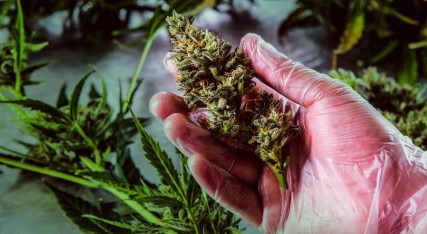
Mango Crack responds well to training methods that increase light exposure, airflow, and yield.
Low-Stress Training (LST)
- Method: Gently bending branches outward.
- Goal: Maximize light penetration & even canopy growth.
- Benefits: Increases bud sites & prevents stretch.
High-Stress Training (HST)
- Topping: To promote several colas, cut the primary stem.
- Supercropping: Lightly crushing stems to increase nutrient transport.
- Defoliation: Removing excess leaves to improve airflow & light exposure.
Sea of Green (SOG) vs. Screen of Green (ScrOG)
| Method | Description | Best For |
|---|---|---|
| SOG | Growing many small plants with single colas | Small spaces, fast harvest |
| ScrOG | Using a net to spread branches | Maximizing yield per plant |
6. Watering and Irrigation Strategies
Proper hydration is critical for nutrient absorption and plant health.
Optimal Watering Frequency
| Growth Stage | Watering Frequency |
|---|---|
| Seedling | Every 2-3 days (light misting) |
| Vegetative | Every 2 days (moderate soak) |
| Flowering | Every 3 days (deep watering) |
| Late Flower | Every 4 days (avoid overwatering) |
Water pH & EC Levels
| Growth Stage | Ideal pH | Electrical Conductivity (EC) |
|---|---|---|
| Seedling | 6.2 | 0.4-0.6 EC |
| Vegetative | 6.0 | 1.0-1.4 EC |
| Flowering | 5.8 | 1.6-2.0 EC |
| Flush (Final Weeks) | 6.3 | 0.3-0.5 EC |
Best Irrigation Methods
- Drip Irrigation: Provides consistent hydration, preventing overwatering.
- Hydroponic Systems: DWC and NFT systems optimize nutrient absorption.
7. Pest and Disease Management
Common Pests & Prevention
| Pest | Symptoms | Control Methods |
|---|---|---|
| Spider Mites | Webbing, yellow spots | Neem oil, predatory mites |
| Aphids | Sticky residue on leaves | Ladybugs, insecticidal soap |
| Fungus Gnats | Wilting, root damage | Diatomaceous earth, sand topping |
Common Diseases & Prevention
| Disease | Symptoms | Prevention |
|---|---|---|
| Powdery Mildew | White powdery coating | Lower humidity, increase airflow |
| Bud Rot | Brown, mushy buds | Reduce humidity, improve ventilation |
Scientific Insights on Mango Crack
Terpene Profile
- Myrcene: Provides the strain’s mango-like aroma and contributes to its relaxing effects.
- Limonene: Offers citrusy undertones and enhances mood.
- Caryophyllene: Adds a spicy note and may have anti-inflammatory benefits.
Cannabinoid Interaction
- THC: Main psychoactive component responsible for euphoria and relaxation.
- Minor cannabinoids (CBG, CBC): May contribute to entourage effects enhancing overall benefits.
Conclusion
Mango Crack is a versatile, flavorful, and potent hybrid strain that offers an excellent balance of mental stimulation and physical relaxation. With its tropical mango aroma, high THC content, and diverse medical and recreational applications, it is a favorite among both casual users and medical cannabis patients. Whether you’re looking for pain relief, anxiety reduction, increased focus, or creative stimulation, Mango Crack is a well-rounded strain worth trying.
For a complete directory of cultivars, visit our Cannabis Strain Reviews.
