Table of Contents
The Mandarin cannabis strain, often referred to as Mandarin OG or Mandarin Cookies, depending on the specific phenotype or breeder, is a citrus-forward hybrid celebrated for its sweet aroma, euphoric effects, and therapeutic potential. It is known for its vibrant terpene profile, high THC content, and versatility in both recreational and medicinal settings. In this report, we examine the strain’s full genetic background, phytochemistry, specific medical and recreational uses, and its mechanisms of action based on current scientific literature.
Genetic Lineage and Classification
Mandarin is not a singular strain but rather an umbrella term for several phenotypes, such as Mandarin OG, Mandarin Cookies, and Mandarin Sunset. Each of these expresses variations in traits, but they share certain foundational genetics and terpene expression.
Common Genetic Backgrounds
- Mandarin OG: A cross between Mandarin Sunset and OG Kush. This cultivar leans slightly indica with relaxing and euphoric effects.
- Mandarin Cookies: Created by Ethos Genetics, this hybrid is a blend of Forum Cut Girl Scout Cookies and Mandarin Sunset, known for its uplifting high and strong citrus aroma.
- Mandarin Sunset: Bred from Herojuana and Orange Skunk, forming the backbone of other Mandarin hybrids.
Despite these variations, all share a commonality in producing a dominant citrus aroma, a smooth-smoking experience, and moderately to highly potent THC levels, often ranging from 18% to 25%.
Phytochemical Profile
The therapeutic and psychoactive effects of Mandarin are dictated by its cannabinoid and terpene profile. Below is a summary of its main chemical constituents:
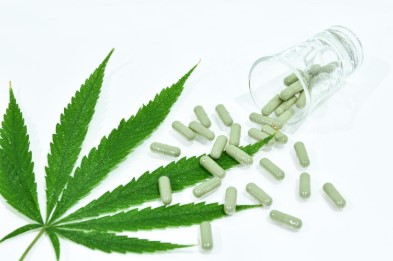
Cannabinoids
- THC (Tetrahydrocannabinol): Typically between 18–25%. Responsible for the strain’s primary psychoactive effects including euphoria, relaxation, and appetite stimulation.
- CBD (Cannabidiol): Low in most phenotypes, ranging from 0.1–1%. Plays a modulatory role, reducing potential anxiety induced by THC.
- CBG (Cannabigerol): Minor cannabinoid present in some phenotypes; may contribute to anti-inflammatory and neuroprotective effects.
- CBC (Cannabichromene): Sometimes present in trace amounts, contributing to potential antidepressant synergy.
Terpenes
Mandarin strains boast a vibrant terpene profile, enhancing both flavor and therapeutic potential:
- Limonene: Dominant in most Mandarin phenotypes; provides citrus aroma and is known for mood enhancement and anti-anxiety effects.
- Myrcene: Sedative terpene found in many indica-dominant strains; enhances THC’s psychoactivity.
- Caryophyllene: A peppery terpene with anti-inflammatory and analgesic effects through CB2 receptor interaction.
- Linalool: Floral terpene with anxiolytic and muscle relaxant properties.
- Terpinolene (sometimes): Contributes to uplifting, energetic effects and adds herbal-floral aroma complexity.
These terpenes interact synergistically with cannabinoids via the entourage effect, amplifying both therapeutic and psychoactive properties.
Medical Applications
Mandarin strains, including Mandarin OG, Mandarin Cookies, and Mandarin Sunset, are high-THC, terpene-rich hybrids. Their medical value lies in their broad-spectrum effects—they can treat neurological, psychological, inflammatory, and gastrointestinal disorders.
What makes Mandarin distinct is its dominant limonene, balanced THC, and supportive terpenes like linalool, caryophyllene, and myrcene, all of which exhibit synergistic pharmacodynamics with cannabinoids (the “entourage effect”).
Mental Health and Neurological Disorders
Anxiety and Stress Disorders
Clinical Insight:
- Limonene, the dominant terpene, reduces anxiety by modulating serotonergic transmission and the hypothalamic-pituitary-adrenal (HPA) axis.
- CBD (in trace amounts) may dampen THC-induced anxiety through allosteric modulation of CB1 receptors.
Mechanism:
- THC binds to CB1 receptors in the amygdala and prefrontal cortex, reducing overactive neural signaling that contributes to anxiety.
- Limonene increases GABAergic tone, promoting calmness without sedation.
Effective For:
- Generalized Anxiety Disorder (GAD)
- Acute stress episodes
- Social Anxiety Disorder (low-moderate doses)
Depression and Mood Disorders
Clinical Insight:
Mandarin is uplifting, making it suitable for unipolar depression, anhedonia, and low-motivation syndromes.
Mechanism:
- THC stimulates dopamine release in the nucleus accumbens, improving mood and motivation.
- Limonene and caryophyllene may increase BDNF (brain-derived neurotrophic factor) and hippocampal neurogenesis.
Supportive Evidence:
- Rodent studies indicate limonene enhances 5-HT1A receptor signaling, a key target in antidepressant pharmacotherapy.
PTSD and Emotional Trauma
Relevance:
Mandarin’s relaxing but not sedating profile is ideal for PTSD symptoms like hypervigilance, intrusive memories, and mood dysregulation.
Mechanism:
- THC temporarily inhibits memory retrieval via CB1 activation in the hippocampus.
- Caryophyllene engages CB2 receptors to reduce neuroinflammation, which is elevated in PTSD patients.
- Linalool further calms the sympathetic nervous system.
ADHD and Focus Disorders
While not classically used for ADHD, certain phenotypes of Mandarin (e.g., Mandarin Cookies) with a balanced cerebral effect have anecdotal support for increasing:
- Task initiation
- Focus span
- Emotional regulation
This may be due to limonene’s stimulant-like properties without the side effects of amphetamine-based medications.
Pain Management and Inflammatory Disorders
Chronic Pain Syndromes
Mandarin is a suitable adjunct for nociceptive and neuropathic pain due to the synergy between THC and terpenes.
Mechanism:
- THC activates CB1 receptors, reducing pain perception in the CNS.
- Caryophyllene, via CB2 binding, reduces peripheral inflammation and cytokine release.
- Myrcene enhances blood-brain barrier permeability for THC and provides a direct analgesic effect via opioid-like pathways.
Clinical Applications:
- Arthritis
- Fibromyalgia
- Post-surgical recovery
- Sciatica or nerve impingement
Migraine Relief
Scientific Insight:
- THC may inhibit the trigeminovascular system, which contributes to migraine onset.
- Linalool and limonene possess vasorelaxant and anti-inflammatory properties, reducing migraine triggers.
Mandarin’s fast-onset, euphoric properties also assist during prodromal or aura phases of a migraine to prevent full onset.
Gastrointestinal and Appetite Disorders
Nausea and Vomiting
Mandarin’s high-THC profile makes it effective for:
- Chemotherapy-induced nausea
- Gastroenteritis
- Medication-induced nausea (e.g., opioids or antibiotics)
Mechanism:
- THC binds to CB1 receptors in the dorsal vagus nerve, inhibiting emetic signaling.
- Limonene soothes the enteric nervous system, possibly acting on TRPV1 channels.
Appetite Stimulation (Cachexia, Anorexia)
THC strongly stimulates hypothalamic appetite circuits, particularly ghrelin production, increasing food intake. Mandarin’s fruity, pleasant aroma can also encourage eating in those suffering from:
- Cancer
- HIV/AIDS
- Age-related appetite loss
Sleep Disorders
Mandarin is not overtly sedative but can assist with sleep latency (falling asleep) due to the relaxing body high, especially in Mandarin OG phenotypes.
Terpene Role:
- Myrcene (when present) reduces locomotor activity and acts as a muscle relaxant.
- Linalool enhances GABA activity, shortening the time to sleep onset.
Effective for:
- Mild insomnia
- Stress-induced sleep disruption
- Jet lag and circadian rhythm disorder
Neurological Protection and Inflammatory Brain Conditions
Neuroinflammation
Chronic inflammation in the CNS contributes to diseases like multiple sclerosis (MS), Alzheimer’s, and Parkinson’s.
Caryophyllene as a Neuroprotective Agent:
- Interacts with CB2 receptors in microglial cells to inhibit cytokines like TNF-α and IL-6.
- Also prevents oxidative stress, preserving neural tissue.
Seizure Disorders
Mandarin is not high in CBD, so it is not frontline for epilepsy (unlike CBD-rich strains like Charlotte’s Web or Stephen Hawking Kush). However, some anecdotal evidence suggests it may help in treatment-resistant adult-onset seizures when combined with CBD isolates.
Dermatological and Skin Disorders
Topical formulations using Mandarin-derived full-spectrum extracts (rich in limonene and caryophyllene) may assist with:
- Psoriasis
- Atopic dermatitis
- Chronic skin inflammation
Mechanism:
- CB2 activation in skin suppresses keratinocyte hyperproliferation
- Limonene reduces histamine-related itch signaling
- Antibacterial properties protect against secondary infection
Immunological and Inflammatory Conditions
Autoimmune Disorders
Due to CB2 receptor modulation, Mandarin can reduce cytokine storm activity in conditions like:
- Rheumatoid arthritis
- Inflammatory bowel disease (IBD)
- Lupus (systemic relief)
Caryophyllene and THC together act as immunomodulators, selectively suppressing overactive immune responses.
Hormonal and Menstrual Disorders
Mandarin’s euphoric, mildly relaxing profile is helpful for:
- Premenstrual syndrome (PMS): Mood fluctuations, agitation, and gas
- Menstrual cramps: Muscle relaxation via myrcene and linalool
- Perimenopause: Sleep and mood stabilization
Safety and Dosing Considerations for Medical Use
Optimal Dosage (Inhaled Form)
- Low Dose (1–3 mg THC): Ideal for anxiety, daytime mood enhancement
- Medium Dose (5–10 mg THC): Effective for pain, depression, appetite
- High Dose (>10 mg THC): For severe nausea, insomnia, or deep muscle spasms (caution: may induce anxiety in sensitive patients)
Administration Routes
- Vaporization: Best for preserving terpenes and fast symptom relief
- Edibles: Slower onset, longer duration — good for chronic pain or insomnia
- Tinctures or capsules: Precise dosing, useful for patients avoiding inhalation
- Topicals: Effective for localized pain and skin disorders
Contraindications and Interactions
Psychological Conditions
- Avoid in patients with bipolar mania, psychotic disorders, or schizophrenia due to THC’s dopamine-enhancing effects.
Drug Interactions
- CYP450 enzyme inhibitors (e.g., fluoxetine, ketoconazole) can increase THC blood levels.
- Benzodiazepines may produce synergistic sedation when combined with myrcene/linalool.
Tolerance and Dependence
Tapering protocols can mitigate withdrawal symptoms like sleep disruption or irritability.
Regular high-THC use may lead to tolerance.
Recreational Uses
Mandarin is prized by recreational users for its:
Balanced Psychoactive Effects
- Euphoric Lift: Users typically report a fast onset of cerebral euphoria, mental clarity, and giggly sociability.
- Creative Enhancement: Mandarin Cookies and Mandarin Sunset are favored by artists and musicians for their stimulating yet focused high.
- Mild Sedation: Especially in OG-leaning phenotypes, there’s a body buzz that promotes relaxation without couch-lock.
Sensory Enjoyment
- Flavor Profile: A rich mix of orange peel, sour citrus, herbs, and vanilla cookies, making it a connoisseur-grade experience.
- Aroma: Mandarin strains emit a sweet citrus zest with herbal and earthy undertones, making them desirable in both flower and concentrate form.
Social Settings
Due to its balance between mental stimulation and bodily ease, Mandarin is commonly used in small-group social environments or creative work sessions. It typically doesn’t cause paranoia unless overconsumed by THC-sensitive individuals.
Mechanisms of Action
Understanding Mandarin’s therapeutic value requires examining how cannabinoids and terpenes work within the endocannabinoid system (ECS).
ECS and THC Interaction
THC is a partial agonist at CB1 receptors (mostly in the brain), leading to dopamine release, pain relief, and mood elevation. Its effects include:
- Modulation of neurotransmitters (GABA, glutamate)
- Suppression of nociceptive (pain) signals
- Appetite stimulation via hypothalamic activation
CBD’s Role
Though low in Mandarin, trace CBD contributes to:
- Reducing THC-induced anxiety
- Antioxidant and neuroprotective roles
Terpene Modulation
- Limonene: Enhances serotonin levels in the hippocampus and may reduce stress by modulating HPA-axis activity.
- Caryophyllene: Binds to CB2 receptors, influencing inflammation and immune response.
- Linalool: May affect GABA-A receptors, providing mild sedation and anxiolysis.
- Myrcene: Enhances THC permeability through the blood-brain barrier, increasing potency.
These compounds act in concert, not isolation—a process described as the “entourage effect.”
Cultivation Insights
Mandarin strains (like Mandarin OG, Mandarin Sunset, and Mandarin Cookies) are hybrid cultivars with slightly varying growth tendencies. However, they generally exhibit:
- Medium bushy growth: Moderate internodal spacing and lateral branch development.
- Strong apical dominance: Tendency to form large central colas unless topped.
- Dense buds: Require careful humidity control to prevent botrytis (bud rot).

Due to their high terpene expression, growing these strains demands a fine-tuned environment to avoid volatilization of monoterpenes like limonene and linalool.
Propagation and Early Growth
Germination
- Method: Germination rates are maximized with a moist paper towel or root cube method.
- Temperature: 22–25°C (72–77°F)
- Light: 18/6 light cycle, preferably with 200–300 PPFD (photosynthetic photon flux density)
Seedling Phase (Week 1–2)
- Humidity: 65–75%
- Temperature: 23–26°C (73–79°F)
- EC (Electrical Conductivity): 0.4–0.6 mS/cm
- Light Intensity: 300–400 PPFD
Scientific Note:
Mandarin’s genetic structure shows vigorous apical elongation if light is insufficient. Blue-heavy spectrums (~6500K) suppress stretch and promote compact, healthy seedlings.
Vegetative Phase (Week 3–6)
Environmental Control
- Macronutrients: High nitrogen (N) demand
- N-P-K Ratio: ~3-1-2
- Micronutrients: Maintain boron and magnesium to support leaf development and terpene precursors.
Training Techniques
- Topping: At 3rd or 4th node to encourage lateral branching.
- Low-Stress Training (LST): Opens up the canopy, improving light penetration and airflow.
- Screen of Green (ScrOG): Effective for indoor grows to maximize yield per square foot.
Flowering Phase (Week 7–10)
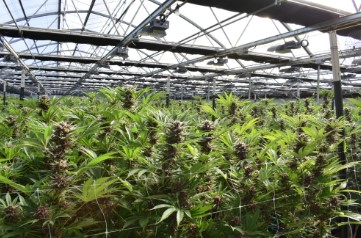
Photoperiod and Environment
- Photoperiod: 12/12 (light/dark)
- Temperature:
- Weeks 1–6: 24–26°C daytime
- Weeks 7–10: 21–24°C to preserve terpenes
- Humidity:
- Early flower: 50–60%
- Late flower: 40–45% to avoid mold
- Light Intensity: 800–1000 PPFD
- CO₂: Optional but beneficial up to 1200–1500 ppm
Nutrient Transition
- Week 1–3: Shift to higher phosphorus (P) and potassium (K)
- N-P-K Ratio: ~1-2-2
- Week 4–6: Reduce nitrogen further to focus on flower development
- Week 7–10: Use ripening formulas; reduce EC to 1.0–1.2 to prevent salt buildup and improve flavor.
Enhancing Terpene and Cannabinoid Production
- UV-B Light: Introduction during final 2–3 weeks (up to 2 hours/day) increases trichome density.
- Lower Night Temps: Dropping nighttime temps by ~5°C stimulates anthocyanin production, contributing to purple coloration in cooler phenotypes like Mandarin Sunset.
- Drying Substrate (Late Flower): Periodic substrate drying mildly stresses the plant, promoting resin output.
Harvest Timing
Trichome Color Inspection
- Milky/Cloudy Trichomes: Peak THC content
- Amber Trichomes: Higher CBN presence (more sedative)
- Mandarin Preference: 85–90% milky, 10–15% amber for a euphoric yet balanced effect
Scent Check
- Harvest when citrus, herbal, and sweet notes peak. Terpenes degrade rapidly under intense light or heat—harvest early in the day or with lights off for 24 hours to preserve aromatic profile.
Post-Harvest Techniques
Drying
- Environment: 16–20°C (60–68°F), 50–60% RH, complete darkness
- Duration: 7–12 days depending on density
- Airflow: Gentle, indirect air circulation is key
Curing
- Storage: Glass jars, burped daily for first 10–14 days
- Humidity: Use Boveda packs (62%) to maintain optimal moisture
- Time: 4–8 weeks improves terpene and cannabinoid synergy
Scientific studies show that terpene content can increase by 10–30% with proper curing as glycosidically bound terpenes are enzymatically released post-harvest.
Pest and Disease Management
Mandarin strains are moderately resistant to environmental stress but still susceptible to common cannabis pathogens.
Common Threats
- Spider Mites: Can infest in low-humidity environments.
- Powdery Mildew: Due to dense buds, especially if airflow is poor.
- Botrytis (Bud Rot): A major threat in the final weeks.
Integrated Pest Management (IPM)
- Neem oil or potassium bicarbonate (veg phase)
- Predatory mites (e.g., Phytoseiulus persimilis)
- Biological fungicides: Bacillus subtilis or Trichoderma species
- Sanitation and crop rotation: Crucial for outdoor or greenhouse grows
Cultivation Methods: Soil vs Hydroponics
Organic Soil
- Enhances terpene expression due to microbial root zone interaction
- Worm castings, bat guano, kelp meal, and mycorrhizae are suggested additions.
Coco Coir
- Faster growth due to high oxygenation
- Requires daily fertigation; ideal for precision control of nutrients
Deep Water Culture (DWC)
- Can yield explosive vegetative growth
- Risk of pH swings and root pathogens
- Mandarin shows strong performance but terpene intensity may be lower unless nutrient formula is dialed in
Genetic Stability and Phenohunting
- Mandarin Sunset and Mandarin Cookies exhibit phenotypic variability; pheno-hunting is essential to select for:
- Optimal terpene expression (especially limonene-heavy)
- Dense, mold-resistant buds
- Shorter flowering time
Cloning the desired phenotype is recommended to preserve cannabinoid:terpene ratios and growth characteristics.
Sustainability and Optimization
Energy-Efficient Practices
- LED grow lights with tunable spectra enhance photosynthesis and terpene biosynthesis while lowering energy costs.
- Closed-loop HVAC systems with dehumidifiers help manage late-stage humidity and prevent mold.
Data-Driven Cultivation
- Use of environmental sensors (temp, RH, CO₂, EC) and AI-driven monitoring can increase yield by up to 20%.
- SAP analysis of leaf tissue provides real-time insights into nutrient uptake.
Forms and Delivery Methods
Mandarin strains are widely available in the following forms:
- Flower: Most common; preserves full terpene profile when vaporized.
- Concentrates: High-potency Mandarin live resin and rosin are popular for their intense flavor and fast-acting effects.
- Pre-rolls: Convenient but often lower in quality depending on producer.
- Vape Carts: Offer citrus-rich vapor; terpene retention depends on formulation method.
- Edibles: Less common but potent due to high THC concentration.
Risks and Contraindications
While generally well-tolerated, Mandarin strains carry some risks:
Short-Term Adverse Effects
- Dry mouth and eyes: Common due to THC’s inhibition of salivary secretion.
- Dizziness or anxiety: Higher doses can cause racing heart or paranoia, particularly in THC-sensitive individuals.
- Cognitive impairment: Short-term memory and executive function can be temporarily affected.
Long-Term Considerations
- Tolerance buildup: Regular use may lead to diminished effects, especially regarding mood upliftment.
- Dependence risk: As with all THC-dominant strains, psychological dependency is possible with prolonged high-dose use.
- Contraindicated for individuals with psychotic disorders: High THC may exacerbate symptoms.
Scientific Research and Future Directions
Recent studies into the pharmacological roles of terpenes and minor cannabinoids underscore Mandarin’s value in therapeutic cannabis formulations. Research avenues include:
- Limonene as an Antidepressant: Preclinical studies show increased hippocampal neurogenesis in rodent models.
- Caryophyllene’s Role in Inflammation: Human trials underway for its effects in inflammatory bowel disease and arthritis.
- Synergistic Formulations: Combining Mandarin terpenes with CBD or CBG may enhance anti-anxiety effects without compromising alertness.
Mandarin strains are also candidates for novel breeding projects focused on terpene-forward cultivars, particularly as consumers seek more nuanced flavor and effect profiles.
Conclusion
The Mandarin cannabis strain—whether in its OG, Cookies, or Sunset variant—represents a well-balanced hybrid that blends sensory pleasure, therapeutic efficacy, and cultivator appeal. Its citrus-dominant terpene profile, coupled with a potent yet controlled THC expression, makes it ideal for managing mood disorders, pain, and stress while remaining enjoyable for recreational users. As research deepens into terpene pharmacology and personalized cannabis medicine, Mandarin’s multifaceted nature positions it as a top-tier strain for connoisseurs and patients alike.
For a complete directory of cultivars, visit our Cannabis Strain Reviews.
