Table of Contents
Mandala #1 is a hybrid cannabis strain bred by Mandala Seeds, known for its carefully curated genetics aimed at providing robust, resilient plants and a balanced, versatile experience. This strain is celebrated for its adaptability, ease of cultivation, and unique effects that cater to both recreational and medical users. A cross of Nepalese, North Indian, and Mexican genetics, Mandala #1 exemplifies a strain that brings together global cannabis traits in a harmonious blend.
Genetics and Origins
Mandala #1 is a predominantly sativa hybrid with genetic influences from three regions:
- Nepalese: Known for its high-altitude resilience, earthy flavor, and uplifting effects.
- North Indian: Adds body relaxation and robustness to the strain’s growth profile.
- Mexican: Contributes cerebral stimulation and a touch of euphoria.
This genetic combination ensures a well-rounded experience, characterized by both sativa-like cerebral effects and indica-inspired physical relaxation. Mandala Seeds engineered this strain to thrive in various environments, making it popular among cultivators globally.
Appearance, Aroma, and Flavor
Appearance
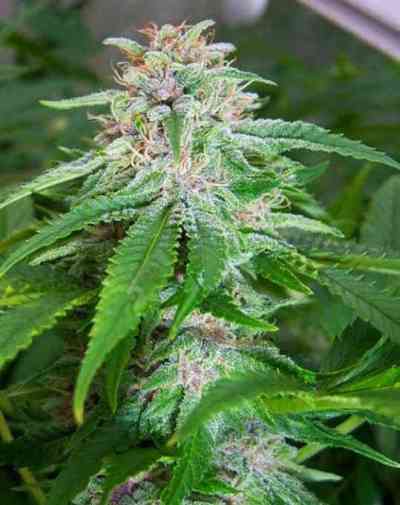
Mandala #1 features dense, resin-coated buds with a striking lime-green hue. The flowers are often flecked with fiery orange pistils, signaling high cannabinoid production. Its structure is airy, reflecting its sativa lineage, which enhances airflow and reduces the risk of mold or mildew.
Aroma
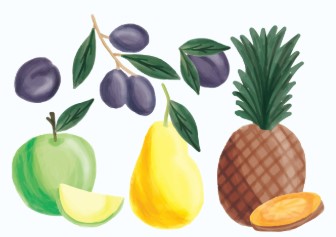
The aroma of Mandala #1 is a distinctive blend of fruity and floral notes. Users frequently report scents of:
- Pineapple
- Pear
- Wildflowers
- Herbal undertones
This aromatic profile is both refreshing and complex, making it appealing to a broad range of users.
Flavor
Mandala #1’s flavor is consistent with its aroma. Upon inhalation, users often taste sweet and fruity notes, reminiscent of tropical fruits like pineapple and pear. The exhale is smooth, with subtle hints of herbs and earthiness.
Growing Information
Mandala #1 is renowned for its ease of cultivation, making it an excellent choice for both novice and experienced growers. Key attributes include:
1. Soil and Growing Medium
- Preferred Medium: Mandala #1 thrives in organic soil with a well-balanced nutrient profile. It also adapts well to soilless mediums like coco coir or hydroponic setups.
- Soil Quality: It requires soil with good aeration and drainage to prevent root rot. Including perlite or vermiculite in the soil mix enhances aeration.
- pH Levels:
- Soil: Optimal pH range is 6.0–7.0.
- Hydroponics: pH range should stay between 5.5–6.0 for efficient nutrient uptake.
2. Light Requirements
- Indoor Cultivation:
- Mandala #1 prefers a full-spectrum LED or HID lighting setup.
- Vegetative Stage: Requires 18-24 hours of light daily.
- Flowering Stage: Needs a 12/12 light cycle to induce flowering.
- Outdoor Cultivation:
- Grows best in regions with long sunny days, mimicking its landrace origins in Nepal, India, and Mexico.
3. Temperature and Humidity
- Temperature:
- Ideal range: 22–28°C (72–82°F) during the day.
- During the flowering stage, slightly cooler temperatures (20–25°C or 68–77°F) are recommended to improve terpene production.
- Humidity:
- Vegetative Stage: Maintain 50–70% relative humidity (RH).
- Flowering Stage: Reduce RH to 40–50% to prevent mold growth on buds.
- Proper air circulation is critical, especially during flowering, to avoid moisture buildup in the plant canopy.
4. Watering Schedule
- Mandala #1 has a reputation as a “light feeder,” meaning overwatering or over-fertilizing can harm its growth.
- Employ the wet-dry cycle technique:
- Water thoroughly until slight runoff is visible.
- Before watering again, let the top inch of soil dry off.
- Water pH: Ensure that the water pH matches the medium’s optimal range (6.0–7.0 for soil and 5.5–6.0 for hydroponics).
5. Nutrient Needs
- Mandala #1 is a low-maintenance strain that requires fewer nutrients than other varieties. Overfeeding can lead to nutrient burn or stress.
- Vegetative Stage:
- Balanced nitrogen (N), phosphorus (P), and potassium (K) mix in a 3:1:2 ratio.
- Supplement with micronutrients like calcium, magnesium, and sulfur if deficiencies are observed.
- Flowering Stage:
- Transition to a bloom formula with higher phosphorus and potassium levels (e.g., a 1:3:2 ratio).
- Enhancing potassium boosts resin and terpene production, leading to more potent buds.
- Organic nutrients like compost teas, guano, or seaweed extracts work well with Mandala #1.
6. Training Techniques
Mandala #1’s sativa-dominant structure benefits from proper training to manage height and maximize light penetration:
- Low-Stress Training (LST): Tie down branches gently to create a more even canopy and improve light exposure to lower nodes.
- Topping or FIMming: Pinching the main stem promotes lateral growth and increases bud sites.
- Sea of Green (SOG): Ideal for indoor setups; grow multiple smaller plants in a tight space to maximize yield.
- Screen of Green (ScrOG): Training branches through a screen increases efficiency and maximizes horizontal growth.
7. Pest and Disease Management
Mandala #1’s genetic resilience offers natural resistance to many common pests and diseases. However, proactive management is essential:
- Common Pests:
- Spider mites, aphids, and whiteflies may occasionally pose a threat.
- Use organic insecticides like neem oil or beneficial insects (ladybugs, predatory mites) to control infestations.
- Disease Prevention:
- Botrytis (bud rot) and powdery mildew can occur in humid conditions. Ensure proper airflow and low humidity during flowering.
- Soil Health:
- Rotating crops or using cover crops can reduce soil-borne pathogens.
- Employ mycorrhizal fungi or beneficial microbes to promote root health and nutrient absorption.
8. Flowering and Harvesting
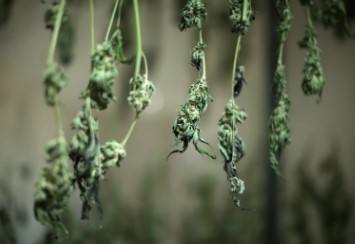
- Mandala #1 has a relatively short flowering period for a sativa-dominant strain, typically completing in 55–60 days indoors.
- Outdoor Harvest: Late September to early October, depending on the climate.
- Harvest Indicators:
- Trichomes: Use a magnifying lens to observe trichomes. Harvest when most are milky white with some amber for balanced effects.
- Pistils: Wait until about 70–80% of pistils turn from white to orange or brown.
- Post-Harvest:
- Dry buds slowly in a dark, ventilated space at 16–20°C (60–68°F) with 50–60% RH to preserve terpenes.
- Cure buds in airtight jars, burping daily for the first week to release moisture, then periodically for 4–6 weeks.
9. Yield Optimization
Mandala #1 offers generous yields, but optimizing growth conditions can further enhance output:
- Supplemental CO2: Introducing CO2 during the vegetative and early flowering stages increases photosynthesis and boosts yield.
- Light Intensity: Use high-intensity LED or HID lights to increase bud density.
- Pruning and Defoliation: Remove lower, non-productive growth to redirect energy toward upper canopy bud development.
Unique Cultivation Insights
Eco-Friendly Cultivation: Its low nutrient requirements and pest resilience reduce the need for chemical fertilizers or pesticides, aligning with sustainable cultivation practices minimal fertilizers compared to other strains. This quality makes it an eco-friendly option for growers.
Genetic Adaptability: Mandala #1’s landrace lineage gives it an inherent ability to withstand environmental stresses such as drought or fluctuating temperatures. This trait makes it ideal for regions with less-than-ideal growing conditions.
Terpene Preservation: Lower nighttime temperatures during flowering enhance terpene production, amplifying its tropical aroma and flavor.
Cannabinoid Profile
Mandala #1 exhibits a balanced cannabinoid profile:
- THC: 15-20% (varies based on growing conditions).
- CBD: 0.5-1%.
- Terpenes: High levels of myrcene, limonene, and pinene.
Terpene Contributions
- Myrcene: Contributes to relaxation and enhances the strain’s fruity aroma.
- Limonene: Promotes mood elevation and provides citrusy undertones.
- Pinene: Improves focus and counteracts THC-induced forgetfulness.
Recreational Uses
Mandala #1 offers a versatile recreational experience, appealing to a wide audience due to its balanced effects.
1. Mental Stimulation The sativa dominance in Mandala #1 provides an uplifting and cerebral high. Users often describe a burst of creativity, enhanced focus, and an overall sense of euphoria. This makes it an excellent choice for activities such as:
- Artistic pursuits (painting, writing, music).
- Social gatherings (fosters conversation and laughter).
- Outdoor adventures (hiking, camping, exploring nature).
2. Physical Relaxation While its effects begin with a cerebral buzz, Mandala #1 gradually transitions into a soothing body high. This balance ensures that users remain functional and relaxed without sedation, making it suitable for:
- Yoga or meditation.
- Unwinding after work.
- Light exercise or stretching.
3. Daytime and Evening Use Mandala #1’s effects are adaptable. In smaller doses, it’s energizing and uplifting, making it ideal for daytime use. In larger doses, its indica properties become more pronounced, providing relaxation suitable for evening use.
Medical Uses
Mandala #1 is highly regarded in the medical cannabis community for its broad therapeutic potential. Its balanced effects and moderate THC levels make it a versatile option for various conditions.
1. Stress and Anxiety Relief The uplifting and mood-enhancing properties of Mandala #1 make it effective in alleviating stress and anxiety. Limonene, one of its dominant terpenes, has been shown to reduce stress by promoting a sense of calm and well-being.
2. Depression Mandala #1’s ability to elevate mood and increase energy levels makes it a suitable choice for individuals dealing with depression. Its euphoric effects help users regain motivation and a positive outlook.
3. Pain Management While not as potent as indica-dominant strains, Mandala #1 offers moderate pain relief. It’s particularly effective for:
- Chronic pain.
- Migraines.
- Muscle spasms.
4. Insomnia In higher doses, the strain’s indica traits become more pronounced, aiding those with mild to moderate insomnia. Its relaxing body high helps users ease into sleep without feeling overly sedated.
5. Appetite Stimulation Mandala #1 can stimulate appetite, making it beneficial for individuals undergoing treatments such as chemotherapy or those dealing with appetite loss.
6. Neuroprotection The combination of THC, CBD, and pinene may provide neuroprotective benefits, potentially aiding in conditions such as:
- Alzheimer’s disease.
- Parkinson’s disease.
- Traumatic brain injury recovery.
Scientific Insights
1. Terpene Synergy The terpene profile of Mandala #1 enhances its therapeutic effects through the entourage effect, in which terpenes and cannabinoids cooperate. For example:
- Myrcene amplifies THC’s psychoactive effects while promoting relaxation.
- Limonene’s mood-enhancing properties counteract potential anxiety from THC.
- Pinene improves focus and memory, balancing THC-induced cognitive effects.
2. THC-CBD Balance Although Mandala #1 is THC-dominant, its trace levels of CBD modulate the psychoactive effects, reducing the likelihood of anxiety or paranoia. This balance also enhances its medical applications.
3. Cultivation Resilience Studies on landrace genetics (like those in Mandala #1’s lineage) highlight their natural resistance to environmental stressors, such as pests, diseases, and extreme weather. This resilience is attributed to genetic adaptations from the Nepalese and North Indian strains.
Methods of Ingestion
1. Smoking
- Description: The most traditional method, involving combustion of dried Mandala #1 flowers in a joint, pipe, or bong.
- Mechanism: Combustion releases cannabinoids and terpenes, which are absorbed into the bloodstream via the lungs.
- Onset: Rapid, within 1-5 minutes.
- Duration: Typically lasts 1.5 to 3 hours.
- Advantages:
- Instant effects, making it ideal for immediate relief of anxiety or stress.
- Full flavor and aroma experience due to the strain’s rich terpene profile.
- Disadvantages:
- Potential irritation of the respiratory system due to smoke.
- Lower cannabinoid retention compared to other methods (approximately 25-50% of cannabinoids are lost during combustion).
2. Vaporization (Vaping)
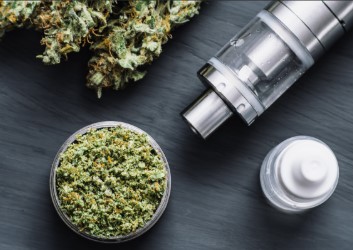
- Description: Heating Mandala #1 flowers or concentrates to a temperature that vaporizes cannabinoids and terpenes without combustion.
- Mechanism: Vaporized cannabinoids and terpenes are inhaled and absorbed via the lungs.
- Onset: Similar to smoking, 1-5 minutes.
- Duration: 1.5 to 3 hours.
- Advantages:
- Higher cannabinoid efficiency compared to smoking (approximately 50-80% retention).
- Reduced respiratory irritation as there is no combustion.
- Better terpene preservation due to lower temperatures (optimal range: 160-200°C or 320-392°F).
- Disadvantages:
- Requires specialized equipment like dry herb vaporizers or vape pens.
- May be less satisfying for users accustomed to smoking.
3. Edibles
- Description: Cannabis-infused food or beverages, such as brownies, gummies, or teas made with Mandala #1 extracts or decarboxylated flower.
- Mechanism: Cannabinoids are metabolized by the liver, converting Δ9-THC into the more potent 11-hydroxy-THC, which has a stronger psychoactive effect.
- Onset: Delayed, typically 30-90 minutes.
- Duration: Long-lasting, between 4-8 hours.
- Advantages:
- Discreet and odorless.
- Long-lasting effects, ideal for chronic pain or insomnia relief.
- No respiratory side effects.
- Disadvantages:
- Delayed onset makes it challenging to dose precisely.
- Overconsumption can lead to unpleasant, prolonged effects such as anxiety or paranoia.
4. Sublingual (Tinctures and Oils)
- Description: Cannabis extracts are placed under the tongue for direct absorption through the sublingual mucosa.
- Mechanism: Cannabinoids bypass the digestive system, entering the bloodstream directly.
- Onset: Moderate, 15-30 minutes.
- Duration: 2-4 hours.
- Advantages:
- Precise dosing with droppers.
- Faster onset compared to edibles.
- Discreet and easy to use.
- Disadvantages:
- Effects are not as immediate as smoking or vaping.
- Some users may find the taste of cannabis extracts unappealing.
5. Topicals
- Description: Cannabis-infused creams, balms, or patches applied to the skin for localized relief.
- Mechanism: Without going into the bloodstream, cannabinoids interact with the skin’s CB2 receptors.
- Onset: Variable, typically 10-30 minutes.
- Duration: 2-6 hours (patches may last longer).
- Advantages:
- Non-psychoactive, as cannabinoids do not reach the bloodstream.
- Excellent for localized pain, inflammation, or skin conditions.
- Disadvantages:
- Ineffective for systemic effects (e.g., anxiety, mood enhancement).
6. Dabbing (Concentrates)
- Description: Consuming cannabis concentrates (e.g., wax, shatter) by heating them on a dab rig.
- Mechanism: Highly concentrated cannabinoids and terpenes are inhaled directly via the lungs.
- Onset: Immediate, within 1-3 minutes.
- Duration: 1-2 hours.
- Advantages:
- Potent and fast-acting, ideal for experienced users or those with high tolerance.
- Terpene-rich experience with proper temperature control.
- Disadvantages:
- High THC potency may be overwhelming for new users.
- Requires specialized equipment and a steep learning curve.
Onset and Duration by Method
| Method | Onset Time | Duration | Peak Effects |
|---|---|---|---|
| Smoking | 1-5 minutes | 1.5-3 hours | 20-30 minutes post-onset |
| Vaping | 1-5 minutes | 1.5-3 hours | 20-30 minutes post-onset |
| Edibles | 30-90 minutes | 4-8 hours | 2-3 hours post-onset |
| Sublingual | 15-30 minutes | 2-4 hours | 30-45 minutes post-onset |
| Topicals | 10-30 minutes | 2-6 hours | N/A (localized effects) |
| Dabbing | 1-3 minutes | 1-2 hours | 10-20 minutes post-onset |
Factors Influencing Onset and Duration
- Bioavailability:
- Smoking and vaping provide higher bioavailability (~30%), ensuring rapid onset and intense effects.
- Oral consumption (edibles) has lower bioavailability (~4-20%) due to first-pass metabolism in the liver.
- Sublingual methods bypass first-pass metabolism, offering moderate bioavailability (~20-30%).
- Individual Metabolism:
- Faster metabolism leads to quicker onset but shorter duration.
- Slower metabolism results in delayed onset and prolonged effects.
- Tolerance:
- Frequent users may experience reduced effects and shorter durations due to increased tolerance.
- Dose:
- Larger doses produce stronger, longer-lasting effects but increase the risk of side effects.
- Microdosing can provide therapeutic benefits with minimal psychoactivity.
- Terpene Profile:
- Mandala #1’s high myrcene content may enhance THC absorption, contributing to quicker onset.
- Pinene may prolong the cognitive clarity of the high by counteracting THC-induced memory impairment.
Safety Considerations
- Start Low, Go Slow: Beginners should start with small doses, particularly with edibles or concentrates, to avoid overconsumption.
- Hydration: Staying hydrated can mitigate common side effects like dry mouth and dry eyes.
- Setting and Mindset: A comfortable, familiar environment enhances the overall experience, particularly for new users.
Consumer Feedback
Users consistently praise Mandala #1 for its unique combination of effects. Commonly reported benefits include:
- Increased creativity and focus.
- Relief from stress and tension.
- A smooth, flavorful smoking or vaping experience.
Potential downsides include mild dry mouth and dry eyes, which are easily managed with hydration.
Comparison with Similar Strains
Mandala #1 is often compared to other balanced hybrids, such as:
- Blue Dream: Shares uplifting cerebral effects but has a sweeter, berry-like flavor.
- Jack Herer: Offers similar focus-enhancing properties but with a spicier aroma.
- Pineapple Express: Comparable tropical flavor profile but with more pronounced euphoria.
Final Thoughts
Mandala #1 stands out as a versatile, user-friendly cannabis strain suitable for both recreational and medical use. Its balanced effects, robust genetics, and flavorful profile make it a staple for growers and consumers alike. Whether you’re seeking stress relief, creative inspiration, or a flavorful smoking experience, Mandala #1 delivers a reliable and enjoyable option for a wide range of needs.
For a complete directory of cultivars, visit our Cannabis Strain Reviews.
