Managing Light Cycles for Medical Cannabis: A Detailed Guide
Introduction
Light cycles play a crucial role in the cultivation of medical cannabis, impacting both the growth and chemical composition of the plant. Proper management of light cycles can improve the yield, potency, and therapeutic qualities of cannabis plants, ensuring that the end product serves its medical purpose effectively. This detailed guide will explore how to manage light cycles in the context of growing medical cannabis, from seedling to flowering stage, with an emphasis on medical use, scientific insights, and best practices.
Why Light Cycles Are Critical for Medical Cannabis Growth
Cannabis is a photoperiodic plant, which means that the amount and duration of light it receives greatly affects its growth stages. Light cycles essentially refer to the period of light exposure and darkness that plants are subjected to. In nature, cannabis responds to changes in seasonal daylight by adjusting its growth patterns. Indoors, growers simulate these cycles using artificial lighting to optimize the plant’s vegetative and flowering phases.
For medical cannabis, light cycles are particularly important because they influence the plant’s ability to produce cannabinoids such as THC, CBD, CBG, and other compounds that have therapeutic properties. Proper light cycle management ensures that plants reach their full medicinal potential while avoiding issues like stunted growth, poor yields, and low-quality buds.
Understanding Light Cycles in Cannabis Growth
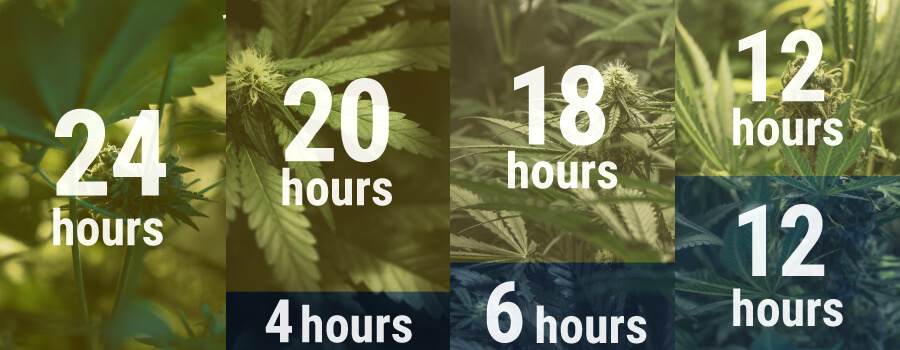
There are two primary stages in the cannabis growth cycle that require distinct light cycles: the vegetative stage and the flowering stage.
- Seedling Stage (18-24 hours of light): In this initial stage, cannabis plants require high levels of light to foster root development and early growth. Seedlings need between 18 to 24 hours of light daily, often in a more gentle spectrum to avoid overwhelming the young plants.
- Vegetative Stage (18 hours of light, 6 hours of darkness): The vegetative stage is where cannabis plants undergo the most rapid growth, developing sturdy stems and branches that will later support heavy medical buds. During this stage, medical cannabis growers should provide 18 hours of light and 6 hours of darkness. This extended light period promotes photosynthesis and energy accumulation, allowing the plants to grow taller and stronger.
- Flowering Stage (12 hours of light, 12 hours of darkness): For photoperiod-sensitive cannabis strains, the shift to a 12/12 light cycle triggers flowering. During this stage, the cannabis plant starts to develop buds—the component rich in cannabinoids, terpenes, and other medicinal compounds. Proper timing of light and darkness is critical, as any disruptions can lead to poor yields, hermaphroditism (producing male flowers), and lower medicinal quality.
Optimal Lighting Systems for Medical Cannabis
Lighting systems play a key role in delivering the right kind of light for each stage of growth. While natural sunlight is the best source, most medical cannabis is grown indoors to ensure a controlled environment. Here are the most common lighting systems used:
- LED Grow Lights: LED grow lights are the most efficient and versatile option for growing medical cannabis. They offer a complete spectrum of light, which can be modified to accommodate various stages of plant growth and includes UV and infrared light that resembles real sunlight. LEDs are energy-efficient, produce less heat, and have a longer lifespan than traditional lighting systems, making them ideal for medical cannabis cultivation. Most importantly, LED lights can be fine-tuned to optimize cannabinoid production.
- High-Pressure Sodium (HPS) Lights: HPS lights are commonly used for the flowering stage due to their ability to produce high-intensity light in the red and orange spectrums. This encourages bud development and helps maximize yields. However, HPS lights consume more electricity and generate more heat, which requires careful temperature management.
- Metal Halide (MH) Lights: MH lights emit a bluish light, which is ideal for the vegetative stage. This type of lighting promotes strong vegetative growth, helping the plant build a robust structure to support the heavy medicinal flowers in the later stage. MH lights, like HPS lights, generate significant heat, so ventilation systems are crucial.
- Fluorescent Lights: While not as powerful as LED or HPS lights, fluorescent lights are often used for seedlings and early vegetative stages due to their low heat output and energy efficiency. They are best suited for small-scale medical grows or for the early development of clones and seedlings.
Tailoring Light Cycles to Enhance Medical Properties
The therapeutic effects of cannabis are primarily derived from cannabinoids like THC, CBD, and terpenes. Research suggests that light intensity, spectrum, and duration can influence the production of these compounds. Proper light cycle management ensures optimal cannabinoid production, especially for medical cannabis growers looking to enhance specific therapeutic properties.
- Increasing CBD Levels: For patients seeking non-psychoactive relief from conditions such as anxiety, inflammation, or epilepsy, CBD-dominant strains are preferred. Some research suggests that specific light spectrums (such as blue light during the vegetative stage) and careful control of light intensity can increase CBD levels. CBD-rich strains should receive consistent, high-quality light throughout their lifecycle to ensure a balanced cannabinoid profile.
- Maximizing THC for Pain Relief: THC, the psychoactive compound responsible for cannabis’s “high,” also offers profound medical benefits, particularly for pain management, nausea, and sleep disorders. To enhance THC content, the flowering stage is critical. Using red and far-red spectrum light during the 12/12 flowering phase can boost THC production while ensuring that the plant remains healthy and productive.
- Terpene and Flavonoid Enhancement: Terpenes are aromatic compounds in cannabis that not only influence flavor and smell but also contribute to its medicinal effects (e.g., anti-inflammatory, anti-anxiety). Studies show that UV light exposure, especially in the late flowering stage, can increase terpene levels. Additionally, adjusting the light spectrum to provide more blue and UV light can enhance terpene and flavonoid profiles, producing more potent medical strains with improved therapeutic benefits.
Controlling Light Cycles for Different Strain Types
Different cannabis strains respond uniquely to light cycles, and understanding the strain’s specific needs can help maximize its medical potential. There are three main categories of cannabis strains: Indica, Sativa, and Hybrid.
- Indica Strains: Indica strains are commonly used for their relaxing, pain-relieving, and sleep-inducing effects, making them popular in the medical field for treating insomnia, chronic pain, and anxiety. These strains tend to have shorter flowering periods (typically 8-9 weeks), so managing the 12/12 light cycle should be tailored to accelerate the flowering process. Additionally, Indicas thrive in slightly lower light intensities compared to Sativas, which is something to consider when setting up a lighting system.
- Sativa Strains: Sativa strains are known for their energizing and uplifting effects, often used to treat conditions like depression, fatigue, and ADHD. Sativas typically require longer flowering times (10-12 weeks), and they thrive under higher light intensity. During the vegetative stage, Sativas benefit from extended light cycles (e.g., 18-20 hours of light), allowing them to grow tall and produce dense, cannabinoid-rich buds in the flowering stage.
- Hybrid Strains: Hybrids combine the traits of both Indica and Sativa strains. The light cycle management for hybrids depends on their dominant genetics. If a hybrid leans toward Indica traits, growers should follow a more typical Indica light cycle, while Sativa-dominant hybrids may require extended light periods during the vegetative stage.
Common Challenges in Light Cycle Management
Managing light cycles can be challenging, particularly for medical cannabis growers working with multiple strains or growing on a large scale. Here are some common issues and how to resolve them:
- Light Leaks: Even a small amount of light exposure during the dark period can disrupt the flowering cycle and stress the plant, leading to reduced yields or hermaphroditism. It is essential to maintain complete darkness during the 12-hour dark cycle in the flowering stage. Growers should ensure that their grow rooms or tents are completely sealed and free from any external light leaks.
- Heat Management: High-intensity lights, such as HPS or MH lights, can generate significant heat, which may stress the plants and reduce their medicinal potency. It’s important to manage temperatures carefully by using ventilation systems, fans, and air conditioning units. LEDs, which generate less heat, are an excellent option for medical growers who want to avoid this issue.
- Power Consumption: Lighting is one of the largest energy consumers in an indoor grow operation. Medical cannabis growers, particularly those operating on a commercial scale, need to balance energy efficiency with the quality and intensity of light required. LED grow lights are the most energy-efficient option and can reduce operational costs while providing the full light spectrum needed for healthy plant development.
- Automating Light Cycles: Automation is key for maintaining consistent light cycles, especially in large-scale or multi-room operations. Timers and smart controllers can help ensure that lights turn on and off at the exact times needed, eliminating human error and reducing labor. Additionally, sensors that monitor light intensity and spectrum can help growers make real-time adjustments to optimize plant health and cannabinoid production.
Innovations in Light Cycle Management for Medical Cannabis
As the medical cannabis industry continues to evolve, innovations in lighting technology are enhancing the ability of growers to optimize light cycles for maximum medicinal benefits. Some of the latest developments include:
- Full-Spectrum LED Grow Lights: LED technology has advanced significantly in recent years, with full-spectrum LED lights now available that can mimic the entire range of natural sunlight. These lights can be fine-tuned to adjust the spectrum of light to suit the specific needs of the plant during different growth stages. For medical cannabis growers, full-spectrum LEDs offer the ability to optimize cannabinoid and terpene production.
- Light Spectrum Adjustments: Some LED systems allow growers to adjust the light spectrum in real time. For example, they can increase the red spectrum during flowering to enhance bud development or increase the blue spectrum during vegetative growth for stronger stems. This ability to customize light spectrums based on the plant’s growth stage or medical properties can lead to higher-quality medical cannabis.
- Research on UV Light and Cannabinoid Production: Recent studies suggest that UV light exposure can increase cannabinoid and terpene production in cannabis plants. Medical cannabis growers are experimenting with UVB lights during the late flowering stage to enhance the medicinal potency of their plants. However, it’s important to balance UV exposure, as excessive UV light can damage the plant.
Restrictions on Growing and Using Cannabis in the Medical Field as a Last Resort
- Regulation and Licensing: In most countries, growing cannabis for medical use requires strict licensing and adherence to governmental regulations. Only authorized medical cannabis cultivators are permitted to grow, with oversight on cultivation practices, quality control, and product testing.
- Medical Use as a Last Resort: Many regions allow cannabis in the medical field only when conventional treatments have proven ineffective. This is to ensure cannabis is used when absolutely necessary and not as a first-line treatment. Patients must typically demonstrate that other treatments have been tried without success before cannabis can be prescribed.
- THC Level Monitoring: Medical cannabis products must undergo rigorous testing to monitor THC levels, ensuring that psychoactive effects are minimized, especially for vulnerable populations like seniors or children. Low-THC, high-CBD formulations are preferred for patients who need symptom relief without the psychoactive impact.
- Psychoactive Control: Healthcare providers are tasked with selecting cannabis strains and products that provide therapeutic effects without inducing psychoactivity. This includes using strains with controlled THC levels and ensuring the balance of cannabinoids like CBD to counteract any unwanted psychoactive effects.
- Clinical Supervision: In medical settings, cannabis use must be closely supervised by healthcare professionals, with patients regularly monitored for any adverse effects. Dosage and formulation are carefully adjusted to achieve the desired medical benefits while minimizing the risk of psychoactivity.
Conclusion: Managing Light Cycles, Restrictions on Medical Cannabis, and Monitoring THC Levels
The cultivation and use of medical cannabis have rapidly evolved due to advances in science, growing techniques, and regulatory frameworks. Central to this progress is the careful management of light cycles, a crucial element that directly impacts the medicinal quality of cannabis. By understanding and applying appropriate light cycles for each growth stage, from the seedling to the flowering phase, growers can optimize the production of cannabinoids like THC, CBD, and other therapeutic compounds. This understanding allows for greater control over the plant’s development, ensuring a final product that meets the specific needs of patients relying on cannabis for medical treatment.
Medical cannabis growers have a variety of lighting systems at their disposal, with LED lights emerging as the most efficient and adaptable option. These lights provide a full spectrum that can mimic natural sunlight, creating optimal conditions for cannabinoid and terpene production. The ability to adjust light spectrums and intensity during different growth stages enhances the medicinal properties of the cannabis plant, making it a valuable tool for medical use. Through innovations such as UV light exposure in the flowering stage, growers can further fine-tune their crops to maximize therapeutic benefits.
Despite these advances in cultivation, the use of medical cannabis is heavily regulated in most parts of the world. Governments impose strict restrictions on growing cannabis for medical purposes, ensuring that it is only used when absolutely necessary and that it meets stringent safety and quality standards. Medical cannabis is typically prescribed as a last resort, after other conventional treatments have proven ineffective. This ensures that cannabis is used responsibly, especially in vulnerable populations that may require specialized care.
One of the major concerns in the medical field is the psychoactive effect of THC, the compound responsible for cannabis’s intoxicating effects. To mitigate this risk, medical cannabis must be carefully monitored for its THC content, with low-THC, high-CBD strains often preferred to avoid psychoactive side effects. Patients who use cannabis for medical reasons require relief from their symptoms without experiencing the psychoactive “high” that recreational users seek. Healthcare professionals are essential in keeping an eye on patients, modifying dosages, and making sure the strain of cannabis chosen maximizes therapeutic effectiveness while reducing potential side effects.
Regulation in the medical cannabis industry extends beyond cultivation and use. Government agencies enforce rigorous testing protocols to monitor the cannabinoid profile, especially THC levels, in medical cannabis products. This ensures that patients receive consistent and safe medication that meets legal requirements. Additionally, medical cannabis is typically grown in highly controlled environments where factors like light cycles, temperature, and humidity are managed to produce the highest-quality medicine possible.
The combination of advances in light cycle management, regulatory restrictions, and careful monitoring of THC levels ensures that medical cannabis is used effectively and responsibly. While cannabis holds great potential for treating a wide range of medical conditions—such as chronic pain, anxiety, epilepsy, and sleep disorders—its use must always be approached with caution. The restrictions on using cannabis as a last resort, combined with careful monitoring of its psychoactive effects, ensure that it serves its intended purpose: to provide relief and improve the quality of life for patients who have not found success with other treatments.
In conclusion, the growing of medical cannabis and its use in treatment are complex processes that require a balance of scientific knowledge, regulatory compliance, and medical oversight. The management of light cycles is a key element in producing high-quality cannabis with specific therapeutic properties, while the stringent restrictions on growing and prescribing medical cannabis ensure that it is used responsibly and effectively. By continuously improving cultivation techniques and adhering to medical guidelines, the future of medical cannabis looks promising for both growers and patients alike.
