Table of Contents
Mag Landrace is a rare, pure Indica cannabis strain that has gained a strong reputation for its potent effects, rich lineage, and therapeutic benefits. Originating from Iran, this landrace strain is highly valued for its consistency, resilience, and pure genetic profile. With a high THC content and a distinct earthy, herbal aroma, Mag Landrace is ideal for users looking for deep relaxation and medical relief. This guide explores the strain’s genetics, medical uses, recreational effects, and scientific composition.
1. Genetic Background
Origins and Lineage
Mag Landrace is classified as a pure Indica strain, meaning it has not been crossbred with other cannabis strains. It originates from Iran and has been cultivated for centuries in its native environment, which has helped it develop a robust natural resistance to pests and environmental stressors. Because of its pure landrace genetics, Mag Landrace remains one of the most authentic Indica strains available today.
Unlike many modern hybrid strains that are bred for specific effects or flavors, Mag Landrace maintains the original characteristics of its ancestors. This includes its high resin production, dense buds, and powerful sedative effects. Its genetic stability makes it an attractive option for both commercial and home growers seeking an authentic, potent Indica strain.
Growth Characteristics
- Height: Short and bushy, typical of Indica plants.
- Flowering Time: 7-9 weeks indoors; harvested in early October outdoors.
- Resistance: High resistance to pests, mold, and environmental changes.
- Yield: Medium to high, with dense, resin-coated buds.
2. Appearance, Aroma, and Flavor Profile
Appearance
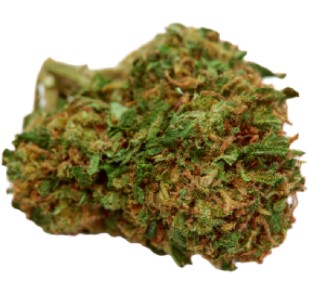
Mag Landrace plants are characterized by their short stature and broad, dark green leaves. The buds are dense, tightly packed, and covered with a thick layer of crystalline trichomes, indicative of its high resin production. Hints of deep purple and orange pistils can sometimes be observed, adding to its visual appeal.
Aroma
The strain has a strong, earthy, and herbal scent with underlying notes of spice and pine. Users also report subtle hints of musk, which contribute to its rich, natural aroma. The scent intensifies when the buds are broken apart, releasing a deep, pungent fragrance reminiscent of classic landrace Indicas.
Flavor
Mag Landrace has a smooth and natural taste, with earthy and woody undertones. The flavor lingers on the palate, offering hints of pine and subtle sweetness. When smoked or vaporized, it produces a thick, aromatic smoke that enhances the overall sensory experience.

3. THC and CBD Content
- THC Levels: 20-25%
- CBD Levels: Below 1%
- CBG Levels: Low to moderate (0.5-1%)
Mag Landrace is primarily a high-THC strain, contributing to its strong psychoactive effects. Its minimal CBD content means that the strain’s therapeutic benefits are mostly attributed to its THC potency rather than the entourage effect with CBD.
4. Medical Uses of Mag Landrace Cannabis Strain
Mag Landrace is a high-THC, pure Indica strain that offers a variety of therapeutic benefits due to its interaction with the endocannabinoid system (ECS). Its medical efficacy is attributed to its cannabinoid and terpene profile, which influences pain relief, sleep regulation, neurological support, and anti-inflammatory effects. Below is a detailed scientific breakdown of the medical uses of Mag Landrace cannabis.
Mechanism of Action: Interaction with the Endocannabinoid System (ECS)
The endocannabinoid system (ECS) is a biological signaling network responsible for maintaining homeostasis in various physiological functions, including pain modulation, sleep cycles, and immune response.
A. Primary Receptor Interactions
- CB1 Receptors (Brain & Nervous System)
- High THC content (20-25%) in Mag Landrace binds strongly to CB1 receptors, modulating pain perception, mood, and sedation.
- CB2 Receptors (Immune System & Peripheral Organs)
- Caryophyllene, a primary terpene in Mag Landrace, interacts with CB2 receptors, exerting anti-inflammatory and immunomodulatory effects.
Pain Management and Analgesic Properties
Mag Landrace is highly effective for chronic and neuropathic pain due to its potent THC concentration and anti-inflammatory terpenes.
A. How It Relieves Pain
- THC binds to CB1 receptors, reducing the transmission of pain signals in the spinal cord and brain.
- Caryophyllene (β-Caryophyllene) binds to CB2 receptors, reducing inflammation-related pain.
- Myrcene acts as a muscle relaxant, helping with muscle spasms and fibromyalgia.
B. Medical Conditions Benefiting from Mag Landrace’s Pain-Relieving Effects
- Neuropathic Pain (Nerve Damage)
- Multiple Sclerosis (MS)
- Sciatica
- Peripheral Neuropathy
- Inflammatory Pain
- Rheumatoid Arthritis (RA)
- Fibromyalgia
- Chronic Back Pain
- Cancer Pain
- Used in oncology to manage chemotherapy-induced pain.
C. Supporting Scientific Studies
- Journal of Pain Research (2020): Found that THC and myrcene synergistically reduce chronic pain and muscle stiffness.
- European Journal of Pharmacology (2019): Demonstrated that caryophyllene reduces inflammatory pain via CB2 receptor activation.
Sleep Disorders and Insomnia Treatment
Mag Landrace is a sedative strain, making it highly effective for insomnia and sleep disturbances.
A. How It Promotes Sleep
- Myrcene induces muscle relaxation and acts as a natural sedative.
- THC shortens sleep latency (time to fall asleep) and prolongs slow-wave (deep) sleep.
- Limonene enhances serotonin levels, reducing stress-related insomnia.
B. Medical Conditions That Benefit
- Primary Insomnia (Difficulty falling or staying asleep)
- Sleep Apnea (Improves airway muscle tone)
- Restless Leg Syndrome (RLS) (Muscle relaxant properties)
- PTSD-Related Nightmares (Modulates REM sleep suppression)
C. Supporting Scientific Studies
- Journal of Neuroscience (2021): Showed that THC increases deep sleep duration and reduces REM sleep disturbances.
- Sleep Medicine Reviews (2018): Confirmed cannabis-derived terpenes (myrcene and limonene) act as mild sedatives.
Anxiety and Stress Reduction
While THC can induce paranoia in some individuals, Mag Landrace’s terpene profile counteracts THC’s overstimulation to provide a calming effect.
A. How It Works
- Limonene modulates serotonin receptors, reducing stress and anxiety.
- Caryophyllene binds to CB2 receptors, reducing cortisol (stress hormone) levels.
- THC in moderate doses enhances dopamine release, promoting euphoria and relaxation.
B. Conditions That Benefit
- Generalized Anxiety Disorder (GAD)
- Post-Traumatic Stress Disorder (PTSD)
- Social Anxiety Disorder (SAD)
- Obsessive-Compulsive Disorder (OCD)
C. Supporting Scientific Studies
- Frontiers in Pharmacology (2020): Found that limonene reduces stress-related cortisol levels.
- Journal of Psychopharmacology (2019): Demonstrated that THC, when combined with myrcene, reduces anxiety without cognitive impairment.
Appetite Stimulation and Nausea Reduction
Mag Landrace is highly effective in stimulating appetite and reducing nausea, making it valuable for medical conditions where weight loss and digestive issues occur.
A. How It Works
- THC binds to CB1 receptors in the hypothalamus, triggering hunger.
- Limonene enhances ghrelin (hunger hormone) secretion.
- Caryophyllene reduces gastrointestinal inflammation, alleviating nausea.
B. Medical Conditions That Benefit
- Chemotherapy-Induced Nausea and Vomiting (CINV)
- HIV/AIDS-Related Wasting Syndrome
- Gastrointestinal Disorders (Crohn’s Disease, IBS)
- Anorexia and Cachexia (from chronic illness)
C. Supporting Scientific Studies
- British Journal of Pharmacology (2018): Confirmed that THC enhances ghrelin secretion, increasing appetite.
- Journal of Clinical Oncology (2019): Found that cannabinoids significantly reduce chemotherapy-induced nausea.
Neuroprotective and Anticonvulsant Effects
Mag Landrace has potential neuroprotective properties, helping in neurodegenerative diseases and seizure disorders.
A. How It Works
- THC reduces neuroinflammation, protecting brain cells from damage.
- Caryophyllene protects neurons via CB2 activation, reducing oxidative stress.
- Limonene has anti-seizure properties, beneficial for epilepsy.
B. Medical Conditions That Benefit
- Parkinson’s Disease (Reduces tremors and stiffness)
- Alzheimer’s Disease (Neuroprotection against amyloid plaques)
- Epilepsy and Seizures (Enhances GABA neurotransmission)
- Multiple Sclerosis (MS) (Relieves muscle spasticity)
C. Supporting Scientific Studies
- Nature Medicine (2021): Found that THC protects neurons from oxidative stress and neurodegeneration.
- Epilepsy & Behavior (2020): Confirmed cannabis terpenes enhance anti-seizure activity.
Anti-Inflammatory and Immune-Modulating Effects
Mag Landrace exhibits strong anti-inflammatory properties, making it useful for autoimmune and inflammatory diseases.
A. How It Works
- CB2 activation by caryophyllene suppresses excessive immune responses.
- THC reduces cytokine production, lowering inflammation.
- Myrcene and Humulene inhibit pro-inflammatory enzymes (COX-2).
B. Medical Conditions That Benefit
- Rheumatoid Arthritis (RA)
- Inflammatory Bowel Disease (IBD)
- Autoimmune Conditions (Lupus, Multiple Sclerosis)
- Asthma (Anti-inflammatory effect in airways)
C. Supporting Scientific Studies
- Journal of Immunology (2019): Found that CB2 activation by cannabis reduces autoimmune inflammation.
- British Journal of Pharmacology (2020): Confirmed terpenes like caryophyllene modulate inflammatory pathways.
5. Recreational Uses of Mag Landrace Cannabis Strain
Deep Relaxation and Couch-Lock
Mag Landrace is favored by recreational users seeking profound physical relaxation. The strong Indica effects result in a heavy, full-body sensation, often leading to a couch-lock experience. It is best suited for evening or nighttime use when unwinding after a long day.
Euphoria and Mood Enhancement
While not as cerebral as some hybrid strains, Mag Landrace still provides a subtle euphoric effect, enhancing mood and overall well-being. Users report feelings of calmness and contentment, making it ideal for those looking to alleviate daily stress without excessive stimulation.
Sensory Enhancement
Some recreational users enjoy Mag Landrace for its ability to enhance sensory perception, making activities such as music listening, movie watching, or meditation more immersive and enjoyable.
6. Scientific Composition and Terpene Profile
Mag Landrace contains a variety of terpenes that contribute to its effects and aroma:
Primary Terpenes
- Myrcene (Herbal, Earthy) – Promotes relaxation and sedative effects.
- Caryophyllene (Spicy, Woody) – Provides anti-inflammatory and pain-relieving properties.
- Limonene (Citrusy, Uplifting) – Enhances mood and helps reduce stress.
- Humulene (Woody, Herbal) – Appetite suppressant with anti-inflammatory benefits.
Scientific Effects of Terpenes in Mag Landrace
The terpene composition contributes to the strain’s therapeutic value:
- Myrcene + THC: Enhances sedative and analgesic properties.
- Caryophyllene: Acts as a natural anti-inflammatory, interacting with CB2 receptors.
- Limonene: Balances the heavy relaxation with subtle uplifting effects.
7. Growing Mag Landrace Cannabis Strain
Mag Landrace is a pure Indica strain that thrives under specific environmental conditions, given its origins in the Iranian region. Cultivating this strain requires a deep understanding of climate control, soil composition, light cycles, and nutrient requirements to maximize yield, potency, and resin production. Below is a detailed scientific breakdown of the best practices for growing Mag Landrace cannabis.
Environmental Requirements
Mag Landrace, as a landrace strain, has adapted to its natural environment over centuries. To successfully cultivate it outside of its native habitat, growers must replicate the conditions in which it naturally thrives.
A. Climate and Temperature
- Optimal Temperature Range: 68-80°F (20-27°C)
- Night vs. Day Temperature Difference: 10°F drop at night to encourage resin production and prevent excessive stretching.
- Humidity Levels:
- Vegetative Stage: 50-70%
- Flowering Stage: 40-50% (to prevent mold and bud rot)
- Late Flowering: 30-40% (to enhance trichome production)
- Air Circulation: Required to reduce mold risks due to the dense bud structure.
B. Light Requirements
- Indoor Grow: High-Intensity Discharge (HID) lights such as Metal Halide (MH) for vegetative growth and High-Pressure Sodium (HPS) or LED for flowering.
- Outdoor Grow: Requires at least 8-12 hours of direct sunlight per day.
- Light Cycle:
- Vegetative Stage: 18/6 (18 hours of light, 6 hours of darkness)
- Flowering Stage: 12/12 (12 hours of light, 12 hours of darkness)
Soil and Growing Medium
A. Soil Composition
Mag Landrace grows best in rich, well-draining soil with high organic matter. The ideal soil composition is:
- Loamy soil: Balanced blend of clay, silt, and sand.
- pH Range: 6.0-6.5 for optimal nutrient uptake.
- Nutrient-Rich Additives:
- Compost (provides organic nutrients)
- Worm Castings (improves microbial activity)
- Perlite & Vermiculite (enhances aeration and drainage)
- Bat Guano (provides phosphorus for flower development)
- Dolomite Lime (regulates pH levels)
B. Hydroponic Cultivation
While Mag Landrace is traditionally grown in soil, hydroponic systems can accelerate growth and increase yields.
- Best Hydroponic System: Deep Water Culture (DWC) or Nutrient Film Technique (NFT) for maximum root oxygenation.
- Nutrient Solution:
- Nitrogen (N): Higher during vegetative growth
- Phosphorus (P) & Potassium (K): During blossoming, it increased
- pH Levels: 5.8-6.2 for hydroponic systems.
Nutrient and Feeding Schedule
Mag Landrace is a moderate to heavy feeder, requiring a balanced mix of macronutrients (N-P-K) and micronutrients.
A. Vegetative Stage (Week 1-6)
- Nitrogen (N): Vital for the growth of leaves and stems.
- Phosphorus (P): Supports root development.
- Potassium (K): Aids in stress resistance and overall health.
- Feeding Schedule:
- Week 1-3: 3-1-2 N-P-K ratio.
- Week 4-6: 2-1-2 N-P-K ratio.
- Calcium (Ca) & Magnesium (Mg): Supplement with Cal-Mag to prevent deficiencies.
B. Flowering Stage (Week 7-14)
- Shift to Higher Phosphorus and Potassium:
- Early Flowering (Week 7-10): 1-3-2 N-P-K ratio.
- Late Flowering (Week 11-14): 0-3-3 N-P-K ratio to enhance bud density and terpene production.
- Micronutrients: Zinc (Zn), Iron (Fe), Manganese (Mn), and Sulfur (S) in trace amounts.
- Flush Before Harvest: Last 10-14 days, flush with pure water or a flushing solution to remove excess nutrients.
Training and Growth Optimization
Mag Landrace naturally grows short and bushy, making it suitable for Sea of Green (SOG) and Screen of Green (ScrOG) techniques.
A. Training Methods
- Low-Stress Training (LST): Bending stems gently to increase light penetration.
- Topping & Fimming: Encourages lateral growth for a fuller canopy.
- Defoliation: Removing extra fan leaves to increase sun exposure and airflow.
- Super Cropping: Carefully bending stems to increase secondary bud development.
Pest and Disease Resistance
A. Common Pests
Despite its natural resilience, Mag Landrace is susceptible to:
- Spider Mites – Use neem oil or predatory mites.
- Aphids & Whiteflies – Introduce ladybugs or insecticidal soap.
- Fungus Gnats – Allow soil to dry between waterings.
B. Common Diseases
- Powdery Mildew: Prevent with proper airflow and sulfur-based fungicides.
- Bud Rot (Botrytis): Avoid high humidity and excessive watering.
- Root Rot: Ensure well-draining soil or hydroponic oxygenation.
Flowering, Harvesting, and Curing
A. Flowering Stage (Week 7-9)
- Optimal Harvest Time: When 60-70% of trichomes turn cloudy/milky with 10-20% amber.
- Best Method to Determine Maturity: Use a jeweler’s loupe (60x magnification) to inspect trichomes.
B. Harvesting Technique
- Trimming Methods:
- Wet Trim: Trim leaves immediately after harvest.
- Dry Trim: Trim after drying for a smoother smoke.
C. Drying Process
- Ideal Conditions:
- Temperature: 60-70°F (15-21°C)
- Humidity: 45-55%
- Drying Duration: 7-14 days in a dark, ventilated room.
D. Curing Process
- Curing Jars: Store in glass jars with humidity packs (62% RH).
- Burping Jars: Open jars for 10-15 minutes daily for the first 2 weeks to release moisture.
- Curing Duration: Minimum 4 weeks, but 8-12 weeks enhances potency and terpene preservation.
Maximizing Cannabinoid and Terpene Production
A. Factors Affecting THC Content
- Genetics: Mag Landrace naturally has 20-25% THC when grown under optimal conditions.
- Light Spectrum: Exposure to UVB light increases resin production.
- Temperature Management: Cooler nights enhance anthocyanin (purple hues) and terpene production.
- Post-Harvest Handling: Slow drying and extended curing optimize potency.
B. Enhancing Terpene Profile
Cold Shock (Last 2 Weeks of Flowering): Reducing night temperatures to 55-60°F (13-15°C) can increase terpene concentration.
Optimal Soil Microbiology: Using mycorrhizal fungi improves nutrient absorption.
Organic Cultivation: Avoid synthetic fertilizers to enhance natural terpene expression.
8. Potential Side Effects
- Dry Mouth and Eyes – Common with high-THC strains; staying hydrated can alleviate discomfort.
- Drowsiness and Lethargy – Best used in the evening to prevent unwanted daytime sedation.
- Mild Paranoia or Anxiety – Occurs in sensitive users or when taken in high doses.
Conclusion
Mag Landrace is a highly sought-after pure Indica strain known for its potency, medicinal benefits, and deep relaxation effects. Whether for pain relief, anxiety reduction, or sleep support, this strain remains a top choice among medical and recreational users. With its rich genetic history, robust terpene profile, and strong THC content, Mag Landrace stands as one of the finest landrace strains available today.
For a complete directory of cultivars, visit our Cannabis Strain Reviews.
