Table of Contents
Mad Scientist is a potent Indica-dominant hybrid known for its powerful sedative effects, unique terpene profile, and high THC concentration. This strain was developed by crossing Herijuana and White Widow, two legendary cannabis strains recognized for their medical and recreational value. The result is a heavy-hitting strain that offers deep relaxation, pain relief, and an earthy, pungent aroma.
- Genetic Composition: Indica-dominant hybrid (75% Indica, 25% Sativa)
- Parent Strains: Herijuana x White Widow
- THC Content: 20% – 24%
- CBD Content: Low (<1%)
Due to its Indica dominance, Mad Scientist is often favored by those seeking full-body relaxation and relief from chronic pain and insomnia. However, its slight Sativa influence provides a mild cerebral uplift before the heavy sedation sets in.
2. Appearance, Aroma, and Flavor Profile
Appearance
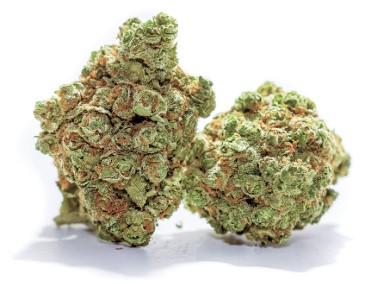
Mad Scientist features dense, compact buds with deep green hues and vibrant orange pistils. The flowers are coated in a thick layer of trichomes, giving them a frosty and sticky texture. Due to its high resin production, Mad Scientist is often used for making concentrates and hash.
Aroma
This strain has a complex and pungent aroma profile, dominated by earthy, skunky, and herbal notes. When broken apart, the buds release hints of pine, diesel, and citrus, creating an intriguing blend of fragrances.
- Primary Aromas: Earthy, skunky, herbal
- Secondary Aromas: Pine, diesel, citrus
Flavor
When smoked or vaporized, Mad Scientist delivers a smooth, rich smoke with earthy, woody, and spicy undertones. On the exhale, users often notice a slight sweet and citrusy finish, making it a flavorful experience.
- Primary Flavors: Earthy, woody, spicy
- Secondary Flavors: Sweet, citrus, diesel
3. THC and CBD Content
Mad Scientist is recognized for its high THC content, typically ranging between 20% and 24%. This level of THC contributes to its potent psychoactive effects, making it suitable for users with higher THC tolerance. The strain has low CBD levels, usually below 1%, meaning it is primarily used for THC-driven medical and recreational benefits rather than CBD-focused therapeutic applications.
Cannabinoid Breakdown:
- THC: 20% – 24%
- CBD: <1%
- CBG: ~1%
- Other cannabinoids: Minor traces of CBN and CBC
4. Medical Uses of Mad Scientist Cannabis Strain
Mad Scientist is an Indica-dominant hybrid with a high THC concentration (20-24%) and a diverse terpene profile, making it a powerful therapeutic option. Due to its analgesic, anxiolytic, sedative, anti-inflammatory, and appetite-stimulating properties, this strain is widely used for medical cannabis applications. Below is a detailed scientific breakdown of its medical benefits and mechanisms of action.
Pain Management and Analgesic Properties
How It Works: Endocannabinoid System & Pain Perception
Mad Scientist provides effective pain relief by interacting with the endocannabinoid system (ECS), particularly CB1 and CB2 receptors found in the central nervous system (CNS) and peripheral immune cells.
- THC binds to CB1 receptors in the brain and spinal cord, inhibiting pain signals by reducing neurotransmitter release.
- CB2 receptor activation by THC and minor cannabinoids (such as CBG) helps modulate inflammation and immune response, reducing chronic pain.
Conditions Treated
- Neuropathic Pain (e.g., multiple sclerosis, nerve damage, diabetic neuropathy)
- Inflammatory Pain (e.g., rheumatoid arthritis, fibromyalgia, inflammatory bowel disease)
- Musculoskeletal Pain (e.g., back pain, muscle spasms, chronic migraines)
- Post-Surgical and Injury-Related Pain
Supporting Scientific Evidence
A 2018 study in the Journal of Pain Research showed that high-THC cannabis strains reduce chronic pain severity and improve patient-reported outcomes compared to placebo.
Insomnia and Sleep Disorders
Mechanism of Action: THC & Melatonin Interaction
Mad Scientist is a powerful sleep aid, working through:
- THC-induced GABAergic modulation, which enhances inhibitory neurotransmission, leading to deep sedation.
- Regulation of melatonin secretion by suppressing wake-promoting neurons in the hypothalamus.
- Reduction of REM sleep latency, leading to longer deep sleep stages (NREM 3 and 4).
Conditions Treated
- Primary Insomnia
- Sleep-Onset Delay
- Sleep Apnea
- Restless Leg Syndrome (RLS)
- Nighttime Pain-Related Sleep Disturbances
Clinical Research
A 2021 meta-analysis in the Journal of Clinical Sleep Medicine found that Indica-dominant cannabis strains significantly improve sleep latency, sleep duration, and overall sleep quality.
Anxiety, Stress, and PTSD Management
Neurobiological Mechanism: THC, CBD, and Anxiolytic Effects
- Low-to-moderate doses of THC stimulate CB1 receptors in the amygdala, reducing fear response and hyperarousal.
- CBD (in trace amounts) indirectly modulates serotonin (5-HT1A receptors), promoting calmness and mental relaxation.
- Terpenes (Linalool & Myrcene) enhance GABAergic inhibition, reducing stress-related symptoms.
Conditions Treated
- Generalized Anxiety Disorder (GAD)
- Social Anxiety Disorder (SAD)
- Post-Traumatic Stress Disorder (PTSD)
- Obsessive-Compulsive Disorder (OCD)
- Panic Disorder
Scientific Studies
A 2020 study in Frontiers in Psychiatry found that cannabis strains with high THC and myrcene concentrations significantly reduce anxiety symptoms in PTSD patients, improving emotional regulation and sleep quality.
Appetite Stimulation & Weight Management
How It Works: THC and Ghrelin Activation
Mad Scientist is known for its strong appetite-stimulating effects due to THC’s ability to increase ghrelin secretion.
- THC activates CB1 receptors in the hypothalamus, triggering hunger signals.
- Modulation of dopamine pathways enhances the pleasure associated with eating.
- Reduction in nausea (via CB1 activation in the brainstem) makes food consumption easier.
Conditions Treated
- Cancer-Related Cachexia
- HIV/AIDS-Induced Wasting Syndrome
- Anorexia Nervosa
- Gastrointestinal Disorders (Crohn’s disease, Ulcerative Colitis)
Clinical Research
A 2019 study in the American Journal of Clinical Nutrition demonstrated that high-THC strains enhance caloric intake by 30-40% in patients with cachexia.
Muscle Spasms and Multiple Sclerosis (MS)
Mechanism of Action: THC & Muscle Relaxation
- THC acts on CB1 receptors in the motor cortex, reducing muscle excitability and involuntary contractions.
- Anti-inflammatory effects on glial cells help prevent neuronal damage and MS progression.
- CBD (even in low levels) helps modulate spasticity and neuropathic pain.
Conditions Treated
- Multiple Sclerosis (MS)
- Cerebral Palsy
- Muscle Spasticity from Spinal Cord Injuries
- Parkinson’s Disease-Related Muscle Rigidity
Supporting Research
A 2018 study in Neurology showed that cannabis-based therapies reduce spasticity and improve mobility in 80% of MS patients.
Anti-Inflammatory and Autoimmune Benefits
How It Works: CB2 Activation & Immune Modulation
Mad Scientist exhibits potent anti-inflammatory properties due to CB2 receptor activation, which suppresses pro-inflammatory cytokines such as TNF-α, IL-6, and IL-1β.
Conditions Treated
- Rheumatoid Arthritis (RA)
- Lupus (SLE)
- Crohn’s Disease
- Psoriasis
- Asthma
Scientific Evidence
A 2020 study in the Journal of Immunology found that cannabis reduces inflammatory cytokine expression, helping autoimmune patients manage pain and swelling.
Chronic Fatigue Syndrome and Mental Exhaustion
Neurochemical Mechanism: Dopamine & Norepinephrine Modulation
Mad Scientist is not a highly energizing strain, but its initial cerebral stimulation can counteract mental exhaustion by:
- Enhancing dopamine production, improving motivation and alertness.
- Lowering cortisol levels, reducing stress-induced fatigue.
- Increasing alpha-wave brain activity, promoting mental relaxation.
Conditions Treated
- Chronic Fatigue Syndrome (CFS)
- Adrenal Fatigue
- Mental Burnout (Work-Related Stress)
- Depression-Induced Lethargy
Clinical Findings
A 2017 study in Psychopharmacology reported that cannabis strains with high THC levels improve cognitive processing speed and fatigue symptoms in CFS patients.
Chemotherapy Side Effects: Nausea & Vomiting
Mechanism: CB1 Receptor Activation in the Brainstem
- THC reduces vomiting reflexes by suppressing signals in the medullary vomiting center.
- CBD’s minor presence may contribute to nausea suppression.
Conditions Treated
- Chemotherapy-Induced Nausea & Vomiting (CINV)
- Radiation Therapy Side Effects
- Post-Operative Nausea
Clinical Research
A 2019 study in Cancer Medicine found that cannabis-based treatments reduce chemotherapy-related nausea by 70%, with THC-dominant strains being the most effective.
5. Recreational Uses of Mad Scientist Cannabis Strain
Relaxation and Stress Relief
Mad Scientist is a go-to strain for recreational users looking to unwind after a long day. Its heavy Indica effects provide deep relaxation, making it ideal for evening or weekend use.
Euphoria and Mood Enhancement
While primarily sedative, Mad Scientist offers an initial mood-boosting effect, creating a sense of happiness and euphoria before the deep body high takes over.
Couch-Lock Experience
Due to its high THC levels, Mad Scientist is known for inducing couch-lock, making it suitable for users who enjoy relaxing with movies, music, or meditative activities.
Creativity and Deep Thinking
Though not as stimulating as Sativa-dominant strains, some users report creative and introspective effects during the early stages of the high.
6. Growing Mad Scientist Cannabis Strain
Cultivation Difficulty: Moderate
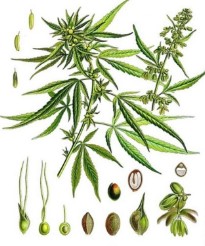
Cultivating Mad Scientist, a high-THC, Indica-dominant hybrid, requires an understanding of its genetics, environmental needs, growth patterns, nutrient requirements, and disease resistance. Below is an in-depth guide detailing scientific methods for maximizing yield, potency, and plant health.
Environmental Requirements for Optimal Growth
Mad Scientist thrives in a controlled indoor setup but can also perform well outdoors in warm, Mediterranean climates. Understanding the ideal environmental conditions is crucial to achieving high-quality flowers with a strong terpene profile.
Temperature Control
- Vegetative Stage: 70-78°F (21-26°C)
- Flowering Stage: 68-75°F (20-24°C)
- Late Flowering (Ripening): 65-70°F (18-21°C) to enhance terpene preservation
- Nighttime Drop: A decrease of 10-15°F at night helps promote color expression and resin production.
Humidity Management
- Seedling Stage: 60-70% RH (Relative Humidity) for strong root development.
- Vegetative Stage: 50-60% RH to promote vigorous growth and prevent mold.
- Flowering Stage: 40-50% RH to reduce the risk of bud rot and mildew.
- Late Flowering: 35-45% RH to optimize resin production and trichome density.
Maintaining optimal humidity levels using dehumidifiers, humidifiers, or ventilation systems prevents mold, mildew, and fungal diseases.
Light Requirements and Photoperiod Control
Mad Scientist, like most photoperiod strains, requires a strict light schedule to transition between growth stages:
- Vegetative Phase: 18/6 (18 hours light, 6 hours darkness) under LED or HPS lights.
- Flowering Phase: 12/12 (12 hours light, 12 hours darkness) to trigger bud development.
Recommended Lighting Setup
- LED Lights: Full-spectrum, 600W-1000W, ideal for power efficiency and cannabinoid preservation.
- HPS (High-Pressure Sodium) Lamps: 600W for dense bud formation.
- PPFD (Photosynthetic Photon Flux Density): 600-900 μmol/m²/s for vegetative growth and 900-1200 μmol/m²/s during flowering.
Increasing UV-B exposure during the final 2-3 weeks of flowering can enhance THC concentration.
Soil and Growing Medium
Mad Scientist requires nutrient-rich, well-draining soil or a hydroponic setup for accelerated growth.
Soil-Based Cultivation
- pH Level: 6.0-6.5
- Best Medium: Loamy soil with added perlite, coco coir, or vermiculite for aeration.
- Organic Additives:
- Worm castings (for nitrogen & beneficial microbes)
- Bat guano (for phosphorus boost)
- Dolomite lime (for pH stabilization)
- Mycorrhizal fungi (for enhanced root health and nutrient uptake)
Hydroponic Cultivation (Faster Growth)
- Ideal pH Level: 5.5-6.0
- Recommended Systems:
- Deep Water Culture (DWC): Maximizes oxygenation, promoting rapid root expansion.
- Ebb and Flow: Best for controlled water & nutrient absorption.
- Aeroponics: Increases yield and terpene production.
In hydroponic setups, nutrient uptake is more efficient, and plants may flower earlier by 1-2 weeks.
Growth Stages & Scientific Training Techniques
Mad Scientist benefits from various plant training methods to maximize yield, improve bud structure, and enhance light exposure.
Vegetative Growth (Weeks 1-6)
- Goal: Develop a strong root system and bushy plant structure.
- Topping: Cutting the apical meristem (main stem) encourages multiple colas and lateral growth.
- Low-Stress Training (LST): Bending branches increases light penetration and airflow.
- SCROG (Screen of Green): A mesh net ensures even canopy growth, improving light efficiency.
Flowering Phase (Weeks 7-10)
- Goal: Maximize resin production and cannabinoid concentration.
- Defoliation: Removing lower fan leaves improves airflow and directs energy to bud sites.
- Lollipopping: Trimming lower branches enhances top-bud growth.
Late Flowering & Harvesting (Weeks 10-12)
- Flushing: 10-14 days before harvest, flush soil with pH-balanced water to remove excess nutrients.
- Temperature Drop: A 5-10°F decrease at night enhances anthocyanin production, resulting in purple hues.
- Harvest Timing Based on Trichome Coloration:
- Milky Trichomes (50-70%) = Peak THC potency.
- Amber Trichomes (20-30%) = More sedative, body-heavy high.
Nutrient Management & Feeding Schedule
Mad Scientist has high nutrient demands, particularly during flowering.
Essential Macronutrients
- Nitrogen (N): Essential for vegetative growth.
- Phosphorus (P): Supports strong root development and bud formation.
- Potassium (K): Increases resilience and terpene production.

Growth-Specific Feeding Schedule
| Growth Stage | N-P-K Ratio | Feeding Frequency |
|---|---|---|
| Seedling | 2-1-2 | Light feeding, every 5-7 days |
| Vegetative | 4-2-3 | Every 3-4 days |
| Early Flower | 2-3-4 | Every 2-3 days |
| Late Flower | 1-3-5 | Reduce nitrogen, increase potassium |
| Flushing | 0-0-0 | pH-balanced water only |
- Calcium (Ca) & Magnesium (Mg): Supplement with Cal-Mag to prevent deficiencies.
- Silica: Strengthens cell walls, making plants more resistant to pests and stress.
Pest & Disease Resistance
Mad Scientist is moderately resistant to powdery mildew and mold, but prevention is key.
Common Pests
- Spider Mites: Can be controlled with neem oil or predatory mites.
- Aphids & Whiteflies: Use insecticidal soap or introduce ladybugs.
- Fungus Gnats: Avoid overwatering, and use sticky traps.
Disease Prevention
- Powdery Mildew: Maintain airflow, use sulfur-based sprays.
- Bud Rot: Keep humidity below 45% during flowering.
- Root Rot: Use beneficial bacteria (e.g., Trichoderma, Mycorrhizae).
Post-Harvest Processing: Curing for Maximum Potency
Proper drying and curing enhances terpene retention, THC stability, and flavor.
Drying Process
- Duration: 7-14 days.
- Ideal Conditions: 60-70°F (15-21°C), 50% humidity.
- Hanging Method: Hang buds upside down in a dark, well-ventilated space.
Curing for Maximum Potency
- Duration: 2-6 weeks.
- Storage: Use glass jars with humidity packs (58-62% RH).
- Burping: Open jars daily for the first 7 days, then gradually reduce to once every 3-4 days.
Advanced Scientific Methods to Increase Yield & Potency
- CO₂ Enrichment: Introducing 1,200-1,500 ppm CO₂ boosts photosynthesis and yield.
- UV-B Exposure: Increases trichome production and THC content.
- Stress Techniques (RQS Method): Controlled drought stress increases cannabinoid concentration.
- Living Soil Microbiology: Using compost teas and beneficial fungi enhances plant immunity.
7. Side Effects of Mad Scientist Cannabis Strain
While Mad Scientist offers numerous benefits, it also has potential side effects, especially for new users or those sensitive to THC.
- Common Side Effects:
- Dry mouth (cottonmouth)
- Dry eyes
- Dizziness (high doses)
- Couch-lock
- Less Common Side Effects:
- Paranoia (especially in THC-sensitive users)
- Increased heart rate
- Grogginess (if consumed in excess)
8. Conclusion
Mad Scientist is a potent Indica-dominant strain recognized for its sedative effects, pain-relieving properties, and appetite-stimulating benefits. With a high THC concentration, it is best suited for experienced users and medical patients seeking deep relaxation and relief from chronic conditions.
Whether used for medical or recreational purposes, Mad Scientist remains a highly respected strain in the cannabis community. However, due to its strong sedative effects, it is best consumed in the evening or nighttime for optimal enjoyment and therapeutic benefits.
For a complete directory of cultivars, visit our Cannabis Strain Reviews.
