Table of Contents
The Lucky cannabis strain is a hybrid cultivar gaining recognition for its uplifting cerebral effects and balanced body relaxation. With a moderate-to-high THC content and a complex terpene profile, Lucky is increasingly valued both in recreational circles and for specific medical applications. It is known for its unique aroma blending sweet citrus, herbal, and skunky undertones, which hints at its hybrid lineage.
Strain Type
- Type: Hybrid (Balanced or slightly sativa-dominant depending on phenotype)
- Genetics: Often believed to be a cross between OG Kush and Strawberry Diesel, though some breeders list different lineages involving Chemdawg or Jack Herer.
Appearance, Aroma, and Flavor Profile
Appearance
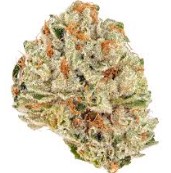
Lucky buds are dense and conical with a medium-green coloration interspersed with deep purple hues, especially in colder grow environments. Bright orange pistils and a crystalline layer of trichomes give the flower a frosty appearance, indicating high resin content.
Aroma
- Sweet citrus (lemon, orange peel)
- Earthy herbal notes
- Diesel and skunk undertones
- Subtle berry traces in some phenotypes
Flavor
- Sweet and sour on the inhale (lemon-candy profile)
- Diesel-heavy and earthy on the exhale
- Occasionally spicy or peppery, indicating caryophyllene content
Cannabinoid Profile
Lucky typically features a THC concentration between 18–24%, making it a potent choice for intermediate to experienced users. CBD levels are generally low (<1%), but select phenotypes may express higher cannabigerol (CBG) or cannabichromene (CBC) content.
Average Cannabinoid Composition:
- THC: 20–22%
- CBD: 0.1–0.3%
- CBG: ~0.6%
- CBC: ~0.3%
- THCV: ~0.2–0.4% (in some phenotypes)
Terpene Profile and Scientific Significance
Lucky’s distinct aroma and effects are shaped by a complex terpene profile that not only enhances flavor but also contributes therapeutic benefits via the entourage effect.
Primary Terpenes:
| Terpene | % Content (Avg) | Effects & Properties |
|---|---|---|
| Limonene | 0.6–0.9% | Mood elevation, anti-anxiety, anti-inflammatory |
| Myrcene | 0.5–0.7% | Sedative, analgesic, muscle relaxant |
| Caryophyllene | 0.3–0.6% | Anti-inflammatory, analgesic, anxiolytic |
| Pinene | 0.2–0.4% | Bronchodilator, memory retention, focus |
| Linalool | ~0.2% | Calming, antidepressant, anticonvulsant |
Entourage Effect Implications
- The synergy between limonene and pinene contributes to Lucky’s cognitive stimulation and focus-enhancing properties.
- Myrcene and caryophyllene offer pain relief and anti-inflammatory effects, giving the strain its physical calming edge.
Recreational Use Profile
Lucky is prized among recreational users for delivering a multifaceted high that evolves over time.
Onset and Duration
- Onset: 5–10 minutes (smoking), 30–60 minutes (oral ingestion)
- Peak Effects: 1–2 hours
- Total Duration: 3–5 hours
Psychoactive Effects:
- Euphoria and Positivity: Fast-acting mood lift without overwhelming intensity
- Mental Clarity and Focus: Users report enhanced concentration and flow states, especially for creative work
- Mild Visual and Auditory Enhancement: Subtle psychedelic tones in higher doses
- Body Relaxation Without Couch-Lock: Ideal for social events, light physical activities, or casual gaming
Recreational Use Cases:
- Social engagement (concerts, gatherings)
- Outdoor activities (hiking, casual sports)
- Creative pursuits (music, painting, writing)
- Daytime productivity (light mental tasks, brainstorming)
Reported Drawbacks at High Doses:
- Mild anxiety or paranoia
- Dry mouth (“cottonmouth”) and dry eyes
- Increased heart rate in sensitive users
Medical Applications
Pharmacological Foundations
Lucky is a Type I chemovar (high-THC, low-CBD) with a complex terpene profile led by limonene, myrcene, caryophyllene, and pinene, which contribute synergistically via the entourage effect. The strain’s psychoactivity and therapeutic potential are due to:
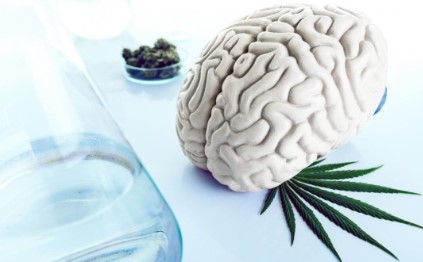
- THC’s partial agonism at CB1 receptors in the brain
- Caryophyllene’s CB2 receptor agonism in peripheral immune tissues
- Terpenoid interactions with dopaminergic, serotonergic, and GABAergic pathways
Mental Health & Neurological Disorders
Generalized Anxiety Disorder (GAD)
- Mechanism:
Limonene modulates serotonergic transmission, particularly via 5-HT1A receptor activation, reducing anxiety-like behaviors in animal models.
THC in small to moderate doses may reduce amygdala reactivity, dampening fear response. - Clinical Relevance:
Ideal for situational anxiety, public speaking, or daytime social anxiety due to its uplifting yet non-racy profile.
Depression
- Mechanism:
THC activates CB1 receptors, enhancing dopamine release in the nucleus accumbens, improving mood and motivation.
Linalool and limonene both demonstrate antidepressant-like effects in rodent forced swim and tail suspension tests. - Application:
Used for mild-to-moderate depression, especially when motivation and pleasure (anhedonia) are affected.
ADHD (Attention Deficit Hyperactivity Disorder)
- Mechanism:
Pinene improves alertness by inhibiting acetylcholinesterase, increasing acetylcholine availability, which may enhance working memory and attention span.
THC and limonene may reduce hyperactivity and impulsivity via dopaminergic regulation. - Caution:
Use in ADHD must be dose-dependent — high doses may impair working memory.
Pain Management
Neuropathic Pain
- Mechanism:
THC reduces nociceptive signaling via CB1 receptor activation in the periaqueductal gray (PAG) and dorsal horn of the spinal cord.
Caryophyllene binds to CB2 receptors on immune cells, reducing neuroinflammation. - Supporting Research:
Studies in chronic neuropathy and chemotherapy-induced neuropathy show significant pain reductions with high-THC strains high in caryophyllene and myrcene.
Inflammatory Pain
- Mechanism:
Myrcene has prostaglandin E2 inhibition, which reduces inflammation.
Caryophyllene lowers TNF-alpha and interleukin-1β, major mediators of inflammatory pain. - Target Conditions:
- Rheumatoid arthritis
- Endometriosis
- Interstitial cystitis
- Autoimmune pain syndromes
Gastrointestinal and Appetite Disorders
Nausea and Vomiting (Antiemetic)
- Mechanism:
THC modulates CB1 receptors in the dorsal vagal complex, which governs nausea reflexes.
Limonene adds anti-nausea benefits by reducing gastric dysrhythmia. - Clinical Use:
Especially effective for chemotherapy-induced nausea or HIV-related nausea.
Appetite Stimulation
- Mechanism:
THC increases the production of ghrelin, the “hunger hormone,” and enhances olfactory sensitivity, making food more rewarding. - Application:
- Cancer patients undergoing chemotherapy
- Cachexia in HIV/AIDS
- Anorexia nervosa (with psychiatric supervision)
Sleep & Sedation
While Lucky is not a pure indica, its myrcene content gives it moderate sedative properties, especially in higher doses.
Insomnia
- Mechanism:
Myrcene activates GABA-A receptors and modulates sleep-wake cycles.
THC decreases REM sleep, which may help with PTSD-related nightmares. - Clinical Use:
- Initial sleep onset insomnia
- Nighttime anxiety-related sleep disturbance
- Nightmare suppression in PTSD
Neuroprotection and Neurodegenerative Disease
Alzheimer’s and Cognitive Decline
- Pinene helps preserve memory by preventing acetylcholine breakdown, a major cause of cognitive impairment.
- Caryophyllene may reduce microglial inflammation, offering neuroprotection.
- THC in low doses has shown to reduce β-amyloid plaque accumulation in preclinical models.
Multiple Sclerosis (MS)
- THC and myrcene help relax muscle spasticity, while caryophyllene reduces CNS inflammation.
- Lucky’s balanced profile makes it a daytime-compatible option for MS patients managing stiffness and fatigue.
PTSD and Trauma-Related Disorders
- THC reduces hyperactivity in the amygdala, a key brain area involved in fear memory.
- Limonene and linalool regulate mood and have anxiolytic, grounding effects.
- Lucky may help:
- Suppress nightmares
- Reduce intrusive thoughts
- Enhance emotional resilience
Women’s Health
Menstrual & Endometriosis Pain
- THC and caryophyllene reduce uterine inflammation and cramping pain.
- Myrcene acts as a natural muscle relaxant, helping ease menstrual tension.
Perimenopausal Mood Fluctuations
- Limonene and linalool help regulate hormonal mood swings, offering an alternative to pharmacological antidepressants.
Immunological and Inflammatory Disorders
While Lucky is not CBD-rich, it still modulates immune activity via:
- CB2 receptor activity (caryophyllene): reduces inflammation
- THC-induced IL-10 upregulation: a powerful anti-inflammatory cytokine
- Applications may include:
- Autoimmune arthritis
- Inflammatory bowel disease (IBD)
- Lupus (with caution and physician oversight)
Emerging Areas of Research
Antioxidant Properties
- Terpenes such as limonene and pinene have demonstrated ROS-scavenging activity.
- This may contribute to anti-aging and metabolic balance.
Anti-Cancer Potential
- THC induces apoptosis in some tumor lines (glioma, breast, prostate) via ceramide accumulation and inhibition of angiogenesis.
- Lucky’s high THC and minor CBC content suggest possible supportive adjunctive value in cancer therapy (non-curative, symptom-focused).
Optimal Dosing Strategies for Medical Use
| Condition | Suggested THC Dose Range | Form & Timing |
|---|---|---|
| Anxiety (acute) | 2.5–5 mg | Inhaled, as-needed (daytime) |
| Depression | 5–10 mg | Inhaled or edible (morning) |
| Chronic pain | 10–20 mg | Inhaled or sublingual (bid) |
| Sleep aid | 15–25 mg | Edible, 1 hour before sleep |
| Nausea | 5–10 mg | Vaporized, 3x/day |
| ADHD | 2–5 mg | Microdosed vapor or tincture |
| PTSD | 5–15 mg | Low-dose edible, PM |
Always begin with a low dose and titrate slowly, particularly in patients with low tolerance or comorbid psychiatric conditions.
Scientific Mechanisms of Action
CB1 and CB2 Receptor Binding
- THC is a partial agonist of CB1 receptors, producing mood elevation and mild euphoria.
- Caryophyllene selectively binds to CB2 receptors, conferring anti-inflammatory and immune-modulating effects.
Neurotransmitter Modulation
- Limonene increases serotonin and dopamine availability in brain regions associated with mood and reward.
- Pinene inhibits acetylcholinesterase, potentially aiding in memory retention and neuroprotection.
Anti-inflammatory Action
- Terpenes like caryophyllene and myrcene modulate cytokine release, helping to reduce systemic inflammation.
- This could make Lucky a candidate for integrative treatment in autoimmune conditions or neuropathic pain.
Cultivation Information
Genotype, Phenotype & Chemotype Considerations
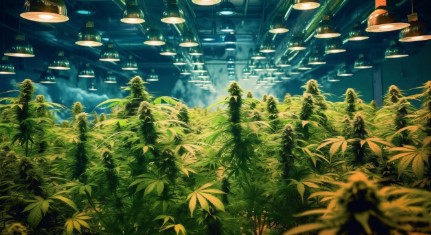
Genotype
- Likely hybrid genetics involving OG Kush and Strawberry Diesel or similar.
- Genetically predisposed to moderate internodal spacing, heavy trichome production, and hybrid vigor.
Phenotype
- Two dominant phenotypic expressions:
- Sativa-leaning: Taller stature, elongated buds, more citrus-heavy aroma, slightly longer flowering time.
- Indica-leaning: Bushier structure, tighter internodes, sweeter diesel nose, heavier resin content.
Chemotype
- Chemotype I: High-THC, low-CBD type, producing moderate amounts of secondary cannabinoids like CBG and THCV.
- Optimal cultivation practices can nudge terpene dominance (e.g., limonene or myrcene) depending on stress exposure and environment.
Environmental Requirements
Lighting
- Vegetative stage: 18/6 light cycle with ~400–600 PPFD
- Flowering stage: 12/12 cycle with ~800–1000 PPFD
- Full-spectrum LED preferred for terpene retention and energy efficiency.
- UVB supplementation in late flowering may boost trichome and THC production (based on trichome defense response research).
Temperature & Humidity
| Stage | Temperature (Day/Night) | Relative Humidity |
|---|---|---|
| Vegetative | 22–27°C / 20–24°C | 55–65% |
| Flowering | 20–26°C / 18–22°C | 40–50% |
| Late Flowering | 18–24°C / 16–20°C | 35–45% |
- Cooler nighttime temperatures (especially in late flower) can amplify anthocyanin expression, enhancing purple hues in certain phenotypes.
Airflow and CO₂
- High airflow required to prevent powdery mildew (Lucky is moderately susceptible).
- Supplemental CO₂ enrichment (800–1200 ppm) during flowering can increase yields by 15–20% if VPD and lighting are optimal.
Substrate and Nutrient Management
Growing Medium Options
- Soil: Organic super-soil blends maximize terpene profile.
- Coco coir: Provides faster nutrient uptake and root aeration.
- Hydroponics (DWC or NFT): Accelerated growth, but increased risk of root pathogens.
pH and EC Ranges
| Stage | pH (Soil) | pH (Hydro/Coco) | EC (mS/cm) |
|---|---|---|---|
| Seedling | 6.2–6.5 | 5.6–5.9 | 0.4–0.6 |
| Vegetative | 6.3–6.7 | 5.8–6.2 | 1.2–1.8 |
| Flowering | 6.3–6.8 | 5.8–6.3 | 1.8–2.4 |
Macro and Micronutrient Needs
- Veg stage: High nitrogen, moderate potassium and calcium
- Flowering stage: Increased phosphorus and potassium, reduced nitrogen
- Boosting sulfur and magnesium mid-to-late flower supports terpene biosynthesis (particularly limonene and myrcene)
Plant Training Techniques
Lucky responds exceptionally well to a variety of training methods. These enhance light penetration, airflow, and cannabinoid expression:
| Technique | Purpose | Timing |
|---|---|---|
| Topping | Promotes multiple colas | Week 3–4 vegetative |
| LST (low stress) | Bends branches outward for even canopy | Weeks 3–6 vegetative |
| SCROG (Screen of Green) | Maximizes light and space usage | Start 1–2 weeks pre-flower |
| Defoliation | Reduces mold risk, enhances airflow | Early and mid-flower |
Note: Over-defoliation can stunt growth and reduce secondary metabolite synthesis. Ideal to leave 60–70% foliage coverage.
Flowering, Maturation & Harvest
Flowering Time
- Indoor: 8–10 weeks
- Outdoor: Late September to mid-October (Northern Hemisphere)
Maturation Indicators
- Trichome heads turn milky-white to amber (60/40 ratio is ideal for balanced effect)
- Pistils darken and curl inward (~75–90% coloration)
Pre-Harvest Techniques
- Flush period: 10–14 days with pure water or enzymatic flush
- Dark period: Optional 24–48 hours of darkness pre-harvest to potentially enhance resin production (debated but supported anecdotally)
Post-Harvest Processing
Drying
- 10–14 days at 18–21°C and 55% RH
- Slow drying preserves terpenes (avoid >24°C or <50% RH)
Curing
- Glass jars at 62% RH using Boveda packs
- Burp daily for first 2 weeks, then 1–2x per week for 4–6 more weeks
- Terpene profile significantly deepens over 4–8 weeks
Disease & Pest Resistance
Lucky has moderate resistance but is vulnerable to:
- Powdery mildew: Especially in high humidity environments with poor airflow
- Fungus gnats: More common in soil grows
- Spider mites and thrips: Can become problematic under stress
Preventative Strategies:
- Neem oil or potassium bicarbonate during vegetative stage
- Predatory mites (e.g., Phytoseiulus persimilis) for IPM
- UV sterilization or ozone treatment for closed hydro systems
Yield Optimization & Cannabinoid Maximization
| Factor | Impact on Cannabinoids/Terpenes |
|---|---|
| Spectrum quality | UVB boosts THC and trichomes |
| Deficit irrigation | Mild water stress may boost terpene levels |
| Cool night temps | Encourages anthocyanins, terpene retention |
| Organic nutrients | Often yield richer terpene profiles |
| Proper cure | Prevents terpene volatilization |
Scientific studies suggest stress exposure (within limits) can upregulate genes associated with secondary metabolite production (including THCAS, CBDAS, and terpene synthases). However, stress must be controlled to avoid stunting or hermaphroditism.
Ingestion Methods, Onset, Duration, and Bioavailability of Lucky Cannabis Strain
The pharmacokinetics of cannabis — i.e., how it is absorbed, distributed, metabolized, and excreted — is heavily influenced by the administrative route.
Key pharmacokinetic variables for Lucky include:
- Onset of action (time to effects)
- Peak plasma concentration (maximum effect)
- Duration of action
- Bioavailability (how much THC reaches systemic circulation)
Inhalation Methods
Smoking (Joints, Pipes, Bongs)
Scientific Characteristics
- Onset: 1–5 minutes
- Peak effects: 10–30 minutes
- Duration: 2–4 hours
- Bioavailability: ~15–30% (depending on inhalation technique and depth)
Mechanism
- THC is rapidly absorbed into the bloodstream through alveolar capillaries in the lungs.
- Quick onset makes it ideal for acute relief, especially for anxiety, pain, or nausea.
Lucky-Specific Effects
- Limonene and pinene terpenes volatilize quickly at combustion temperatures (~160–190°C), making this method effective for mood elevation and cognitive boost.
Pros
- Rapid onset
- Easy dose titration
- Full-spectrum effects (entourage effect intact)
Cons
- Pulmonary irritation and tar exposure
- Terpene degradation due to high heat
Vaporization (Dry Herb Vapes)
Scientific Characteristics
- Onset: 2–10 minutes
- Peak effects: 15–45 minutes
- Duration: 2–5 hours
- Bioavailability: ~30–60% (significantly higher than smoking)
Mechanism
- Uses convection/conduction heating to release cannabinoids and terpenes without combustion.
- Optimal vaporization temperatures for Lucky:
- Limonene: 176°C
- Myrcene: 166–168°C
- THC: 157°C
- Caryophyllene: 119°C
Pros
- More lung-friendly than smoking
- Preserves terpenes, giving richer flavor and better therapeutic synergy
- Adjustable temperature allows for targeted terpene and cannabinoid release
Cons
- Requires equipment
- Initial cost can be higher
Oral Ingestion Methods
Edibles (Gummies, Chocolates, Baked Goods)
Scientific Characteristics
- Onset: 30–90 minutes
- Peak effects: 2–4 hours
- Duration: 6–8 hours (sometimes up to 12)
- Bioavailability: ~4–12% (subject to first-pass liver metabolism)
Mechanism
- THC is metabolized in the liver into 11-hydroxy-THC, a more potent and longer-lasting compound that crosses the blood-brain barrier more efficiently.
- Myrcene and linalool effects are muted due to terpene degradation during cooking, unless terpenes are reintroduced post-bake.
Lucky-Specific Profile
- Produces a stronger body effect than inhaled forms
- Best used for chronic pain, sleep, and appetite stimulation
- High doses can induce prolonged sedation or dysphoria
Pros
- Long-lasting relief (good for overnight or extended therapy)
- Discreet and convenient
- No respiratory risk
Cons
- Inadvertent overconsumption may result from delayed commencement.
- Harder to titrate dosage accurately
Capsules / Softgels
Scientific Characteristics
- Onset: 45–90 minutes
- Duration: 6–10 hours
- Bioavailability: Similar to edibles (~5–10%)
Advantages
- More precise dosing than edibles
- Consistent release
- Ideal for clinical and long-term symptom control
Sublingual and Buccal Methods
Tinctures (Alcohol- or Oil-Based)
Scientific Characteristics
- Onset: 15–45 minutes (faster when held under tongue)
- Peak effects: 45–90 minutes
- Duration: 4–6 hours
- Bioavailability: ~10–35% (depends on holding time and formulation)
Mechanism
- Absorption through sublingual mucosa bypasses the first-pass liver effect, leading to faster onset than traditional edibles.
Ideal Use Cases for Lucky
- Patients needing fast relief without smoking
- Daytime dosing when clarity is desired
- Chronic conditions needing controlled and predictable outcomes
Pros
- Versatile and dose-controllable
- No combustion or cooking degradation of cannabinoids
- Preserves the entourage effect if full-spectrum
Cons
- Taste can be unpleasant
- Effects vary with method of administration (swallowed vs. held)
Topical and Transdermal Delivery
Topicals (Creams, Balms, Gels)
Scientific Characteristics
- Onset: 5–20 minutes
- Duration: 2–6 hours
- Bioavailability: Low systemic absorption, high localized effect
Mechanism
- Cannabinoids interact with CB2 receptors in the skin and underlying tissues, reducing inflammation and pain without psychoactivity.
Uses
- Joint pain
- Neuropathy
- Dermatological inflammation (eczema, psoriasis)
Lucky’s caryophyllene content makes it a good candidate for topical formulation targeting inflammation.
Transdermal Patches
Scientific Characteristics
- Onset: 15–60 minutes
- Duration: Up to 12 hours
- Bioavailability: Moderate, sustained systemic delivery
Advantages
- Steady microdose of THC and terpenes into the bloodstream
- Non-psychoactive at low doses, or sustained psychoactivity at higher doses
- Excellent for patients with chronic pain or spasticity
Inhalation vs. Oral vs. Sublingual Summary
| Method | Onset | Duration | Peak Effects | Bioavailability | Best For |
|---|---|---|---|---|---|
| Smoking | 1–5 min | 2–4 hrs | 10–30 min | 15–30% | Fast relief, full spectrum, recreational use |
| Vaping | 2–10 min | 2–5 hrs | 15–45 min | 30–60% | Lung-safe, terpene-rich, efficient delivery |
| Edibles | 30–90 min | 6–8 hrs | 2–4 hrs | 4–12% | Pain, sleep, long-lasting relief |
| Tinctures | 15–45 min | 4–6 hrs | 45–90 min | 10–35% | Flexible dosing, moderate onset |
| Topicals | 5–20 min | 2–6 hrs | N/A | Local only | Joint/muscle pain without psychoactivity |
| Patches | 15–60 min | Up to 12 h | 2–3 hrs | Moderate | Chronic conditions needing steady relief |
Strain Comparisons
| Strain | Similarity | Difference |
|---|---|---|
| Strawberry Cough | Euphoric and fruity | Lucky is more balanced body-wise |
| OG Kush | Shared earthy/skunk notes | Lucky has clearer head effects |
| Jack Herer | Cognitive focus | Lucky offers more physical relief |
| Super Lemon Haze | Limonene-rich and energetic | Lucky is less racy, more grounded |
Ideal User Profile
| User Type | Suitability |
|---|---|
| Medical patients | Excellent for mood disorders, pain, ADHD |
| Recreational users | Ideal for those seeking a creative yet relaxed high |
| Beginner users | Use low doses to assess mental sensitivity |
| Creative professionals | Enhances productivity in artistic settings |
Final Verdict: Why Choose Lucky?
Lucky stands out as a well-rounded hybrid that bridges the gap between cerebral clarity and full-body comfort. Whether you’re seeking relief from physical pain, need a mood lift, or want a creative burst without sedation, Lucky offers a harmonious balance of effects and flavors. Its broad terpene complexity supports its wide-ranging uses, while its moderate-to-high potency ensures both recreational satisfaction and medicinal efficacy.
For a complete directory of cultivars, visit our Cannabis Strain Reviews.
