Table of Contents
Origins and Genetics
Lucid Dream is a sativa-dominant hybrid that typically exhibits a ratio of 70% sativa to 30% indica. This strain is the result of crossing two iconic parent strains:
- Blue Dream: A legendary strain known for its balanced cerebral stimulation and physical relaxation. Blue Dream contributes its sweet berry flavors and uplifting effects to Lucid Dream.
- Amnesia Haze: A sativa powerhouse famous for its energetic and euphoric effects. Amnesia Haze brings a citrusy, earthy flavor profile and a boost of mental clarity to Lucid Dream.
Together, these genetics create a strain that delivers the best of both worlds: a stimulating cerebral high coupled with a soothing body buzz.
Appearance, Aroma, and Flavor
Appearance:
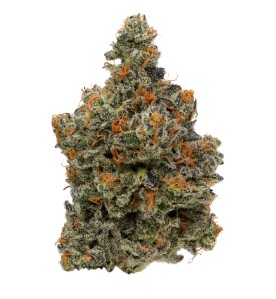
Lucid Dream buds are visually striking, with tightly packed, spade-shaped nugs. These buds are often a vibrant green hue, accented by deep purple undertones and fiery orange pistils. A thick coating of milky-white trichomes gives the buds a frosted, crystalline appearance, indicative of its potency.
Aroma:
The aroma of Lucid Dream is a harmonious blend of sweet and earthy notes. Upon breaking apart the buds, users may detect hints of:
- Blueberries and sweet berries (inherited from Blue Dream)
- Citrus and lemon (from Amnesia Haze)
- A subtle herbal and piney undertone
Flavor:
The flavor profile mirrors the aroma, with sweet, fruity notes dominating the palate. Upon exhale, users may notice hints of citrus, earthiness, and a slight spiciness. This complex flavor profile makes Lucid Dream a favorite among connoisseurs.
Chemical Composition (Cannabinoids and Terpenes)
Lucid Dream’s potency and effects can be attributed to its balanced cannabinoid and terpene profile. While specific levels may vary depending on cultivation methods, the following are typical values:
Cannabinoids:
- THC: 20-28% – Lucid Dream is a high-THC strain, making it particularly potent and suitable for experienced users.
- CBD: <1% – The low CBD content means the strain’s effects are predominantly psychoactive, with minimal direct anti-inflammatory or anxiolytic properties from CBD.
- CBG: ~1% – Cannabigerol (CBG) contributes to the strain’s potential therapeutic benefits, particularly for pain relief and mood regulation.
Terpenes:
The terpene profile of Lucid Dream enhances its effects and flavor:
- Myrcene: Adds a musky, herbal aroma and contributes to relaxing effects.
- Limonene: Provides citrusy notes and promotes stress relief and elevated mood.
- Pinene: Responsible for pine-like aromas and can enhance focus and memory.
- Caryophyllene: Contributes to the strain’s spicy undertones and has anti-inflammatory properties.
- Terpinolene: Found in smaller amounts, offering floral and citrusy accents while adding a subtle sedative effect.
Effects and Experience
Onset and Duration:
Lucid Dream’s effects are fast-acting, often noticeable within minutes of consumption. The high is long-lasting, typically ranging from 2-4 hours depending on dosage and individual tolerance.
Psychological Effects:
- Euphoria: Users report an immediate uplift in mood, accompanied by a sense of happiness and contentment.
- Creativity: The cerebral stimulation enhances creative thinking and problem-solving, making it ideal for artistic endeavors.
- Focus and Clarity: Thanks to its Amnesia Haze lineage, Lucid Dream promotes mental clarity and sharpness.
Physical Effects:
- Mild Relaxation: While predominantly cerebral, Lucid Dream offers a gentle body buzz that helps ease physical tension without inducing couch lock.
- Energy Boost: Its sativa dominance provides a surge of energy, making it suitable for daytime use.
Potential Side Effects:
- Both dry eyes and dry mouth are prevalent.
- Some users may experience mild paranoia or anxiety, particularly with high doses or low THC tolerance.
- Dizziness or headache can occur in rare cases.
Medical Uses
Lucid Dream’s unique combination of effects makes it a versatile strain for medical cannabis patients. Below are its potential therapeutic applications:
Mental Health:
- Depression: The uplifting and euphoric effects can alleviate symptoms of depression by enhancing mood and motivation.
- Anxiety: In smaller doses, the calming effects may help reduce anxiety, though higher doses could exacerbate symptoms.
- PTSD: The mood-enhancing and relaxing properties may assist individuals dealing with PTSD-related stress and intrusive thoughts.
Pain Management:
- Lucid Dream’s mild analgesic properties, likely due to its high THC content and caryophyllene levels, can help alleviate chronic pain, migraines, and muscle tension.
Neurological Disorders:
- ADHD: The strain’s ability to improve focus and concentration may benefit individuals with attention deficit disorders.
- Fatigue: Its energizing properties can combat fatigue and boost productivity.
Sleep Disorders:
- While not a traditional sedative strain, Lucid Dream’s calming effects can help ease the transition into sleep for those dealing with insomnia caused by stress or anxiety.
Appetite Stimulation:
- The strain’s potential to enhance appetite can be helpful for individuals undergoing chemotherapy or dealing with eating disorders.
Recreational Uses
Lucid Dream is equally popular among recreational users for its versatile and enjoyable effects. Here are some common recreational applications:
Social Settings:
- The euphoric and mood-enhancing effects make Lucid Dream an excellent choice for social gatherings, as it can promote conversation and laughter.
Creative Projects:
- Artists, writers, and musicians often use Lucid Dream to stimulate creativity and overcome mental blocks.
Outdoor Activities:
- Its energizing properties make it suitable for activities like hiking, biking, or exploring nature.
Daytime Use:
- Unlike many indica-heavy strains, Lucid Dream’s sativa dominance ensures that users remain functional and productive, making it ideal for daytime use.
Cultivating Lucid Dream
1. Seed Selection and Genetics
- Stabilized Genetics: Ensure seeds are sourced from reputable breeders to guarantee consistency in phenotype and cannabinoid profile. Lucid Dream’s genetics (Blue Dream × Amnesia Haze) are dominant in sativa traits, so prioritize stable seeds for uniform growth.
- Cloning: For consistent results, cultivators often use clones from a healthy mother plant to replicate the desirable traits, such as high THC content and robust terpene production.
2. Optimal Growth Environment
Lucid Dream thrives in a controlled environment where key variables are managed scientifically.
- Temperature and Humidity:
- Vegetative Stage: 70–80°F (21–27°C) with 60–70% humidity.
- Flowering Stage: 65–75°F (18–24°C) with 40–50% humidity to prevent mold and mildew.
- Use sensors and hygrometers to monitor microclimates within the grow room.
- Light Intensity:
- Lucid Dream, as a sativa-dominant strain, responds well to intense light.
- During the vegetative stage, provide 18–20 hours of light daily with high-intensity LEDs or HPS (High-Pressure Sodium) lamps.
- During flowering, shift to a 12/12 light-dark cycle to stimulate bud production.
- Maintain a PAR (Photosynthetically Active Radiation) range of 600–1000 µmol/m²/s for optimal photosynthesis.
- CO₂ Enrichment:
- Adding carbon dioxide to the grow room (800–1200 ppm) enhances growth by boosting photosynthetic efficiency. This is particularly effective during the vegetative stage.
3. Soil and Nutrient Management
- Soil Composition:
- Use nutrient-rich, well-aerated soil with a mix of organic matter, such as compost or coco coir, to retain moisture and provide aeration.
- pH Levels: Maintain a soil pH of 6.0–6.5 to optimize nutrient uptake.
- Hydroponics or Soilless Mediums:
- Lucid Dream can also be grown in hydroponic setups, allowing direct control over nutrient delivery. Popular systems include Deep Water Culture (DWC) and Ebb and Flow.
- Ensure a pH of 5.5–6.0 for hydroponic systems.
- Nutrient Regimen:
- During the vegetative stage: Prioritize nitrogen (N)-rich fertilizers to promote leafy growth.
- During flowering: Shift to phosphorus (P) and potassium (K)-rich nutrients to support bud development.
- Micronutrients: Magnesium, calcium, and sulfur are crucial for chlorophyll production and enzyme function.
- Monitor Electrical Conductivity (EC): Maintain EC levels at 1.2–2.0 mS/cm depending on the plant’s stage of growth.
4. Watering and Irrigation
- Frequency:
- Overwatering is a common mistake. Do not water again until the top inch of soil has dried off.
- In hydroponics, ensure the nutrient solution is oxygenated with air stones to prevent root rot.
- Water Quality:
- Use filtered or reverse osmosis (RO) water with low Total Dissolved Solids (TDS).
- Aim for a water pH of 6.0–6.5 in soil and 5.5–6.0 in hydroponic systems.
5. Pruning and Training
- Topping and FIMming:
- Cut the main stem during the vegetative stage to promote lateral growth and increase bud sites.
- Low-Stress Training (LST):
- Bend and tie branches to create an even canopy, maximizing light penetration and air circulation.
- Defoliation:
- Remove excess leaves during the flowering stage to focus energy on bud production and improve airflow.
6. Pest and Disease Management
- Common Pests:
- Spider mites, aphids, and whiteflies are common threats.
- Use integrated pest management (IPM) strategies like predatory insects (e.g., ladybugs) or organic sprays (e.g., neem oil).
- Mold and Mildew:
- Ensure proper ventilation and maintain low humidity during the flowering stage to prevent powdery mildew and bud rot.
- Use sulfur burners sparingly to control fungal infections.
7. Harvesting and Curing

- Harvest Timing:
- Monitor trichome color using a magnifying glass or microscope. Harvest when trichomes turn milky white with some amber for maximum THC and terpene content.
- Drying:
- Hang harvested buds in a dark room with 50–60% humidity and temperatures of 65–75°F.
- Ensure proper airflow to prevent mold.
- Curing:
- Place dried buds in airtight glass jars, opening them daily (burping) for the first week to release moisture and gases.
- Allow curing for 2–4 weeks to enhance flavor, aroma, and potency.
8. Scientific Monitoring Tools
- Environmental Sensors: Use IoT-enabled sensors to track temperature, humidity, and CO₂ levels in real time.
- Spectrometry: Use handheld spectrometers to analyze light spectrum and ensure plants receive optimal wavelengths for photosynthesis.
- Lab Testing: Conduct cannabinoid and terpene analysis post-harvest to determine THC, CBD, and terpene concentrations.
Scientific Insights
Interaction with the Endocannabinoid System:
Lucid Dream’s high THC content interacts with CB1 receptors in the brain, contributing to its psychoactive effects. The strain’s terpene profile enhances its overall efficacy through the entourage effect, where cannabinoids and terpenes combine to enhance the medicinal effects.
Potential Neuroprotective Effects:
Preliminary studies suggest that THC and terpenes like pinene and limonene may have neuroprotective properties, which could make Lucid Dream beneficial for conditions like Alzheimer’s or Parkinson’s disease.
Mood Regulation:
The combination of THC and limonene may boost serotonin levels, helping regulate mood and alleviate symptoms of depression.
Methods of Ingestion for Lucid Dream
1. Inhalation (Smoking and Vaping)
Smoking:
- Method: Burning Lucid Dream flower and inhaling the smoke through joints, pipes, or bongs.
- Onset: Rapid, typically within 1–5 minutes after inhalation.
- Duration: Effects last 1–3 hours, with a peak at around 30–60 minutes.
- Bioavailability: ~20–30% of THC enters the bloodstream due to combustion loss and incomplete absorption.
- Advantages:
- Quick onset, ideal for acute symptom relief (e.g., pain, stress, or nausea).
- Allows users to titrate doses easily by stopping consumption as desired.
- Disadvantages:
- Combustion produces harmful byproducts like carbon monoxide and tar.
- Irritation to the respiratory system may occur, especially for frequent users.
Vaping:

- Method: Heating Lucid Dream flower or concentrate to vaporize cannabinoids without combustion.
- Onset: Similar to smoking, typically 1–5 minutes.
- Duration: Effects last 2–4 hours, slightly longer than smoking due to improved absorption.
- Bioavailability: ~40–50%, higher than smoking due to reduced loss from combustion.
- Advantages:
- Cleaner than smoking; fewer respiratory irritants are produced.
- More efficient cannabinoid delivery due to controlled temperature settings.
- Disadvantages:
- Requires specialized devices (e.g., vaporizers or vape pens).
- Potential exposure to harmful additives in low-quality vape cartridges.
2. Oral Consumption (Edibles, Capsules, and Tinctures)
Edibles:

- Method: Consuming THC-infused food or beverages made with Lucid Dream cannabis.
- Onset: Slow, ranging from 30–90 minutes due to the digestive process.
- Duration: Prolonged, lasting 4–8 hours, with a peak at 2–4 hours.
- Bioavailability: ~4–12%, as THC is metabolized in the liver (first-pass metabolism) into the more potent compound 11-hydroxy-THC.
- Advantages:
- Long-lasting effects, suitable for sustained symptom management.
- For those who would rather not inhale, it is discreet and practical.
- Disadvantages:
- Inexperienced users may overconsume due to delayed onset.
- Effects are less predictable due to individual differences in metabolism.
Capsules:
- Method: Swallowing THC capsules or softgels infused with Lucid Dream extracts.
- Onset: Similar to edibles, around 30–60 minutes.
- Duration: 4–8 hours, with a slower onset and prolonged effects.
- Bioavailability: Same as edibles (~4–12%).
- Advantages:
- Precise dosing and consistent effects.
- Minimal odor and taste, making them appealing to medical users.
- Disadvantages:
- Limited flexibility in dosing once consumed.
- Requires digestive absorption, so effects are not immediate.
Tinctures:
- Method: Sublingual (under the tongue) application of alcohol- or oil-based cannabis extracts.
- Onset:
- Sublingual: Rapid, 15–30 minutes, as cannabinoids are absorbed directly into the bloodstream via mucosal membranes.
- Swallowed: Similar to edibles, 30–90 minutes due to digestion.
- Duration: 2–6 hours, depending on method of absorption.
- Bioavailability:
- Sublingual: ~20–35%, bypassing the digestive system.
- Swallowed: ~4–12%, similar to edibles.
- Advantages:
- Flexible dosing with faster onset than edibles.
- Convenient and discreet for both recreational and medical use.
- Disadvantages:
- Some users dislike the taste of cannabis tinctures.
- Precise sublingual dosing may require practice.
3. Topical Application
- Method: Applying cannabis-infused creams, balms, or transdermal patches to the skin.
- Onset: 15–30 minutes for localized relief; transdermal patches may take longer for systemic absorption.
- Duration:
- Topicals: 2–4 hours for localized effects.
- Transdermal: 8–12 hours for systemic effects.
- Bioavailability:
- Topicals: Minimal systemic absorption, primarily interacts with CB2 receptors in the skin.
- Transdermal: Variable systemic absorption, designed for steady cannabinoid release.
- Advantages:
- Non-psychoactive when used as a topical, as cannabinoids do not reach the bloodstream in significant quantities.
- Beneficial for skin disorders, inflammation, or localized pain.
- Disadvantages:
- Limited use for systemic issues unless using transdermal patches.
- Effects may not be as noticeable for recreational purposes.
4. Dabbing (Concentrates)
- Method: Vaporizing cannabis concentrates (e.g., wax, shatter, or live resin) at high temperatures using a dab rig.
- Onset: Immediate, within 1–3 minutes.
- Duration: 1–3 hours, shorter than edibles but with a more intense peak.
- Bioavailability: High, ~50–75%, as dabbing delivers concentrated cannabinoids directly to the lungs.
- Advantages:
- Extremely potent and fast-acting, making it ideal for chronic pain or severe symptoms.
- Flavorful, as terpenes are preserved in high-quality concentrates.
- Disadvantages:
- Potency makes it unsuitable for novices.
- Requires specialized equipment and experience to avoid overheating and wasting product.
Comparative Overview: Onset, Duration, and Use Cases
| Method | Onset | Duration | Best For |
|---|---|---|---|
| Smoking | 1–5 minutes | 1–3 hours | Immediate symptom relief; recreational use. |
| Vaping | 1–5 minutes | 2–4 hours | Cleaner alternative to smoking; efficiency and rapid effects. |
| Edibles | 30–90 minutes | 4–8 hours | Long-lasting relief; suitable for chronic conditions like pain or insomnia. |
| Capsules | 30–60 minutes | 4–8 hours | Discreet medical use with precise dosing. |
| Tinctures | 15–30 minutes | 2–6 hours | Versatile and fast-acting for moderate symptom relief. |
| Topicals | 15–30 minutes | 2–4 hours | Localized pain or inflammation relief without psychoactive effects. |
| Dabbing | 1–3 minutes | 1–3 hours | Severe pain, intense psychoactive experiences, or recreational potency. |
Pharmacokinetics and Individual Factors
The effects of Lucid Dream can vary widely between individuals due to differences in:
- Metabolism: A faster metabolism results in a shorter duration and a speedier beginning.
- Tolerance: Frequent users may require higher doses for the same effects.
- Body Composition: THC is lipophilic (fat-soluble), so body fat percentage can affect how long cannabinoids remain in the system.
- Consumption History: Previous cannabis use affects sensitivity to THC and terpenes.
Conclusion
Lucid Dream is a standout cannabis strain that combines the best attributes of its parent strains, Blue Dream and Amnesia Haze. With its potent effects, appealing flavor profile, and wide range of medical and recreational uses, it’s no wonder this strain has earned a loyal following among cannabis enthusiasts. Whether you’re seeking relief from a medical condition or simply looking to elevate your day, Lucid Dream offers a versatile and enjoyable experience. As with any cannabis product, responsible use and proper dosing are key to maximizing its benefits while minimizing potential side effects.
For a complete directory of cultivars, visit our Cannabis Strain Reviews.
