Table of Contents
Lucid Dream Kush is a hybrid cannabis strain known for its uplifting cerebral effects paired with relaxing body sensations. It is a derivative of the parent strains Lucid Dream and OG Kush, combining the sativa-dominant genetics of the former with the indica-rich heritage of the latter.
- Lucid Dream (Amnesia Haze × Blue Dream): A sativa-leaning strain famous for its cerebral invigoration and focus enhancement.
- OG Kush: An iconic indica-dominant strain that contributes sedative, anti-inflammatory, and euphoric properties.
Lucid Dream Kush usually presents a 60% sativa / 40% indica ratio, though specific phenotypes may vary slightly depending on cultivation and seed source.
Morphology and Grow Characteristics
Appearance
Lucid Dream Kush displays medium to tall growth, showcasing dense, resin-heavy buds with deep green and purple hues, amber-orange pistils, and a thick coat of milky trichomes indicating rich cannabinoid presence.
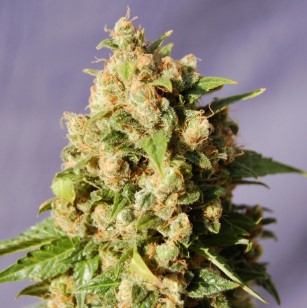
Lucid Dream Kush inherits its vigorous vegetative growth from its sativa side (Lucid Dream) and compact flowering behavior from OG Kush. It thrives in controlled environments and responds very well to structured training, nutrient precision, and optimized light spectrums.
Growth Phases and Environmental Targets
| Phase | Temp (°C) Day | Temp (°C) Night | RH% | Light Hours | CO₂ (ppm) |
|---|---|---|---|---|---|
| Seedling | 22–25 | 20–22 | 65–70 | 18/6 | ~400 |
| Vegetative | 24–28 | 20–23 | 55–65 | 18/6 | 800–1000 |
| Flowering | 20–26 | 18–21 | 45–50 | 12/12 | 1000–1200 |
| Late Flowering | 18–23 | 16–19 | 35–45 | 12/12 | 800–1000 |
- Note: Slightly lowering temperature in late flowering improves trichome density and brings out purple hues due to anthocyanin expression.
Medium and Root Environment
Best Mediums:
- Soilless (Coco Coir + Perlite): Enables tighter control of nutrient delivery.
- Living Soil: Supports terpene expression and improves microbial synergy.
- Hydroponics (DWC or NFT): Increases growth rate and yield but requires strict pH/EC control.

Root Zone Targets:
- pH: 5.8–6.2 in hydro/coco; 6.3–6.8 in soil.
- EC: 1.2–1.8 (veg), 1.8–2.2 (flower).
- O₂ levels: High dissolved oxygen is critical, especially in hydro setups.
Lighting Strategy
Lucid Dream Kush performs best under high-intensity full-spectrum lighting due to its sativa influence, especially in early flower. Ideal lighting conditions:
Vegetative Stage:
- PPFD: 400–600 µmol/m²/s
- Type: Full-spectrum white LED or MH
- Duration: 18–20 hours light
Flowering Stage:
- PPFD: 700–1000 µmol/m²/s
- Type: Full-spectrum LED with far-red + UVB supplementation
- Duration: 12 hours light
UVB Enhancement:
- Increases THC and terpene production
- Use during the last 2–3 weeks for 2–4 hours daily (carefully monitored)
Nutrient Profile and Feeding
Lucid Dream Kush has medium to high nutrient demand, particularly in phosphorus, potassium, magnesium, and micronutrients during flowering. It also benefits from supplemental silicon for stronger cell walls.
Macronutrient Targets (PPM):
| Element | Veg | Early Flower | Peak Flower |
|---|---|---|---|
| Nitrogen (N) | 200–250 | 100–150 | 50–80 |
| Phosphorus (P) | 50–80 | 80–100 | 100–120 |
| Potassium (K) | 200–250 | 250–300 | 300–350 |
| Calcium (Ca) | 100–150 | 150 | 150 |
| Magnesium (Mg) | 50–75 | 75–90 | 100 |
Micronutrients:
- Boron, Zinc, Iron: Boosts photosynthetic activity.
- Silicon: Increases resistance to pests and mechanical stress.
Feeding Style:
- Coco/Hydro: Daily fertigation with full-spectrum nutrients, 10–20% runoff.
- Soil: Top-dressing with organic amendments like bat guano, seabird guano, kelp meal.
Training Techniques and Yield Optimization
Lucid Dream Kush is highly responsive to training, especially in the vegetative phase, due to its flexible branching and node spacing.
Recommended Techniques:
- Topping: Encourages lateral growth and higher Lucid Dream Kush bud count.
- Low-Stress Training (LST): Increases canopy evenness and light penetration.
- ScrOG (Screen of Green): Ideal for maximizing yield per m²; use trellis netting to maintain even canopy.
- Defoliation: Strategically remove fan leaves during mid-flower to expose bud sites.
Yield Metrics:
- Indoor (LED, optimized): 550–650 g/m²
- Outdoor (organic soil, full sun): 700–900 g/plant
Pest and Disease Management
Lucid Dream Kush is moderately resistant but still vulnerable to common threats. Prevention is key.
Common Issues:
- Powdery Mildew: Prevent via airflow, RH control, and neem foliar sprays.
- Fungus Gnats: Use Bacillus thuringiensis (Bt) or yellow sticky traps.
- Spider Mites: Weekly neem/rosemary oil application in veg.
- Root Rot (in hydro): Maintain high oxygenation, use beneficial microbes (e.g., Trichoderma).
Biocontrol:
- Mycorrhizal fungi: Improves nutrient uptake and root health.
- Bacillus subtilis: Biological defense against fungal pathogens.
- Predatory mites (Phytoseiulus spp.): Control spider mite outbreaks organically.
Harvest Timing and Post-Processing
Lucid Dream Kush produces dense, resinous buds. Correct harvest timing optimizes cannabinoid balance and terpene retention.
Harvest Indicators:
- Trichomes: 10% clear, 70% milky, 20% amber for balanced effects.
- Pistils: 80–90% darkened and curled in.
- Aroma: Strong sweet-pine-citrus bouquet intensifies near peak ripeness.
Post-Harvest:
- Drying: 60°F (15.5°C), 60% RH, in the dark for 10–14 days.
- Curing: Mason jars, burped daily for 2 weeks, then weekly for 4–6 more weeks.
- Storage: Airtight containers in cool, dark place (~58–62% RH).
Proper curing dramatically enhances smoothness, flavor, and psychotropic stability of Lucid Dream Kush.
Breeding Potential and Genetic Stability
Lucid Dream Kush is often used in breeding projects due to its stable hybrid vigor, resin production, and diverse terpene profile. Its genetics are moderately stable, with minimal hermaphroditism risk under stress.
Traits Passed in Crosses:
- Sativa structure with high calyx-to-leaf ratio
- Terpene richness (limonene, caryophyllene)
- Resinous, high-THC flowers
Summary of Optimal Cultivation Conditions
| Variable | Ideal Range/Strategy |
|---|---|
| Medium | Coco/perlite or living soil |
| Light Type | Full-spectrum LED with supplemental UVB |
| Nutrients | High P/K in flower; full micronutrient suite |
| RH | 45–65% depending on stage |
| Training | Topping + LST + ScrOG |
| Yield (indoor) | 550–650 g/m² |
| Pest Prevention | Neem, Bt, predatory mites, silica |
| Harvest Window | 8.5–10 weeks flower |
| Terpene Preservation | Slow drying + multi-week cure |
Cannabinoid Profile
Lucid Dream Kush is known for high THC levels, typically ranging from 20% to 26%, with trace to moderate levels of CBD (0.1–0.6%). The presence of minor cannabinoids further enhances its entourage effect.
| Cannabinoid | Typical Concentration |
|---|---|
| THC | 20–26% |
| CBD | 0.1–0.6% |
| CBG | 0.5–1% |
| CBC | 0.3–0.8% |
| THCV | 0.2–0.4% |
Functional Roles
- THC: Primary psychoactive agent, induces euphoria, creativity, and relaxation.
- CBD: Modulates THC effects, offers anxiolytic and neuroprotective properties.
- CBG & CBC: Provide neuroprotective and anti-inflammatory benefits.
- THCV: Appetite suppressant and focus enhancer.
Terpene Profile and Effects
Lucid Dream Kush is terpene-rich, contributing to its aroma, flavor, and therapeutic effects. Dominant terpenes include:
| Terpene | Aroma/Flavor | Effects/Benefits |
|---|---|---|
| Myrcene | Earthy, musky, herbal | Sedation, muscle relaxation |
| Limonene | Citrus, lemon | Uplifting mood, antidepressant |
| Pinene | Pine, herbal | Alertness, bronchodilation |
| Caryophyllene | Peppery, spicy | Anti-inflammatory, pain relief |
| Terpinolene | Fruity, floral | Mild sedation, antioxidant properties |
Synergistic Effects
The combination of myrcene and limonene enhances mood elevation while pinene and caryophyllene provide cognitive clarity and anti-inflammatory support. These terpenes help modulate THC’s psychoactivity, preventing overwhelming highs.
Recreational Uses
Lucid Dream Kush offers a balanced experience that begins with a cerebral uplift and creative euphoria, followed by a mellow body relaxation without intense couch-lock. This makes it ideal for:
a. Daytime or Late Afternoon Use
- Enhances focus, creativity, and motivation.
- Offers stress relief without severe sedation.
b. Social Settings
- Promotes euphoric conversations and laughter.
- A popular option for artistic collaboration or music appreciation.
c. Activities
- Great for creative projects, writing, gaming, and light outdoor activities like hiking or gardening.
- May increase sensory perception, ideal for film watching or music sessions.
Notable Recreational Effects
- Euphoric onset
- Dream-like mental state
- Heightened sensory perception
- Mild physical relaxation
- Sustained focus (at low to moderate doses)
Medical Uses and Clinical Relevance
Lucid Dream Kush blends the euphoric clarity of sativa (Lucid Dream) with the soothing and analgesic properties of OG Kush, resulting in a chemotype that is high-THC (20–26%), moderate-CBG, and terpene-rich (myrcene, limonene, caryophyllene, pinene). Its therapeutic effects arise through multifaceted action on the endocannabinoid system (ECS), neurotransmitter regulation, and peripheral anti-inflammatory mechanisms.
Neurological and Psychiatric Conditions

A. Depression and Mood Disorders
Scientific Mechanism:
- THC activates CB1 receptors in the prefrontal cortex and nucleus accumbens, promoting dopamine release, enhancing reward signaling, and reducing anhedonia.
- Limonene modulates serotonin (5-HT1A) and dopaminergic pathways, exhibiting antidepressant effects in rodent and limited human studies.
- CBG contributes mild mood-stabilizing effects and may reduce cortisol levels.
Clinical Use:
- Useful for major depressive disorder (MDD), persistent depressive disorder, and seasonal affective disorder.
- Patients report improved motivation, energy, and hedonic tone without sedation.
B. Anxiety Disorders (GAD, Social Anxiety, Panic)
Mechanism:
- At low-to-moderate doses, Lucid Dream Kush’s CBD, limonene, and myrcene interact to reduce amygdala overactivation and HPA axis stress response.
- Myrcene increases GABAergic tone, producing calming effects.
- Caryophyllene, as a CB2 agonist, reduces neuroinflammation linked to anxiety pathology.
Caveat:
- High doses of THC may induce paranoia or acute anxiety, especially in THC-sensitive individuals or those with panic history.
C. PTSD and Trauma-Related Disorders
Mechanism:
- CB1 receptor activation reduces the retrieval of traumatic memories.
- THC modulates fear extinction and emotional salience processing.
- Caryophyllene may reduce limbic inflammation, promoting emotional resilience.
Applications:
- Reduces nightmares, flashbacks, and hypervigilance.
- Improves sleep and emotional regulation.
D. ADHD and Cognitive Dysregulation
Key Players:
- Pinene enhances alertness and inhibits acetylcholinesterase, improving memory retention and focus.
- THCV (present in trace amounts) may act as a CB1 antagonist at low doses, sharpening cognition and reducing impulsivity.
Clinical Observations:
- Users report enhanced executive function, mental clarity, and task engagement, particularly during creative or detail-oriented work.
Chronic and Neuropathic Pain
Lucid Dream Kush is effective for various nociceptive and neuropathic pain syndromes due to its combined central and peripheral analgesic actions.
A. THC-Mediated Analgesia
- Binds CB1 receptors in spinal cord dorsal horn and brain, inhibiting nociceptive transmission.
- Activates TRPV1 channels, modulating peripheral pain perception.
B. Caryophyllene (CB2 Agonist)
- Reduces peripheral inflammation, cytokine production, and pain signaling without psychoactivity.
C. Terpenoid Synergy
- Myrcene acts as a muscle relaxant and sedative, potentiating THC.
- Linalool (trace) enhances pain relief and mood stabilization.
Medical Targets:
- Chronic lower back pain
- Fibromyalgia
- Arthritis
- Sciatica
- Diabetic neuropathy
Inflammatory Disorders and Autoimmunity
Lucid Dream Kush’s cannabinoids and terpenes modulate immune responses through ECS-immune axis regulation.
A. Mechanisms of Anti-Inflammatory Action
- THC and CBD suppress NF-κB, reducing pro-inflammatory cytokines like TNF-α, IL-6, and IL-1β.
- Caryophyllene binds CB2 receptors in immune cells, reducing systemic inflammation.
- Pinene and limonene exhibit antioxidant activity, neutralizing ROS.
Conditions Supported:
- IBD (Crohn’s disease, ulcerative colitis)
- Multiple sclerosis (MS)
- Lupus
- Psoriasis
- Asthma (with bronchodilating pinene)
Gastrointestinal Disorders and Nausea
Lucid Dream Kush supports GI health via anti-inflammatory, antiemetic, and motility-regulating effects.
A. Nausea and Vomiting (esp. chemo-related)
- THC is a proven antiemetic via CB1 modulation in the dorsal vagal complex.
- Terpenes like limonene and linalool enhance gastrointestinal comfort.
B. IBS and Cramping
- CBD and myrcene modulate intestinal motility and smooth muscle spasms.
- THC reduces visceral pain from inflamed bowel tissue.
Sleep Disorders
Though not a knockout sedative, Lucid Dream Kush promotes sleep latency reduction and sleep maintenance, especially in mood-disordered or pain patients.
Biphasic THC Behavior:
- Low doses may be mildly alerting.
- Higher evening doses lead to physical relaxation, reduced REM density (which helps PTSD patients), and faster sleep onset.
Mechanisms:
- Myrcene induces sedation via GABA-A receptor potentiation.
- THC reduces REM stage, limiting nightmares.
- Linalool and terpinolene (if present) deepen sleep architecture.
Appetite Stimulation and Weight Management
A. For Cachexia or Anorexia
- THC activates hypothalamic CB1 receptors, increasing ghrelin release and promoting appetite.
- Useful in cancer, HIV/AIDS, or eating disorder patients needing caloric intake support.
B. For Metabolic Syndrome (low doses)
- THCV in trace amounts may counteract overeating via CB1 antagonism, but effects are dose-specific and context-dependent.
Neuroprotection and Anti-Seizure Potential
Lucid Dream Kush contains CBG, pinene, limonene, and CBD, which together support neuroprotective functions.
Mechanisms:
- CBG and CBD reduce oxidative stress and glutamate excitotoxicity.
- Pinene protects against β-amyloid toxicity, potentially supporting Alzheimer’s disease research.
- Anti-convulsant synergy in CBG + limonene is currently under animal model investigation.
Applications:
- Early-stage neurodegeneration (Alzheimer’s, Parkinson’s)
- Traumatic brain injury (TBI)
- Possibly useful for epilepsy, though less studied than high-CBD strains.
Cancer Symptom Management (Adjunctive Use)
While not a direct anti-cancer agent, Lucid Dream Kush helps manage symptoms associated with chemotherapy and cancer itself.
Supportive Roles:
- Pain control
- Nausea relief
- Appetite stimulation
- Sleep improvement
- Mood stabilization
Emerging preclinical data suggests cannabinoids like THC and CBG may have anti-proliferative effects, though clinical confirmation is pending.
Scientific Summary: Therapeutic Targets by Pathway
| Condition | Key Cannabinoids/Terpenes | Primary Mechanism |
|---|---|---|
| Depression | THC, limonene, CBG | Dopamine/serotonin upregulation |
| Anxiety/PTSD | CBD, myrcene, caryophyllene | GABAergic tone, amygdala modulation |
| Chronic Pain | THC, caryophyllene, myrcene | CB1/CB2 activation, TRPV1 desensitization |
| Inflammation (IBD, MS) | CBD, THC, caryophyllene, pinene | NF-κB inhibition, CB2 activation |
| GI disorders/Nausea | THC, limonene | CB1 gut modulation, vagal antiemetic control |
| ADHD/Cognition | THCV, pinene | Acetylcholinesterase inhibition, attention boosting |
| Sleep disorders | THC, myrcene, linalool | GABA modulation, REM suppression |
| Appetite loss | THC | Ghrelin stimulation, hypothalamic CB1 activation |
Potential Side Effects
Despite being typically well-tolerated, certain users might encounter:
| Side Effect | Frequency | Mitigation Strategy |
|---|---|---|
| Dry mouth | Common | Stay hydrated |
| Dry/red eyes | Common | Use lubricating eye drops |
| Dizziness | Occasional | Avoid rapid movement, lower dose |
| Anxiety/paranoia | Rare | Lower dosage, use strains with CBD |
| Mild sedation | Dose-dependent | Use earlier in the day |
These effects are generally dose-dependent and more likely to occur in THC-sensitive individuals or at high doses.
Scientific and Clinical Research
While Lucid Dream Kush specifically hasn’t been the direct subject of clinical trials, research into its parent strains and dominant cannabinoids/terpenes supports its therapeutic applications.
Relevant Scientific Studies:
- Limonene has been shown to have anxiolytic and antidepressant properties in both human and animal models via 5-HT1A receptor modulation.
- Caryophyllene is a known CB2 agonist with clinical applications in inflammation, neuropathic pain, and colitis.
- Pinene may enhance memory retention and bronchodilation, countering THC-induced short-term memory disruption.
- THC and CBD combinations have been investigated for PTSD, chronic pain, and spasticity, aligning with Lucid Dream Kush’s clinical promise.
Comparative Advantage and Niche
Lucid Dream Kush occupies a unique space in the cannabis landscape by offering:
- Balanced euphoria without incapacitating sedation.
- Cognitive stimulation useful for mental tasks.
- Anti-inflammatory and analgesic potential suitable for chronic conditions.
- Versatility in dose-dependent outcomes (e.g., energizing at low doses, sedating at higher ones).
It can be seen as a middle ground between highly stimulating sativas and heavily sedating indicas, making it suitable for users seeking controlled psychoactivity with broad medical coverage.
Consumer and Patient Profiles
Ideal for:
- Patients with chronic stress, ADHD, or mild depression.
- Individuals needing functional relief from pain during the day.
- Creative professionals, musicians, writers, or designers seeking inspiration.
Not Ideal for:
- New cannabis users sensitive to high-THC strains.
- Individuals with a history of cannabis-induced anxiety.
- Users seeking purely sedative or couch-lock effects.
Conclusion
Lucid Dream Kush is a scientifically intriguing and therapeutically promising cannabis strain that masterfully combines the cerebral stimulation of Lucid Dream with the grounding body effects of OG Kush. With a diverse cannabinoid and terpene profile, it offers wide-ranging benefits across recreational and medical contexts.
Its dream-like clarity, balanced energy, and anti-inflammatory potential position it as a versatile strain suitable for day-to-night transition, especially for users seeking mental clarity, creativity, and sustained physical relief. While not ideal for those seeking deep sedation, it is a go-to strain for balanced, functional cannabis therapy.
For a complete directory of cultivars, visit our Cannabis Strain Reviews.
