Table of Contents
Lowryder is a well-known autoflowering cannabis strain that has revolutionized cannabis cultivation for hobbyists and commercial growers alike. Developed by The Joint Doctor, Lowryder was among the first autoflowering strains to hit the market. Its creation stemmed from a need for a fast-flowering, compact, and discreet strain that could thrive in diverse environments. Lowryder owes its autoflowering capabilities to the inclusion of Cannabis ruderalis genetics, a subspecies of cannabis known for its automatic flowering trait, regardless of light cycles.
This strain is a hybrid derived from a three-way cross of:
- Northern Lights #2: A classic indica-dominant strain valued for its relaxing effects and high resin production.
- William’s Wonder: A potent indica with a sweet, citrusy profile.
- Ruderalis: Responsible for the autoflowering trait.
Lowryder’s compact structure and rapid flowering make it particularly appealing to those seeking a quick turnaround or growers with limited space. It generally grows to a height of 12-16 inches, making it ideal for stealth operations.
Appearance, Aroma, and Flavor Profile
Appearance:
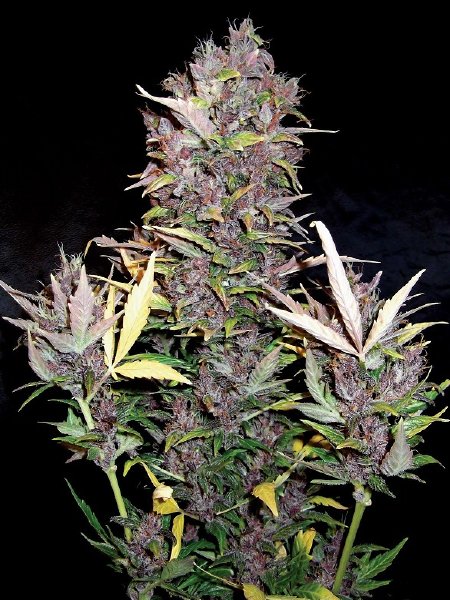
Lowryder plants are small and bushy, with tight internodal spacing and small, dense buds. The buds have a frosty appearance because to the thick layer of trichomes covering them. The strain exhibits a classic indica structure with broad leaves and a stocky build.
Aroma:
Lowryder’s aroma is a balanced mix of earthy, piney, and citrusy notes. Upon breaking the buds, you may detect hints of spice and sweetness, reminiscent of its Northern Lights and William’s Wonder parentage.
Flavor:
When smoked or vaporized, Lowryder delivers a smooth and pleasant flavor profile. Users often report tasting earthy and herbal tones, with subtle undertones of citrus and sweetness. The flavor is mild and well-balanced, making it suitable for novice users who prefer less pungent strains.
Cannabinoid and Terpene Profile
Cannabinoids:
- THC Content: Lowryder typically has a THC concentration ranging from 12% to 16%, making it a moderate-strength strain suitable for users seeking a balanced experience.
- CBD Content: CBD levels in Lowryder are usually low, ranging from 0.2% to 1%.
Terpenes:
Lowryder’s terpene profile contributes significantly to its effects and aroma. The dominant terpenes include:
- Myrcene: Known for its earthy aroma and relaxing effects, myrcene enhances Lowryder’s sedative properties.
- Pinene: Provides piney notes and may help with alertness and focus.
- Limonene: Adds citrusy undertones and contributes to mood elevation.
- Caryophyllene: Offers a spicy kick and may have anti-inflammatory benefits.
Growing Information
Lowryder is one of the easiest cannabis strains to grow, making it an excellent choice for beginners. Here’s a detailed guide to its cultivation:
Genetic Foundation of Autoflowering
Lowryder’s autoflowering trait stems from its Cannabis ruderalis lineage, which evolved in regions with short growing seasons and limited sunlight. This genetic adaptation allows the plant to flower automatically after a specific period, rather than relying on light cycles. This unique trait eliminates the need for photoperiod manipulation, making Lowryder ideal for beginners and those with less controlled growing environments.
- Gene Expression: The autoflowering trait is regulated by specific genes, such as CONSTANS (CO), which affect the plant’s flowering timing independently of light exposure.
- Implications for Breeding: Autoflowering strains like Lowryder are prized for their ability to complete their lifecycle in 8–9 weeks, making them suitable for regions with short growing seasons.
Light Requirements
Since Lowryder does not rely on photoperiodism, consistent light exposure is key to maximizing its yield and potency.
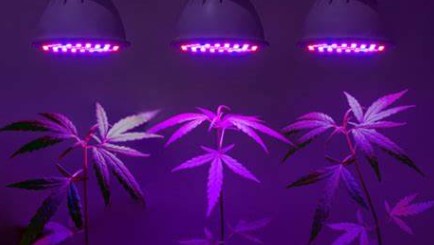
- Optimal Light Schedule: Research suggests that 18–20 hours of light per day ensures vigorous growth and maximized photosynthetic activity. Some growers even use a 24-hour light cycle to boost energy input during vegetative growth.
- Light Intensity: Maintaining a Photosynthetic Photon Flux Density (PPFD) of 600–900 µmol/m²/s is ideal for Lowryder. LED lights with a balanced red and blue spectrum are particularly effective.
Nutrient Uptake and Fertilization
Lowryder’s compact size and quick growth cycle mean its nutrient uptake differs from that of photoperiod strains. Autoflowers are more sensitive to overfeeding, requiring precise nutrient management.
- Seedling Stage: Few nutrients with an emphasis on root growth. Use a light nutrient mix with low nitrogen concentrations (100–150 ppm).
- Vegetative Stage: Moderate nitrogen levels to support rapid foliage growth. 3-1-2 is the ideal NPK ratio.
- Flowering Stage: Transition to a phosphorus- and potassium-rich diet (e.g., 1-3-4) to enhance bud formation and resin production.
- Micronutrients: Supplement calcium, magnesium, and trace elements like iron and zinc to prevent deficiencies common in autoflowers.
- Soil pH: Maintain a soil pH of 6.0–6.5 for optimal nutrient absorption. In hydroponic systems, aim for a pH of 5.5–6.0.
Soil and Growing Medium
Lowryder thrives in light, well-draining soils that allow for strong root development. Scientific principles guide substrate selection for autoflowering strains:
- Soil Composition: Use a mix of peat moss, perlite, and vermiculite to ensure proper aeration and water retention.
- Hydroponics: Lowryder adapts well to hydroponic systems due to its short growth cycle. Systems like Deep Water Culture (DWC) or nutrient film technique (NFT) provide precise control over nutrient delivery.
- Mycorrhizal Fungi: Incorporating beneficial fungi can enhance nutrient uptake and improve root health, particularly in organic soil setups.
Watering Techniques
Autoflowers like Lowryder are highly sensitive to overwatering, which can stunt their growth due to their short lifecycle. Scientific watering practices include:
- Water Volume: Apply water in small, consistent amounts to avoid saturating the soil.
- Irrigation Timing: Water when the top inch of soil feels dry to maintain proper root oxygenation.
- EC Levels: In hydroponics, monitor electrical conductivity (EC) to ensure proper nutrient concentrations, targeting an EC of 1.2–1.8 during vegetative growth and 1.8–2.2 during flowering.
Temperature and Humidity
Lowryder’s genetics allow it to thrive in a range of environmental conditions, but optimizing temperature and humidity levels enhances its performance.
- Optimal Temperature: Maintain temperatures of 70–80°F (21–27°C) during the day and 65–75°F (18–24°C) at night.
- Relative Humidity (RH): Seedling Stage: 65–70%, Vegetative Stage: 50–60%, Flowering Stage: 40–50%
- Vapor Pressure Deficit (VPD): Aim for a VPD of 0.8–1.2 kPa during flowering for ideal transpiration and nutrient uptake.
CO2 Supplementation
Supplementing carbon dioxide (CO2) can enhance photosynthetic efficiency, particularly in controlled indoor environments. Lowryder’s compact size and short lifecycle make CO2 supplementation highly effective for increasing yields.
- Optimal CO2 Levels: Maintain 1000–1500 ppm during the vegetative and early flowering stages.
- Delivery Methods: Use CO2 tanks or generators with a closed-loop ventilation system to ensure consistent levels.
Training Techniques
Lowryder’s small stature and limited vegetative period restrict the use of high-stress training (HST). Instead, low-stress training (LST) methods are preferred:
- Bending and Tying: Gently bend branches to improve light penetration and airflow.
- Defoliation: Remove small, lower leaves that receive little light to direct energy toward the main colas.
- Sea of Green (SOG): Plant multiple Lowryder plants closely together to maximize space and yield.
Pest and Disease Management
Lowryder’s ruderalis genetics provide natural resistance to pests and diseases, but preventive measures are essential for healthy growth.
- Integrated Pest Management (IPM): Introduce beneficial insects like ladybugs or predatory mites. Use neem oil or insecticidal soaps as organic deterrents.
- Common Issues:
- Powdery Mildew: Maintain proper humidity levels and airflow to prevent fungal infections.
- Root Rot: Avoid overwatering and ensure adequate drainage.
Harvesting and Post-Harvest Science
Lowryder’s quick lifecycle requires precise timing for harvesting to ensure optimal cannabinoid and terpene profiles.
- Trichome Analysis: Use a magnifying lens to examine trichomes. Harvest when trichomes are mostly cloudy with a few amber tips for maximum potency and effect.
- Drying and Curing: Dry in a dark, ventilated space at 60–70°F (15–21°C) and 50–60% RH. Cure in airtight containers for 2–4 weeks, burping daily to release moisture and preserve terpenes.
Recreational Uses
Lowryder is favored by recreational users for its balanced effects, which lean slightly toward the indica side. Here’s a breakdown of its recreational appeal:

Effects:
- Relaxation: The indica dominance ensures a calming and relaxing experience, making it ideal for unwinding after a long day.
- Euphoria: The mild THC content provides a gentle cerebral high characterized by happiness and light euphoria.
- Sociability: Lowryder’s balanced effects make it suitable for social settings, allowing users to remain relaxed yet engaged.
- Mild Sedation: At higher doses, it can induce a sedative effect, making it a good choice for evening or nighttime use.
Ideal Scenarios for Use:
- Enjoying a movie or book while unwinding at home.
- Social gatherings where a mild, non-overwhelming high is desired.
- Creative activities such as drawing or writing.
- Preparing for sleep without the risk of a groggy morning.
Medical Uses
Lowryder’s moderate THC levels and balanced effects make it a valuable strain for medicinal cannabis users. It offers relief for various conditions without being overpowering.
Conditions Treated:
- Chronic Pain:
- The strain’s analgesic properties help alleviate mild to moderate pain, including headaches, muscle aches, and arthritis.
- Stress and Anxiety:
- The calming effects of myrcene and limonene contribute to reducing stress and anxiety, promoting mental relaxation.
- Insomnia:
- At higher doses, Lowryder’s sedative properties can help users fall asleep and maintain restful sleep.
- Appetite Stimulation:
- Like many cannabis strains, Lowryder can help stimulate appetite, making it beneficial for individuals undergoing treatments like chemotherapy.
- Depression:
- The uplifting cerebral effects and mood enhancement provided by limonene and caryophyllene may assist in managing symptoms of depression.
Methods of Consumption:
1. Smoking
Overview:
Smoking is the most traditional method of consuming Lowryder. The combustion of plant material releases cannabinoids and terpenes, which are rapidly absorbed through the lungs.
Onset:
- Time: Effects are felt within 1–5 minutes as cannabinoids enter the bloodstream almost immediately through the alveoli in the lungs.
- Mechanism: The high bioavailability of inhalation (~20-30%) ensures that THC, CBD, and terpenes quickly cross the blood-brain barrier.
Duration:
- Total Duration: 1–3 hours.
- Peak Effects: Occur within the first 30 minutes.
Advantages:
- Rapid onset makes it ideal for users seeking immediate relief from pain or anxiety.
- Smoking preserves a significant portion of Lowryder’s terpene profile, delivering a flavorful experience.
Drawbacks:
- Combustion can produce harmful byproducts, such as tar and carbon monoxide, potentially irritating the respiratory system.
- Not ideal for long-lasting effects.
2. Vaporization (Vaping)
Overview:
Vaporizing heats the cannabis flower or concentrate to a temperature below combustion (around 180–220°C or 356–428°F), releasing cannabinoids and terpenes as vapor rather than smoke.
Onset:
- Time: Similar to smoking, effects begin within 1–5 minutes.
- Mechanism: Vaporized cannabinoids are absorbed through the lungs, avoiding the harmful byproducts of combustion.
Duration:
- Total Duration: 1.5–3 hours.
- Peak Effects: Peak at around 20–40 minutes.
Advantages:
- Safer and less harsh than smoking, as it reduces exposure to carcinogens.
- Preserves terpenes and provides a more pronounced flavor profile.
- Allows precise control over temperature, tailoring the release of specific terpenes (e.g., myrcene at 167°C, limonene at 176°C).
Drawbacks:
- Requires investment in a vaporizer.
- Effects may dissipate more quickly compared to edibles or tinctures.
3. Edibles
Overview:
Edibles involve consuming Lowryder-infused food or drinks. THC and other cannabinoids are metabolized through the digestive system and liver before entering the bloodstream.

Onset:
- Time: 30–90 minutes, depending on metabolism, stomach contents, and individual tolerance.
- Mechanism: THC is converted into 11-hydroxy-THC by the liver, a more potent psychoactive metabolite that contributes to the longer-lasting and often more intense effects of edibles.
Duration:
- Total Duration: 4–8 hours or more.
- Peak Effects: Occur 2–4 hours after ingestion.
Advantages:
- Long-lasting effects, ideal for sustained symptom relief (e.g., chronic pain, insomnia).
- Discreet consumption without smoke or vapor.
Drawbacks:
- Slow onset can make dosing difficult, leading to overconsumption.
- The potency of 11-hydroxy-THC can be overwhelming for inexperienced users.
4. Sublingual (Tinctures and Oils)
Overview:
Lowryder-infused tinctures or oils can be placed under the tongue for sublingual absorption. Cannabinoids bypass the digestive system and enter the bloodstream through capillaries under the tongue.
Onset:
- Time: 10–30 minutes, faster than edibles but slower than smoking or vaping.
- Mechanism: Cannabinoids directly enter the bloodstream via the sublingual mucosa, avoiding first-pass liver metabolism.
Duration:
- Total Duration: 3–6 hours.
- Peak Effects: Within 30–60 minutes.
Advantages:
- Precise dosing and fast onset compared to edibles.
- No harmful byproducts associated with combustion.
- Suitable for medical users who require discreet and consistent dosing.
Drawbacks:
- Unlike edibles, effects could not last as long.
- May have a bitter taste depending on the preparation.
5. Topicals
Overview:
Lowryder-infused creams, balms, or transdermal patches are applied directly to the skin. Topicals are non-psychoactive unless specifically designed for transdermal delivery of THC.
Onset:
- Time: 15–30 minutes for localized effects.
- Mechanism: Cannabinoids bind to CB2 receptors in the skin and peripheral tissues without entering the bloodstream.
Duration:
- Total Duration: 2–6 hours for localized relief.
- Transdermal Patches: Can deliver cannabinoids over 12–24 hours.
Advantages:
- Excellent for localized pain relief, inflammation, or skin conditions.
- No psychoactive effects, making it ideal for medical users.
- Easy and safe to use.
Drawbacks:
- Limited to localized effects unless using transdermal products.
- Slow onset for deeper relief.
6. Dabbing (Concentrates)
Overview:
Dabbing involves vaporizing concentrated forms of Lowryder (e.g., wax, shatter, or resin) on a heated surface, producing potent vapor.
Onset:
- Time: Immediate effects within 1–3 minutes.
- Mechanism: High concentrations of THC and terpenes are absorbed almost instantly through the lungs.
Duration:
- Total Duration: 1–3 hours.
- Peak Effects: Within the first 15–30 minutes.
Advantages:
- Highly potent, delivering strong and immediate effects.
- Concentrates often have higher terpene content, enhancing flavor and therapeutic benefits.
- Small amounts are effective, making it efficient.
Drawbacks:
- May be overwhelming for inexperienced users.
- Requires specialized equipment and careful dosing.
- Rapid onset can lead to overconsumption.
Factors Influencing Onset and Duration
- Individual Metabolism: Faster metabolism shortens the onset for edibles but may reduce the duration of effects.
- Body Fat Content: THC is lipophilic and can bind to fat cells, influencing how long it stays in the system.
- Tolerance Levels: Regular users may experience reduced effects and shorter duration due to desensitization of CB1 receptors.
- Terpene Synergy: Myrcene, a dominant terpene in Lowryder, may enhance THC’s effects by facilitating its passage across the blood-brain barrier.
- Method of Preparation: Decarboxylation (activation of THC through heat) is crucial for edibles and tinctures to ensure psychoactivity.
Summary of Onset and Duration by Method
| Ingestion Method | Onset | Duration | Peak Effects | Bioavailability |
|---|---|---|---|---|
| Smoking | 1–5 minutes | 1–3 hours | 20–30 minutes | 20–30% |
| Vaporizing | 1–5 minutes | 1.5–3 hours | 20–40 minutes | 25–35% |
| Edibles | 30–90 minutes | 4–8+ hours | 2–4 hours | 4–20% (low first-pass) |
| Sublingual | 10–30 minutes | 3–6 hours | 30–60 minutes | 10–35% |
| Topicals | 15–30 minutes | 2–6 hours (localized) | N/A | N/A |
| Dabbing | 1–3 minutes | 1–3 hours | 15–30 minutes | 50–80% |
Scientific Insights into Lowryder
Lowryder’s development and characteristics have been studied extensively due to its unique autoflowering trait. The inclusion of Cannabis ruderalis genetics was a groundbreaking innovation that allowed the plant to flower independently of light cycles. Here’s an in-depth look at the scientific aspects of this strain:
Genetic Makeup:
- Lowryder’s ruderalis genes account for its short stature, rapid life cycle, and resilience in challenging environments.
- The hybridization with Northern Lights #2 and William’s Wonder introduced higher THC levels, improved flavor, and enhanced resin production.
Cannabinoid Biosynthesis:
- The strain’s moderate THC levels result from balanced biosynthesis pathways involving THCA synthase, which converts CBGA (cannabigerolic acid) into THCA (tetrahydrocannabinolic acid).
- The low CBD content suggests minimal expression of CBDA synthase genes, favoring THC dominance.
Terpene Synergy:
- Lowryder’s terpene profile, particularly the combination of myrcene, pinene, and limonene, contributes to the entourage effect. This phenomenon enhances the therapeutic potential of cannabinoids by modulating their effects.
Adaptability:
- The ruderalis genetics make Lowryder highly adaptable to varying light conditions, temperatures, and soil types. This adaptability has been a focal point for further breeding programs aiming to create more resilient cannabis strains.
Potential Side Effects
Like any cannabis strain, Lowryder is not without its side effects. But these are usually modest and controllable:
- Dry Mouth and Eyes: Common among cannabis users, these can be alleviated by staying hydrated and using eye drops.
- Dizziness: May occur in individuals sensitive to THC or those who consume large amounts.
- Paranoia: Rare, but possible in users prone to anxiety or when consumed in excessive doses.
- Mild Lethargy: The strain’s sedative effects can lead to laziness, especially at higher doses.
Comparisons to Similar Strains
Lowryder’s unique attributes set it apart, but it can be compared to other autoflowering strains:
- Auto Northern Lights: Shares the indica dominance and relaxing effects but has a higher THC concentration.
- Auto AK-47: Offers a more uplifting and energetic high, suitable for daytime use.
- White Widow Auto: Known for its balanced effects and higher yields, but requires more space than Lowryder.
Conclusion
Lowryder is a game-changing cannabis strain that combines ease of cultivation with versatile effects. Its moderate THC levels, compact size, and rapid flowering make it a favorite among growers and users alike. Whether you’re a recreational user seeking a mild, enjoyable high or a medical patient looking for relief from pain, stress, or insomnia, Lowryder delivers.
Scientifically, Lowryder’s significance lies in its pioneering role in autoflowering genetics, paving the way for future innovations in cannabis breeding. With proper care and attention, this strain can thrive in various environments, providing high-quality buds for both personal and medicinal use.
For a complete directory of cultivars, visit our Cannabis Strain Reviews.
