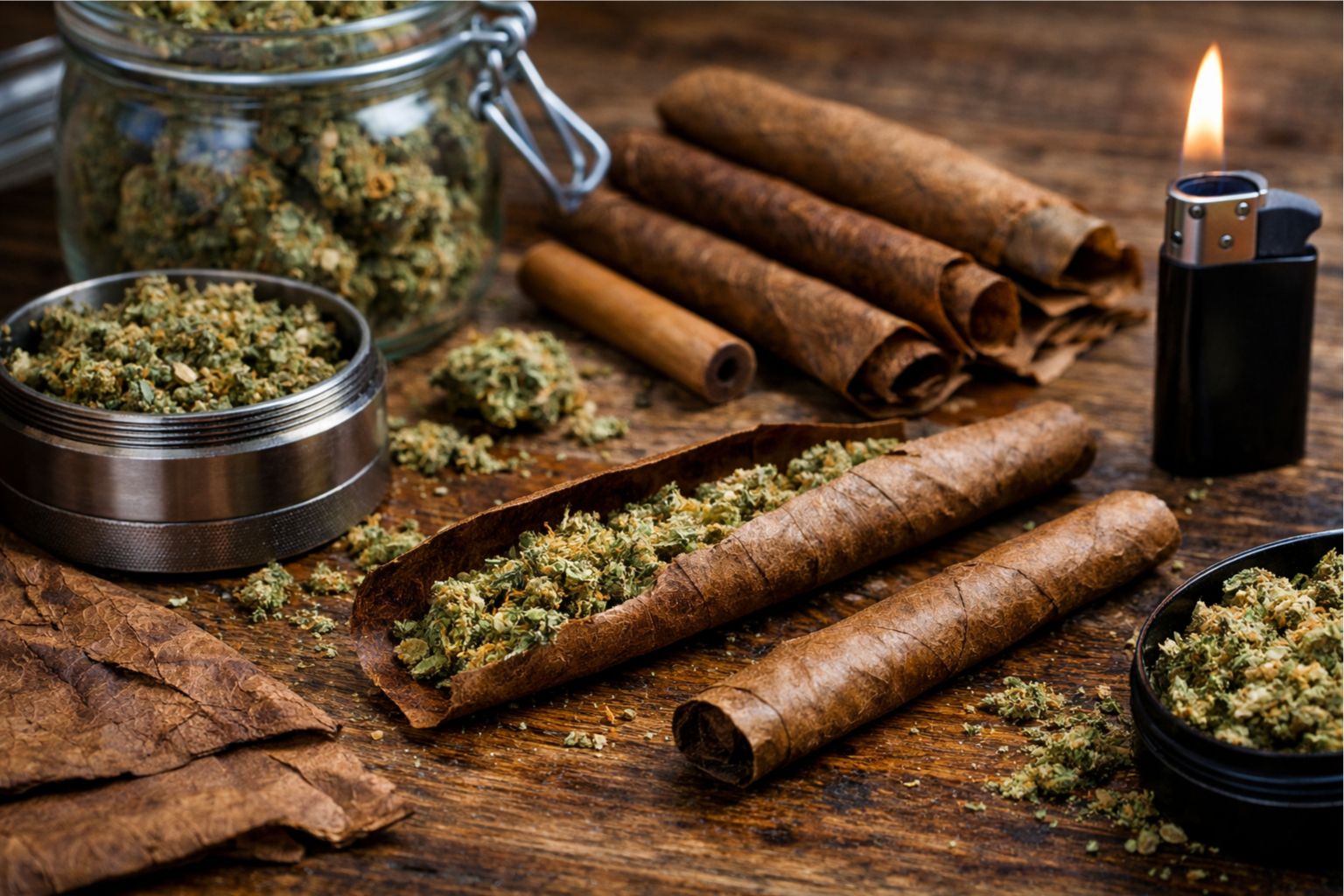
I’ve rolled plenty of paper joints, cones, and the occasional cigarillo re-wrap, but when I’m evaluating a new crop I keep coming back to loose leaf blunt wraps. The reason isn’t “bigger is better.” It’s that loose leaf blunt wraps force me to pay attention to everything that happened before the roll: how I dried, how I cured, how I stored, and how I prepped the flower. If any step was sloppy, the wrap exposes it fast.
Over the last few runs, I started treating rolling as the final quality-control check. If I can roll clean, stable loose leaf blunt wraps that burn evenly and taste true to the cultivar, it tells me my environment, nutrition, and post-harvest process are dialed. When the wrap can’t stay lit or it runs, I don’t blame the leaf first. I go back to the jar and the grow notes.
This post is my hands-on approach to making loose leaf blunt wraps work with homegrown cannabis, marijuana, and weed. I’ll cover the wrap itself, but I’ll also show you the grow and cure decisions that make rolling easier, the trade-offs, and the mistakes I still catch myself making.
What “Loose Leaf” Means (And What It Doesn’t)
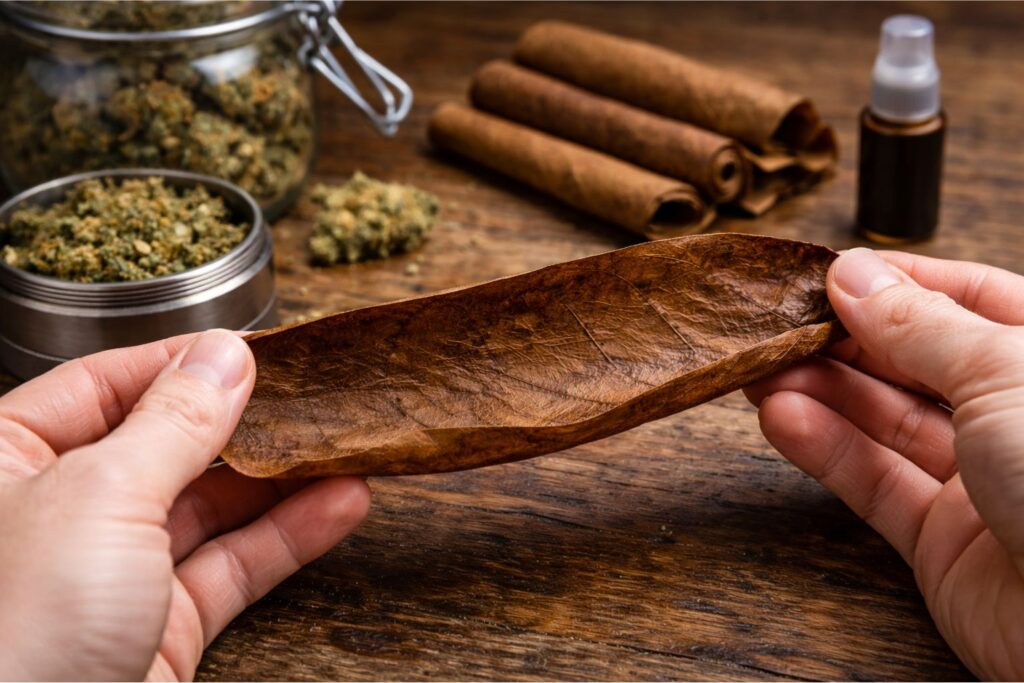
When I say “loose leaf,” I’m talking about a natural, pliable leaf wrap that you shape and seal yourself, not a pre-formed cone. A good leaf should:
- Be flexible without cracking
- Hold a seal with minimal adhesive
- Add as little harshness as possible
- Burn predictably at a steady pace
There are plenty of tobacco-free blunt wrap alternatives on the market, including hemp-based leaves and herbal leaves. I’m not here to crown a single “best” option, because your humidity, how you break down flower, and your rolling style matter more than the logo on the pack.
I also want to be clear about one practical reality: a leaf can change the flavor and burn. Even the best tobacco-free blunt wrap alternatives have a profile. The goal is to choose a leaf that complements your flower instead of overpowering it.
My Grower’s Checklist for Blunt-Worthy Flower
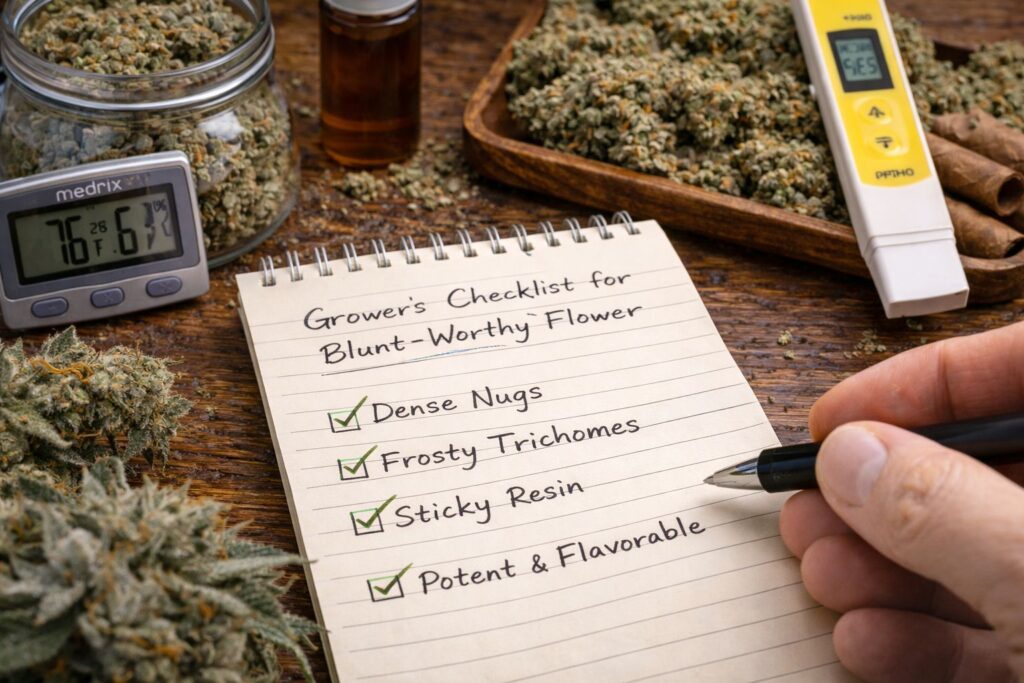
Before I even think about how to roll a loose leaf blunt, I look at the crop itself. A wrap is a magnifier. If your buds are too wet, too dry, or too leafy, you’ll fight the roll the whole time.
Genetics and Phenotypes: I Grow for Structure and Resin
I’m not chasing hype names. I’m chasing structure, density, and resin that stays aromatic through cure. When I’m selecting seeds, I ask myself:
- Does this cultivar finish with a firm calyx stack or fluffy foxtails?
- Are the trichomes plentiful and greasy, or dry and sandy?
- Does the plant throw a consistent phenotype across multiple seeds?
If I want feminized seeds for flavorful buds, I start with stable lines and take notes on each phenotype. On my last run, the standout plant wasn’t the tallest; it was the one that kept a loud aroma after drying and had a tight bud structure that rolled like a dream. That’s what I mean by feminized seeds for flavorful buds.
If you’re shopping for seeds, consider whether you’re buying feminized seeds or regular seeds. Feminized seeds can simplify canopy planning, and for a small tent they’re often my pick when I’m testing feminized seeds for flavorful buds without running extra plants.
Environment: The Numbers I Actually Watch
For flower that behaves well in a wrap, I care about terpene retention and a clean dry-down. In veg, I’m comfortable around:
- Temperature: 24–27°C lights on, a few degrees cooler lights off
- Relative humidity: 55–70% depending on plant size
- VPD: roughly 0.8–1.2 kPa as a working range
In flower, I gradually tighten the environment:
- Temperature: 22–26°C lights on
- Relative humidity: 45–55% early flower, 40–50% late flower
- VPD: about 1.2–1.5 kPa late flower, depending on cultivar response
Lighting matters too. I’ve had great results keeping canopy PPFD in the 700–900 range for many cultivars once they’re established in flower, assuming CO2 is ambient and the plant is healthy. Pushing harder can be productive, but it can also increase stress and make the cure less forgiving if you over-dry.
Nutrition and Medium: Soil vs. Hydro Without the Mythology
I’ve grown in both soil and hydro. Each can produce best homegrown weed for blunts, but the path is different.
In soil, I focus on steady watering cycles and avoiding swings. In hydro, I focus on stable EC and clean root zones. A practical way I think about it:
- Soil can buffer mistakes but demands patience and proper drying between irrigations.
- Hydro can drive rapid growth but punishes inconsistency fast.
No matter the medium, I avoid chasing maximum EC late flower. Overfeeding is one of the easiest ways to end up with harsh smoke that a leaf will not hide. If you run a meter, use it as a guardrail, not a trophy.
Pest and Mold Control: Clean Inputs Roll Better
A leaf wrap is not where I want to discover powdery mildew or pest residue. In my room, prevention is boring and effective:
- Keep airflow across and under the canopy
- Remove dying leaves promptly
- Quarantine clones and new plants
- Use sticky traps to monitor
If I need an intervention, I keep it targeted and early. Late-flower spraying is a last resort for me because it can complicate post-harvest curing for blunt rolling and leave aromas muted.
The Most Important Variable: Post-Harvest Curing for Blunt Rolling
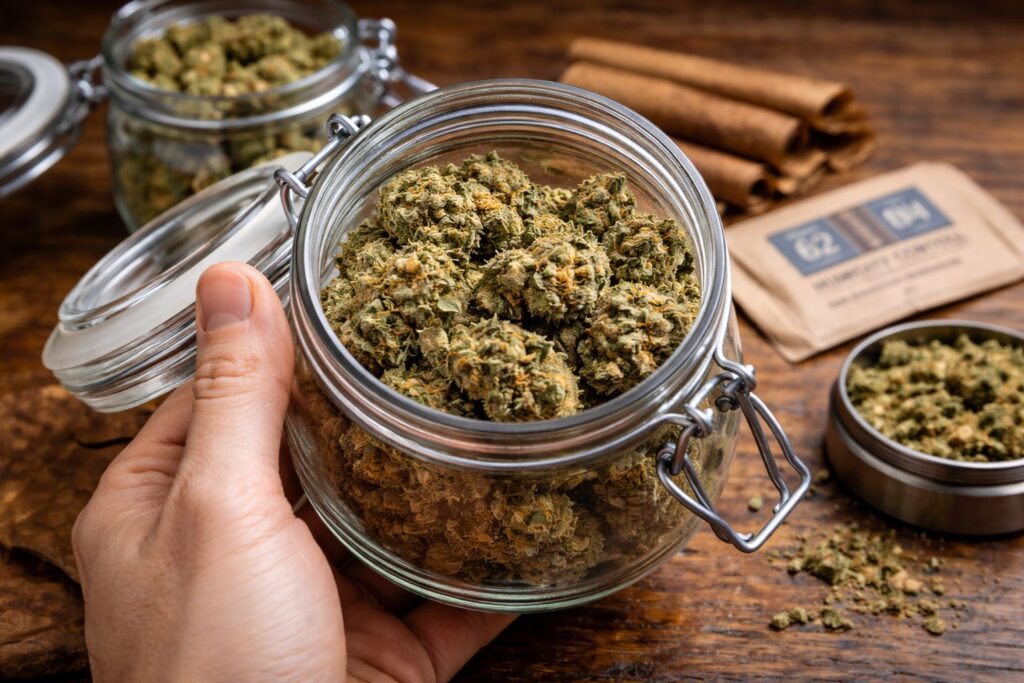
If you only take one thing from this, let it be this: post-harvest curing for blunt rolling is the difference between a wrap that behaves and one that fights you. I used to think curing was just “waiting.” Now I treat it like a controlled process.
Drying: Slow Enough to Protect Terpenes, Not So Slow It Risks Mold
My target is a slow dry that preserves smell and keeps the outer flower from turning crispy before the inside releases moisture. A practical range that works for many rooms:
- 18–21°C
- 55–60% relative humidity
- Gentle airflow, not a fan blasting buds
I hang whole branches when possible. When stems begin to snap rather than bend, I start checking buds for the feel I want in the jar.
Curing: Jar Feel, Not Guesswork
The jar tells the truth. For post-harvest curing for blunt rolling, I want buds that feel springy, not wet. When I squeeze, they should rebound instead of staying compressed.
This is where blunt wrap moisture level comes in. If the flower is too wet, the wrap won’t hold shape and it will canoe. If it’s too dry, it grinds to dust and the wrap burns too hot. I aim for a blunt wrap moisture level that lets flower stay cohesive when rolled but still breaks down evenly.
I burp jars early on, then reduce frequency as the moisture stabilizes. If I need humidity control, I use it conservatively. The point isn’t to rehydrate old weed; it’s to maintain the ideal window once I’ve achieved it.
Choosing Leaves: What I Look For in Tobacco-Free Blunt Wrap Alternatives
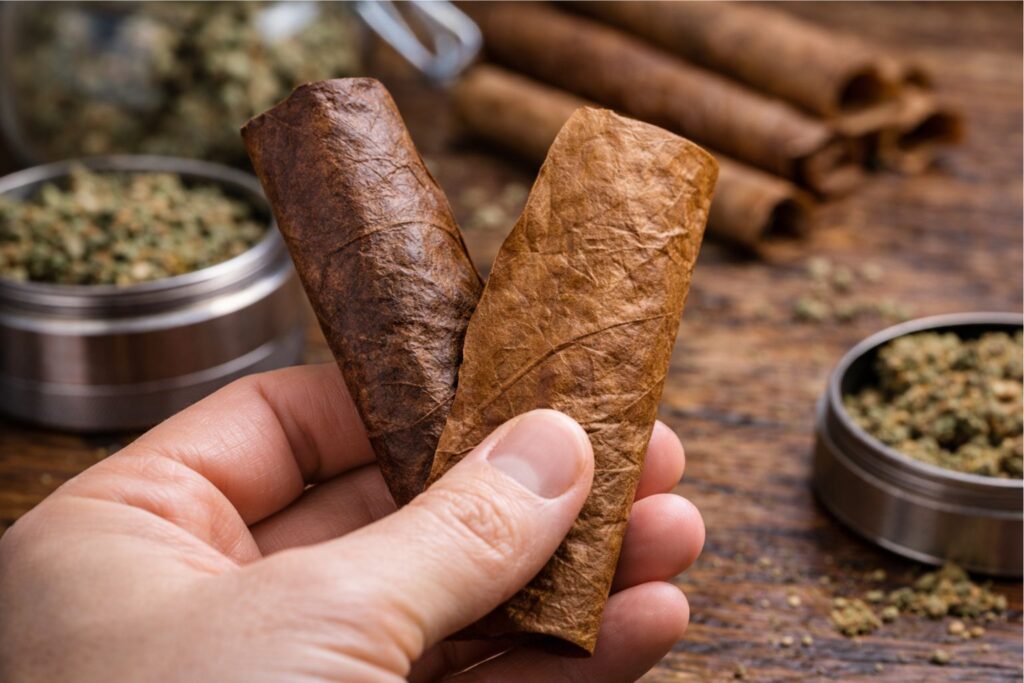
There are many tobacco-free blunt wrap alternatives. I choose based on flexibility, thickness, and how the leaf behaves in my local humidity.
Thickness and Burn Rate
A thicker leaf tends to burn slower but can mute flavor. A thinner leaf shows off terpenes but can be fragile. If I’m rolling a resin-heavy flower, I often prefer a slightly sturdier leaf to support an even burn.
Texture and Seal
If you struggle with how to roll a loose leaf blunt, don’t ignore the seal. Some leaves seal easily with light moisture and pressure. Others need more technique. I practice with empty leaves sometimes, just to learn how much pressure they want.
Flavor Neutrality
I’m always hunting for terpene-friendly blunt rolling. For me that means I choose a leaf that doesn’t turn my flower into “wrap flavor.” If I can taste the cultivar’s top notes, I’m close.
How I Prep Flower for a Cigar-Style Cannabis Wrap
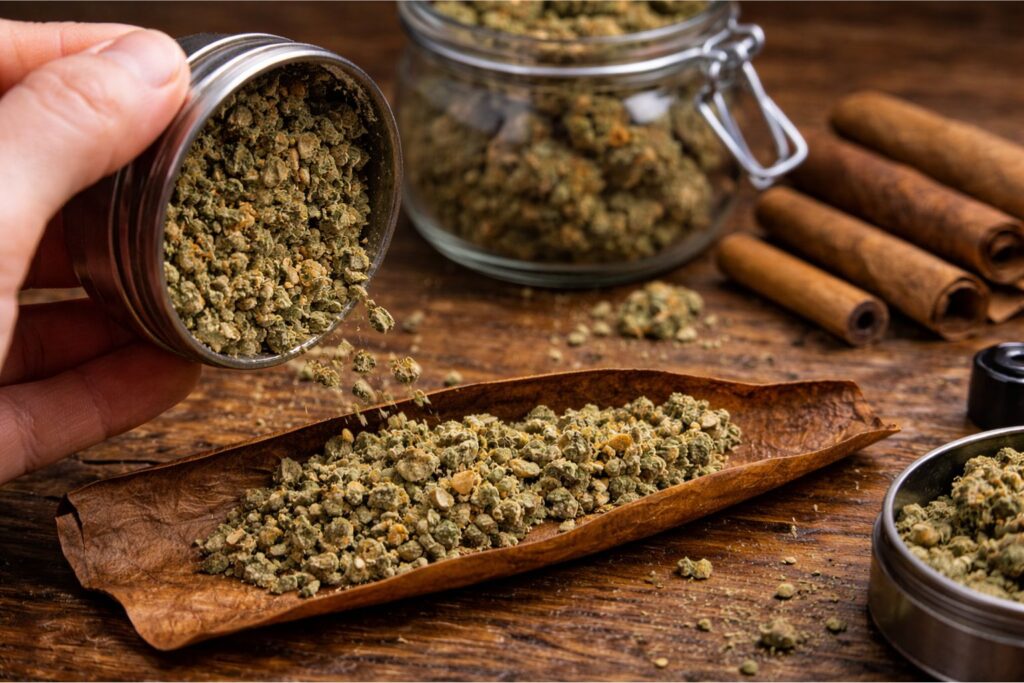
A leaf roll is closer to a cigar than a joint, especially if you like a longer session. I treat it like a cigar-style cannabis wrap build, with a structured center and consistent airflow.
Grind Size: Not Too Fine
For loose leaf blunt wraps, I avoid powdery grinds. Fine material compacts, restricts airflow, and creates hot spots. I prefer a medium break-down:
- Small chunks for structure
- A modest amount of smaller pieces to fill gaps
- Minimal dust at the bottom of the grinder
If you’re chasing best homegrown weed for blunts, this prep matters more than most people think.
Moisture: Dialing In Blunt Wrap Moisture Level
I keep repeating it because it’s the cause of most rolling frustration: blunt wrap moisture level has to match your environment. In a dry climate, both leaf and flower dry out fast. In a humid climate, it’s easier to overdo moisture and get a lazy burn.
My simple test:
- If the leaf cracks when I unroll it, it needs a brief rehumidify.
- If the flower clumps and smears instead of breaking apart, it’s too wet.
When both are in the sweet spot, how to roll a loose leaf blunt becomes routine instead of a fight.
Step-by-Step: How to Roll a Loose Leaf Blunt (My Reliable Method)
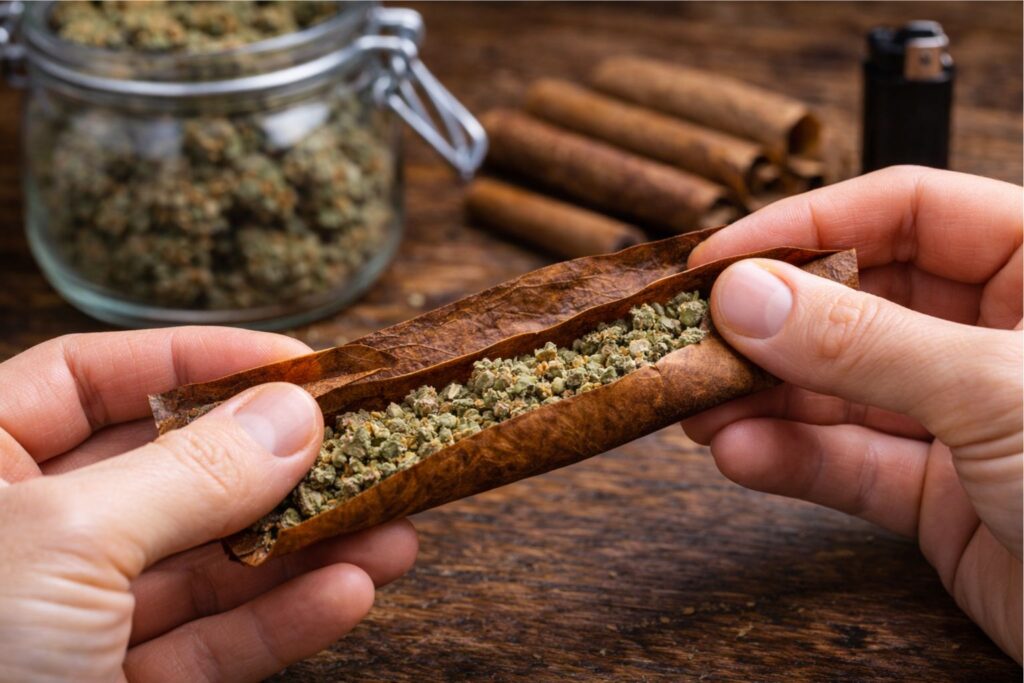
This is my repeatable approach to how to roll a loose leaf blunt. I’m not claiming it’s the only way. It’s the way that keeps my burns even and my hands calm.
1) Warm and Shape the Leaf
I warm the leaf between my palms for a few seconds. It softens the fibers and helps prevent cracks. Then I shape it into a shallow trough.
2) Build the Center “Spine”
I place a slightly denser line of flower down the middle. This supports airflow and makes the roll feel consistent from tip to end. Think of it like building a cigar-style cannabis wrap core.
3) Fill the Sides Without Overpacking
I add material to the sides, then gently tuck. If you overpack at this stage, you’ll struggle with sealing and you’ll create a tight draw.
4) Tuck, Roll, Seal
This is where how to roll a loose leaf blunt becomes muscle memory. I tuck the lower edge under the flower, then roll upward while keeping tension even. For the seal, I use minimal moisture and pressure along the seam. If you soak the seam, it can wrinkle and burn unevenly.
5) Set the Shape
I let the wrap rest for a minute. That short pause helps the seam hold and stabilizes blunt wrap moisture level across the whole roll.
6) Toast Lightly and Rotate
I lightly toast the outside while rotating, then I light the end and take a few gentle draws. Rushing the first light is how I create runs.
That’s my full how to roll a loose leaf blunt workflow, and it scales whether you’re rolling a small session wrap or a longer cigar-style cannabis wrap.
Troubleshooting: What I Fix When Loose Leaf Blunt Wraps Misbehave
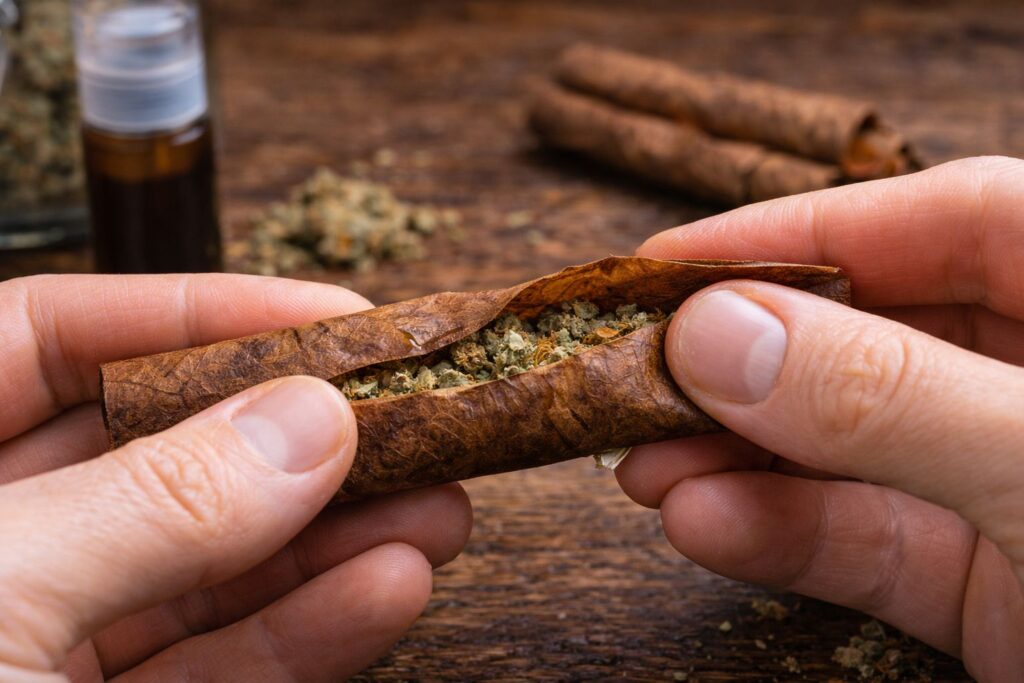
Even with good flower, loose leaf blunt wraps can go wrong. Here’s what I check first.
Canoeing or Running
Most runs come back to blunt wrap moisture level being off or packing being uneven.
- Too wet: the outside burns faster than the inside can keep up
- Too dry: it burns hot and races along one side
- Uneven density: thin spots burn faster
My fix is simple: adjust blunt wrap moisture level next time, and rebuild the center spine so airflow stays even.
Harshness
If the smoke is harsh, I look at the cure and feed first. Post-harvest curing for blunt rolling should reduce “green” harshness over time. If it never improves, I check whether I overfed late flower or dried too fast.
Muted Flavor
If flavor is muted, I ask whether my wrap choice is working against me. Some leaves dominate. If I want terpene-friendly blunt rolling, I switch to a more neutral option, or I reserve that flower for paper and save the leaf for sturdier, heavier buds.
Seed Buying for Better Rolls: What I Look For Before I Germinate
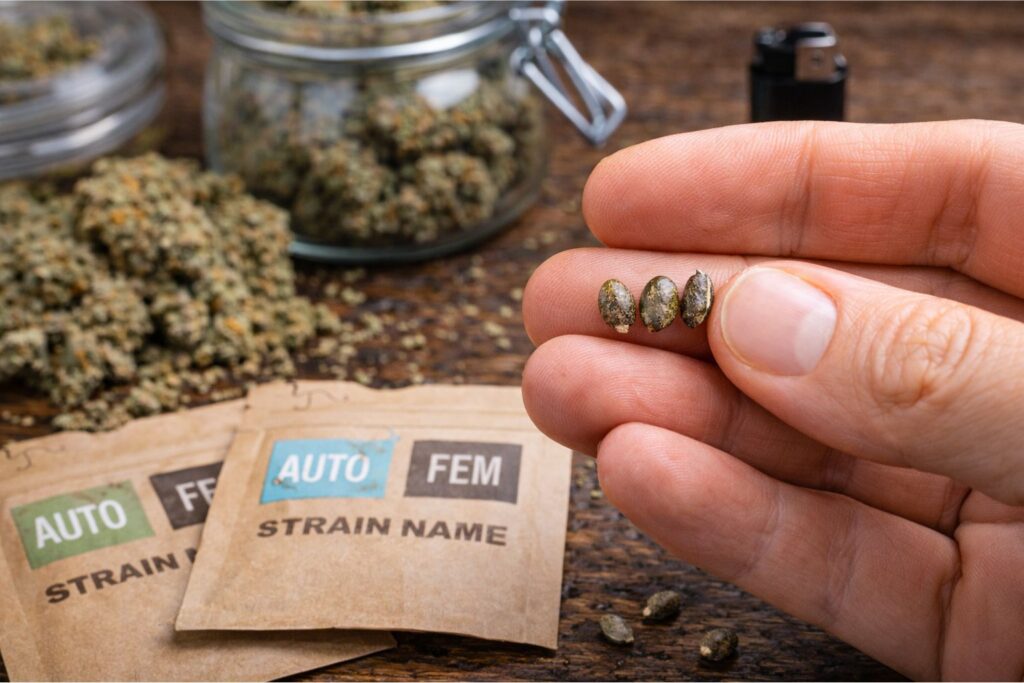
Rolling starts when you choose genetics. When people ask me, “What should I grow if I love blunts?” I don’t answer with a brand name strain. I answer with traits.
Traits That Make the Best Homegrown Weed for Blunts
For best homegrown weed for blunts, I look for:
- Moderate to dense flower structure
- Strong aroma that survives drying
- Resin that stays oily rather than dusty
- A plant that finishes without extreme foxtailing
If you’re leaning toward feminized seeds for flavorful buds, pay attention to flowering time, stretch, and how the cultivar handles your environment. The same seeds can express differently depending on temperature swings and light intensity.
Autoflowers vs. Photoperiods
I like photoperiod plants for maximum control, but autoflower strains for quick harvest are hard to ignore if you want multiple harvests per year or a fast turnaround. For me, autoflower strains for quick harvest shine when:
- Space is limited
- You want simple scheduling
- You’re okay with slightly less training time than photoperiods
Either way, take notes on phenotypes. The plant that rolls best might not be the one that yields the most.
Seed Bank Logistics and Shipping
When people search Google, they often type questions like:
- “What’s the safest way to order cannabis seeds online?”
- “How long does seed shipping usually take?”
- “Do seed banks ship to my region?”
I won’t give legal advice, and laws vary widely by country and even by state or province. I will say this: read your local rules, and look for transparent policies on packaging, delivery expectations, and customer support.
In practice, I keep a short checklist based on discreet cannabis seed shipping tips:
- Clear shipping options and tracking expectations
- Plain packaging policies where allowed
- Responsive support if a package stalls
- A straightforward policy on replacements if seeds arrive damaged
Those discreet cannabis seed shipping tips make the buying side less stressful and let you focus on the grow.
My Quick Reference: Grow-to-Roll Checklist
If you want loose leaf blunt wraps to roll easily and burn evenly, here’s the short version I keep in my notes.
In the Grow
- Keep canopy airflow steady and avoid wet, stagnant pockets
- Don’t chase maximum EC late flower; keep feeding consistent
- Watch VPD and avoid big humidity spikes
- Control pests early so you don’t need late interventions
- Choose genetics with aroma retention and stable structure for feminized seeds for flavorful buds
During Dry and Cure
- Dry slow and controlled at moderate temperature and humidity
- Jar only when buds feel springy, not wet
- Prioritize post-harvest curing for blunt rolling over rushing the first smoke
- Maintain a stable blunt wrap moisture level for rolling consistency
When Rolling
- Use a medium break-down, not dust
- Build a center spine for airflow like a cigar-style cannabis wrap
- Choose tobacco-free blunt wrap alternatives that match your climate
- Aim for terpene-friendly blunt rolling by picking neutral leaves and well-cured flower
FAQ: Loose Leaf and Blunt Wraps
How do I know if my blunt wrap moisture level is right?
My test is feel and behavior. If the leaf cracks, it’s too dry. If it feels soggy or wrinkles when sealing, it’s too wet. A stable blunt wrap moisture level should let you tuck and seal without tearing.
What’s the best way to roll a loose leaf blunt for a smooth draw?
Start by learning how to roll a loose leaf blunt with a simple structure: a center spine, even side fill, and a gentle seal. Most draw issues come from overpacking or using flower that is too wet.
Are tobacco-free blunt wrap alternatives worth it?
Many tobacco-free blunt wrap alternatives burn cleaner for some people and can be less overpowering in flavor than traditional wraps. The trade-off is that some are fragile and require more attention to blunt wrap moisture level and sealing.
Should I use soil-grown cannabis or hydro-grown buds for loose leaf blunt wraps?
Either can work. What matters is a clean cure and flower that isn’t overly dry or overfed. If you’re chasing best homegrown weed for blunts, dial your process first, then debate soil vs. hydro.
Do autoflower strains for quick harvest roll differently than photoperiod buds?
They can. I’ve found some autoflower strains for quick harvest produce slightly airier flower depending on the cultivar and environment, which can change how a cigar-style cannabis wrap build feels. The fix is adjusting grind and packing density.
What’s one post-harvest step that improves flavor in a cigar-style cannabis wrap?
For me, it’s post-harvest curing for blunt rolling. When the cure is right, the flower stays aromatic and the smoke feels smoother, which matters a lot in a cigar-style cannabis wrap session.
Any discreet cannabis seed shipping tips for first-time buyers?
My most practical discreet cannabis seed shipping tips are to read the seller’s shipping policies, understand tracking limitations in your region, and avoid assumptions about timelines. If you’re unsure, stick to sellers with clear support and transparent communication.
