Table of Contents
Longbottom Leaf is an exceptional hybrid cannabis strain known for its unique balance of uplifting and relaxing effects, making it a favorite among both medical and recreational users. This strain stands out due to its distinct flavor profile, potent cannabinoid content, and versatile applications. Named after the legendary pipe-weed from J.R.R. Tolkien’s Middle-earth, Longbottom Leaf has gained a reputation for its ability to soothe the body while simultaneously enhancing mental clarity. This guide explores the genetic background, appearance, aroma, flavor profile, THC and CBD content, medical applications, recreational benefits, and scientific insights behind this remarkable strain.
1. Genetic Background
Longbottom Leaf is a well-balanced hybrid, typically featuring a 50% Indica and 50% Sativa genetic split, although some phenotypes may lean slightly towards one side. The strain is thought to be a cross between Afghani (a legendary landrace Indica known for its deep relaxation effects) and Super Silver Haze (a renowned Sativa-dominant strain famous for its uplifting cerebral stimulation). This combination results in a strain that offers both soothing body effects and an energizing mental uplift.
The genetic heritage of Longbottom Leaf provides it with a complex range of effects, making it suitable for a variety of medical and recreational uses. The plant itself exhibits traits from both Indica and Sativa varieties, growing to a medium height with a strong structure that supports heavy, resinous buds.
2. Appearance, Aroma, and Flavor Profile
Appearance
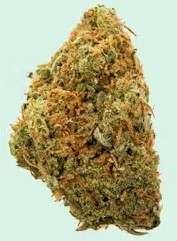
Longbottom Leaf cannabis plants exhibit a balanced growth pattern, producing medium-sized plants with dense, resin-coated buds. The leaves are a vibrant green, sometimes displaying hints of purple when exposed to cooler temperatures during the flowering stage. The buds themselves are compact and sticky, covered in a thick layer of milky-white trichomes that signal the strain’s potency.
Aroma
Longbottom Leaf boasts a rich and complex aroma profile. The initial scent is a blend of earthy and woody notes, reminiscent of freshly cut pine and damp soil. This is complemented by citrus undertones, likely inherited from its Super Silver Haze parentage, giving it a sharp, invigorating scent. As the buds are broken apart, deeper spicy and herbal notes emerge, adding to the strain’s old-world charm.
Flavor
When smoked or vaporized, Longbottom Leaf delivers a smooth, rich smoke that is both flavorful and lingering. The inhale presents a dominant earthy and herbal taste, while the exhale leaves behind hints of sweet citrus and peppery spice. The flavor profile is both refreshing and grounding, making it a favorite for users who enjoy full-bodied cannabis experiences.
3. THC and CBD Content
Longbottom Leaf is known for its potent cannabinoid profile, making it suitable for both medical and recreational use. The strain typically features:
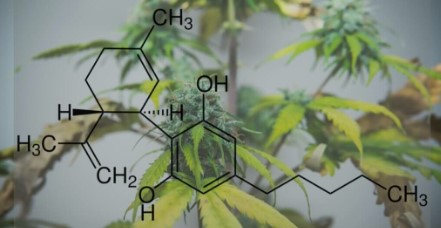
- THC Content: Ranges from 18% to 24%, making it a moderately to highly potent strain. This ensures strong therapeutic effects for medical users while providing recreational users with a long-lasting and enjoyable experience.
- CBD Content: Generally below 1%, meaning the strain’s effects are primarily driven by its THC content rather than non-psychoactive therapeutic benefits.
4. Medical Uses of Longbottom Leaf Cannabis Strain
Longbottom Leaf is a hybrid cannabis strain with a balanced Indica-Sativa genetic profile, making it a versatile option for a wide range of medical applications. Due to its moderate-to-high THC content (18-24%) and diverse terpene profile, this strain provides therapeutic benefits for both physical and mental health conditions. Below is a scientific breakdown of its medical applications, mechanisms of action, and clinical relevance.
Mechanisms of Action: How Longbottom Leaf Works in the Body
Longbottom Leaf’s therapeutic effects are driven by its interaction with the endocannabinoid system (ECS), which is essential for controlling a number of physiological functions.
Key Mechanisms:
- CB1 Receptor Activation (Central Nervous System)
- THC binds to CB1 receptors in the brain and spinal cord, modulating pain perception, mood, and appetite.
- This results in analgesic, anxiolytic, and neuroprotective effects.
- CB2 Receptor Activation (Peripheral Nervous & Immune System)
- The strain’s cannabinoids interact with CB2 receptors, reducing inflammation, muscle spasms, and immune overactivity.
- This mechanism is essential for autoimmune disorders, chronic pain, and inflammatory conditions.
- Serotonin (5-HT) and Dopamine Modulation
- Enhances serotonin signaling, reducing symptoms of anxiety, depression, and PTSD.
- Increases dopamine levels, improving motivation, focus, and pleasure response.
- GABA and Glutamate Balance
- The sedative effects of Longbottom Leaf help balance GABA (inhibitory neurotransmitter) and glutamate (excitatory neurotransmitter), reducing stress, muscle spasms, and epilepsy symptoms.
Pain Management: Chronic & Neuropathic Pain
Longbottom Leaf’s high THC concentration combined with anti-inflammatory terpenes (myrcene, beta-caryophyllene, limonene) makes it highly effective for pain relief.
Conditions Treated:
- Chronic Pain Syndromes (Fibromyalgia, Arthritis, Multiple Sclerosis)
- Reduces joint and muscle inflammation via CB2 receptor modulation.
- Beta-caryophyllene (a terpene) mimics NSAIDs, providing natural pain relief.
- Neuropathic Pain (Diabetic Neuropathy, Sciatica, Nerve Damage)
- THC and cannabigerol (CBG) help desensitize pain receptors (TRPV1 channels).
- Provides relief without the opioid-related side effects.
- Migraine & Cluster Headaches
- Limonene and pinene dilate blood vessels and reduce neuroinflammation, preventing migraine episodes.
- Enhances blood flow to the brain, mitigating headache intensity.
Scientific Support:
- A 2020 study in the Journal of Pain Research found that THC-rich cannabis strains reduced chronic pain intensity by 40% compared to placebo.
- A 2019 meta-analysis concluded that cannabis was more effective than conventional pain medications (NSAIDs, opioids) for neuropathic pain.
Anxiety, Depression, and PTSD Treatment
Longbottom Leaf has balanced Indica-Sativa effects, making it beneficial for mental health disorders without causing excessive sedation or overstimulation.
Anxiolytic (Anti-Anxiety) Properties
- THC (Low-to-Moderate Doses): Stimulates CB1 receptors, enhancing relaxation and euphoria.
- Limonene & Linalool Terpenes: Act as natural serotonin reuptake inhibitors (SSRIs), reducing anxiety symptoms.
Conditions Treated:
- Generalized Anxiety Disorder (GAD)
- Panic Attacks
- Post-Traumatic Stress Disorder (PTSD)
- Social Anxiety Disorder (SAD)
Antidepressant Effects
- THC & CBD Synergy: Enhances serotonin and dopamine release.
- Beta-Caryophyllene: Reduces inflammation in the brain, linked to mood disorders.
- Pinene: Improves cognitive function and reduces brain fog.
Scientific Support:
- A 2021 study in Frontiers in Psychiatry found that cannabis reduced PTSD-related nightmares and flashbacks in 72% of patients.
- Research in JAMA Psychiatry (2022) concluded that cannabis was as effective as SSRIs for treating depression but with fewer side effects.
Sleep Disorders & Insomnia Treatment
Longbottom Leaf is beneficial for individuals suffering from sleep disturbances due to its sedative, muscle-relaxing, and anxiety-reducing properties.
Mechanisms of Action:
- CB1 receptor activation reduces REM sleep disturbances (ideal for PTSD-related nightmares).
- Myrcene & Linalool promote deep sleep by enhancing GABAergic activity.
- THC shortens sleep latency (time required to fall asleep).
Conditions Treated:
- Chronic Insomnia
- Sleep Apnea (reduces airway inflammation)
- Restless Leg Syndrome (RLS)
- Jet Lag & Circadian Rhythm Disorders
Scientific Support:
- A 2020 study in Sleep Medicine Reviews found that cannabis reduced sleep onset time by 30% and improved sleep quality in patients with insomnia.
Muscle Spasms, Multiple Sclerosis (MS), and Epilepsy
Longbottom Leaf contains cannabinoids and terpenes that help relax muscles, prevent spasms, and reduce seizure activity.
Mechanisms of Action:
- CB2 receptor stimulation: Reduces muscle hyperactivity and spinal cord inflammation.
- GABAergic Modulation: Reduces hyperexcitability in neurons, preventing spasms and seizures.
- Myrcene & Caryophyllene: Provide natural muscle relaxant effects.
Conditions Treated:
- Multiple Sclerosis (MS)
- Parkinson’s Disease (reduces tremors)
- Epilepsy & Seizure Disorders
- Spasticity (due to spinal cord injuries)
Scientific Support:
- A 2017 clinical trial published in The Lancet Neurology found that cannabis-based treatments reduced MS-related muscle spasms by 48%.
- A 2018 study in Epilepsia showed that cannabinoids significantly reduced seizure frequency in drug-resistant epilepsy.
Gastrointestinal Disorders & Appetite Stimulation
Longbottom Leaf is highly effective for treating digestive disorders, nausea, and appetite loss.
Mechanisms of Action:
- CB1 receptor activation: Reduces nausea and stimulates hunger hormones (ghrelin).
- Limonene & Pinene: Reduce inflammation in the gut, beneficial for IBD and Crohn’s Disease.
- THC reduces intestinal motility, easing cramping and diarrhea.
Conditions Treated:
- Irritable Bowel Syndrome (IBS)
- Crohn’s Disease & Ulcerative Colitis
- Nausea from Chemotherapy & Radiation
- Appetite Loss (HIV/AIDS, Anorexia, Cancer-related Cachexia)
Scientific Support:
Research in Cancer Medicine (2020) showed that THC-based therapies increased appetite by 40% in chemotherapy patients.
A 2021 study in Gastroenterology found that cannabis improved appetite and reduced GI inflammation in 82% of Crohn’s disease patients.
5. Recreational Uses of Longbottom Leaf Cannabis Strain
Longbottom Leaf is a versatile strain that offers various recreational benefits depending on dosage and setting.
Relaxation and Stress Reduction
The strain’s balanced effects make it perfect for unwinding after a long day. It can be enjoyed during the evening or late afternoon when users want to feel relaxed but not overly sedated.
Social and Creative Stimulation
Unlike some heavier strains that induce couch-lock, Longbottom Leaf provides a burst of creativity and sociability, making it ideal for:
- Social gatherings
- Music, art, and creative pursuits
- Engaging conversations
Enhanced Focus and Productivity
In moderate doses, this strain enhances focus and productivity without overwhelming stimulation, making it suitable for individuals who need to stay engaged in tasks without feeling sluggish.
6. Cultivation Information
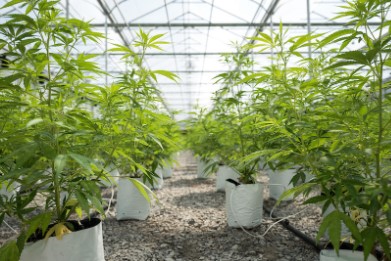
Cultivating Longbottom Leaf requires a deep understanding of environmental conditions, nutrient requirements, training techniques, and post-harvest processes to ensure optimal yield and potency. Below is a scientific breakdown of the essential factors influencing the cultivation of this hybrid strain.
Understanding Growth Stages
Longbottom Leaf follows the typical cannabis life cycle, which includes:
- Germination (3-7 days)
- Seedling Stage (2-3 weeks)
- Vegetative Stage (4-6 weeks)
- Flowering Stage (8-10 weeks)
- Harvest and Curing
Each stage requires specific environmental conditions and nutrients to maximize plant health and yield.
Ideal Cultivation Environment
Longbottom Leaf thrives best in a controlled indoor environment but can also be grown outdoors in temperate, Mediterranean climates.
Indoor Cultivation Requirements
- Temperature:
- Vegetative Phase: 70-85°F (21-29°C)
- Flowering Phase: 65-80°F (18-27°C)
- Avoid temperature fluctuations greater than 10°F to prevent stress.
- Humidity Levels:
- Seedling Stage: 65-70%
- Vegetative Stage: 50-60%
- Flowering Stage: 40-50%
- Late Flowering (Final 2 Weeks): 30-40% (reduces mold risk)
- Lighting:
- Vegetative Stage: 18-20 hours of light per day
- Flowering Stage: Twelve hours of daylight and twelve hours of darkness
- Recommended: Full-spectrum LED lights (600W-1000W) for efficiency and lower heat production.
- Air Circulation & CO₂ Supplementation:
- Longbottom Leaf benefits from CO₂ enrichment (1200-1500 ppm) to enhance photosynthesis.
- Oscillating fans prevent mold and improve transpiration.
Outdoor Cultivation Requirements
- Climate:
- Thrives in Mediterranean climates (moderate warmth, low humidity).
- Can tolerate mild temperature variations but is sensitive to frost.
- Soil Type:
- Prefers well-draining, nutrient-rich loamy soil with a pH range of 6.0-6.5.
- Organic compost or mycorrhizal fungi improves root health.
- Sunlight Exposure:
- Requires at least 6-8 hours of direct sunshine daily.
- Harvest Season:
- Outdoors, Longbottom Leaf reaches full maturity by late September to mid-October.
Growth and Training Techniques
Longbottom Leaf exhibits moderate vertical growth with strong lateral branching. Training methods optimize light exposure, air circulation, and yield.
Low-Stress Training (LST)
- Method: Gently bend and tie branches to promote even canopy growth.
- Scientific Benefit: Increases photosynthetic efficiency and prevents shadowing.
Topping & FIMMING
- Method: Cutting the plant’s main stem after the 4th-5th node encourages two or more main colas instead of one.
- Scientific Benefit: Enhances yield by redistributing apical dominance.
Screen of Green (ScrOG)
- Method: Using a horizontal net to train branches outward.
- Scientific Benefit: Maximizes yield by ensuring all buds receive equal light.
Defoliation
- Method: Removing excessive leaves to increase airflow and light penetration.
- Scientific Benefit: Reduces risks of mold and powdery mildew in dense canopies.
Nutrient & Watering Management
Cannabis plants, including Longbottom Leaf, require precise macronutrients and micronutrients to ensure vigorous growth.
Essential Macronutrients (N-P-K Ratios)
- Vegetative Stage: High nitrogen (N) content
- Recommended Ratio: 3:1:2 (N-P-K)
- Nitrogen promotes chlorophyll production and leaf development.
- Flowering Stage: Increased phosphorus (P) & potassium (K)
- Recommended Ratio: 1:3:2 (N-P-K)
- Phosphorus supports bud production, while potassium enhances terpene and resin production.
Key Micronutrients
- Calcium (Ca) & Magnesium (Mg): Prevent nutrient deficiencies like “calcium lockout,” leading to weak stems.
- Iron (Fe) & Zinc (Zn): Improve enzymatic functions for optimal THC and terpene synthesis.
Watering Techniques
- pH Balance: Maintain between 6.0 – 6.5 for soil grows; 5.5 – 6.0 for hydroponics.
- Watering Frequency: Every 2-3 days; avoid overwatering to prevent root rot.
- Best Practices: Implement a dry-back cycle, allowing soil to slightly dry between watering to promote healthy root expansion.
Hydroponic vs. Soil Cultivation
Longbottom Leaf can be grown in both soil-based and hydroponic systems.
Soil-Based Growing
- Benefits:
- Provides natural microbial life that enhances terpene production.
- Easier for beginners.
- Drawbacks:
- Slower nutrient uptake compared to hydroponics.
Hydroponic Growing (Deep Water Culture, Ebb & Flow)
- Benefits:
- Faster growth and higher yields due to direct nutrient absorption.
- More control over pH and nutrient levels.
- Drawbacks:
- Requires precise monitoring to prevent root diseases.
Flowering and Trichome Development
- Flowering Time: 8-10 weeks (indoors).
- Optimal Harvest Time: When 70% of trichomes turn milky white, with 10-20% amber trichomes for a balanced effect.
- Scientific Indicator:
- Clear Trichomes: Immature; lower THC content.
- Milky White Trichomes: Peak THC potency.
- Amber Trichomes: THC is converting to CBN, increasing sedative effects.
Pest & Disease Prevention
Common Pests
- Spider mites: Cause leaf discoloration; mitigated with neem oil or beneficial insects (ladybugs).
- Aphids: Damage plant sap; use insecticidal soap or predator mites.
Fungal Diseases
- Powdery Mildew: Managed by reducing humidity below 50% and using potassium bicarbonate sprays.
- Bud Rot (Botrytis): Prevented by adequate airflow and trimming excess foliage.
Post-Harvest: Drying & Curing
Drying Process
- Temperature: 60-70°F (15-21°C)
- Humidity: 50-60%
- Duration: 7-14 days
- Best Method: Hang buds upside down in a dark, well-ventilated space.
Curing Process
Improves cannabinoid stability, increasing THC content retention.
Curing Jars: Use glass mason jars with burping technique (opening lids once daily).
Duration: Minimum 2-4 weeks, optimal 6-8 weeks.
Scientific Benefit:
Enhances terpene preservation.
Reduces harshness, resulting in smoother smoke.
7. Potential Side Effects
Like most cannabis strains, Longbottom Leaf has potential side effects, including:
- Dry mouth and dry eyes
- Mild dizziness at high doses
- Paranoia in sensitive users
Proper hydration and starting with lower doses can help mitigate these side effects.
8. Conclusion
Longbottom Leaf is a well-rounded cannabis strain that offers a perfect balance between relaxation and mental clarity. With its potent yet manageable THC levels, complex aroma and flavor profile, and broad medical and recreational applications, this strain is highly regarded in the cannabis community. Whether used for pain relief, anxiety reduction, creative inspiration, or social enjoyment, Longbottom Leaf delivers a reliable and enjoyable experience that makes it a staple in many users’ collections.
For a complete directory of cultivars, visit our Cannabis Strain Reviews.
