Description
Introduction
London Pound Cake is a photoperiod cannabis variety known for rich dessert character and a steady, grower-friendly structure. Many shoppers choose London Pound Cake Cannabis Seeds when they want bakery-forward terpenes and a smooth, relaxing finish without guesswork in the grow room. Reports from experienced marijuana cultivators often highlight a buttery frosting aroma after a proper cure, and many describe it as an evening unwind cultivar that fits end-of-day routines more than high-energy plans.
Origin and Lineage
This strain sits in the modern “dessert” family and is typically selected for flavor density, resin output, and balanced plant architecture. Seed-grown phenotypes can vary, but growers usually look for sticky calyx clusters and consistent bud stacking as the run progresses. When dialed in, the bouquet leans into bakery-forward terpenes with a clear sweetness, and some phenotypes show a gentle candied citrus finish that becomes more obvious after curing.
Growth Difficulty and Grow Guide
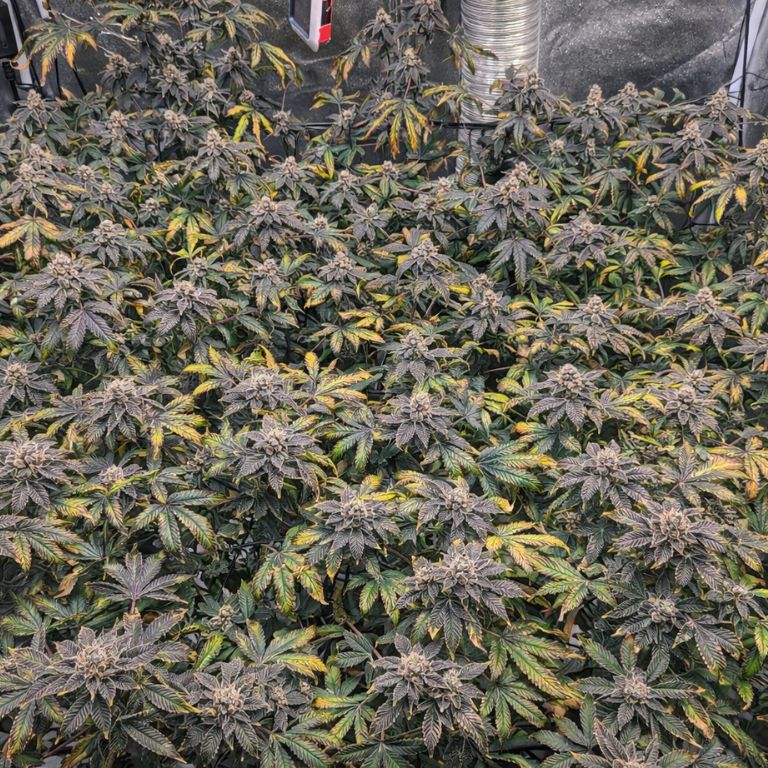
Overall difficulty is moderate, making it a sensible option for growers who already have one successful cannabis run behind them. Many cultivators use topping and gentle training early, then keep the structure tidy with low stress canopy shaping to improve light spread and airflow. In controlled spaces, LED tent cultivation can produce very consistent results when temperature and humidity are kept steady from week to week. For predictable performance, growers often run London Pound Cake Cannabis Seeds with a simple plan: stable environment first, training second, and feeding adjustments made slowly.
Nutrients and Equipment
A balanced feeding plan tends to outperform aggressive schedules with this marijuana type. Most growers do well with a complete base nutrient, careful pH control, and enough calcium/magnesium support for their water source rather than heavy boosters. Practical tools matter: strong extraction fans, clean filters, and LED tent cultivation lighting that matches the tent size help avoid stress. When the canopy is shaped with low stress canopy shaping, light penetration improves, and sticky calyx clusters can develop more evenly across the plant.
Flowering Phase
Flowering commonly falls around 8–10 weeks, with phenotype and environment influencing the exact finish. Many phenotypes form sticky calyx clusters that tighten noticeably during weeks 6–8, so gentle support and good airflow help keep flowers clean. As buds thicken, a late-season mold watch becomes important because dense flowers can trap moisture, especially if humidity runs high at night. Growers running London Pound Cake Cannabis Seeds often time defoliation carefully so airflow improves without stalling development. A trichome maturity check in the final stretch—watching clarity shift toward cloudy with some amber—helps guide harvest timing based on effect preference rather than calendar alone.
Harvest
Harvest success usually comes down to patience and post-harvest handling as much as canopy work. Many growers prefer to chop when aroma is fully expressed and the trichome maturity check matches the target effect. After cutting, humidity-safe drying protects terpene quality and helps prevent harsh smoke in finished weed. For those growing London Pound Cake Cannabis Seeds, slow drying followed by a steady cure is often what turns good cannabis into truly flavorful flower.
Common Challenges
The main risks are moisture management late in bloom and overcorrecting the feed. A late-season mold watch should be routine, particularly in crowded tents or during wet outdoor weeks, and growers often reduce humidity and increase airflow before problems show. Another common issue is pushing nutrients too hard, which can mute the buttery frosting aroma and leave the plant less resilient. Humidity-safe drying also matters here—rushing the dry can flatten flavor and make otherwise high-quality buds feel rough.
Additional Tips
Simple, repeatable habits usually beat complicated “hacks.” Many cultivators keep training gentle and consistent, using low stress canopy shaping to maintain an even canopy while preserving strong growth. Keep the environment stable, measure what can be measured, and avoid big swings right before harvest. In indoor setups, LED tent cultivation works best when light height and airflow are adjusted gradually, so the plant stays comfortable through the final weeks. A careful cure is also worth prioritizing, because it’s when the buttery frosting aroma becomes clearer and more layered.
Germination Time
Most seeds sprout within 24–72 hours when warmth and moisture are steady, though some can take a bit longer without indicating a problem. A simple method works well: a moist (not soaked) medium, gentle heat, and minimal handling. Once the taproot appears, transplant carefully and keep early feeding light so the young weed plant can build roots before it is pushed.
Wellness
Individual responses vary, but many users describe effects that feel calming, heavy-bodied, and best suited for later hours. The strain is often chosen by people looking to decompress, and it’s commonly described as an evening unwind cultivar rather than a daytime productivity option. Anyone sensitive to THC should start low and increase slowly, especially with potent marijuana flower.
CBD Levels
CBD content is typically low in this style of dessert-leaning cannabis, and it’s usually selected for THC-forward experiences rather than high-CBD balance. Exact CBD percentages depend on phenotype, growing conditions, and lab methods. For shoppers specifically seeking CBD-dominant marijuana, a different genetic category is generally a better fit.
Appearance
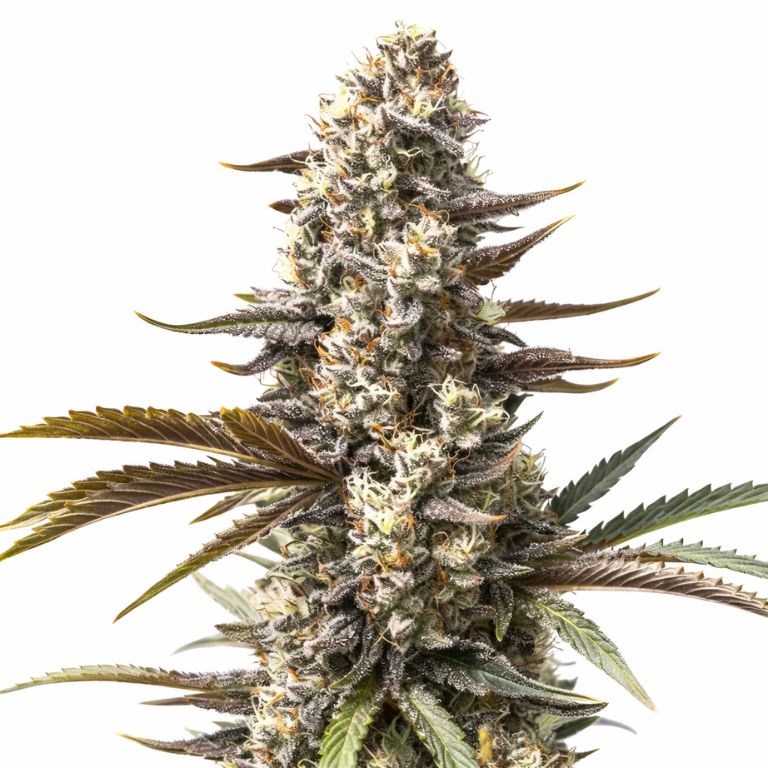
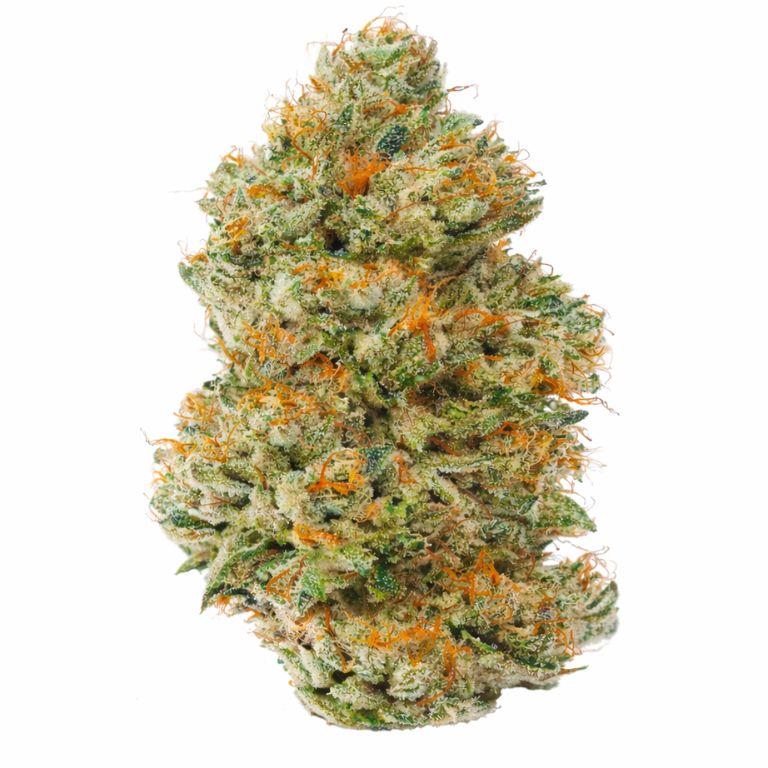
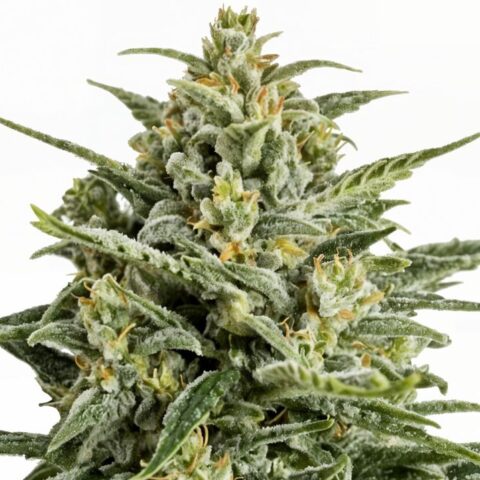
Finished buds commonly look dense and glossy, with thick resin coverage when the environment stays stable through late flower. Many runs produce standout bag appeal, especially when plants are not rushed at the end. A proper trichome maturity check before chop often leads to more consistent texture, aroma, and overall weed quality after curing.
Plant Height
Height is usually manageable indoors with training, but structure can vary depending on phenotype and veg time. Shorter veg and steady light intensity typically help keep plants compact, while longer veg can create a wider plant with more branching. Outdoors, more root space and a longer season can produce taller plants, so spacing and airflow planning become more important.
Aroma
A well-grown and well-cured harvest often opens with bakery-forward terpenes that read sweet, creamy, and warm. Many growers notice the nose gets louder after the cure settles, especially when jars are burped correctly and humidity is kept consistent. In indoor rooms, odor control is recommended because this cannabis profile can be strong and lingering once fully developed.
Flavor
Flavor tends to follow aroma, with a sweet bakery character that becomes smoother as the cure improves. Some phenotypes bring a brighter edge that shows up as a candied citrus finish, particularly on a clean burn or low-temp vaporization. When drying is rushed or storage is too dry, the candied citrus finish can fade quickly, so steady curing conditions help preserve it. With patient handling, many users report the candied citrus finish stays noticeable even deeper into the jar.
In Conclusion
For growers who want dessert-style flavor, strong resin production, and dependable performance, London Pound Cake Cannabis Seeds are a practical pick. The combination of bakery-forward terpenes and a rich aroma profile makes it popular with cannabis consumers who value taste as much as potency. Many growers also place it in the “evening” category, calling it an evening unwind cultivar when harvested and cured with patience. To protect final quality, prioritize airflow, keep a late-season mold watch, and finish with humidity-safe drying for smoother, more flavorful weed.



Reviews
There are no reviews yet.