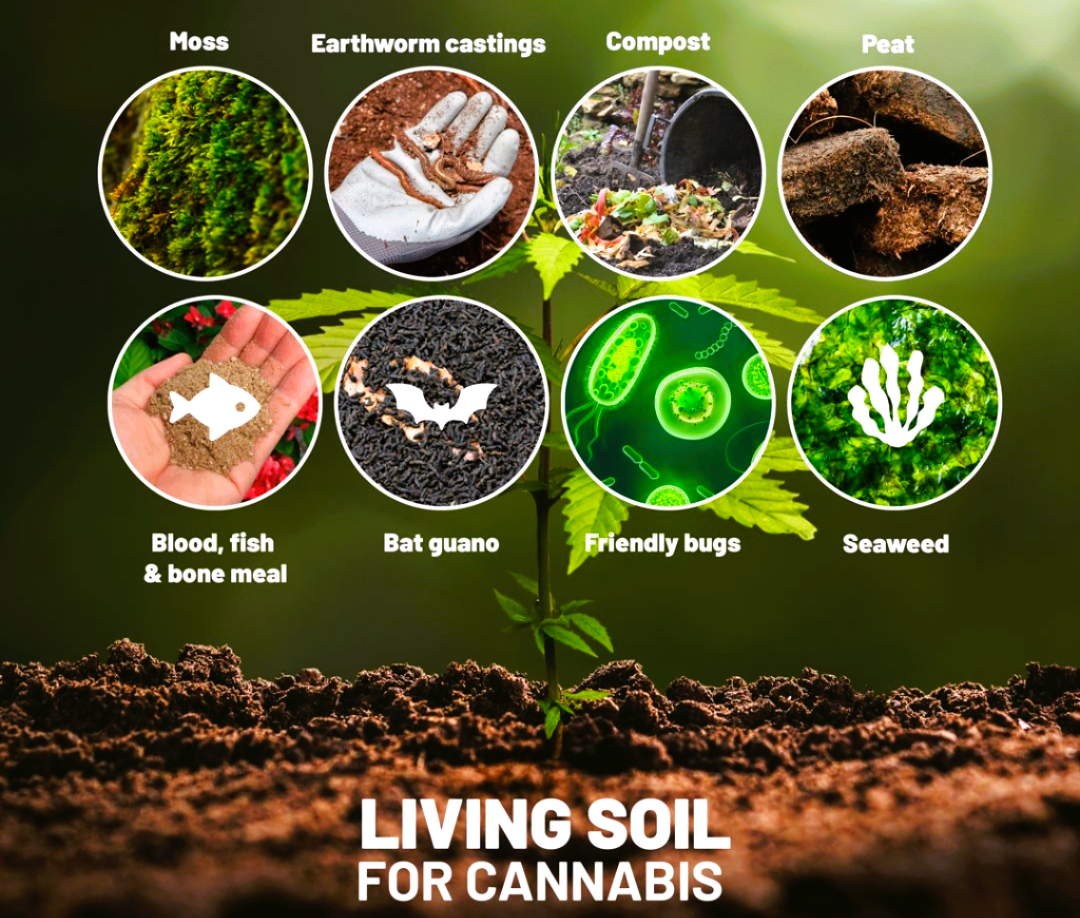
Living Soil (Super Soil) for Organic Medical Cannabis
Living soil, often termed “super soil” in the organic cannabis community, is a soil ecosystem designed to support optimal plant health through a rich microbiome of fungi, bacteria, and organic matter. This soil system is increasingly popular among cultivators of medical cannabis, as it facilitates the growth of healthy, resilient plants while minimizing the need for synthetic additives. By fostering an environment where beneficial organisms thrive, living soil sustains itself and continuously provides essential nutrients to cannabis plants, thereby enhancing their medicinal potency and overall efficacy for therapeutic purposes.
Understanding Living Soil
Living soil is more than just a medium; it is an ecosystem that actively participates in plant growth. At its core, it contains a complex network of microorganisms—bacteria, fungi, nematodes, and protozoa—that work symbiotically to decompose organic matter, recycle nutrients, and improve soil structure. The goal of cultivating medical cannabis in living soil is to mimic natural ecosystems, where plant roots interact closely with microorganisms to obtain nutrients and protection.
Living soil, unlike conventional soil, has a built-in nutrient supply. It is specifically designed to create a continuous release of essential macro and micronutrients. Key nutrients for cannabis plants include nitrogen, phosphorus, and potassium, which support robust vegetative growth, flower development, and overall plant health. Living soil supports optimal levels of these nutrients and gradually provides them to plants throughout their life cycle, reducing the need for external fertilizers.
Additionally, living soil is rich in organic matter and beneficial fungi like mycorrhizae, which form symbiotic relationships with cannabis roots. Mycorrhizae extend their hyphal networks to access nutrients and water beyond the immediate reach of the plant roots, significantly increasing the plant’s capacity to absorb vital nutrients. This symbiosis helps the cannabis plant develop strong roots, increases resistance to environmental stresses, and leads to higher yields of more potent flowers with enhanced therapeutic properties.
Microorganisms: The Power Behind Living Soil
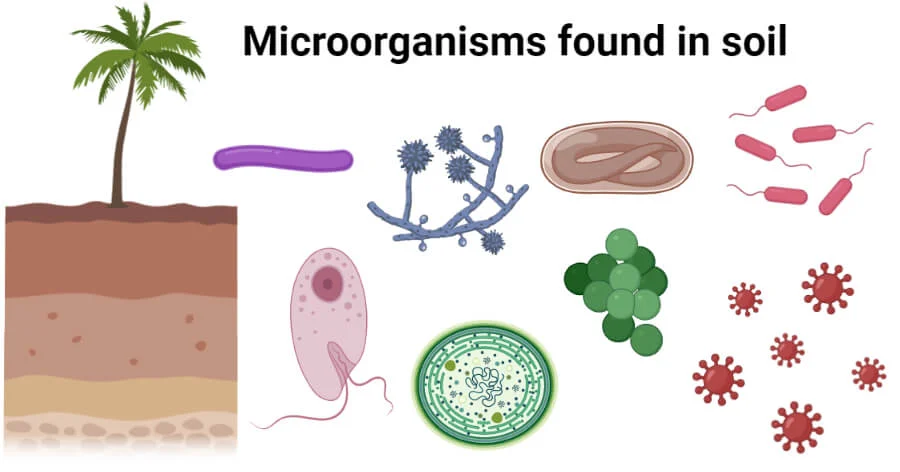
The true efficacy of living soil comes from its microbiology. The microbial life in the soil converts organic matter into forms that cannabis plants can absorb, effectively acting as a living engine that drives nutrient cycling and plant growth. A closer look at some of the key participants in this microbial ecosystem is provided below:
- Bacteria: Different types of bacteria perform various functions, from nitrogen fixation to breaking down organic material. For instance, nitrogen-fixing bacteria transform atmospheric nitrogen into ammonia that plants may utilize. Other types of bacteria help decompose complex organic compounds, such as dead plant matter or compost, into simpler molecules that plants can readily absorb.
- Fungi: Beneficial fungi, especially mycorrhizal fungi, form mutually beneficial relationships with cannabis plants. These fungi colonize the plant roots and extend their hyphal networks, essentially expanding the root system’s surface area. They enhance nutrient uptake, particularly phosphorus, which is essential for flower development, while also improving water absorption.
- Nematodes and Protozoa: These microscopic organisms feed on bacteria and fungi, releasing nitrogen and other nutrients in plant-available forms as waste. By keeping bacterial populations in check, nematodes and protozoa help maintain a balanced ecosystem that promotes plant health.
The collaboration between these organisms leads to a dynamic soil environment where nutrients are constantly recycled, and plants are given a steady supply of essential elements. For medical cannabis, this translates to higher quality yields with enhanced medicinal benefits, as the natural nutrient cycling ensures that plants are neither overfed nor starved of any critical nutrients.
Creating Living Soil for Medical Cannabis
Creating a living soil system requires careful planning and understanding of cannabis plants’ specific nutrient needs. The process involves selecting the right organic materials, such as compost, worm castings, and rock dust, and ensuring these elements are balanced to foster microbial life. Key ingredients and their roles include:
- Compost: High-quality compost is a cornerstone of living soil. It provides a diversity of nutrients and serves as a food source for beneficial microbes. Properly aged compost also contains humic and fulvic acids, which help plants absorb nutrients more efficiently.
- Worm Castings: Often referred to as “black gold” for plants, worm castings are a rich source of nitrogen and beneficial microorganisms. They improve soil structure, water retention, and nutrient availability. Worm castings are particularly valuable for cannabis plants, as they release nutrients slowly, supporting plant health throughout its growth stages.
- Rock Dust: Rock dust is a mineral supplement that supplies trace elements essential for plant development. Adding rock dust to living soil ensures that cannabis plants have access to a broad spectrum of micronutrients, supporting overall plant vigor and increasing cannabinoid production.
- Kelp Meal and Fish Bone Meal: Kelp meal is an excellent source of potassium and trace minerals, which enhance root development and overall plant strength. Fish bone meal provides phosphorus and calcium, supporting healthy flower development and strengthening the plant’s cell walls.
- Biochar: Biochar improves soil structure and water retention, and provides a habitat for beneficial microorganisms. When charged with nutrients and microbes before being added to the soil, biochar can significantly increase microbial activity and nutrient availability, promoting healthy cannabis growth.
A proper blend of these ingredients, combined with appropriate aeration materials like perlite or pumice, results in a well-structured, nutrient-dense soil that can sustain cannabis plants throughout their life cycle. This soil blend creates an ideal environment for roots to expand and for beneficial organisms to flourish, leading to more resilient plants with stronger medicinal properties.
Benefits of Living Soil for Medical Cannabis
Using living soil in medical cannabis cultivation offers several advantages over conventional growing methods:
- Enhanced Cannabinoid and Terpene Profiles: Medical cannabis grown in living soil often has higher concentrations of cannabinoids, such as CBD and THC, and terpenes, the aromatic compounds responsible for the plant’s therapeutic effects. These substances support the plant’s therapeutic qualities, which include lowering inflammation, improving mood, and relieving pain.
- Natural Pest Resistance: Living soil creates a balanced ecosystem where beneficial insects and microbes can thrive, helping to suppress harmful pests and diseases. Healthy, biologically diverse soil reduces the likelihood of pest infestations, minimizing the need for pesticides and other chemical interventions that can compromise plant quality.
- Soil Health and Sustainability: Living soil systems are regenerative, meaning they improve soil health over time rather than depleting it. Long-term farming methods are supported by organic matter in the soil, which improves soil structure and water retention while lowering erosion. For medical cannabis cultivators, this translates to a sustainable model that yields consistently potent, high-quality plants with minimal environmental impact.
- Increased Nutrient Bioavailability: The microbial activity in living soil breaks down organic material into bioavailable nutrients, meaning that plants can absorb what they need when they need it. This leads to healthier, more balanced growth, avoiding the nutrient deficiencies or toxicities that can occur with synthetic fertilizers.
- Improved Plant Immunity and Stress Resistance: Plants grown in living soil have stronger immune systems, making them more resilient to environmental stresses, including temperature fluctuations, drought, and disease. This resilience is crucial for medical cannabis, as it ensures a stable yield of high-potency flowers with consistent therapeutic effects.
The Impact of Living Soil on Medicinal Compounds
One of the most compelling reasons to grow medical cannabis in living soil is the impact it has on the plant’s phytochemical profile. Cannabis plants produce a wide array of therapeutic compounds, including cannabinoids (e.g., CBD, THC) and terpenes (e.g., myrcene, limonene, and pinene). These compounds work synergistically to produce the “entourage effect,” which enhances the plant’s overall therapeutic efficacy. According to research, plants that are produced in living soil typically have larger concentrations of these advantageous substances.
Living soil supports robust root systems and microbial interactions that encourage the production of secondary metabolites, the compounds that contribute to cannabis’ medicinal properties. Terpenes, for example, are produced in response to environmental stimuli, and the healthy, stress-free environment created by living soil encourages their development. Increased terpene levels enhance the medicinal qualities of cannabis, as specific terpenes are known for their anti-inflammatory, analgesic, and anxiolytic effects.
Practical Considerations and Challenges
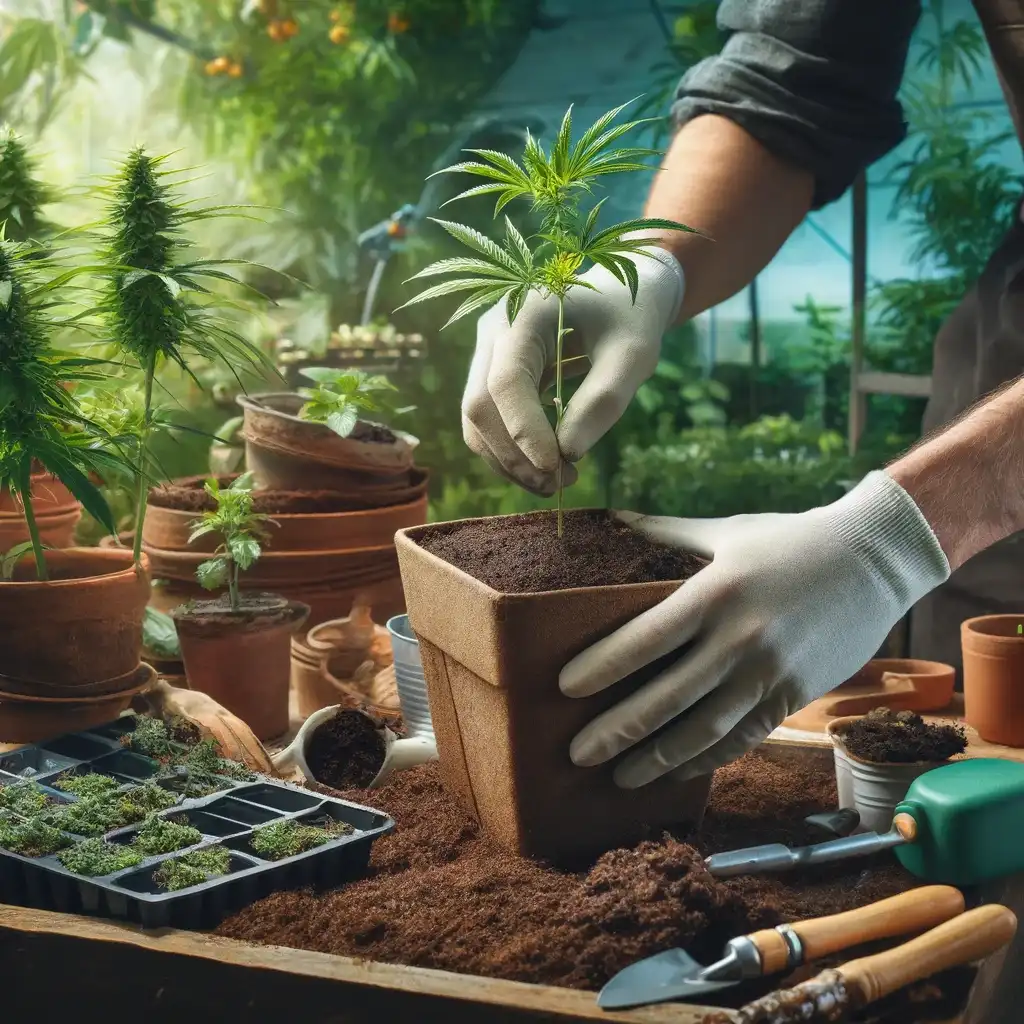
Although living soil offers numerous benefits, it also requires careful management and attention to detail. Unlike inert growing mediums, living soil is sensitive to changes in pH, moisture, and organic matter content. To maintain a balanced ecosystem, cultivators need to monitor these factors closely:
- Watering: Living soil requires a consistent watering schedule that maintains moisture without waterlogging. Excessive moisture can lead to anaerobic conditions, harming beneficial microbes, while dry soil can stress both the plants and microbial life.
- Temperature and Humidity: Temperature affects microbial activity, and maintaining a stable, moderate temperature is ideal for living soil. Excessive heat can disrupt microbial populations, while cold temperatures can slow down nutrient cycling.
- pH Management: Living soil typically maintains a stable pH due to its buffering capacity, but extreme fluctuations in pH can impact nutrient availability and microbial activity. Regular pH testing is essential to ensure that the soil remains within an optimal range for cannabis growth, typically around 6.0 to 6.5.
- Compost Tea and Microbial Inoculants: To boost microbial populations, cultivators often use compost tea or microbial inoculants. Compost tea is a nutrient-rich solution made from compost and water, which is aerated to encourage microbial growth. It can be applied to the soil to increase microbial diversity and activity, enhancing nutrient cycling and disease resistance.
- Cover Crops and Mulching: Cover crops, such as clover, and organic mulch help protect the soil surface, reduce erosion, and maintain moisture levels. As cover crops decompose, they add organic matter to the soil, providing a continuous food source for microbes and contributing to soil fertility.
Case Studies and Research Findings
Studies on living soil’s effect on medicinal cannabis are still emerging, but existing research on organic soil systems and microbial diversity provides insights into its potential impact. Some cultivators have reported increased yields, higher cannabinoid concentrations, and improved terpene profiles when growing in living soil. Research on other medicinal plants grown in living soil systems indicates similar trends, where organic, biologically active soils contribute to higher concentrations of bioactive compounds.
For instance, a study on medicinal herbs grown in organic soil revealed that plants cultivated in biologically diverse soils had a more complex phytochemical profile than those grown in sterile or synthetic mediums. This suggests that living soil’s influence on nutrient cycling and stress resistance may extend to cannabis, resulting in more potent and therapeutically valuable plants.
The Future of Living Soil in Medical Cannabis Cultivation
The adoption of living soil in medical cannabis cultivation represents a shift towards more sustainable, holistic growing practices. As the demand for organically grown, high-potency medical cannabis increases, cultivators are likely to explore living soil as a method to meet patient needs. Innovations in soil biology, such as the development of specialized microbial inoculants and advanced composting techniques, will likely enhance the efficacy of living soil systems for medical cannabis.
As research into the cannabis plant continues, understanding the connection between soil health and phytochemical production will be critical for optimizing therapeutic outcomes. Living soil holds promise not only for producing higher-quality medical cannabis but also for fostering a regenerative agricultural model that prioritizes plant health and environmental sustainability.
Restrictions on Growing and Using Cannabis in the Medical Field

In the medical field, the cultivation and use of cannabis are strictly regulated to ensure that it is only used for therapeutic purposes, especially as a last-resort treatment. The stringent regulations aim to prevent misuse and ensure patient safety, primarily by controlling the psychoactive component, tetrahydrocannabinol (THC), which is responsible for the plant’s mind-altering effects.
Regulatory Constraints on Cultivation
Only approved producers who adhere to stringent regulations are permitted to cultivate medical cannabis. These guidelines include secure growing facilities, regular inspections, and stringent quality controls to ensure that the cannabis produced meets medical-grade standards. In order to track THC and CBD levels and to look for contaminants like mold, pesticides, and heavy metals, growers are frequently asked to send samples for laboratory analysis. Compliance with these regulations ensures that the cannabis supplied for medical use is safe and controlled, with consistent therapeutic efficacy.
Moreover, medical cannabis cultivation is often subject to zoning restrictions to keep facilities away from public areas. Licensed producers must also follow record-keeping protocols, tracking each plant from seed to sale. This transparency ensures that the cannabis produced is traceable, minimizing the risk of diversion to recreational markets and unauthorized use.
Controlled Use as a Last-Resort Treatment
In therapeutic practice, patients who have not responded favorably to traditional medicines are usually treated with cannabis as a last resort. Medical cannabis is frequently used to treat a variety of illnesses, including multiple sclerosis, chronic pain, epilepsy, and extreme anxiety. Medical cannabis is only prescribed after other treatment options have been exhausted, and the decision is made in collaboration with healthcare professionals who evaluate the patient’s condition, medical history, and potential response to cannabis-based therapy.
To mitigate risks, physicians are often advised to start with low doses, especially for products containing THC, to minimize the likelihood of psychoactive effects. Patients are closely monitored during treatment, with adjustments to dosage as necessary to balance therapeutic benefits and minimize adverse effects.
Monitoring THC Levels in Medical Cannabis
THC levels in medical cannabis are tightly regulated to ensure that therapeutic products do not cause unwanted psychoactive effects. In many jurisdictions, medical cannabis products must contain only low levels of THC or must be balanced with CBD, a non-psychoactive compound known to mitigate THC’s effects. Pharmaceutical-grade cannabis products often specify the exact THC-to-CBD ratio on packaging, allowing healthcare providers to select the best option for each patient’s needs.
Continuous monitoring of THC levels in medications is essential to ensure patients achieve symptom relief without experiencing psychoactive side effects. Analytical labs perform routine testing to verify that THC levels remain within acceptable limits. Additionally, synthetic cannabinoids or high-CBD/low-THC products may be used in some treatments to provide therapeutic benefits while minimizing psychoactivity.
Conclusion
Living soil cultivation, strict regulation of medical cannabis use, and careful monitoring of THC levels are all integral aspects of ensuring that cannabis can be safely and effectively harnessed for medical purposes. Living soil offers a sustainable and holistic approach to cultivating medical cannabis, enriching the plant’s phytochemical profile, enhancing therapeutic compounds, and reducing environmental impact. By nurturing a biologically active soil ecosystem, cultivators can produce high-potency, medical-grade cannabis with a balanced profile of cannabinoids and terpenes that contribute to its therapeutic efficacy.
However, medical cannabis use is strictly regulated to prevent misuse, especially given its psychoactive properties. Limiting cultivation to licensed producers, enforcing zoning laws, and implementing rigorous quality controls are essential to maintaining safe medical-grade standards. Furthermore, by ensuring that cannabis is used only as a last-resort treatment, healthcare providers can prioritize patient safety, considering cannabis only when traditional therapies have proven ineffective.
Monitoring THC levels in medical cannabis products further enhances patient safety, allowing for symptom relief without significant psychoactive effects. The practice of balancing THC with CBD and using precise cannabinoid ratios ensures that patients benefit from the therapeutic properties of cannabis while minimizing side effects. This approach fosters a responsible use of cannabis in the medical field, with every measure taken to balance therapeutic benefits and patient well-being.
In sum, the combination of living soil cultivation, strict regulatory measures, and controlled THC levels reflects a responsible, sustainable, and patient-focused approach to medical cannabis. By implementing these strategies, the medical community can support the safe integration of cannabis into therapeutic practices, providing effective relief for patients in need while upholding high standards of safety and efficacy.
