Living Soil: Benefits for Medical Cannabis Plant
Introduction
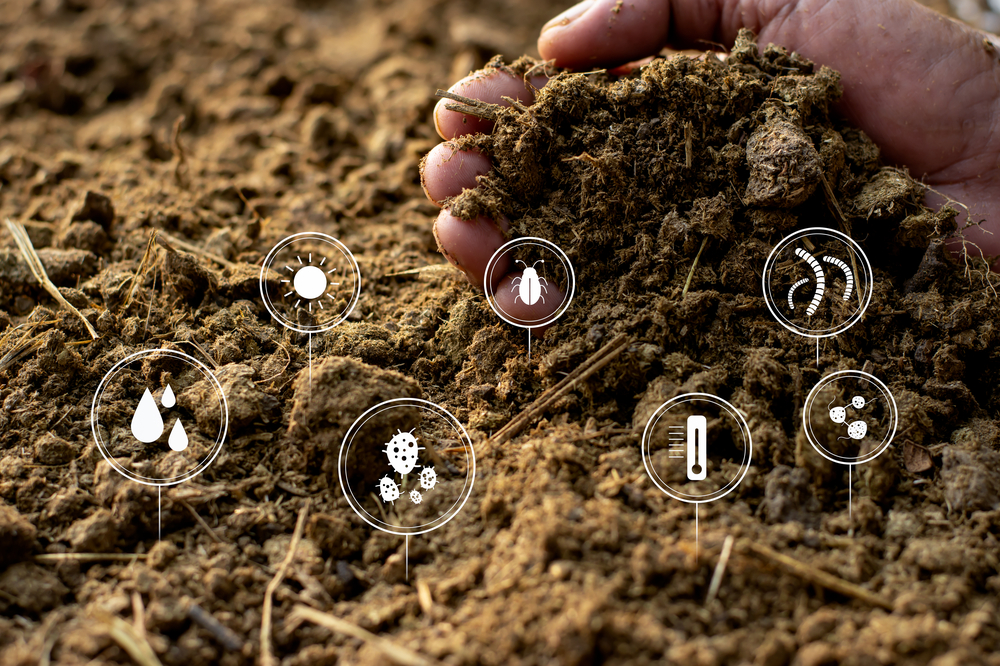
Living soil refers to a dynamic, self-sustaining ecosystem of microorganisms, organic matter, and nutrients that create an ideal environment for growing medical cannabis. Unlike conventional soil, living soil is teeming with beneficial bacteria, fungi, protozoa, nematodes, and other microorganisms that work synergistically to improve plant health, enhance yields, and provide superior medicinal qualities. This natural and holistic approach to cannabis cultivation is becoming increasingly popular among medical growers due to its ability to promote sustainable farming while delivering potent and high-quality medical cannabis.
Living soil cultivation mimics natural ecosystems by utilizing organic inputs, compost, cover crops, and microbes to develop a biodiverse environment in which cannabis plants can thrive. In contrast to chemically managed soils, where synthetic fertilizers and pesticides are used, living soil relies on natural processes to feed plants, protect against diseases, and manage pests. This not only improves the overall health of cannabis plants but also enhances the therapeutic compounds they produce, making living soil particularly beneficial in the cultivation of medical cannabis.
The Components of Living Soil
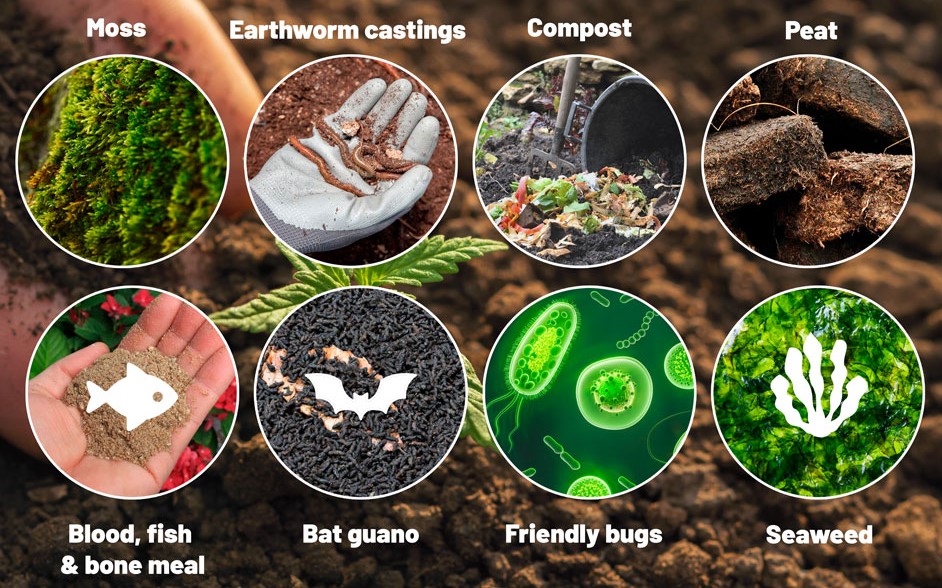
Living soil is composed of several key elements that work together to create a fertile growing environment. These include:
- Organic Matter: Compost, plant debris, and animal manure decompose over time, enriching the soil with nutrients and serving as food for beneficial microorganisms.
- Microbial Life: Beneficial bacteria, fungi, and other microorganisms break down organic matter into nutrients that cannabis plants can absorb. Mycorrhizal fungi, for example, create symbiotic associations with plant roots, which improves nutrient intake.
- Nutrient Cycling: As microorganisms break down organic matter, vital nutrients such as nitrogen, phosphorous, and potassium are released into the soil, ensuring ongoing nutritional availability.
- Soil Structure: A healthy soil structure allows for proper aeration, water retention, and root growth. The presence of earthworms and other soil-dwelling organisms helps to improve soil texture and create channels for air and water.
- Water Retention: Living soil has excellent water retention capabilities due to its rich organic content and well-aggregated structure. This minimizes the need for frequent watering and ensures that cannabis plants receive consistent moisture.
- Symbiotic Relationships: Living soil fosters relationships between plants and beneficial organisms. Nitrogen-fixing bacteria, for example, convert atmospheric nitrogen into a form that cannabis plants can absorb, whereas fungi transfer water and nutrients directly to plant roots.
The Role of Living Soil in Medical Cannabis Cultivation
Medical cannabis is unique in that its primary purpose is to provide therapeutic benefits to patients. Growing cannabis in living soil supports this goal by creating an environment where the plant’s medicinal properties can fully develop. The various cannabinoids, terpenes, and flavonoids that contribute to cannabis’ therapeutic potential are influenced by soil health. Living soil optimizes the production of these compounds, enhancing the overall effectiveness of the plant.
Enhancing Cannabinoid Production
Cannabinoids, such as THC and CBD, are the primary medicinal compounds in cannabis. Research has shown that the composition and health of soil play a critical role in determining the concentration of these cannabinoids. Living soil, rich in organic matter and microbial life, provides a constant supply of nutrients and facilitates stress-free plant growth. This enables cannabis plants to focus their energy on producing high levels of cannabinoids.
Microbial interactions in living soil, particularly with mycorrhizal fungi, improve nutrient absorption and overall plant health. Healthy plants are more likely to produce robust amounts of cannabinoids, resulting in potent medical cannabis. Moreover, because living soil naturally fosters an ideal growing environment, growers can avoid the use of synthetic fertilizers, which can negatively impact cannabinoid levels.
Terpene Profiles and Aromatherapy Benefits
Terpenes are aromatic compounds that not only give cannabis its distinctive scent but also contribute to its medicinal properties. Different terpenes have been associated with various therapeutic effects, such as anti-inflammatory, analgesic, and anti-anxiety properties. Linalool, for example, has relaxing and sedative characteristics, whilst limonene is recognized for its uplifting and mood-boosting benefits.
The living soil environment encourages the development of diverse and abundant terpene profiles in cannabis plants. The nutrient-dense and microbe-rich environment enables plants to produce a broader range of terpenes, enhancing both the aroma and medicinal value of the final product. This makes living soil a particularly effective method for cultivating medical cannabis intended for aromatherapy or conditions such as anxiety, chronic pain, and insomnia.
Flavonoid Production and Anti-inflammatory Effects
Cannabis contains flavonoids, which contribute to its anti-inflammatory and antioxidant properties. These compounds, like cannabinoids and terpenes, are influenced by soil health. The use of living soil ensures that plants are nourished with a wide array of nutrients, which enhances flavonoid production. This can increase the anti-inflammatory and antioxidant properties of medical cannabis, making it more effective in treating conditions such as arthritis, chronic pain, and autoimmune disorders.
Benefits of Living Soil for Medical Cannabis Plants
- Sustainability and Soil Health
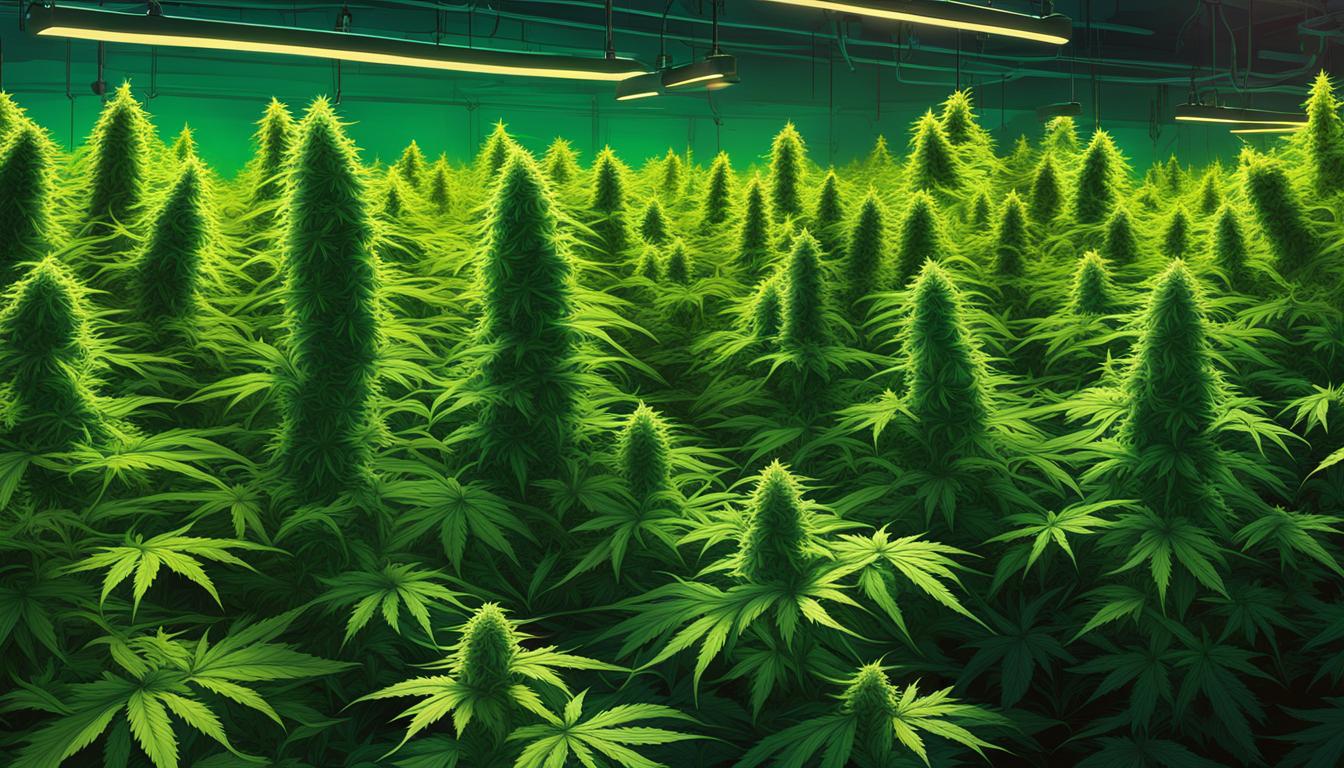
Living soil promotes sustainability by eliminating the need for chemical fertilizers and pesticides. Over time, the soil grows richer and more fertile, allowing for numerous growing cycles with no deterioration. This approach to cultivation also reduces the environmental impact of cannabis farming, which is especially important for medical growers who aim to provide a clean and safe product for patients. Composting, cover cropping, and microbial inoculation help to preserve soil health, resulting in a vibrant ecosystem that benefits both plants and the environment.
- Nutrient Availability and Reduced Fertilizer Use
Living soil provides a continuous supply of nutrients through the natural decomposition of organic matter and the activity of microorganisms. This process, known as nutrient cycling, ensures that cannabis plants have access to a steady stream of essential nutrients without the need for synthetic fertilizers. In living soil, microorganisms break down organic matter into nutrients like nitrogen, phosphorus, and potassium, which are gradually released and made available to the plant. This slow and steady release of nutrients promotes healthy and balanced plant growth, resulting in stronger plants and higher yields.
For medical cannabis growers, this is particularly beneficial, as it reduces the risk of nutrient imbalances or toxicities that could affect the quality of the final product. Additionally, since living soil is self-sustaining, the need for external inputs like chemical fertilizers is minimized, leading to cost savings and more sustainable farming practices.
- Water Retention and Drought Resistance
One of the primary benefits of living soil is its ability to retain moisture, minimizing the need for frequent irrigation. The organic matter in living soil improves its structure and allows it to hold onto water more effectively than conventional soils. This not only conserves water but also helps cannabis plants to survive periods of drought or inconsistent watering schedules.
In medical cannabis cultivation, maintaining optimal hydration is crucial for ensuring healthy plants and maximizing cannabinoid production. Living soil’s moisture-retaining properties ensure that plants receive consistent hydration, which is essential for the growth of high-quality medical cannabis. Moreover, the enhanced water retention helps to prevent stress, which can negatively impact cannabinoid and terpene levels.
- Improved Root Health and Growth
The structure of living soil is conducive to healthy root growth. It provides plenty of space for roots to expand, promotes proper aeration, and maintains a balance of water and nutrients. Beneficial microorganisms, such as mycorrhizal fungi, form symbiotic relationships with cannabis roots, extending their reach and increasing their ability to absorb nutrients and water.
In medical cannabis cultivation, healthy roots are essential for producing strong, vigorous plants with high levels of medicinal compounds. Living soil ensures that the root zone remains healthy and balanced, allowing plants to take full advantage of the nutrients available in the soil. This leads to better overall plant health, larger yields, and more potent medical cannabis.
- Pest and Disease Resistance
Living soil promotes a healthy and balanced ecosystem that naturally protects cannabis plants from pests and diseases. Beneficial organisms in the soil, such as predatory nematodes and certain bacteria, prey on harmful pests and pathogens, reducing the need for chemical pesticides. Additionally, the diversity of microorganisms in living soil creates a protective barrier around plant roots, making it more difficult for harmful organisms to establish themselves.
For medical cannabis growers, this natural pest and disease resistance is a significant advantage. It reduces the need for chemical pesticides, which can leave harmful residues on the final product and compromise the safety and quality of medical cannabis. By fostering a healthy and biodiverse soil ecosystem, living soil helps to ensure that medical cannabis plants remain free from pests and diseases, resulting in a cleaner and safer product for patients.
Best Practices for Maintaining Living Soil
To fully benefit from living soil, medical cannabis growers need to adopt practices that promote the health and vitality of the soil. Here are some key considerations for maintaining living soil:
- Composting and Organic Amendments
Regularly adding compost and organic matter to the soil is essential for maintaining its fertility and microbial life. Compost provides a rich source of nutrients for both the plants and the microorganisms in the soil. Organic amendments such as bone meal, kelp, and fish emulsion can also be added to supplement specific nutrients as needed.
- Mulching and Cover Cropping
Mulching helps to protect the soil from erosion, retain moisture, and regulate soil temperature. Organic mulches, such as straw or wood chips, degrade over time and add organic matter to the soil. Cover cropping, on the other hand, is growing secondary crops to increase soil structure and nutrient availability. Clover, for example, can fix nitrogen in the soil, providing a valuable nutrient source for cannabis plants.
- No-Till Farming
No-till farming is a practice that minimizes soil disturbance, allowing microorganisms and plant roots to thrive undisturbed. This method of cultivation preserves the soil structure, prevents erosion, and maintains the balance of beneficial organisms in the soil. In living soil systems, no-till farming is particularly effective because it supports the long-term health and sustainability of the soil.
- Microbial Inoculation
In some cases, growers may want to boost the microbial life in their soil by inoculating it with beneficial bacteria and fungi. Products like mycorrhizal inoculants can be added to the soil to enhance the symbiotic relationships between plants and microorganisms. This can improve nutrient uptake, increase root growth, and boost the overall health of the cannabis plants.
Restrictions on Growing and Using Cannabis in the Medical Field Only and Using it as a Last Resort
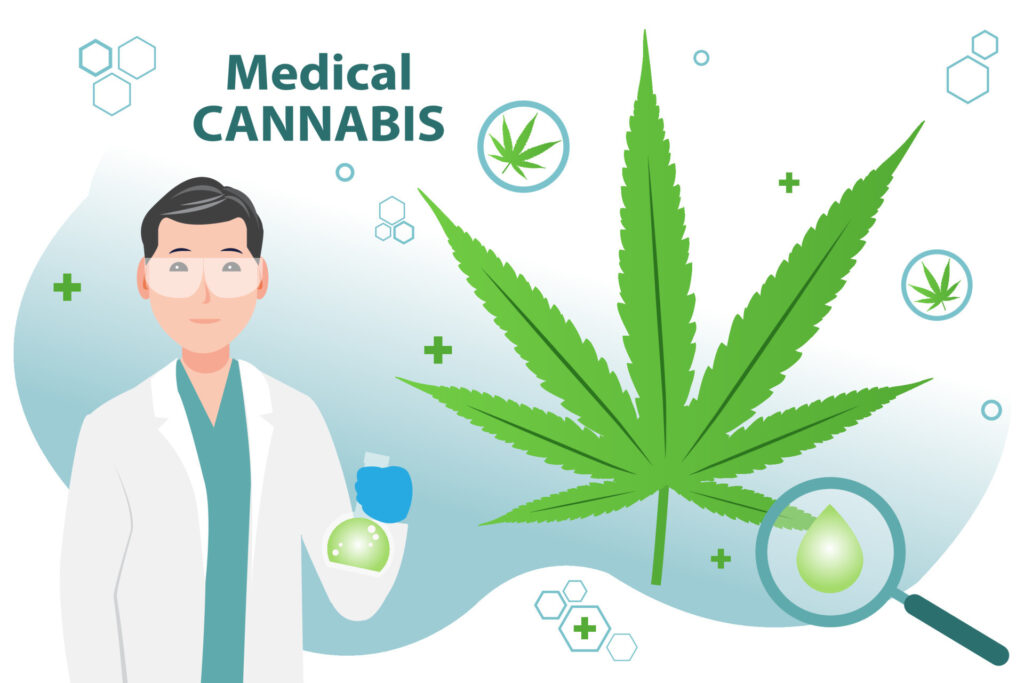
The use of cannabis in the medical field is subject to strict regulations and limitations in many countries to ensure patient safety and uphold medical integrity. While medical cannabis has shown therapeutic potential for conditions such as chronic pain, epilepsy, and cancer, its use is generally restricted to cases where other conventional treatments have proven ineffective or intolerable, making it a last resort in many medical protocols. This article outlines key restrictions on the growing and use of cannabis in medical settings, with a focus on ensuring its use is carefully controlled and monitored, particularly concerning THC levels to prevent psychoactive effects on patients.
Growing Cannabis for Medical Use: Regulatory Restrictions
Cannabis production for medical reasons is strictly restricted globally. Countries such as Canada, the United States (in certain states), Australia, and parts of Europe have established regulatory frameworks that govern who can grow medical cannabis, under what conditions, and how the crops are managed to ensure quality and safety.
Key restrictions in the medical field include:
- Licensing and Permits: Only licensed cultivators are authorized to grow medical cannabis. These licenses are issued by government agencies after rigorous vetting, and growers must comply with strict security, reporting, and quality control measures. Unauthorized growing, even for medical purposes, is often prohibited and can lead to legal consequences.
- Cultivation Conditions: Medical cannabis must be grown in controlled environments to assure consistency in potency, purity, and safety. This includes regulating factors like temperature, humidity, soil composition, and light exposure. Growers must also avoid the use of synthetic chemicals and pesticides to prevent contamination of the final product.
- Quality Assurance and Testing: Before cannabis is approved for medical use, it undergoes rigorous testing to ensure it meets quality standards. Testing involves determining cannabinoid content, particularly THC and CBD levels, as well as screening for pollutants like as mold, heavy metals, and pesticides. This ensures that cannabis used in medicine is both safe and consistent in its therapeutic effects.
Using Cannabis as a Last Resort in Medical Treatment
In most medical systems, cannabis is regarded as a treatment of last resort. This means it is prescribed only when standard medications or therapies have failed to provide relief or when patients experience severe side effects from conventional treatments.
- Patient Eligibility: Not every patient qualifies for medical cannabis. Physicians typically follow strict guidelines that require patients to exhaust other treatment options before cannabis is considered. Conditions that may warrant medical cannabis as a last resort include chronic pain, multiple sclerosis, epilepsy, and chemotherapy-induced nausea and vomiting.
- Physician Oversight: The prescription of medical cannabis is done under the close supervision of healthcare professionals. Physicians must assess the patient’s medical history, condition severity, and response to prior treatments before recommending cannabis. This ensures that cannabis is not prescribed unnecessarily and is used in appropriate cases where its benefits outweigh the risks.
- Controlled Dosing: Medical cannabis is typically administered in carefully measured doses to avoid any adverse effects, particularly those related to its psychoactive component, THC. The dosage is adjusted based on the patient’s response and therapeutic needs, and the treatment is regularly reviewed to ensure its continued appropriateness.
Monitoring THC Levels in Medical Cannabis to Prevent Psychoactive Effects
THC, or tetrahydrocannabinol, is the major psychoactive ingredient in cannabis, and it is responsible for the “high” that recreational users associate with it. In the medical field, controlling THC levels is crucial to prevent these psychoactive effects, especially for patients who may be sensitive to them.
- Low-THC, High-CBD Strains: Many medical cannabis products are derived from strains that are low in THC and high in CBD (cannabidiol), a non-psychoactive compound. CBD offers many of the therapeutic benefits of cannabis without the risk of intoxication. These strains are preferred in medical treatments, particularly for conditions like epilepsy and anxiety, where psychoactive effects are undesirable.
- THC Monitoring in Medications: Medical cannabis products, such as oils, capsules, and tinctures, are rigorously tested for THC content to ensure they meet the legal and medical thresholds. For example, in many jurisdictions, medical cannabis must contain less than 0.3% THC to prevent psychoactive effects. Physicians and pharmacists closely monitor THC levels in cannabis-based medications to avoid any unwanted side effects.
- Patient Monitoring: Patients using medical cannabis are often subject to regular evaluations to monitor the efficacy of the treatment and to ensure that they are not experiencing any negative psychoactive effects. Adjustments to the dosage or the type of cannabis product may be made based on these evaluations.
Conclusion
Living soil offers a sustainable, nutrient-rich growing medium that enhances the medicinal quality of cannabis plants, making it an ideal choice for medical cannabis cultivation. The symbiotic relationship between the soil’s organic components and the cannabis plants leads to superior cannabinoid and terpene profiles, essential for medical cannabis efficacy. Living soil fosters healthier plants, boosts yields, and reduces the need for synthetic inputs, aligning with the goal of producing clean, safe, and effective medical cannabis for patients.
However, the cultivation and use of medical cannabis, even with beneficial practices like living soil, are subject to strict regulations. These restrictions ensure that cannabis is used only in medical contexts, often as a last resort when other treatments have failed. Licenses and permits are required to grow cannabis legally, and strict quality controls must be met, particularly with regard to THC levels. Monitoring THC is crucial to prevent psychoactive effects in patients, ensuring that the therapeutic benefits of cannabis are delivered without compromising patient safety.
Together, living soil and regulatory restrictions form a balanced approach to producing high-quality medical cannabis while safeguarding public health. Living soil enhances plant growth and medicinal value, while strict regulations ensure its responsible use within medical settings, particularly by controlling the psychoactive effects of THC.
