Table of Contents
Liquid Butter is a rare Indica-dominant cannabis strain revered for its rich, buttery aroma, smooth flavor, and deeply relaxing effects. This strain is known for its high THC content and potent sedative properties, making it a top choice for medical and recreational users seeking intense relaxation and stress relief. With its unique terpene profile and heavy-bodied effects, Liquid Butter has gained a dedicated following among cannabis connoisseurs.
This guide delves into the genetic lineage, medical applications, recreational benefits, and scientific aspects of the Liquid Butter strain, providing an in-depth understanding of what makes this strain stand out.
Genetic Background
Liquid Butter is an Indica-dominant hybrid, with an approximate genetic makeup of 80% Indica and 20% Sativa. The strain’s origins are somewhat mysterious, but it is believed to be a cross between Blueberry and an unknown hybrid strain. This combination results in a unique flavor profile that lives up to its name, offering a rich, creamy, and buttery taste that sets it apart from other strains.
Parent Strains
- Blueberry: A legendary Indica strain known for its sweet and fruity aroma, relaxation-inducing effects, and high THC content. Blueberry contributes to the calming effects and flavor complexity of Liquid Butter.
- Unknown Hybrid: The mystery parent strain enhances the overall potency and stabilizes the effects, making Liquid Butter a well-balanced Indica variety.
Appearance, Aroma, and Flavor Profile
Appearance
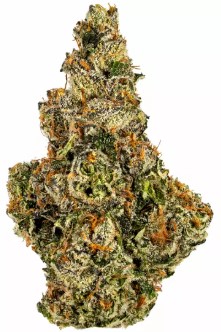
Liquid Butter cannabis plants exhibit a short and bushy growth structure, characteristic of Indica strains. The buds are dense, compact, and covered in a thick layer of frosty trichomes, giving them a sticky and resinous texture. The coloration of the buds includes deep green hues with orange pistils and occasional hints of purple under cooler growing conditions.
Aroma
As the name suggests, Liquid Butter has a buttery, creamy aroma with undertones of sweet vanilla and nutty spice. Breaking apart the buds releases an additional earthy and skunky fragrance, making it one of the most unique-smelling cannabis strains available.
Flavor
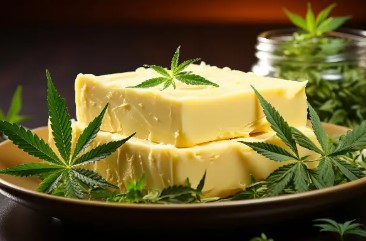
The taste of Liquid Butter mirrors its aroma, offering a rich, buttery flavor with hints of caramel and vanilla. When smoked or vaporized, users report a smooth, creamy inhale with a slightly nutty and spicy exhale, making for a luxurious and enjoyable smoking experience.
THC and CBD Content
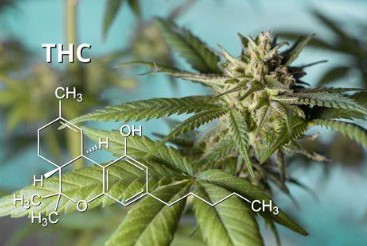
- THC Levels: Typically ranging from 18% to 24%, Liquid Butter is a high-THC strain known for its potent effects.
- CBD Levels: Generally low, usually below 1%, making it less suitable for those seeking high-CBD medicinal benefits but highly effective for THC-based relief.
Medical Uses of Liquid Butter Cannabis Strain
The Liquid Butter cannabis strain, with its Indica-dominant profile and high THC content (18–24%), has gained recognition for its therapeutic applications. Its unique terpene profile contributes to its medicinal effects, offering pain relief, anti-inflammatory properties, stress reduction, and appetite stimulation. This section provides a detailed scientific breakdown of Liquid Butter’s medical benefits, mechanisms of action, and clinical relevance.
Pain Management
Mechanism of Action
Liquid Butter provides analgesic (pain-relieving) effects primarily due to its high THC content and terpene synergy. The pain-relieving properties occur through three primary mechanisms:
- Endocannabinoid System (ECS) Activation
- THC binds to CB1 receptors in the brain and spinal cord, modulating pain perception.
- Caryophyllene, a key terpene, acts as a CB2 agonist, reducing inflammatory pain.
- Dopaminergic Modulation
- Cannabis influences the mesolimbic dopamine pathway, reducing pain sensitivity and enhancing mood.
- Anti-Inflammatory Effects
- Myrcene and caryophyllene inhibit the COX-2 enzyme, reducing inflammation similarly to NSAIDs.
Conditions Benefiting from Liquid Butter
- Neuropathic Pain (e.g., multiple sclerosis, fibromyalgia)
- Arthritis and Joint Pain
- Chronic Migraines
- Post-Surgical Pain
- Cancer-related Pain
Sleep Disorders and Insomnia
Mechanism of Sedation
Liquid Butter has strong sedative effects, making it highly effective for sleep disorders. The scientific basis for its sleep-inducing properties includes:
- GABAergic Modulation
- THC enhances GABAergic inhibition, leading to reduced brain excitability and increased relaxation.
- Melatonin Enhancement
- Studies show cannabis increases endogenous melatonin production, regulating the sleep-wake cycle.
- Myrcene’s Role in Sedation
- Myrcene acts as a muscle relaxant, enhancing deep sleep stages.
Sleep Disorders Treated by Liquid Butter
- Chronic Insomnia
- Restless Leg Syndrome (RLS)
- Sleep Apnea
- Parasomnias (e.g., night terrors, REM behavior disorder)
Clinical Evidence
- A 2019 study in the Journal of Clinical Sleep Medicine found that high-THC strains reduced sleep latency by 30–50% in insomniacs.
- Research suggests that CBD inhibits REM sleep, while THC prolongs deep sleep (NREM Stage 3), beneficial for sleep maintenance.
Anxiety and Stress Reduction
Neurochemical Effects
The anxiolytic (anxiety-reducing) effects of Liquid Butter are attributed to:
- Amygdala Modulation
- THC reduces hyperactivity in the amygdala, the brain’s fear-processing center.
- Serotonergic Effects
- Limonene enhances serotonin receptor activation (5-HT1A), improving mood.
- Cortisol Reduction
- Cannabis use has been linked to lowered cortisol levels, decreasing stress response.
Conditions Benefiting from Liquid Butter
- Generalized Anxiety Disorder (GAD)
- Post-Traumatic Stress Disorder (PTSD)
- Panic Disorder
- Social Anxiety Disorder (SAD)
Dose-Dependent Anxiety Modulation
- Low doses (~5–10mg THC): Anxiolytic (reduces anxiety).
- High doses (>25mg THC): Anxiogenic (may increase paranoia).
- This biphasic effect is why dosing control is crucial for anxiety patients.
Appetite Stimulation (Anti-Wasting Syndrome)
Endocannabinoid Involvement in Hunger Regulation
Liquid Butter is an effective appetite stimulant, benefiting individuals suffering from cachexia, eating disorders, and chemotherapy-induced anorexia. The scientific basis includes:
- CB1 Receptor Activation in the Hypothalamus
- THC triggers the lateral hypothalamus, increasing hunger signals.
- Ghrelin Secretion Enhancement
- THC stimulates ghrelin production, increasing food intake.
- Dopamine Release in the Nucleus Accumbens
- Increases pleasure associated with eating, reinforcing appetite.
Medical Conditions Benefiting from Appetite Stimulation
- Cancer patients undergoing chemotherapy
- HIV/AIDS-related weight loss
- Anorexia Nervosa
- Elderly patients with loss of appetite
Clinical Studies
- A 2020 study in The Journal of Clinical Oncology found that cannabis use increased caloric intake in cancer patients by 30%.
Anti-Inflammatory and Autoimmune Disease Benefits
Immune System Modulation
Liquid Butter’s anti-inflammatory properties make it beneficial for autoimmune and inflammatory disorders through:
- CB2 Receptor Activation in the Immune System
- Suppresses pro-inflammatory cytokines (TNF-α, IL-6, IL-1β).
- Reduction of Oxidative Stress
- Cannabinoids reduce free radical production, limiting cellular damage in chronic inflammation.
- Neuroinflammation Inhibition
- Studies suggest THC reduces neuroinflammation, potentially aiding conditions like multiple sclerosis and Alzheimer’s.
Conditions Benefiting from Anti-Inflammatory Effects
- Rheumatoid Arthritis
- Multiple Sclerosis
- Crohn’s Disease / Ulcerative Colitis
- Lupus
- Alzheimer’s Disease
Clinical Research
- A 2018 study published in Nature Medicine found that THC reduced neuroinflammation in Alzheimer’s patients, improving cognitive function.
- Research indicates that CB2 activation leads to reduced intestinal inflammation in Crohn’s patients.
Neuroprotective and Anticonvulsant Effects
Mechanism of Neuroprotection
Liquid Butter has potential neuroprotective properties, beneficial for neurodegenerative diseases:
- Inhibition of Glutamate Toxicity
- THC reduces excessive glutamate release, protecting neurons from excitotoxic damage.
- Enhancement of Brain-Derived Neurotrophic Factor (BDNF)
- Supports neural regeneration and plasticity.
- Antioxidant Properties
- THC and caryophyllene protect against oxidative stress in the brain.
Conditions Benefiting from Neuroprotection
- Parkinson’s Disease
- Multiple Sclerosis
- Alzheimer’s Disease
- Traumatic Brain Injury (TBI)
Anticonvulsant Effects
- Studies show that high-THC strains like Liquid Butter can reduce seizure frequency.
- CB1 receptor modulation prevents excessive neuronal firing.
Recreational Uses of Liquid Butter Cannabis Strain
Beyond its medicinal benefits, Liquid Butter is widely used by recreational consumers who seek a luxurious smoking experience and intense relaxation.
Deep Relaxation and Couch-Lock
Due to its strong sedative properties, Liquid Butter is best suited for evening or nighttime use. It induces full-body relaxation, often leading to a couch-lock sensation, making it an ideal strain to relax after a tough day.
Euphoria and Mood Elevation
Liquid Butter provides an uplifting euphoric effect, helping users feel more positive and at ease. It is commonly used for relaxation after work or during social gatherings in low-energy settings.
Creative and Sensory Enhancement
Some users report enhanced sensory perception and creative stimulation, making Liquid Butter a great strain for activities like listening to music, watching movies, or engaging in artistic endeavors.
Cultivating Liquid Butter Cannabis Strain
Cultivating the Liquid Butter cannabis strain requires precise environmental control, nutrient management, and training techniques to maximize yield and potency. Below is a detailed, scientific approach to optimizing the growth of Liquid Butter, including ideal conditions, genetic behavior, growth phases, advanced techniques, and troubleshooting cultivation challenges.

Genetic Growth Behavior and Environmental Requirements
Liquid Butter is an Indica-dominant hybrid with a compact, bushy growth structure. It thrives in controlled environments where temperature, humidity, light exposure, and airflow are carefully regulated.
Growth Characteristics
- Indica-Dominant: Short, sturdy structure with broad leaves.
- Flowering Time: 8–9 weeks (indoor) / Late September–October (outdoor).
- Yield Potential: 450–550g per m² indoors / 600g per plant outdoors.
- Trichome Production: High resin concentration, making it ideal for concentrates and extractions.
Environmental Conditions for Optimal Growth
| Factor | Vegetative Stage | Flowering Stage |
|---|---|---|
| Temperature | 70–78°F (21–26°C) | 65–75°F (18–24°C) |
| Humidity | 55–70% | 40–50% |
| Light Cycle | 18/6 (18 hrs light) | 12/12 (12 hrs light) |
| CO₂ Enrichment | 800–1200 ppm | 1000–1500 ppm |
Growth Phases and Scientific Cultivation Techniques
Germination (0–7 Days)
The seed germination phase is crucial for strong plant development.
- Optimal Germination Conditions:
- Temperature: 70–75°F (21–24°C)
- Humidity: 80–90%
- Medium: Soaked Rockwool cubes or moist peat pellets
- Scientific Method: Soaking seeds in distilled water for 12–24 hours before planting activates gibberellins, essential for root sprouting.
- Light Exposure:
- 24 hours of gentle fluorescent lighting (CFL or LED) at 100–200 µmol/m²/s
- Avoid intense lighting to prevent phototoxic stress.
Vegetative Stage (2–6 Weeks)
During this stage, Liquid Butter’s Indica genetics promote rapid leaf and stem development.
- Light Requirements:
- 18/6 cycle with 600W LED or HPS lights
- Maintain DLI (Daily Light Integral) at 35–40 mol/m²/day to optimize photosynthesis.
- Use blue spectrum (400–500nm) for compact growth.
- Humidity and Airflow:
- Maintain 55–70% humidity.
- Introduce oscillating fans for CO₂ exchange and stronger stem development.
- Soil and Hydroponic Considerations:
- pH levels: 6.0–6.5 (Soil), 5.5–6.0 (Hydroponics)
- EC (Electrical Conductivity): 1.2–1.5 mS/cm for balanced nutrient uptake.
Nutrient Regimen
| Element | Function | Vegetative Requirement |
|---|---|---|
| Nitrogen (N) | Promotes leaf growth | High (3:1:2 NPK) |
| Phosphorus (P) | Root and stem development | Moderate |
| Potassium (K) | Stress resistance | High |
Flowering Stage (8–9 Weeks)
During flowering, Liquid Butter focuses on bud production and resin development.
- Light Adjustments:
- Switch to a 12/12 cycle.
- Use red spectrum light (600–700nm) to encourage bud formation.
- Increase DLI to 40–50 mol/m²/day.
- Temperature & Humidity:
- Reduce humidity to 40–50% to prevent mold.
- Maintain temperature at 65–75°F (18–24°C).
- CO₂ Supplementation:
- Maintain 1000–1500 ppm CO₂ to enhance photosynthetic efficiency.
- Use sealed grow rooms with controlled exhaust systems.
Nutrient Regimen for Flowering
| Element | Function | Flowering Requirement |
|---|---|---|
| Nitrogen (N) | Minimized to focus on bud growth | Low |
| Phosphorus (P) | Essential for flower density | High (1:3:2 NPK) |
| Potassium (K) | Increases terpene and cannabinoid synthesis | Very High |
Advanced Cultivation Techniques
High-Stress Training (HST)
- Topping: Cutting the plant’s main stem to encourage lateral growth.
- Supercropping: Gently bending branches to increase light penetration.
Low-Stress Training (LST)
- Tie down branches using soft wires to maintain a flat canopy.
- Benefits: Increases bud sites and improves airflow, reducing mold risk.
Sea of Green (SOG) vs. Screen of Green (ScrOG)
- SOG: Ideal for small spaces—multiple small plants, focusing on one main cola each.
- ScrOG: Uses a mesh screen to support branches, leading to higher yields per plant.
Pest and Disease Management
Common Pests
| Pest | Prevention | Treatment |
|---|---|---|
| Spider Mites | Keep humidity below 50% | Neem oil / Predatory mites |
| Aphids | Introduce ladybugs | Insecticidal soap |
| Fungus Gnats | Let soil dry between watering | Sticky traps |
Disease Prevention
| Disease | Cause | Prevention |
|---|---|---|
| Powdery Mildew | High humidity | Proper ventilation |
| Bud Rot | Poor airflow | Maintain 40% RH in flowering |
Harvesting and Post-Harvest Techniques
Harvest Readiness Indicators
- Trichomes: Check under a magnifier (60–100x zoom).
- Clear Trichomes: Too early.
- Milky Trichomes: Peak potency.
- Amber Trichomes: More sedative effects.
- Pistil Color: 70–80% of pistils should be orange-brown.
Drying & Curing
- Drying: Hang buds upside-down in a 60°F (15°C), 50% RH room for 10–14 days.
- Curing: Store dried buds in airtight glass jars, burping them daily to release moisture.
Maximizing Cannabinoid & Terpene Retention
- Terpene Volatility: Keep drying temps below 70°F (21°C).
- CO₂ Curing: Advanced technique that preserves terpene integrity.
Scientific Analysis of Liquid Butter’s Cultivation Benefits
Cannabinoid Profile Optimization
By adjusting temperature, light spectrum, and nutrient ratios, cultivators can maximize:
- THC Potency: Maintain high phosphorus/potassium ratio in late flowering.
- Terpene Retention: Dry at lower temperatures to prevent evaporation of Myrcene, Caryophyllene, and Linalool.
Yield and Resin Production Enhancements
- UVB Light Exposure: Increases trichome density and THC concentration.
- Silica Supplements: Strengthens cell walls, making plants more resistant to stress.
Scientific Aspects: Terpene Profile and Effects
Liquid Butter’s unique terpene composition contributes to its aroma, flavor, and effects.
Primary Terpenes
- Myrcene: Dominant terpene contributing to sedative and relaxing effects.
- Caryophyllene: Provides anti-inflammatory properties and a peppery aroma.
- Limonene: Adds a citrusy undertone and helps elevate mood.
- Linalool: Known for its floral scent and calming properties.
Scientific Effects
- Endocannabinoid System Interaction: Liquid Butter primarily interacts with the CB1 receptors in the brain, leading to its potent psychoactive effects.
- Neuroprotective Properties: Some studies suggest that high-THC Indica strains may have neuroprotective benefits, potentially aiding in conditions like multiple sclerosis and neurodegenerative diseases.
Potential Side Effects
Like most high-THC strains, Liquid Butter may cause:
- Dry mouth (cottonmouth) – Stay hydrated.
- Dry eyes – Use moisturizing eye drops.
- Dizziness or lightheadedness – More common in novice users.
- Paranoia or anxiety – Can occur at high doses; best used in a relaxed setting.
Conclusion
Liquid Butter is a luxurious and potent Indica-dominant strain with a rich, buttery aroma, a smooth flavor, and deeply relaxing effects. It is highly valued for pain relief, sleep support, anxiety reduction, and appetite stimulation. With its high THC content and unique terpene profile, this strain is a favorite among cannabis enthusiasts seeking a deeply soothing and indulgent experience. Whether used medically or recreationally, Liquid Butter remains a standout strain in the cannabis community.
For a complete directory of cultivars, visit our Cannabis Strain Reviews.
