Table of Contents
Liberty Haze is an award-winning hybrid cannabis strain that has gained popularity for its balanced effects, distinct flavor profile, and strong potency. Recognized for its cerebral stimulation and uplifting properties, Liberty Haze is an ideal strain for both medical and recreational cannabis users. This in-depth guide explores the genetic background, medical benefits, recreational effects, cultivation details, and scientific factors contributing to Liberty Haze’s unique characteristics.
1. Genetic Background
Liberty Haze is a balanced hybrid with a nearly equal split between Sativa and Indica genetics, typically around 60% Sativa and 40% Indica. The strain was developed by crossing G13 and Chemdawg 91, two legendary cannabis strains known for their potency and distinct effects.
- G13 is a powerful Indica strain with mysterious origins, often associated with government research projects. It is known for its deeply relaxing and sedative properties.
- Chemdawg 91 is a potent Sativa-dominant hybrid with strong cerebral effects and a pungent diesel aroma.
The combination of these two parent strains gives Liberty Haze its characteristic fast-acting effects, high THC content, and unique flavor profile.
2. Appearance, Aroma, and Flavor Profile
Appearance
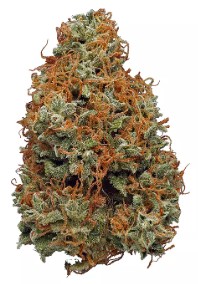
Liberty Haze plants are medium in height with long, slender leaves that exhibit a vibrant green hue. The buds are dense and heavily coated in crystalline trichomes, which give them a frosty appearance. Bright red and orange pistils contrast with the deep green foliage, enhancing the visual appeal of this strain.
Aroma
The aroma of Liberty Haze is distinctive, with a mix of citrus, earthy, and diesel-like undertones. Upon breaking apart the buds, users may notice a strong lime and lemon scent, along with hints of pine and spice. This combination of aromas makes Liberty Haze an inviting strain for those who enjoy fresh and zesty fragrances.
Flavor
When consumed, Liberty Haze delivers a smooth and rich flavor profile. The initial taste is often described as lemon-lime with subtle notes of herbal and floral undertones. The exhale leaves a slightly spicy, earthy aftertaste, enhancing the overall sensory experience.
3. THC and CBD Content
Liberty Haze is known for its high THC content, typically ranging between 18% and 25%, depending on the cultivation methods and phenotypes. This elevated THC concentration makes it a potent strain, suitable for experienced users seeking strong psychoactive effects.
In terms of CBD content, Liberty Haze generally has less than 1% CBD, making it more effective for THC-dominant therapeutic applications rather than CBD-based treatments.
4. Medical Uses of Liberty Haze
Liberty Haze is a high-THC hybrid cannabis strain known for its uplifting cerebral effects and mild physical relaxation. Its balanced Sativa (60%) and Indica (40%) genetics, combined with a high THC content (18-25%) and unique terpene profile, make it a suitable candidate for various medical applications. Below is a scientific breakdown of its therapeutic potential, including the mechanisms of action, pharmacological effects, and clinical relevance for specific conditions.
1. Mechanisms of Action and Pharmacology
Interaction with the Endocannabinoid System (ECS)
Liberty Haze exerts its effects primarily by interacting with the endocannabinoid system (ECS), a crucial network of receptors that regulate homeostasis, mood, pain, inflammation, and immune function. The main components involved are:
- CB1 Receptors (Central Nervous System) → Mediate psychoactive effects, mood regulation, and pain relief.
- CB2 Receptors (Immune System, Peripheral Tissues) → Influence inflammation, immune response, and neuroprotection.
The primary cannabinoids in Liberty Haze act as follows:
- THC (Δ9-Tetrahydrocannabinol, 18-25%):
- Partial agonist at CB1 receptors, modulating dopamine and serotonin levels to enhance mood.
- Interacts with CB2 receptors to reduce inflammation and pain perception.
- High doses may cause mild anxiogenic effects, though terpenes may counteract this.
- CBD (<1%):
- Minimal in Liberty Haze but present in trace amounts to modulate THC’s psychoactive intensity.
- Indirect agonist of CB1/CB2, affecting GABAergic and serotonergic neurotransmission.
- Terpenes (Aromatic Compounds with Medicinal Benefits):
- Limonene: Antidepressant, anti-anxiety, and stress-reducing.
- Myrcene: Sedative, muscle relaxant, pain reliever.
- Caryophyllene: Anti-inflammatory, interacts with CB2 receptors.
- Pinene: Cognitive enhancer, bronchodilator, anti-inflammatory.
2. Medical Applications of Liberty Haze

A. Mental Health Disorders
- Depression
- Mechanism: THC increases dopamine levels in the brain by activating CB1 receptors, resulting in improved mood, motivation, and energy.
- Clinical Evidence: Studies indicate that cannabinoids can modulate serotonin release, similar to SSRIs, making Liberty Haze a potential natural antidepressant.
- Terpene Role: Limonene enhances serotonin activity, reducing depressive symptoms.
- Anxiety Disorders (Generalized Anxiety, Social Anxiety, PTSD)
- Low doses of THC can induce anxiolytic (calming) effects, but high doses may trigger anxiety in susceptible individuals.
- Caryophyllene interacts with CB2 receptors, reducing neuroinflammation linked to anxiety.
- Pinene may counteract THC-induced cognitive impairment, improving clarity.
- Attention Deficit Hyperactivity Disorder (ADHD)
- Some users report improved focus and reduced impulsivity, likely due to THC’s dopaminergic modulation.
- Low-to-moderate doses may help with cognitive function, but excessive THC intake can impair short-term memory.
B. Pain Management
- Neuropathic Pain (Nerve Pain, Fibromyalgia, Sciatica)
- THC reduces pain signaling by modulating glutamate and GABA neurotransmitters in pain pathways.
- CB1 activation blocks pain perception in the central nervous system, making it effective for chronic pain conditions.
- Inflammatory Pain (Arthritis, Multiple Sclerosis, Autoimmune Disorders)
- CB2 receptor activation by THC and β-caryophyllene suppresses inflammatory cytokines like TNF-α and IL-6.
- Myrcene and limonene enhance anti-inflammatory effects, helping with joint pain and muscle stiffness.
- Migraine and Tension Headaches
- CB1 receptor stimulation inhibits trigeminal nerve pain, reducing migraine frequency and severity.
- Terpenes like pinene and limonene enhance cerebral blood flow, potentially preventing migraine onset.
C. Neurological Disorders
- Multiple Sclerosis (MS) and Muscle Spasms
- Studies show THC and CBD can reduce muscle spasticity and tremors in MS patients by modulating CB1 receptors in the motor cortex.
- Terpenes like myrcene act as muscle relaxants, providing additional relief.
- Epilepsy and Seizure Control
- While Liberty Haze is THC-dominant, some studies suggest low-dose THC may have anticonvulsant effects.
- However, high-THC strains are less effective than high-CBD strains (e.g., Charlotte’s Web) for epilepsy.
D. Sleep Disorders
- Insomnia
- Liberty Haze is not as sedative as Indica strains, but it induces relaxation in higher doses, making it beneficial for mild insomnia.
- CB1 receptor activation promotes deep sleep, while myrcene enhances sedative effects.
- Restless Leg Syndrome (RLS)
- Cannabinoids help regulate dopaminergic activity, reducing RLS symptoms.
- Liberty Haze’s muscle-relaxing properties can aid in minimizing leg spasms.
E. Gastrointestinal Disorders
- Nausea and Vomiting (Chemotherapy-Induced or Chronic Conditions)
- THC interacts with serotonin receptors (5-HT3) in the gut, reducing nausea and increasing appetite.
- Limonene enhances gastric motility, helping to ease digestive discomfort.
- Inflammatory Bowel Diseases (IBD, Crohn’s, Ulcerative Colitis)
- CB2 receptor activation reduces gut inflammation and cytokine release.
- Caryophyllene may protect intestinal mucosa, reducing pain and bloating.
F. Appetite Stimulation & Metabolic Disorders
- Cachexia (Wasting Syndrome in Cancer, HIV/AIDS Patients)
- THC stimulates CB1 receptors in the hypothalamus, increasing appetite.
- Effective for severe appetite loss, particularly in cancer patients undergoing chemotherapy.
- Diabetes and Blood Sugar Regulation
- Some cannabinoids influence insulin sensitivity and glucose metabolism.
- While Liberty Haze is not a primary anti-diabetic strain, its anti-inflammatory properties may benefit diabetic neuropathy.
3. Potential Side Effects and Considerations
While Liberty Haze offers many medical benefits, some individuals may experience side effects, especially at high doses:
Increased Heart Rate – May not be suitable for individuals with cardiovascular conditions.
Dry Mouth (Cottonmouth) – Caused by THC’s effect on salivary glands.
Dry Eyes – Reduced tear production, alleviated with artificial tears.
Mild Anxiety or Paranoia – More common at high THC doses in anxiety-prone individuals.
Short-Term Memory Impairment – Due to THC’s temporary disruption of hippocampal activity.
5. Recreational Uses of Liberty Haze
Beyond its medical applications, Liberty Haze is also a favorite among recreational cannabis users. The strain provides a well-balanced experience that combines cerebral stimulation with physical relaxation.
Euphoria and Mood Elevation
One of the most prominent effects of Liberty Haze is its ability to uplift mood and induce euphoria. Users often experience an immediate sense of happiness and well-being, making it a great option for social situations or leisure.
Creativity Enhancement
Artists, musicians, and writers often use Liberty Haze to spark creativity. The strain’s cerebral effects can lead to enhanced inspiration and out-of-the-box thinking.
Focus and Productivity
Unlike heavy Indica strains that may cause lethargy, Liberty Haze provides a clear-headed high, making it suitable for tasks that require concentration and mental agility. It can be useful for brainstorming sessions, studying, or engaging in productive activities.
Social Interaction
Liberty Haze is a great strain for social gatherings, as it promotes conversation and laughter while reducing social anxiety. Many users report feeling more talkative and engaged after consuming this strain.
Evening Relaxation
While Liberty Haze is not as sedative as pure Indica strains, its effects gradually transition into a relaxed state, making it a good choice for winding down in the evening without feeling overly drowsy.
6. Growing Liberty Haze Cannabis Strain
Liberty Haze is a moderately easy strain to cultivate, making it suitable for both beginner and experienced growers. However, maximizing yield, potency, and terpene expression requires an understanding of environmental conditions, nutrient management, and plant training techniques. Below is a detailed breakdown of the scientific principles and best practices involved in cultivating Liberty Haze.
Ideal Growing Conditions
Environmental Factors
- Temperature:
- Vegetative Stage: 70–85°F (21–29°C)
- Flowering Stage: 65–80°F (18–27°C)
- Nighttime Drop: A slight temperature drop of ~10°F at night improves bud density and trichome production.
- Humidity Levels:
- Seedling Stage: 65–70% RH (Relative Humidity)
- Vegetative Stage: 55–65% RH
- Flowering Stage: 40–50% RH
- Late Flowering (Final Weeks): 30–40% RH to prevent mold and bud rot.
- CO₂ Enrichment:
- In controlled environments, supplementing with CO₂ (1,200–1,500 ppm) during the vegetative and early flowering stages can increase growth rate and THC production by enhancing photosynthesis.
Light Requirements
Liberty Haze is a photoperiod strain, meaning its flowering cycle is triggered by light exposure. The ideal light schedule for different growth stages is:
- Seedling and Vegetative Phase:
- Indoor: 18/6 or 20/4 light/dark cycle
- Outdoor: Natural daylight with at least 14–16 hours of sunlight per day.
- Flowering Phase:
- Indoor: 12/12 light/dark cycle to induce flowering.
- Outdoor: Flowering starts as daylight hours drop below 12–13 hours in autumn.
Light Intensity & Spectrum:
- Vegetative Growth: High-output T5 fluorescent, MH (Metal Halide), or LED grow lights at 400–600 PPFD (Photosynthetic Photon Flux Density).
- Flowering Phase: HPS (High-Pressure Sodium) or full-spectrum LEDs at 800–1,000 PPFD to encourage dense bud production.
Cultivation Methods and Training Techniques
Indoor vs. Outdoor Cultivation
- Indoor Growing:
- Pros: Greater control over environment, ability to grow year-round, higher potency potential.
- Cons: Higher electricity costs, limited plant size.
- Outdoor Growing:
- Pros: Cost-effective, natural sunlight benefits plant metabolism.
- Cons: Vulnerable to pests, environmental fluctuations.
Soil vs. Hydroponic Systems
- Soil:
- Organic soil rich in nutrients enhances terpene production, improving aroma and flavor.
- Ideal pH range: 6.0–6.5.
- Soil amendments: Mycorrhizal fungi and beneficial bacteria help improve nutrient uptake.
- Hydroponics:
- Faster growth and higher yields.
- Ideal pH range: 5.5–6.0.
- Requires precise nutrient control and oxygenated water systems.
Plant Training Techniques
- Low-Stress Training (LST):
- Bending branches gently to create a flat canopy improves light exposure.
- Encourages more bud sites without causing stress.
- Screen of Green (ScrOG):
- Uses a screen to evenly spread out growth, allowing for higher yields per square foot.
- Topping & FIMing:
- Cutting the apical meristem (main top) encourages lateral growth.
- Topping (cutting the main stem) creates multiple colas.
- FIMing (partial cut of new growth) produces bushier plants.
- Defoliation:
- Removing lower fan leaves improves airflow and reduces humidity, preventing mold.
Nutrient Management and Fertilization
Macronutrients:
- Nitrogen (N): Essential for vegetative growth.
- Phosphorus (P): Essential for the growth of roots and the production of flowers.
- Potassium (K): Improves disease resistance and overall plant health.
Nutrient Requirements by Growth Stage
| Stage | Nitrogen (N) | Phosphorus (P) | Potassium (K) | Notes |
|---|---|---|---|---|
| Seedling | Low | Low | Low | Avoid overfeeding; use diluted nutrients. |
| Vegetative | High | Medium | Medium | Promotes strong root and leaf growth. |
| Early Flowering | Medium | High | High | Supports initial bud formation. |
| Late Flowering | Low | High | High | Enhances terpene and cannabinoid production. |
Micronutrients:
- Calcium (Ca): Strengthens cell walls and prevents deficiencies.
- Magnesium (Mg): Essential for chlorophyll production.
- Sulfur (S): Helps in terpene synthesis.
Nutrient Deficiency Signs:
- Nitrogen Deficiency: Yellowing lower leaves.
- Phosphorus Deficiency: Dark green leaves with purple stems.
- Potassium Deficiency: Leaf edges appear burnt or curled.
Organic vs. Synthetic Nutrients
- Organic: Bat guano, fish meal, kelp extract (improves terpene profile).
- Synthetic: More precise but can lead to nutrient buildup if overused.

Watering & Irrigation Techniques
- Watering Frequency:
- Seedlings: Light misting every 24–48 hours.
- Vegetative: Every 2–3 days, allowing soil to dry between watering.
- Flowering: Reduced watering frequency (every 3–4 days), preventing root rot.
- Ideal pH Levels:
- Soil: 6.0–6.5
- Hydroponics: 5.5–6.0
- Watering Techniques:
- Drip Irrigation: Ensures consistent moisture and prevents overwatering.
- Deep Water Culture (DWC): In hydroponic setups, aerated nutrient-rich water improves uptake.
Flowering, Harvesting, and Post-Harvest Techniques
Trichome Maturity and Harvest Timing
- Clear trichomes: Immature buds, low potency.
- Milky white trichomes: Peak THC levels, best time to harvest.
- Amber trichomes: THC begins to degrade, producing a more sedative effect.
Harvesting Process
- Flush Plants (Final 10–14 Days): Use pH-balanced water to remove excess nutrients.
- Cut Branches: Harvest when trichomes are mostly cloudy.
- Drying Process:
- Temperature: 60–70°F (15–21°C).
- Humidity: 50–60%.
- Duration: 7–14 days (slow drying preserves terpenes).
- Curing (Enhances Flavor and Potency):
- Store in airtight glass jars.
- Open daily for first two weeks to release excess moisture.
- Optimal curing time: 3–8 weeks.
7. Potential Side Effects
While Liberty Haze is generally well-tolerated, some users may experience side effects, including:
- Dry Mouth and Dry Eyes: Common with most cannabis strains, staying hydrated can help.
- Dizziness or Lightheadedness: May occur in individuals with low THC tolerance.
- Mild Anxiety or Paranoia: More likely in sensitive users or with high doses.
Conclusion
Liberty Haze is a well-balanced hybrid that offers a mix of cerebral stimulation and physical relaxation. With its high THC content, unique flavor, and diverse medical and recreational benefits, it remains a popular choice in the cannabis community. Whether used for pain relief, mood enhancement, or creativity, Liberty Haze continues to be a top-tier strain for cannabis connoisseurs and medical patients alike.
For a complete directory of cultivars, visit our Cannabis Strain Reviews.
