Table of Contents
Lemon Tree is a well-balanced hybrid cannabis strain known for its pungent citrus aroma, potent effects, and a diverse range of therapeutic benefits. As an award-winning strain, Lemon Tree has gained widespread popularity among recreational and medical cannabis users alike. This guide provides an in-depth exploration of its genetic composition, medical applications, recreational appeal, cultivation requirements, and scientific profile.
1. Genetic Background
Lemon Tree is a 50/50 hybrid strain, created from the legendary cross of Lemon Skunk and Sour Diesel. Both parent strains are known for their high potency, complex terpene profiles, and invigorating effects.
- Lemon Skunk contributes its signature citrus aroma, uplifting effects, and a sativa-like cerebral buzz.
- Sour Diesel brings in a gassy, fuel-like scent and potent euphoria, combined with a long-lasting relaxation effect.
This genetic combination results in a well-balanced hybrid that provides both mental stimulation and physical relaxation, making it a versatile strain for various uses.
2. Appearance, Aroma, and Flavor Profile
Appearance
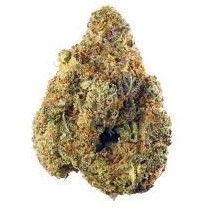
Lemon Tree produces medium to large, dense buds covered in a thick layer of crystalline trichomes. The nugs are often lime green with bright orange pistils and a slightly sticky texture due to the high resin content. The overall look of the buds gives an impression of potency and high cannabinoid production.
Aroma
One of the defining characteristics of Lemon Tree is its strong citrus aroma, reminiscent of freshly peeled lemons. The strain also emits hints of skunk, diesel, and earth, which come from its Sour Diesel heritage. When properly cured, the buds produce a pungent, zesty scent that lingers in the air.
Flavor
Lemon Tree delivers a smooth and tangy flavor profile, making it a favorite among connoisseurs. The dominant taste is a refreshing lemon and citrus burst, followed by subtle undertones of pine, diesel, and spice. The smoke or vapor is often described as clean and easy on the throat, making it enjoyable for both novice and experienced users.
3. THC, CBD, and Terpene Content
THC and CBD Levels
- THC Content: Ranges between 18% to 25%, making Lemon Tree a moderately to highly potent strain.
- CBD Content: Usually below 1%, meaning it is not a primary choice for users seeking high-CBD therapeutic effects.
Primary Terpenes
- Limonene – Dominant in citrus strains, responsible for the fresh lemon scent and uplifting mood-enhancing effects.
- Myrcene – Adds a herbal, earthy note and contributes to the strain’s relaxing and sedative properties.
- Caryophyllene – Provides spicy, peppery undertones and has potential anti-inflammatory benefits.
- Pinene – Offers pine-like flavors and may promote alertness while counteracting some THC-induced memory impairment.
4. Medical Uses of Lemon Tree
Lemon Tree is a well-balanced hybrid (50% Indica, 50% Sativa) that offers a combination of therapeutic benefits, making it a popular choice in medical cannabis treatments. Its high THC content (18-25%), combined with a diverse terpene and cannabinoid profile, contributes to its effectiveness in treating various neurological, psychological, and physiological conditions. Below is an in-depth analysis of its scientifically-backed medical applications.

Pain Management and Analgesic Effects
Chronic Pain Relief
Lemon Tree is effective for chronic pain conditions due to its high THC content and terpenoid synergy, particularly with beta-caryophyllene, myrcene, and limonene.
How It Works:
- THC binds to CB1 and CB2 receptors in the endocannabinoid system (ECS), modulating pain perception.
- Beta-caryophyllene acts as a selective CB2 receptor agonist, reducing inflammation and pain without psychoactive effects.
- Myrcene enhances the permeability of the blood-brain barrier, allowing cannabinoids to reach pain-processing centers more efficiently.
Conditions Benefiting from Lemon Tree:
- Arthritis and Rheumatoid Arthritis – Anti-inflammatory effects reduce joint pain.
- Fibromyalgia – THC reduces neuropathic pain and muscular discomfort.
- Migraines and Cluster Headaches – Lemon Tree’s vasodilatory properties help ease vascular headaches.
- Multiple Sclerosis (MS) Pain – Relieves muscle spasms and neurological pain.
Neurological and Mental Health Benefits
Lemon Tree exhibits mood-regulating and neuroprotective properties, making it effective in treating depression, anxiety, PTSD, ADHD, and neurodegenerative disorders.
A. Anxiety and Stress Reduction
Lemon Tree has a unique effect on anxiety due to its balanced Sativa and Indica properties.
- Low doses (5-10 mg THC) promote stress relief and calmness.
- Higher doses (>15 mg THC) may induce paranoia or overstimulation in anxiety-prone individuals.
Mechanism of Action:
- Limonene (dominant terpene) increases serotonin and dopamine levels, reducing anxiety and improving mood.
- THC interacts with CB1 receptors in the amygdala, helping regulate fear responses and emotional processing.
- Beta-caryophyllene modulates CB2 receptors, reducing stress-related inflammation in the brain.
B. Depression and Mood Disorders
Lemon Tree is an effective antidepressant alternative due to its ability to modulate the endocannabinoid system and neurotransmitter release.
Key Effects:
- Enhances dopamine release, leading to increased motivation, pleasure, and mental clarity.
- Serotonergic modulation via limonene helps regulate mood, reducing symptoms of major depressive disorder (MDD).
- Neurogenesis promotion in the hippocampus, reducing stress-related damage to brain cells.
Conditions Benefiting from Lemon Tree:
- Clinical Depression (MDD)
- Bipolar Disorder (during depressive episodes)
- Seasonal Affective Disorder (SAD)
C. Post-Traumatic Stress Disorder (PTSD)
Lemon Tree has shown efficacy in treating PTSD due to its ability to modulate fear memory reconsolidation and promote relaxation without heavy sedation.
Mechanism of Action:
- THC reduces overactivity in the amygdala, responsible for fear-based memories.
- Limonene increases hippocampal neuroplasticity, helping with cognitive flexibility.
- CBD (in trace amounts) reduces hypervigilance and intrusive thoughts.
D. Attention Deficit Hyperactivity Disorder (ADHD)
Lemon Tree may help with focus and impulse control by regulating dopaminergic activity.
Scientific Basis:
- THC increases prefrontal cortex dopamine levels, improving concentration.
- Pinene promotes alertness and cognitive function by inhibiting acetylcholinesterase.
Sleep Disorders and Insomnia Treatment
Lemon Tree is not a heavy sedative, but it can help with sleep disorders, especially in moderate-to-high doses.
How It Affects Sleep:
- Low doses (5-10 mg THC): Provide relaxation without sedation.
- High doses (>15 mg THC): Induce deep sleep by increasing slow-wave sleep.
- Myrcene’s sedative properties help reduce sleep latency (time taken to fall asleep).
Conditions Benefiting:
- Chronic Insomnia
- Circadian Rhythm Disorders
- Sleep Apnea (adjunct to traditional treatments)
Gastrointestinal and Digestive Health
Lemon Tree has strong anti-nausea, appetite-stimulating, and gut-regulating properties, making it beneficial for gastrointestinal disorders.
A. Anti-Nausea and Vomiting
Lemon Tree is effective for chemotherapy-induced nausea and vomiting (CINV) due to THC’s antiemetic properties.
How It Works:
- THC binds to CB1 receptors in the brainstem, reducing nausea signals.
- Limonene enhances gastrointestinal motility, improving digestion.
B. Appetite Stimulation
Lemon Tree may help patients suffering from cachexia (wasting syndrome), HIV/AIDS-related appetite loss, or anorexia.
- THC stimulates the lateral hypothalamus, triggering hunger responses.
- Beta-caryophyllene modulates gut microbiota, improving digestion.
C. Inflammatory Bowel Diseases (IBD, Crohn’s, Ulcerative Colitis)
Lemon Tree can reduce inflammation in the gut and regulate immune responses.
- CB2 receptor activation reduces pro-inflammatory cytokines.
- Limonene and beta-caryophyllene work as gut-protective anti-inflammatory agents.
Anti-Inflammatory and Autoimmune Benefits
Lemon Tree exhibits strong anti-inflammatory effects, beneficial for autoimmune conditions and inflammatory diseases.
A. Immune System Modulation
- THC suppresses overactive immune responses in autoimmune disorders.
- CBD and beta-caryophyllene regulate TNF-α and IL-6 levels, reducing chronic inflammation.
B. Conditions Benefiting:
- Lupus
- Psoriasis
- Multiple Sclerosis (MS) – Muscle Spasticity & Nerve Pain
- Rheumatoid Arthritis (RA)
Neuroprotection and Cognitive Benefits
Lemon Tree has neuroprotective properties, making it a potential treatment for neurodegenerative diseases.
A. Alzheimer’s and Dementia
- THC reduces beta-amyloid plaque accumulation, a hallmark of Alzheimer’s disease.
- Pinene and limonene improve memory retention and neuroplasticity.
B. Parkinson’s Disease
- THC reduces tremors and muscle rigidity by modulating the ECS.
- Beta-caryophyllene has anti-inflammatory effects on dopaminergic neurons.
Potential Risks and Considerations
While Lemon Tree provides numerous medical benefits, some potential risks include:
- High THC may cause anxiety or paranoia in sensitive individuals.
- Dizziness or orthostatic hypotension in high doses.
- Mild cognitive impairment with frequent use in young adults.
5. Recreational Uses of Lemon Tree
Mood Enhancement and Euphoria
Lemon Tree is well-loved for its ability to boost mood, promote euphoria, and induce relaxation without causing excessive drowsiness. Users report a happy, carefree high that makes it great for social situations or creative activities.
Creativity and Focus
While not as stimulating as pure sativa strains, Lemon Tree can enhance focus and creative thinking, which makes it a good option for:
- Artistic activities (painting, writing, music)
- Brainstorming sessions
- Engaging conversations
Relaxation Without Sedation
Unlike heavy indica strains, Lemon Tree provides full-body relaxation without excessive couch-lock, making it an ideal strain for unwinding after work or in the evening without feeling overly tired.
6. Cultivation and Growing Information
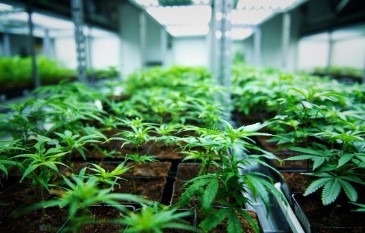
Lemon Tree is a moderately challenging strain to grow, requiring precise environmental conditions, nutrient management, and training techniques to maximize its yield and potency. Below is a detailed breakdown of the scientific aspects of its cultivation, covering genetics, growth cycle, environmental parameters, training techniques, nutrient requirements, and pest management.
Genetic Influence on Growth Behavior
Lemon Tree is a 50/50 hybrid, inheriting growth traits from both Lemon Skunk (Sativa) and Sour Diesel (Sativa-dominant hybrid). This genetic background affects several aspects of cultivation:
- Growth Rate: Medium to fast, requiring frequent pruning and training.
- Structure: Bushy but with elongated branches, requiring support in flowering.
- Stretch During Flowering: Moderate (1.5x to 2x in height increase).
- Resin Production: High, due to trichome-rich buds.
- Resistance: Moderate resistance to mold and mildew, but vulnerable to pests like spider mites and aphids.
Optimal Cultivation Conditions
Lemon Tree can be grown indoors or outdoors, but controlled indoor environments yield better quality buds. Here’s how to optimize its growth conditions:
Indoor Cultivation
- Temperature: 68-78°F (20-26°C)
- Relative Humidity (RH):
- Vegetative Stage: 55-65%
- Flowering Stage: 40-50% (Lowering humidity prevents mold)
- Late Flowering: 30-40% (Enhances resin production)
- Lighting:
- Vegetative: 18/6 light cycle (LED or HPS lighting)
- Flowering: 12/12 light cycle (Optimal for trichome production)
- CO₂ Enrichment: 1,200-1,500 PPM enhances photosynthesis, leading to increased bud density and yield.
Outdoor Cultivation
- Climate Preference: Mediterranean-like, warm and dry.
- Best Growing Season: Early spring to mid-fall, with harvest in late October.
- Soil Preference:
- Loamy, well-aerated soil with a slightly acidic pH (6.0-6.5).
- Adding compost and perlite improves nutrient absorption and aeration.
- Sunlight Requirements: At least 8 hours of direct sunlight per day.
Nutrient and Feeding Schedule
Lemon Tree has moderate-to-high nutrient demands, particularly for nitrogen, phosphorus, and potassium. Proper feeding ensures optimal yield and potency.
Vegetative Stage (Weeks 1-6)
- Nitrogen (N): Vital for the growth of leaves and stems.
- Phosphorus (P): Encourages root growth.
- Potassium (K): Supports overall plant health.
- N-P-K Ratio: 3:1:2 or 4:2:3
- Micro-nutrients: Calcium (Ca), Magnesium (Mg), Zinc (Zn), and Iron (Fe) aid in cell structure and chlorophyll production.
- Watering: Maintain soil moisture but avoid overwatering to prevent root rot.
Pre-Flowering (Weeks 7-8)
- Transition to a lower nitrogen, higher phosphorus, and potassium blend.
- N-P-K Ratio: 1:3:2
- Boost phosphorus (P): Stimulates bud formation and flower sites.
Flowering Stage (Weeks 9-12)
- Reduce nitrogen (N) to prevent excessive leafy growth.
- Increase phosphorus (P) and potassium (K) for larger, denser buds.
- N-P-K Ratio: 1:4:3
- Silica supplements: Strengthens stems to support heavy buds.
- Flush plants with pH-balanced water (6.0-6.2) for the final two weeks to remove excess nutrients and enhance flavor.
Growth Management & Training Techniques
Lemon Tree’s hybrid structure benefits from training techniques to maximize light exposure, airflow, and yield.
Low-Stress Training (LST)
- Tying down branches encourages horizontal growth, maximizing light exposure.
- Prevents uneven canopy growth and enhances bud site development.
Screen of Green (ScrOG)
- Using a net or mesh screen to train branches horizontally.
- Increases yield density by ensuring light penetrates lower bud sites.
Topping & FIMing
- Topping: Cutting the main stem at early vegetative stages promotes bushier growth.
- FIMing: Partial cutting of the top leaves to stimulate multiple cola development.
Defoliation & Pruning
- Removing excess fan leaves improves airflow and prevents mold in humid environments.
- Light penetration to lower bud sites enhances overall yield.
Pest and Mold Prevention
Lemon Tree is moderately resistant to environmental stress but is vulnerable to pests and mold. Proper care ensures a healthy and productive harvest.
Common Pests
- Spider Mites – Small, web-producing mites that damage leaves.
- Prevention: Neem oil, predatory mites (Phytoseiulus persimilis).
- Aphids – Sap-sucking insects that weaken the plant.
- Prevention: Insecticidal soap, ladybugs.
- Fungus Gnats – Thrive in overwatered soil.
- Prevention: Let soil dry between watering, use sticky traps.
Mold & Mildew Prevention
- Air Circulation: Use oscillating fans in indoor setups.
- Humidity Control: Keep RH below 50% in flowering.
- Spacing: Avoid overcrowding plants to prevent moisture buildup.
Harvesting & Curing Process
Proper harvesting and curing maximize potency, flavor, and smoothness.
When to Harvest?
- Trichome Color Check:
- Clear Trichomes: Not ready.
- Milky Trichomes: Peak THC levels—best for a balanced high.
- Amber Trichomes: More CBN, giving a sedative effect.
Harvesting Method
- Cut entire branches, hang them upside-down in a dark, cool room.
- Temperature: 60-70°F (15-21°C).
- Humidity: 45-55% for slow drying.
- Drying Time: 7-12 days.
Curing Process (2-4 weeks)
- Dried buds should be kept in airtight glass jars.
- Open jars daily (burping) for the first week to release moisture.
- Maintain jar humidity at 58-62% for optimal terpene preservation.
Yield Potential
- Indoor Yield: 400-500g/m² under optimal conditions.
- Outdoor Yield: 500-700g per plant, depending on climate and soil quality.
7. Potential Side Effects
While Lemon Tree is well-tolerated by most users, some potential side effects include:
- Dry Mouth (Cottonmouth): Staying hydrated can help reduce discomfort.
- Dry Eyes: Using eye drops may alleviate irritation.
- Dizziness: More common in those sensitive to THC or consuming high doses.
- Mild Anxiety or Paranoia: Can occur in users sensitive to THC or when consuming in large amounts.
8. Conclusion
Lemon Tree is a versatile and well-balanced hybrid strain offering a unique combination of uplifting euphoria, relaxation, and therapeutic benefits. Its pungent citrus aroma, high THC potency, and smooth smoking experience make it a preferred by both medical and recreational users.
With its ability to relieve pain, reduce stress, enhance mood, and boost energy, Lemon Tree is a suitable choice for a wide range of conditions while still providing an enjoyable, flavorful experience. Whether cultivated at home or enjoyed as a dispensary selection, Lemon Tree remains one of the most sought-after hybrid strains in the cannabis community.
For those looking for a citrus-infused, well-rounded hybrid that delivers both medical and recreational benefits, Lemon Tree is undoubtedly a top contender.
For a complete directory of cultivars, visit our Cannabis Strain Reviews.
