Table of Contents
Lemon Thai is a renowned Sativa-dominant hybrid strain, known for its uplifting effects, citrusy aroma, and balanced cerebral high. With its Thai landrace and Hawaiian lineage, this strain has gained popularity among cannabis enthusiasts for its energizing properties and potential therapeutic benefits. This detailed guide explores the genetic composition, medical applications, recreational uses, and scientific insights into Lemon Thai’s effects and cultivation.
1. Genetic Background
Lemon Thai is a Sativa-dominant hybrid, typically comprising 60-70% Sativa and 30-40% Indica genetics. The strain is a cross between a Thai landrace strain and Hawaiian strains, known for their tropical, citrusy terpene profiles and uplifting effects. The combination of these genetics results in a well-balanced hybrid with both cerebral stimulation and mild body relaxation.
Lineage and Origins
- Thai Landrace: Thai landrace strains are naturally occurring cannabis varieties that have grown in Thailand’s tropical climate for centuries. These strains are known for their high potency, slow onset of effects, and long-lasting cerebral highs.
- Hawaiian Strain: Hawaiian strains contribute to Lemon Thai’s unique fruity and tropical aroma, along with a slightly more balanced effect profile that prevents excessive stimulation.
- Breeding Influence: Lemon Thai is often used as a parent strain in breeding projects, given its high THC content, unique terpene profile, and energetic effects.
2. Appearance, Aroma, and Flavor Profile
Appearance
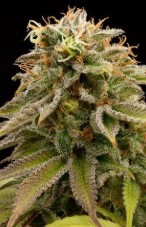
Lemon Thai cannabis plants are tall and slender, characteristic of Sativa-dominant strains. The leaves are thin and elongated, with a bright green hue. The buds are elongated and conical, densely packed with orange pistils and coated in a thick coating of trichomes, which makes them look icy. Some phenotypes exhibit hints of purple due to anthocyanin production in cooler temperatures.
Aroma
The dominant scent of Lemon Thai is a strong citrus aroma, reminiscent of freshly squeezed lemons. This pungent fragrance is complemented by:
- Herbal and earthy undertones
- Hints of spice and pine
- Slight floral and woody notes
Flavor
When consumed, Lemon Thai offers a smooth, refreshing, and zesty taste. The flavor is predominantly citrus-forward, with layers of:
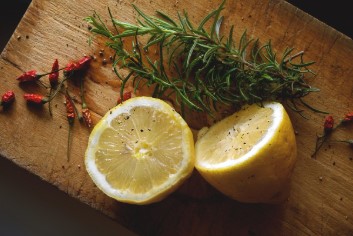
- Sweet lemon zest
- Mild herbal and minty undertones
- Subtle spice with a creamy exhale
The terpene profile responsible for this complex flavor includes limonene, myrcene, and caryophyllene.
3. THC and CBD Content
Lemon Thai is known for its high THC concentration, typically ranging from 18% to 22%, with some cultivators achieving even higher potency levels. The strain contains low CBD levels (<1%), making it more suited for THC-driven therapeutic applications rather than CBD-focused relief.
4. Medical Uses of Lemon Thai Cannabis Strain
Lemon Thai is a Sativa-dominant hybrid with high THC content (18-22%) and low CBD levels (<1%), making it particularly effective for various medical applications. Its euphoric, uplifting, and mildly relaxing effects make it beneficial for mental health conditions, pain management, and neuroprotective benefits. Below is an in-depth scientific breakdown of Lemon Thai’s medical properties, mechanisms of action, and potential therapeutic applications.

Pharmacological Mechanisms and Neurochemical Interactions
A. Interaction with the Endocannabinoid System (ECS)
The medical effects of Lemon Thai are largely attributed to its interaction with the ECS, which regulates mood, pain, inflammation, sleep, and appetite. There are two primary cannabinoid receptors in the ECS:
- CB1 Receptors (Central Nervous System – Brain & Spinal Cord)
- THC (Δ9-tetrahydrocannabinol) binds to CB1 receptors, modulating neurotransmitter release and producing euphoria, analgesia, and mood elevation.
- Limonene, a dominant terpene in Lemon Thai, enhances serotonin and dopamine activity, contributing to antidepressant effects.
- CB2 Receptors (Immune System & Peripheral Organs)
- Though Lemon Thai has low CBD content, its β-caryophyllene content binds to CB2 receptors, providing anti-inflammatory and neuroprotective effects.
B. Neurotransmitter Modulation
Lemon Thai enhances several neurotransmitter systems:
- Dopamine (DA) Boost: Stimulates motivation and reward pathways, helpful in treating depression, ADHD, and fatigue.
- Serotonin (5-HT) Modulation: Helps with anxiety, mood disorders, and PTSD.
- GABA & Glutamate Balance: Supports cognitive function while preventing excessive neuronal excitability (useful for epilepsy and neuroprotection).
Medical Applications of Lemon Thai
A. Mental Health Benefits
1. Depression & Mood Disorders
Lemon Thai’s euphoric and uplifting effects are particularly beneficial for individuals with Major Depressive Disorder (MDD) and Bipolar Disorder (BD).
Mechanism of Action:
- Increases dopamine & serotonin levels, improving motivation and mood.
- Limonene enhances serotonin receptor function, contributing to antidepressant-like effects.
- Low risk of sedation, making it ideal for daytime use in depression management.
Clinical Use: Recommended for mild to moderate depression, particularly in patients needing a non-sedative cannabis strain.
2. Anxiety & PTSD Relief
Lemon Thai is known to reduce stress and anxiety without inducing excessive sedation, making it useful for:
- Generalized Anxiety Disorder (GAD)
- Post-Traumatic Stress Disorder (PTSD)
- Social Anxiety Disorder (SAD)
Mechanism of Action:
- Limonene & Myrcene work synergistically to promote anxiolytic (anti-anxiety) effects.
- Low CBD levels mean it may not be ideal for high-anxiety patients, but moderate doses reduce cortisol (stress hormone) levels.
Clinical Use: Best for situational anxiety but may exacerbate paranoia in THC-sensitive patients.
3. ADHD & Cognitive Function
Due to its dopamine-enhancing effects, Lemon Thai is often used as an alternative treatment for ADHD.
Mechanism of Action:
- Stimulates dopamine receptors, improving focus, executive function, and working memory.
- Increases alertness and cognitive processing speed.
Clinical Use: Best suited for individuals with ADHD seeking a non-pharmaceutical stimulant alternative.
B. Pain Management & Anti-Inflammatory Effects
1. Chronic Pain & Neuropathic Pain Relief
Lemon Thai is effective in treating pain conditions due to its CB1 receptor activation and anti-inflammatory properties.
Mechanism of Action:
- THC binds to CB1 receptors, modulating pain perception.
- β-Caryophyllene interacts with CB2 receptors, reducing inflammatory cytokines.
Clinical Use: Suitable for neuropathic pain, migraines, and fibromyalgia.
2. Anti-Inflammatory Benefits
Lemon Thai’s caryophyllene and myrcene content provides anti-inflammatory effects, making it effective for:
- Arthritis
- Multiple Sclerosis (MS) Inflammation
- Inflammatory Bowel Disease (IBD)
Clinical Use: Recommended for patients needing non-opioid pain relief with mild sedative effects.
C. Neuroprotective and Antioxidant Properties
1. Epilepsy & Seizure Disorders
While CBD-rich strains are more commonly used for epilepsy, Lemon Thai has some anticonvulsant properties due to THC-mediated neuronal stabilization.
Clinical Use: May assist in reducing seizure frequency when combined with CBD supplementation.
2. Alzheimer’s Disease & Cognitive Decline
Lemon Thai’s antioxidant properties can help slow age-related cognitive decline by:
- Reducing beta-amyloid plaque buildup (linked to Alzheimer’s disease).
- Enhancing neuroplasticity and synaptic function.
Clinical Use: May be useful in early-stage neurodegenerative diseases.
D. Gastrointestinal and Metabolic Benefits
1. Appetite Stimulation & Nausea Relief
Lemon Thai is useful for patients undergoing chemotherapy or those with eating disorders due to its orexigenic (appetite-stimulating) effects.
Mechanism of Action:
- THC activates CB1 receptors in the hypothalamus, increasing hunger.
- Limonene suppresses nausea-related receptors.
Clinical Use: Recommended for chemotherapy-induced nausea and cachexia.
2. IBS & Gastrointestinal Disorders
- Anti-inflammatory effects help with Crohn’s disease and ulcerative colitis.
- Reduces gut motility, easing IBS symptoms.
Clinical Use: Beneficial for IBS, Crohn’s disease, and chronic digestive disorders.
Potential Risks & Considerations
Despite its therapeutic potential, Lemon Thai has some risks, especially for certain patient populations.
A. Possible Side Effects
| Side Effect | Cause | Mitigation |
|---|---|---|
| Dry Mouth | CB1 activation reduces saliva production. | Stay hydrated. |
| Paranoia/Anxiety | High THC content may overstimulate amygdala. | Use low doses. |
| Increased Heart Rate | THC-induced vasodilation. | Avoid in heart conditions. |
| Dizziness | Blood pressure fluctuations. | Consume in moderation. |
Who Should Avoid Lemon Thai?
- Individuals with severe anxiety disorders or schizophrenia (THC may worsen symptoms).
- Patients with heart conditions (THC can increase heart rate).
- Those prone to cannabinoid hyperemesis syndrome (CHS).
5. Recreational Uses of Lemon Thai Cannabis Strain
1. Creativity and Artistic Expression
Due to its cerebral stimulation, Lemon Thai is often favored by artists, musicians, and writers seeking inspiration. It enhances creative thought and abstract thinking.
2. Social Engagement and Euphoria
Lemon Thai induces talkative and sociable effects, making it ideal for social gatherings, parties, and group activities.
3. Physical Activities and Outdoor Adventures
The strain’s energizing effects make it suitable for physical activities like:
- Hiking and jogging
- Yoga and meditation
- Sports and recreational activities
6. Growing Lemon Thai Cannabis Strain
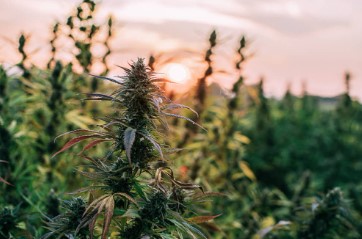
Lemon Thai, a Sativa-dominant hybrid, is a high-yielding strain that requires precise cultivation methods to maximize its potential. Due to its Thai and Hawaiian lineage, it thrives best in warm, humid climates but can be successfully grown indoors with proper environmental control. Below is an in-depth scientific breakdown of the cultivation process, including genetic factors, environmental conditions, nutrient requirements, and advanced growing techniques.
Genetic and Phenotypic Traits Affecting Cultivation
Understanding the genetic composition of Lemon Thai is critical for successful cultivation. As a Sativa-dominant strain, Lemon Thai exhibits characteristics such as:
- Tall, lanky growth with long internodal spacing.
- Slower flowering period (~9-10 weeks) due to its tropical ancestry.
- Thin fan leaves, which allow for better light penetration.
- High trichome production, making it suitable for resin extraction.
- Moderate resistance to pests but susceptible to mold in humid conditions.
These traits necessitate specific training techniques and environmental controls to enhance yield and maintain plant health.
Optimal Growing Conditions
A. Temperature & Humidity Requirements
Lemon Thai prefers conditions similar to tropical and Mediterranean climates:
- Vegetative stage: 70–85°F (21–29°C) with 60-70% relative humidity (RH).
- Flowering stage: 65–80°F (18–27°C) with 40-50% RH.
- Late flowering stage: Slight reduction in temperature (by ~5°F) enhances trichome production.
- Humidity control: A dehumidifier is crucial in high-humidity areas to prevent bud rot.
B. Light Intensity and Photoperiod
- Indoor: Requires high-intensity lighting (600-1000W HPS or full-spectrum LED).
- Outdoor: Prefers direct sunlight for at least 10-12 hours daily.
- Optimal DLI (Daily Light Integral): ~40-50 mol/m²/day for vegetative growth.
C. CO₂ Enrichment for Increased Yields
CO₂ levels between 1000–1500 ppm during the vegetative and early flowering stage can significantly boost photosynthesis and bud development.
Nutrient Requirements & Feeding Schedules
Lemon Thai demands nutrient precision to support its vigorous growth.
A. Macronutrients
| Growth Stage | Nitrogen (N) | Phosphorus (P) | Potassium (K) | Notes |
|---|---|---|---|---|
| Seedling | Low (100-150 ppm) | Low | Low | Avoid overfeeding to prevent root burn. |
| Vegetative | High (200-250 ppm) | Moderate | Moderate | Enhances leaf and stem growth. |
| Early Flowering | Medium | High | High | Supports bud formation and root expansion. |
| Late Flowering | Low | High | Very High | Reduces leaf chlorophyll degradation and enhances terpene production. |
B. Micronutrients & pH Control
- Calcium & Magnesium (Cal-Mag): Prevents deficiencies in high-intensity lighting setups.
- Silica: Strengthens cell walls and improves stress resistance.
- pH Range: Maintain 6.0–6.5 in soil and 5.5–6.2 in hydroponics.
Advanced Cultivation Techniques
Given its tall and lanky structure, applying high-stress and low-stress training techniques is essential for optimizing canopy structure.
A. Training Techniques
- Topping: Cutting the main stem to promote lateral growth and prevent excessive vertical stretching.
- Low-Stress Training (LST): Bending branches to create an even canopy and enhance light distribution.
- Screen of Green (ScrOG): Using a mesh screen to encourage horizontal growth, ensuring more bud sites receive light.
- Defoliation: Removing excessive fan leaves to increase airflow and light penetration.
B. Hydroponic vs. Soil Cultivation
| Factor | Hydroponics | Soil |
|---|---|---|
| Growth Speed | Faster | Slower |
| Yield Potential | Higher | Moderate |
| Flushing Efficiency | Easier | Harder |
| Flavor & Terpene Profile | Less Pronounced | Richer |
| Maintenance | High | Moderate |
- Best Medium for Hydroponics: Rockwool, coco coir, or deep-water culture (DWC) for faster root development.
- Best Soil Mix: Loamy soil with perlite (30%) and coco coir (20%) for optimal aeration and nutrient retention.
Flowering Phase Management & Harvesting
A. Trichome Maturity for Peak Potency
Lemon Thai’s potency is largely influenced by harvesting at the correct trichome stage:
- Clear Trichomes: Too early, THC production incomplete.
- Cloudy (Milky) Trichomes: Peak THC potency (~20-22%).
- Amber Trichomes: Increased CBN content, leading to a more sedative effect.
Ideal harvest window: When 80% trichomes are cloudy and 10-20% are amber.
B. Flushing Techniques
- Stop providing nutrients 10-14 days before harvest.
- Use pH-balanced water (6.0-6.2) to remove excess salts and enhance terpene expression.
Post-Harvest Processing
A. Drying Parameters
- Temperature: 60-70°F (15-21°C)
- Humidity: 50-55%
- Time Required: 7-14 days
- Airflow: Use gentle fans for even drying.
B. Curing for Flavor and Potency
- Store dried buds in glass jars at 60-65% RH.
- Open jars daily for the first 2 weeks to release excess moisture.
- Proper curing enhances terpene preservation and cannabinoid stability.
Common Cultivation Challenges
| Issue | Cause | Prevention & Solution |
|---|---|---|
| Mold & Bud Rot | High humidity in flowering | Use dehumidifiers & proper airflow |
| Nitrogen Toxicity | Excessive feeding | Reduce nitrogen in late veg |
| Spider Mites & Pests | Warm, humid conditions | Apply Neem oil or beneficial insects |
| Stretching (Leggy Growth) | Insufficient light | Increase light intensity |
8. Conclusion
Lemon Thai is a versatile and uplifting Sativa-dominant strain, ideal for daytime use. Its citrusy aroma, potent cerebral effects, and medicinal benefits make it a favorite among both medical and recreational users. Whether used for creativity, stress relief, or pain management, Lemon Thai provides an invigorating cannabis experience that continues to be celebrated in the cannabis community.
For a complete directory of cultivars, visit our Cannabis Strain Reviews.
