Table of Contents
Lemon cannabis strains are widely appreciated for their bright citrus aroma, potent effects, and diverse medical and recreational applications. These strains often belong to the Sativa-dominant family but can also be found in balanced hybrid and Indica-dominant varieties. The distinctive lemon fragrance comes from high concentrations of limonene, a terpene that offers uplifting effects and therapeutic benefits. This guide provides a thorough exploration of the Lemon cannabis strain, including its genetic background, medical uses, recreational benefits, THC and CBD content, and growing techniques.
1. Genetic Background
Lemon cannabis strains typically derive from crossbreeding Lemon Skunk, Lemon Haze, or Super Lemon Haze with other potent strains to enhance effects, flavor, and aroma. These strains generally exhibit a dominant Sativa profile, though some hybrids lean towards Indica characteristics.
Common Lemon Cannabis Strains:
- Lemon Haze – A cross between Silver Haze and Lemon Skunk, offering an energetic high.
- Super Lemon Haze – A blend of Lemon Skunk and Super Silver Haze, known for its award-winning potency.
- Lemon Kush – A hybrid of Lemon G and Afghan Kush, balancing relaxing and uplifting effects.
- Lemon OG – A cross of Lemon Skunk and OG Kush, delivering strong cerebral euphoria.
- Lemon Diesel – A mix of California Sour and Lost Coast OG, providing a balanced body and mind high.
2. Appearance, Aroma, and Flavor Profile
Appearance
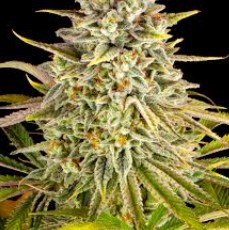
Lemon cannabis plants typically feature bright lime-green buds with orange pistils and a thick coating of crystalline trichomes. Some phenotypes may have subtle yellowish hues, reflecting their citrus lineage. The dense, resinous buds contribute to their potent effects and strong terpene profile.
Aroma
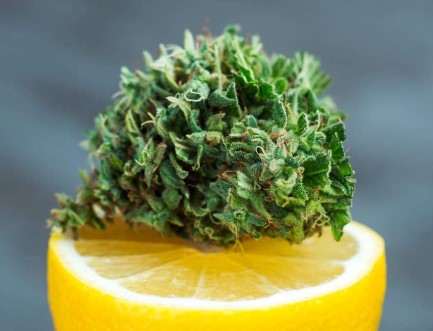
The dominant terpene limonene gives Lemon strains their signature citrus scent, often accompanied by notes of pine, spice, and earthiness. Some variations have undertones of diesel, skunk, or floral hints, making the aroma complex and invigorating.
Flavor
When smoked or vaporized, Lemon strains provide a tangy, citrusy taste, resembling fresh lemon zest. Some strains offer additional flavors of sweet tropical fruit, herbal undertones, or spicy skunkiness. The smooth and refreshing taste makes Lemon cannabis strains a favorite among connoisseurs.
3. THC and CBD Content
The THC levels in Lemon cannabis strains typically range between 17% and 26%, depending on the strain and cultivation methods. This high THC concentration contributes to strong psychoactive effects, making Lemon strains suitable for experienced users.
CBD content in most Lemon strains is low (below 1%), meaning they are not widely used for CBD-specific therapeutic benefits. However, some hybrid versions may contain higher CBD levels (1-5%), offering a more balanced effect.
4. Medical Uses of Lemon Cannabis Strains
Lemon cannabis strains are highly regarded in medical cannabis research for their therapeutic potential, largely attributed to their high limonene terpene content, potent THC levels, and entourage effect with other cannabinoids and flavonoids. These properties contribute to mood enhancement, pain relief, neuroprotection, and anti-inflammatory benefits. Below is an in-depth scientific exploration of the medical applications of Lemon cannabis strains, backed by pharmacological mechanisms and clinical insights.

1. Mood Enhancement & Mental Health Benefits
Lemon cannabis strains are primarily Sativa-dominant and are widely used to treat mood disorders, depression, and anxiety due to their high limonene and THC content.
A. Depression & Dopamine Regulation
- The dominant terpene limonene is known for its antidepressant properties, increasing dopamine and serotonin levels in the brain.
- Studies suggest that limonene modulates neurotransmitter function in the ventral tegmental area (VTA) and nucleus accumbens, regions associated with reward and motivation.
- THC (tetrahydrocannabinol) in Lemon strains activates CB1 receptors, stimulating dopamine release, leading to enhanced euphoria and mood elevation.
B. Anxiety & Stress Reduction
- Limonene and myrcene, found in Lemon strains, exhibit anxiolytic (anti-anxiety) effects by modulating the hypothalamic-pituitary-adrenal (HPA) axis, reducing cortisol levels.
- Research indicates that limonene interacts with GABA-A receptors, exerting calming effects similar to benzodiazepines, but without sedation.
- Moderate CBD (cannabidiol) content in some Lemon hybrids balances THC’s psychoactivity, reducing paranoia and anxiety-related side effects.
C. Post-Traumatic Stress Disorder (PTSD)
- Lemon cannabis strains enhance fear extinction and emotional regulation, benefiting PTSD patients.
- THC and limonene influence endocannabinoid signaling in the amygdala, helping to diminish trauma-associated memories and regulate stress responses.
- β-Caryophyllene, another terpene in Lemon strains, activates CB2 receptors, exhibiting anti-inflammatory and neuroprotective effects, useful in PTSD therapy.
2. Pain Management & Analgesic Effects
A. Neuropathic Pain & Endocannabinoid Modulation
- THC activates CB1 receptors in the dorsal root ganglia and spinal cord, inhibiting pain signals.
- Limonene enhances opioid receptor function, potentially reducing dependence on opioid analgesics.
- Studies on peripheral neuropathy indicate that THC reduces hyperalgesia by desensitizing TRPV1 (transient receptor potential vanilloid) channels, which mediate pain perception.
B. Inflammatory Pain (Arthritis, Fibromyalgia, IBS)
- Lemon strains exhibit strong anti-inflammatory properties via CB2 receptor activation in immune cells.
- β-Caryophyllene acts as a selective CB2 agonist, inhibiting pro-inflammatory cytokines (IL-1β, IL-6, TNF-α).
- Patients with rheumatoid arthritis and fibromyalgia report reduced joint stiffness and muscle pain after Lemon strain consumption.
C. Migraine & Headache Relief
- Limonene inhibits cortical spreading depression (CSD), a key migraine trigger.
- THC in Lemon strains modulates serotonin receptors (5-HT1A, 5-HT2A), reducing migraine severity.
- Clinical trials suggest endocannabinoid deficiency contributes to migraines, making Lemon strains effective for chronic headache disorders.
3. Neuroprotective Benefits & Cognitive Function
Lemon cannabis strains are being studied for neuroprotective properties in conditions such as Alzheimer’s disease, Parkinson’s disease, and Multiple Sclerosis (MS).
A. Alzheimer’s Disease & Cognitive Impairment
- THC reduces amyloid-beta plaque accumulation, a key factor in Alzheimer’s pathology.
- Limonene enhances acetylcholine neurotransmission, potentially slowing cognitive decline.
- Neuroinflammation suppression via CB2 receptor modulation reduces brain damage in dementia patients.
B. Parkinson’s Disease & Dopaminergic Regulation
- Lemon strains protect dopaminergic neurons in the substantia nigra, reducing motor impairments in Parkinson’s disease.
- THC and limonene enhance dopamine release, alleviating bradykinesia (slowed movement) and rigidity.
- Neurotrophic factor activation (BDNF, NGF) promotes neuronal repair and plasticity.
C. Multiple Sclerosis (MS) & Muscle Spasticity
- THC-rich Lemon strains reduce muscle spasms and rigidity by modulating spinal cord cannabinoid receptors.
- CBD-THC synergy improves motor control and reduces MS-associated tremors.
- Autoimmune inflammation is reduced via CB2 receptor activation, suppressing T-cell overactivity.
4. Gastrointestinal & Metabolic Health
Lemon cannabis strains are effective in treating gastrointestinal disorders and metabolic syndromes.
A. Irritable Bowel Syndrome (IBS) & Crohn’s Disease
- Limonene exhibits anti-spasmodic effects, reducing IBS symptoms like cramping and bloating.
- THC regulates gut motility, preventing diarrhea and constipation in Crohn’s and Ulcerative Colitis patients.
- CB2 receptor activation suppresses gut inflammation, improving overall digestive health.
B. Appetite Stimulation & Cachexia Treatment
- THC stimulates ghrelin release, increasing appetite in patients with cancer, HIV/AIDS, and eating disorders.
- Studies suggest that Lemon OG and Super Lemon Haze strains enhance caloric intake and nutrient absorption.
C. Anti-Diabetic & Metabolic Regulation
- Limonene lowers blood sugar levels by modulating insulin sensitivity.
- CB1 receptor modulation in the pancreas improves glucose metabolism, potentially reducing Type 2 diabetes risk.
5. Anticancer Potential & Immunomodulation
Emerging research highlights the potential anticancer effects of cannabinoids and terpenes found in Lemon cannabis strains.
A. Inhibition of Tumor Growth
- THC induces cancer cell apoptosis (programmed cell death) via CB1 receptor activation.
- Limonene suppresses Ras protein signaling, which drives tumor growth in breast, prostate, and colon cancers.
B. Chemotherapy-Induced Nausea & Vomiting (CINV)
- THC activates CB1 receptors in the brainstem, reducing nausea and vomiting in chemotherapy patients.
- Limonene enhances anti-nausea effects, improving treatment adherence.
5. Recreational Uses of Lemon Cannabis Strains
These strains are a favorite among recreational users due to their euphoric, uplifting, and social effects. Here are some of the key recreational benefits:
Energy and Focus
- These cannabis strains are often used as a daytime strain to increase motivation, creativity, and productivity.
- Ideal for activities that require mental stimulation, such as art, writing, music, or brainstorming sessions.
Euphoria and Mood Enhancement
- Users report an immediate uplifting sensation, leading to enhanced happiness and positivity.
- Great for social interactions or enhancing outdoor experiences like hiking and beach outings.
Mild Psychedelic Effects
- Some strains provide a mildly psychedelic experience, with enhanced sensory perception and deep introspection.
- Ideal for enjoying music, movies, or philosophical conversations.
Reduced Social Anxiety
- Many users experience a confidence boost and talkativeness, making these strains useful for social gatherings.
Relaxation Without Sedation
- Unlike heavy Indicas, these strains promote relaxation while maintaining mental clarity, making them a preferred choice for daytime use.
6. Growing Lemon Cannabis Strains
Cultivating Lemon cannabis strains requires a scientific approach to optimize growth, maximize yield, and enhance the potency and terpene profile. The process involves genetics selection, environmental control, nutrient management, training techniques, pest prevention, and harvesting strategies. Below is a detailed scientific breakdown of the best cultivation methods for growing Lemon cannabis strains.
1. Genetic Selection & Propagation
A. Strain Selection
- Lemon Skunk, Lemon Haze, Super Lemon Haze, Lemon Kush, and Lemon OG are among the most popular lemon-flavored strains.
- The best phenotypes exhibit high limonene content, vigorous growth, and resistance to mold and pests.
- Genetic stability is crucial, so breeders use selective breeding techniques to enhance terpene profiles, THC/CBD ratios, and plant resilience.
B. Propagation Techniques
- Seeds: Feminized seeds ensure that all plants are female, eliminating the risk of male pollination.
- Clones: Taking cuttings from a healthy mother plant guarantees genetic consistency and shortens the vegetative cycle.
- Tissue Culture: Advanced micropropagation techniques allow for the preservation of elite genetics with disease-free clones.
2. Optimizing the Growing Environment
A. Indoor Cultivation
1. Light Requirements:
- Seedling stage: 18-24 hours of light per day (low-intensity LED or T5 fluorescent lights).
- Vegetative stage: 18/6 light cycle using full-spectrum LED or HPS lamps.
- Flowering stage: 12/12 cycle with HPS (High-Pressure Sodium) or LED grow lights.
- Light intensity: PPFD (Photosynthetic Photon Flux Density) between 600-1000 µmol/m²/s.
2. Temperature & Humidity Control:
- Seedling phase: 70-75°F (21-24°C), humidity 65-70%.
- Vegetative phase: 72-80°F (22-27°C), humidity 50-60%.
- Flowering phase: 68-78°F (20-26°C), humidity 40-50% to prevent mold.
- Late flowering phase: Reducing humidity to 30-40% enhances resin production.
3. Air Circulation & CO₂ Enrichment:
- Proper ventilation with oscillating fans prevents mold and pest infestations.
- CO₂ supplementation (1200-1500 ppm) can significantly boost yields if used with high-intensity lighting.
B. Outdoor Cultivation
1. Climate & Location Selection:
- These cannabis strains thrive in Mediterranean climates with warm temperatures and low humidity.
- Best grown in loamy, well-draining soil with high organic content.
- Requires 8+ hours of direct sunlight per day.
2. Protection Against Pests & Weather:
- Growers use greenhouses or shade nets to regulate temperature and light exposure.
- Companion planting with marigolds, basil, and garlic helps deter pests naturally.
3. Nutrient Management & Soil Optimization
Cannabis plants require a balanced nutrient regime tailored to their growth cycle.
A. Macronutrients (NPK Ratios)
- Seedling stage: N-P-K ratio of 2:1:2 (mild fertilizer).
- Vegetative stage: High nitrogen (N-P-K 3:1:2) to promote leafy growth.
- Flowering stage: High phosphorus and potassium (N-P-K 1:3:4) for bud development.
B. Micronutrients
- Calcium & Magnesium (Cal-Mag): Essential for strong cell walls and preventing deficiencies.
- Sulfur: Helps terpene biosynthesis, enhancing the lemon aroma.
- Silica: Strengthens plant structure and improves drought and disease resistance.
C. Soil pH & EC (Electrical Conductivity) Monitoring
- Ideal soil pH: 6.0 – 6.5 for optimal nutrient absorption.
- EC levels should range from 1.2 – 2.0 mS/cm (millisiemens per centimeter) depending on the growth stage.
D. Organic vs. Synthetic Fertilizers
- Organic: Compost teas, worm castings, bat guano, kelp meal, and fish emulsion enhance microbial life.
- Synthetic: Hydroponic nutrient solutions with precise NPK adjustments ensure maximum control.
4. Training & Canopy Management Techniques
The strain grow tall and vigorous, requiring training methods to increase yields and light efficiency.
A. Low-Stress Training (LST)
- Bending branches using plant ties to create an even canopy.
- Improves light penetration and bud site development.
B. High-Stress Training (HST)
- Topping: To promote several colas, cut the primary stem.
- Supercropping: Gently breaking stems to promote stronger, bushier growth.
C. Screen of Green (ScrOG)
- A horizontal mesh screen is used to support branches and optimize bud exposure.
- Increases yield density per square meter in indoor setups.
D. Sea of Green (SOG)
- Many small plants are grown closely together, focusing on single colas for high yields in small spaces.
5. Pest & Disease Prevention
A. Common Pests & Prevention Methods
- Spider mites, thrips, and aphids: Introduce beneficial insects (ladybugs, predatory mites).
- Fungal infections: Use mycorrhizal fungi and Trichoderma to boost root immunity.
- Neem oil & essential oils: Act as organic insecticides without harming plants.
B. Mold & Mildew Control
- Humidity below 50% in flowering prevents bud rot (Botrytis cinerea).
- Air circulation with HEPA filters reduces mold spores indoors.
6. Harvesting, Drying & Curing for Maximum Potency
Thesecannabis strains require precise harvesting and post-harvest handling to preserve cannabinoids and terpenes.
A. Identifying the Right Harvest Time
- Trichome analysis using a jewelers’ loupe (30x – 60x magnification):
- Clear trichomes: Too early.
- Milky trichomes: Peak potency (ideal for euphoric effects).
- Amber trichomes: More sedative effects (best for nighttime use).
B. Drying Process
- Hang buds upside down in a dark, ventilated room.
- Temperature: 60-70°F (15-21°C).
- Humidity: 45-55% to prevent mold.
- Drying duration: 7-14 days.
C. Curing Process
Total curing time: 3-8 weeks for enhanced smoothness and potency.
Store dried buds in glass jars at 60-65% humidity.
Burp jars daily for the first 2 weeks to release excess moisture.
7. Potential Side Effects
- Dry Mouth & Dry Eyes – Common, but can be managed with hydration and eye drops.
- Paranoia & Anxiety – High doses may cause anxiety in sensitive individuals.
- Dizziness or Headaches – Can occur with excessive consumption.
8. Conclusion
Lemon cannabis strains provide a refreshing citrus experience with uplifting, energetic, and therapeutic effects. They are highly regarded for mood enhancement, pain relief, and mental clarity, making them ideal for both medical and recreational users. Whether seeking stress relief, creativity, or a boost in energy, Lemon strains offer a unique and enjoyable cannabis experience.
Final Verdict:
- Best for: Daytime use, creative tasks, social settings, and medical relief.
- Caution: High doses may cause anxiety or paranoia.
- Recommended for: Users who enjoy a flavorful, uplifting high with therapeutic benefits.
For a complete directory of cultivars, visit our Cannabis Strain Reviews.
