Table of Contents
Genetics and Lineage
Lemon OG Kush is a hybrid strain with a balanced genetic makeup, leaning slightly toward the indica side. It is a cross between Lemon Skunk and OG #18 (a phenotype of the classic OG Kush). This lineage provides the strain with its characteristic citrus aroma and kush-like earthy undertones.
- Lemon Skunk: Known for its vibrant citrus aroma and energizing effects, Lemon Skunk contributes the uplifting and mood-enhancing qualities to Lemon OG Kush.
- OG #18: As a potent phenotype of OG Kush, OG #18 provides the relaxing, sedative, and pain-relieving effects that balance Lemon OG Kush’s profile.
The result is a strain that offers the best of both worlds: a euphoric cerebral high and deep physical relaxation.
Appearance, Aroma, and Flavor
Appearance: Lemon OG Kush features dense, medium-sized buds with a vibrant green color. Often, a thick covering of trichomes covers the buds, giving them a frosty, crystalline appearance. Orange pistils weave through the nugs, adding to their visual appeal.
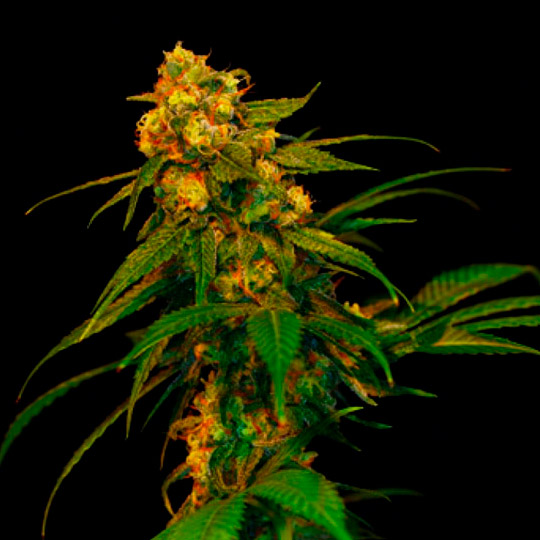
Aroma: The strain’s aroma is dominated by bright, zesty citrus notes reminiscent of fresh lemons. Underneath this citrusy profile lies a subtle earthiness and hints of pine, courtesy of its OG Kush heritage.
Flavor: Lemon OG Kush delivers a tangy and sweet flavor profile. Upon inhalation, users experience a burst of lemon and lime, followed by earthy and herbal undertones on the exhale. The flavor is smooth and well-rounded, making it a favorite for those who enjoy citrus-forward strains.
Cannabinoid Profile
Lemon OG Kush typically boasts a moderate to high THC content, ranging between 17% and 24%, making it suitable for both novice and experienced users. The CBD content is usually low, around 0.1% to 0.3%, but its effects are complemented by the presence of other cannabinoids and terpenes.
- THC: Responsible for the strain’s psychoactive effects, promoting euphoria, relaxation, and pain relief.
- CBD: Although present in small amounts, CBD contributes to the strain’s therapeutic properties, such as reducing anxiety and inflammation.
- CBG (Cannabigerol): Found in trace amounts, CBG enhances the anti-inflammatory and mood-stabilizing effects of the strain.
Terpene Profile
Lemon OG Kush owes its distinct aroma and effects to its rich terpene profile, which includes:
- Limonene: The dominant terpene in Lemon OG Kush, limonene contributes to the strain’s citrusy aroma and uplifting effects. It is well-known for elevating mood and reducing anxiety.
- Myrcene: Present in significant amounts, myrcene provides earthy and herbal undertones. It also contributes to the strain’s relaxing and sedative effects.
- Caryophyllene: This spicy terpene has anti-inflammatory and analgesic properties, making it ideal for pain relief.
- Pinene: Adds subtle pine notes to the aroma and enhances focus and alertness.
- Linalool: Contributes floral and lavender-like notes while promoting relaxation and stress relief.
Effects and Recreational Uses
Lemon OG Kush is celebrated for its balanced effects, offering both cerebral stimulation and physical relaxation. Its effects can vary depending on dosage, with lower doses leaning toward uplifting and energizing, and higher doses promoting relaxation and sedation.
Recreational Effects:
- Euphoria: The initial onset of Lemon OG Kush is marked by a wave of euphoria, making it a great option for creative projects or social events.
- Relaxation: As the high progresses, the indica-dominant effects become more apparent, leading to full-body relaxation and stress relief.
- Focus and Creativity: The uplifting cerebral effects can enhance focus and creativity, making it a choice among professionals and artists looking for ideas.
- Hunger Stimulation: Like many OG strains, Lemon OG Kush is known to induce the munchies, making it a well-liked option before to meals.
- Evening Use: At higher doses, the strain’s sedative effects make it ideal for unwinding after a long day or getting ready for a good night’s sleep.
Ideal Recreational Settings:
- Social gatherings and parties
- Artistic and creative projects
- Relaxing at home with movies or music
Medical Applications
Lemon OG Kush’s balanced effects and diverse cannabinoid-terpene profile make it a versatile option for medical cannabis patients. Its therapeutic benefits address a wide range of physical and mental health conditions.
Physical Conditions:
- Chronic Pain: The analgesic properties of THC, caryophyllene, and myrcene provide relief from various types of pain, including migraines, arthritis, and muscle spasms.
- Inflammation: The presence of caryophyllene and limonene helps reduce inflammation, benefiting conditions such as Crohn’s disease and fibromyalgia.
- Insomnia: Higher doses of Lemon OG Kush can induce deep relaxation, helping patients who struggle with sleep disorders.
- Nausea and Appetite Loss: The strain’s ability to stimulate appetite and reduce nausea makes it an effective treatment for patients undergoing chemotherapy or dealing with eating disorders.
Mental Health Conditions:
- Anxiety and Stress: Limonene and linalool contribute to the strain’s calming effects, reducing symptoms of anxiety and stress.
- Depression: The uplifting and mood-enhancing effects of Lemon OG Kush make it a valuable tool for managing depressive symptoms.
- ADHD and Focus Disorders: The strain’s initial cerebral stimulation can improve focus and concentration for some users.
- PTSD: The combination of relaxation and mood elevation can help alleviate symptoms of PTSD, such as hyperarousal and intrusive thoughts.

Scientific Insights and Studies
The effects and benefits of Lemon OG Kush can be attributed to the interplay between its cannabinoids and terpenes. Here are some relevant scientific findings:
- Cannabinoid-Terpene Synergy:
- A 2011 study published in the British Journal of Pharmacology highlighted the “entourage effect,” where terpenes and cannabinoids combine to improve therapeutic results. In Lemon OG Kush, the combination of THC, CBD, and terpenes like limonene and myrcene contributes to its diverse medical applications.
- Limonene for Anxiety and Stress:
- Research has shown that limonene has anxiolytic properties, reducing anxiety and promoting relaxation. Its presence in Lemon OG Kush explains the strain’s ability to alleviate stress and improve mood.
- Pain and Inflammation:
- Studies on caryophyllene have demonstrated its potential as a selective CB2 receptor agonist, making it effective in reducing inflammation and pain without psychoactive effects. This supports Lemon OG Kush’s use in managing chronic pain conditions.
- Sedative Effects of Myrcene:
- Myrcene has been found to enhance the sedative effects of THC, making it beneficial for patients with insomnia. This aligns with the strain’s ability to promote relaxation and sleep.
- Neuroprotective Properties:
- THC and CBD have been studied for their neuroprotective properties, potentially benefiting patients with neurodegenerative conditions like Alzheimer’s and Parkinson’s disease.
Consumption Methods
1. Methods of Ingestion
Lemon OG Kush can be consumed through several methods, each offering distinct onset times, duration of effects, and bioavailability (the proportion of THC, CBD, and other cannabinoids absorbed into the bloodstream).
a. Smoking
- Description: The most traditional method involves combusting the flower in a joint, blunt, or pipe.
- Bioavailability: Approximately 15%–30% of THC is absorbed into the bloodstream when smoking.
- Onset: 1–5 minutes. The effects are nearly instantaneous as cannabinoids rapidly enter the bloodstream through the lungs.
- Duration: 1.5 to 3 hours.
- Pros:
- Quick onset for immediate relief of pain, anxiety, or stress.
- Full flavor and terpene experience, especially with Lemon OG Kush’s citrus profile.
- Cons:
- Carcinogens and other hazardous byproducts like tar are produced during combustion.
- Can irritate the throat and lungs.
b. Vaporization
- Description: Vaporizers heat the cannabis to a temperature below combustion, preserving cannabinoids and terpenes.
- Bioavailability: Slightly higher than smoking, around 30%–50%, as cannabinoids are not destroyed by combustion.
- Onset: 1–5 minutes.
- Duration: 1.5 to 3 hours.
- Pros:
- Healthier alternative to smoking due to the absence of combustion byproducts.
- Enhanced terpene preservation, delivering a more flavorful experience.
- Precise temperature control for optimal cannabinoid and terpene activation (Limonene’s boiling point: 349°F / 176°C).
- Cons:
- Requires specific equipment.
- Initial investment in a vaporizer can be expensive.
c. Edibles
- Description: Lemon OG Kush can be infused into oils, butters, or tinctures for use in food and beverages.
- Bioavailability: Lower than smoking or vaping at 5%–20% due to first-pass metabolism in the liver.
- Onset: 30 minutes to 2 hours (varies depending on metabolism, body weight, and whether it’s taken on an empty stomach).
- Duration: 4 to 8 hours, with peak effects lasting around 2–3 hours.
- Pros:
- Long-lasting results, perfect for persistent ailments like discomfort or sleeplessness.
- Discreet and convenient for consumption.
- Cons:
- Inexperienced users may overconsume due to delayed onset.
- Effects can feel more intense due to the liver converting THC to 11-hydroxy-THC, a metabolite with higher potency.
d. Tinctures
- Description: Tinctures are liquid cannabis extracts administered sublingually (under the tongue) or added to food/drinks.
- Bioavailability:
- Sublingual: 20%–35% due to absorption through the mucous membranes.
- Ingested: Same as edibles (5%–20%).
- Onset:
- Sublingual: 15–30 minutes.
- Ingested: 30 minutes to 2 hours.
- Duration: 2 to 6 hours.
- Pros:
- Precise dosing, as tinctures often come with droppers.
- Sublingual use offers a quicker onset compared to edibles.
- Cons:
- Some users may find the taste unpleasant, though Lemon OG Kush’s citrus notes might make it more palatable.
e. Topicals
- Description: Cannabis-infused creams, balms, and salves applied directly to the skin for localized relief.
- Bioavailability: Minimal systemic absorption; cannabinoids bind to CB2 receptors in the skin.
- Onset: 5–20 minutes.
- Duration: 2 to 6 hours.
- Pros:
- Since cannabinoids do not enter the bloodstream, they are not psychoactive.
- Effective for localized pain, inflammation, and skin conditions.
- Cons:
- Limited to topical relief; no systemic effects for conditions like anxiety or insomnia.
f. Dabbing
- Description: Involves vaporizing concentrated extracts (e.g., wax, shatter, or live resin) of Lemon OG Kush using a dab rig.
- Bioavailability: High, around 50%–75%, due to concentrated cannabinoid content.
- Onset: Instantaneous.
- Duration: 1 to 3 hours.
- Pros:
- High potency and rapid onset, making it ideal for severe pain or nausea.
- Concentrates preserve Lemon OG Kush’s terpene profile, delivering intense flavors.
- Cons:
- Requires specialized equipment and experience.
- Not suitable for beginners due to the high THC concentration.
2. Onset and Duration
The onset and duration of Lemon OG Kush’s effects depend largely on the method of ingestion, dosage, individual physiology, and tolerance.
| Method | Onset | Peak Effects | Total Duration |
|---|---|---|---|
| Smoking | 1–5 minutes | 15–30 minutes | 1.5–3 hours |
| Vaporization | 1–5 minutes | 15–30 minutes | 1.5–3 hours |
| Edibles | 30 minutes–2 hours | 2–3 hours | 4–8 hours |
| Tinctures (Sublingual) | 15–30 minutes | 1–2 hours | 2–6 hours |
| Topicals | 5–20 minutes | N/A (localized relief) | 2–6 hours |
| Dabbing | Immediate | 15–30 minutes | 1–3 hours |
3. Factors Influencing Onset and Duration
- Metabolism:
- Individuals with faster metabolisms may experience quicker onsets and shorter durations.
- Those with slower metabolisms (or consuming on a full stomach) may experience delayed effects.
- Body Fat:
- THC is lipophilic (stored in fat). People with higher body fat may experience prolonged effects due to slower elimination.
- Tolerance:
- Frequent cannabis users may require higher doses for the same effects and may have shorter durations of action.
- Cannabinoid Content:
- Lemon OG Kush’s moderate-to-high THC levels (17%–24%) and low CBD content influence the psychoactive intensity and overall duration of effects.
- Terpenes:
- Terpenes like limonene and myrcene influence absorption and modulate the effects of THC. For example, myrcene enhances sedative effects, while limonene contributes to a more uplifting high.
- Dose:
- Low doses of Lemon OG Kush tend to produce mild euphoria and energy, while higher doses lead to more sedative and relaxing effects.
Scientific Considerations
- Bioavailability Variability:
- A 2018 review in Frontiers in Pharmacology emphasizes that methods like inhalation provide higher bioavailability and faster effects compared to oral consumption, which undergoes first-pass metabolism.
- THC Metabolism:
- When consumed orally, THC is metabolized in the liver into 11-hydroxy-THC, which is more potent and crosses the blood-brain barrier more easily, resulting in stronger effects.
- Entourage Effect:
- Lemon OG Kush’s combination of cannabinoids and terpenes enhances its effects through the entourage effect, as described in a 2011 study in the British Journal of Pharmacology. This synergy influences onset, duration, and therapeutic potential.
Potential Side Effects
While Lemon OG Kush is well-tolerated by most users, some side effects may occur, especially at higher doses:
- Dry Mouth (Cottonmouth): Staying hydrated can help alleviate this common side effect.
- Dry Eyes: Over-the-counter eye drops can provide relief.
- Dizziness: May occur in novice users or those sensitive to THC.
- Paranoia: In rare cases, high doses may induce feelings of paranoia or anxiety.
- Sedation: While beneficial for insomnia, the sedative effects may be undesirable during daytime use.
Cultivation Information
Optimal Growing Conditions for Lemon OG Kush
- Temperature Requirements:
- Ideal temperature range: 70°F to 85°F (21°C to 29°C) during the day.
- At night, temperatures should drop slightly (65°F to 75°F / 18°C to 24°C) to simulate natural outdoor conditions and enhance bud development.
- Avoid extreme temperature fluctuations to prevent stress, which could impact growth and yield.
- Humidity Levels:
- Seedling Stage: 65% to 70% relative humidity (RH) to support root development and minimize dehydration.
- Vegetative Stage: 55% to 65% RH to prevent fungal diseases while promoting vigorous growth.
- Flowering Stage: Gradually reduce humidity to 40% to 50% RH to avoid mold or mildew on the buds, particularly because Lemon OG Kush produces dense flowers.
- Light Intensity:
- Lemon OG Kush thrives under high-intensity grow lights such as LEDs, HPS, or CMH lights.
- Optimal light schedule:
- Vegetative stage: 18–20 hours of light per day (photoperiod strains).
- Flowering stage: 12 hours of light and 12 hours of darkness per day to trigger flowering.
- A light intensity of 500–700 µmol/m²/s during the flowering stage ensures robust bud formation.
- Soil and Mediums:
- Lemon OG Kush prefers nutrient-rich soil with good aeration and drainage.
- Alternative mediums include coco coir, hydroponics, or aeroponics for faster growth and higher yields.
- Ideal pH levels:
- Soil: 6.0 to 6.8.
- Hydroponics/Coco: 5.5 to 6.2.
Nutrient Needs
- Nitrogen (N):
- During the vegetative phase, high nitrogen levels are essential for strong leaf and stem development.
- Reduce nitrogen during flowering to encourage bud growth instead of foliage.
- Phosphorus (P):
- Phosphorus plays a vital role during the flowering stage, aiding in bud development and increasing trichome production.
- Potassium (K):
- Potassium supports overall plant health and is crucial for nutrient transport and water regulation. It is particularly important in both the vegetative and flowering stages.
- Micronutrients:
- Magnesium, calcium, and sulfur are essential for photosynthesis and cell wall integrity.
- Zinc, manganese, and boron contribute to enzymatic processes and nutrient absorption.
- Organic Enhancements:
- Using organic compost, worm castings, or bat guano can enhance the flavor and terpene profile of Lemon OG Kush buds.

Watering Schedule
- Water Quality:
- Use filtered or reverse osmosis (RO) water to avoid chlorine or heavy metals.
- Maintain a proper pH balance after adding nutrients (adjust with pH up/down solutions).
- Frequency:
- Water when the top 1–2 inches of soil feel dry. While underwatering may impede growth, overwatering can cause root rot.
- In hydroponic setups, monitor and maintain nutrient solution levels to avoid dry roots.
- Flushing:
- Two weeks before harvest, flush the plant with pure water to remove excess nutrients, enhancing the final flavor and aroma.
Training Techniques
- Low-Stress Training (LST):
- Tie down the branches to create a flat canopy, improving light penetration and airflow. This method enhances yields without stressing the plant.
- Screen of Green (ScrOG):
- Utilize a screen or net to train Lemon OG Kush into a horizontal growth pattern. This method is ideal for maximizing yields in limited space.
- Topping and Fimming:
- Remove the main growth tip (topping) or pinch it (fimming) to promote the growth of multiple colas, increasing overall production.
- Defoliation:
- Remove excess fan leaves during the flowering stage to direct energy toward the buds and improve airflow, reducing the risk of mold.
Pest and Disease Management
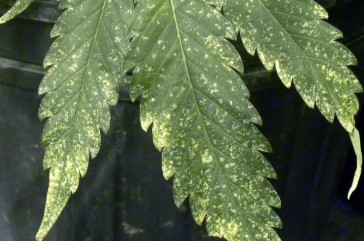
- Common Pests:
- Spider Mites: These tiny pests can damage leaves. Introduce predatory insects like ladybugs or use neem oil.
- Aphids and Whiteflies: Manage infestations with insecticidal soap or sticky traps.
- Fungus Gnats: Let the soil dry out between watering, and use yellow sticky traps to catch adults.
- Disease Prevention:
- Powdery Mildew: Maintain low humidity during flowering and ensure proper airflow around the plants.
- Root Rot: Avoid overwatering and ensure your growing medium has excellent drainage.
- Bud Rot (Botrytis): Regularly inspect dense buds for signs of rot and maintain humidity below 50% during flowering.
Harvesting and Post-Harvest
- Harvest Timing:
- Monitor trichomes using a magnifying glass or microscope. Harvest when trichomes appear milky white with some turning amber for balanced effects.
- Overripe buds with mostly amber trichomes may lead to more sedative effects, while underripe buds with clear trichomes will have less potency.
- Drying:
- Hang buds in a dark, well-ventilated room at 60°F to 70°F (15°C to 21°C) with 50% to 60% humidity.
- Drying typically takes 7–10 days.
- Curing:
- Place dried buds in airtight glass jars. To get rid of extra moisture, open the jars every day for the first week.
- Store in a cool, dark place for 2–4 weeks to develop the full flavor and potency of Lemon OG Kush.
Conclusion
Lemon OG Kush is a versatile and well-rounded cannabis strain that appeals to a wide range of users. Its uplifting and relaxing effects make it suitable for recreational use, while its therapeutic properties address numerous medical conditions. With its unique flavor profile, balanced genetics, and robust terpene composition, Lemon OG Kush continues to be a favorite among cannabis enthusiasts and patients alike. Whether used for relaxation, creativity, or medical relief, this strain offers a harmonious blend of benefits that make it a standout in the world of cannabis.
For a complete directory of cultivars, visit our Cannabis Strain Reviews.
