Table of Contents
Lemon Haze is a popular sativa-dominant hybrid cannabis strain known for its vibrant citrus aroma, uplifting effects, and a well-balanced cannabinoid-terpene profile. It is a cross between two esteemed parent strains:
- Lemon Skunk – a pungent, high-limonene cultivar known for its energetic buzz
- Silver Haze – a potent sativa known for its cerebral, euphoric high
Lemon Haze inherits a striking lemon aroma and intense cerebral effects from these parents, making it highly sought after in both recreational and medical cannabis communities.
Genetic Lineage and Classification
- Type: Sativa-dominant hybrid (~70% sativa / 30% indica)
- Lineage: Lemon Skunk × Silver Haze
- THC: Typically 15–25%
- CBD: <1% (often negligible)
- CBG: ~0.2–1%
- Primary Terpenes: Limonene, Myrcene, Beta-Caryophyllene, Pinene
Morphology and Appearance
Lemon Haze buds are visually appealing with the following traits:
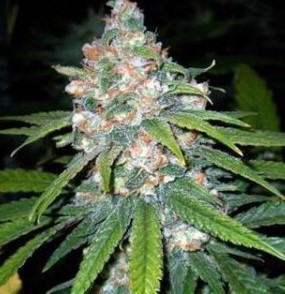
- Bright green nugs with amber to golden pistils
- Generous trichome coverage gives it a frosty, sticky texture
- Dense, medium-sized buds that taper into sativa-like shapes
When cured properly, it emits a sharp citrus-lime aroma, often accompanied by subtle pepper and herbal notes.
Aroma and Flavor Profile
Lemon Haze’s terpene-driven sensory experience is one of its standout features:
- Aroma: Strong lemon peel, citrus zest, skunky sweetness, and earth
- Flavor: Sweet lemon candy, herbal undertones, and a mild spicy aftertaste
This strain’s signature citrus scent is due primarily to the high presence of limonene, a terpene known for its mood-enhancing effects.
Cannabinoid and Terpene Profile
Cannabinoid Spectrum
| Cannabinoid | Typical % Range |
|---|---|
| THC | 15–25% |
| CBD | <1% |
| CBG | 0.2–1% |
| CBC | ~0.1% |
| THCV | ~0.2–0.5% |
The high THC content makes Lemon Haze a potent psychoactive strain, though users report it to be less overwhelming than pure sativas.
Dominant Terpenes and Effects
| Terpene | % Composition | Effects & Properties |
|---|---|---|
| Limonene | 0.5–1.2% | Uplifting, anti-anxiety, anti-depressant |
| Myrcene | 0.2–0.8% | Sedative, anti-inflammatory, synergistic with THC |
| Beta-Caryophyllene | 0.2–0.6% | Anti-inflammatory, pain-relief via CB2 receptors |
| Alpha-Pinene | 0.1–0.4% | Alertness, bronchodilation, memory enhancement |
These compounds interact with THC and other cannabinoids in a process known as the entourage effect, amplifying Lemon Haze’s effects and therapeutic potential.
Recreational Effects
Onset and Duration
- Onset: 5–15 minutes
- Peak effects: 30–90 minutes
- Duration: 2–3 hours
Psychological Effects
- Euphoric
- Uplifting
- Stimulating and energizing
- Enhanced sociability and creativity
- Increased focus and alertness (in small to moderate doses)
Lemon Haze is especially favored during daytime or creative tasks due to its stimulating profile. Users frequently report enhanced enjoyment of music, conversations, and visual stimuli.
Physiological Effects
- Mild body buzz
- Slight muscle relaxation
- Appetite stimulation
- Dry mouth (“cottonmouth”)
- Slight dry eyes (typical of high-THC strains)
Medical Applications
Overview of Medical Use Profile
Lemon Haze is a sativa-dominant hybrid with:
- High THC (~15–25%)
- Low CBD (<1%)
- Rich in limonene, myrcene, beta-caryophyllene, and pinene
Its primary medical strengths lie in the following areas:
- Mood disorders (depression, stress, PTSD)
- Fatigue and attention deficits
- Neuropathic and chronic pain
- Appetite stimulation
- Headaches and migraine
- Mild inflammation and oxidative stress
Mood Regulation and Mental Health
A. Depression and Dysthymia

Mechanism:
- THC, via CB1 receptor activation, modulates dopamine release in the mesolimbic system, enhancing reward and motivation.
- Limonene enhances serotonin and dopaminergic activity in the prefrontal cortex, acting like a natural antidepressant.
- Myrcene may support GABAergic tone, adding mild calming effects.
Clinical Insight:
- Limonene-rich cannabis strains are associated with improved mood and decreased anhedonia.
- Compared to indica strains, Lemon Haze is better suited for daytime depressive symptoms due to its energizing profile.
Dosing:
- Microdosing (2.5–5 mg THC) provides subtle emotional uplift without overstimulation.
- Higher doses (10–20 mg THC) may be helpful for refractory depression but carry risks of anxiety.
B. Post-Traumatic Stress Disorder (PTSD)
Mechanism:
- THC reduces amygdala hyperactivation, decreasing emotional reactivity to trauma triggers.
- Beta-caryophyllene is a CB2 agonist, exerting anti-inflammatory and anxiolytic effects via the peripheral immune system.
- Pinene supports memory recall, which may enhance cognitive integration of traumatic memories during therapy.
Benefit:
- Lemon Haze can improve emotional flexibility, short-term mood, and focus during therapeutic processing.
C. Anxiety (Situational or Social)
Important Note:
- High THC can worsen generalized anxiety disorder (GAD) symptoms at high doses due to overstimulation.
- However, limonene and pinene, when balanced with moderate THC, provide temporary relief of social anxiety in low doses.
Clinical Tip:
- Lemon Haze is best for acute performance anxiety or social anxiety when used at low doses before events.
Fatigue and Cognitive Disorders
A. Chronic Fatigue Syndrome (CFS)
- Lemon Haze’s sativa-driven energy combats fatigue by:
- Stimulating dopamine via CB1/limonene synergy
- Increasing oxygenation and blood flow (linked to pinene and vasodilatory effects of THC)
- Patients report:
- Enhanced ability to start daily tasks
- Reduced lethargy
- Better exercise tolerance
B. Attention Deficit Hyperactivity Disorder (ADHD)
Mechanism:
- THC and limonene indirectly increase norepinephrine and dopamine levels in the prefrontal cortex, improving focus.
- Anecdotal reports support better task engagement, executive function, and impulse control with low-dose Lemon Haze.
Scientific Correlation:
- Limonene mimics some mechanisms of psychostimulants by modulating monoaminergic transmission.
Caution:
- Higher doses may induce hyperactivity or thought racing.
Pain Management
A. Neuropathic Pain
Mechanisms:
- THC modulates pain perception via central CB1 receptors in the periaqueductal gray, thalamus, and spinal cord.
- Caryophyllene, through CB2 receptors, reduces neuroinflammation and peripheral nerve hypersensitivity.
Benefits:
- Effective for nerve pain, sciatica, and chemotherapy-induced neuropathy
- Less sedating than indica-heavy pain strains (e.g., Afghan or Granddaddy Purple)
B. Migraine and Headaches
- Pinene and THC can act as vasoconstrictors, potentially aborting migraine onset
- Anti-inflammatory action of myrcene and caryophyllene may suppress trigeminal nerve irritation
- Limonene provides antiemetic support for nausea associated with migraines
Clinical Use:
- Use at onset of aura or early headache signs
- Vaporized delivery preferred for rapid onset
Appetite Stimulation and GI Disorders
A. Anorexia or Cachexia
- THC stimulates CB1 receptors in the hypothalamus, increasing ghrelin (hunger hormone) secretion
- Lemon Haze provides appetite stimulation without heavy sedation, ideal for daytime use in wasting conditions
B. Irritable Bowel Syndrome (IBS) and IBD (Crohn’s, Ulcerative Colitis)
- Beta-caryophyllene reduces gut inflammation via CB2 receptor modulation
- THC may reduce visceral hypersensitivity
- Pinene and limonene improve gut motility and reduce nausea
Inflammatory and Autoimmune Disorders
While Lemon Haze is not as potent an anti-inflammatory as CBD-rich or indica strains, it still shows value in:
A. Mild Arthritis
- Reduces morning stiffness and improves joint mobility without impairing function
B. Multiple Sclerosis (MS)
- Combats fatigue, muscle stiffness, and mood fluctuations
- THC + beta-caryophyllene synergy may reduce neuroinflammation
C. Systemic Inflammation
- Chronic stress contributes to systemic inflammation — by lowering cortisol and elevating mood, Lemon Haze may indirectly lower pro-inflammatory cytokines like IL-6 and TNF-alpha.
Neuroprotection and Oxidative Stress
A. Alzheimer’s and Parkinson’s Disease
- THC and CBG exhibit antioxidant and anti-glutamate effects, reducing neurotoxicity
- Limonene and pinene improve cerebral oxygenation and may support memory recall
B. Brain Fog and Cognitive Fatigue
- Limonene boosts alertness and mitochondrial function in neurons
- Pinene may enhance memory by inhibiting acetylcholinesterase, the enzyme that breaks down acetylcholine
Insight:
- Lemon Haze is a candidate for neurocognitive enhancement protocols in early-stage cognitive decline, though human clinical trials are limited.
Other Potential Benefits
A. Sexual Dysfunction
- Dopamine and arousal linked; some users report increased libido and sexual focus
- THC increases tactile sensitivity but can reduce performance at very high doses
B. Smoking Cessation / Substance Withdrawal
- Sativa strains like Lemon Haze help with nicotine or stimulant withdrawal
- Mood stabilization and mild euphoria reduce cravings
Pharmacological Considerations
Cannabinoid Activity
| Cannabinoid | Receptor Interaction | Effect |
|---|---|---|
| THC | CB1 (agonist) | Psychoactive, analgesic, appetite stimulant |
| CBG | Partial CB1/CB2 agonist | Neuroprotective, anti-inflammatory |
| Beta-Caryophyllene | CB2 (selective agonist) | Immune-modulatory, anti-inflammatory |
Terpene Activity
| Terpene | Action |
|---|---|
| Limonene | 5-HT1A activation, dopamine ↑, mood lift |
| Pinene | Acetylcholinesterase inhibition (memory aid) |
| Myrcene | GABA-A modulation (calming, sedative at high doses) |
| Beta-Caryophyllene | CB2 agonist, NF-kB suppression (anti-inflammatory) |
Clinical Use Guidelines
| Use Case | Dose Range (THC) | Delivery Method | Frequency |
|---|---|---|---|
| Depression/Fatigue | 2.5–7.5 mg | Vape, edible, tincture | Morning–midday |
| Pain (chronic) | 5–15 mg | Vape, oil | 2–3× daily |
| Migraine onset | 2.5–10 mg | Vape | As needed |
| Appetite loss | 5–10 mg | Edible, vape | Before meals |
| PTSD (acute) | 2.5–5 mg | Vape | Situational |
Scientific Insights and Pharmacology
Cannabinoid Receptor Binding
- THC is a partial agonist of CB1 receptors in the brain, leading to psychoactive effects.
- Beta-caryophyllene uniquely binds to CB2 receptors, providing anti-inflammatory benefits without psychoactivity.
- CBG modulates both CB1 and CB2 receptors mildly, enhancing mood and neuroprotection.
Entourage Effect
- The interaction between limonene, pinene, and THC can enhance mood, cognitive clarity, and memory recall.
- Terpenes influence the pharmacokinetics of THC, affecting onset time and intensity.
Neurobiological Impact
- Limonene increases serotonin and dopamine levels in the prefrontal cortex, aiding mood regulation.
- THC interacts with the endocannabinoid system (ECS) to balance homeostatic functions, including pain perception and emotional processing.
Clinical Potential
While not yet FDA-approved for specific medical conditions, preclinical and observational data support Lemon Haze’s potential in:
- Mood regulation (via monoamine pathways)
- Neuroprotection (via antioxidant terpenes)
- Inflammatory disease modulation (via CB2 activity)
Cultivation Traits
Genetic Considerations
Lemon Haze is a cross between:
- Lemon Skunk (dominant in limonene and resilient in dry climates)
- Silver Haze (a high-yielding, tall sativa with complex cannabinoid expression)
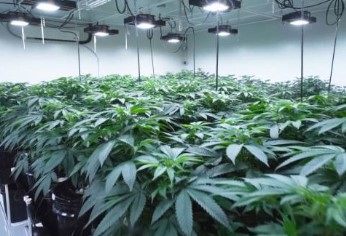
From a genetic standpoint, Lemon Haze expresses sativa-dominant growth patterns: tall, lanky structure, longer internodal spacing, and longer flowering periods. These traits require specific environmental and nutritional adjustments to avoid suboptimal growth and to unlock its full phytochemical potential.
Germination and Early Vegetative Stage
- Germination Medium: Use sterile rockwool cubes or a lightly fertilized seed-starting mix (EC ~0.4–0.6, pH 5.8–6.0)
- Ideal Conditions:
- Temperature: 22–26°C (72–78°F)
- Humidity: 70–80%
- Light: 18–24 hours of T5 fluorescent or LED at 200–400 PPFD
Rooting hormone (IBA or NAA) may be used when cloning to encourage vigorous root development.
Vegetative Growth Phase
Lemon Haze’s natural vigor and stretch require canopy management early in veg.
Environment
- Light cycle: 18/6 (18 hours light / 6 dark)
- PPFD target: 400–600 µmol/m²/s
- Temp: 24–28°C (75–82°F)
- RH: 60–70%
- CO₂: Optional boost to 800–1000 ppm for accelerated growth
Nutrients
- Macronutrients:
- High N (Nitrogen): ~150–200 ppm
- Moderate P (Phosphorus)
- High K (Potassium): important for early terpene synthesis
- Micronutrients: Maintain adequate Mg, Fe, and Ca to avoid chlorosis, especially in hydro systems
- EC: 1.2–1.8
- pH: 5.8–6.3 (hydro), 6.2–6.8 (soil)
Training Techniques
- Topping: Once after 4–6 nodes to reduce height and increase canopy width
- Low-Stress Training (LST): Encourage lateral growth to maximize yield
- ScrOG (Screen of Green): Excellent for maximizing light exposure on this sativa-dominant plant
Flowering Stage
Transition (Weeks 1–2)
- Lighting: Switch to 12/12 cycle
- Stretch: Lemon Haze can double or triple in size during early flowering (implement trellising or support structures)
- Environmental targets:
- Temp: 22–26°C (70–78°F)
- RH: Reduce to 50–55%
- CO₂: Increase to 1000–1200 ppm (if enriched environment)
Mid-to-Late Flowering (Weeks 3–10)
- Flowering Time: 9–10 weeks (sometimes 11 depending on phenotype)
- Light Intensity: Increase PPFD to 800–1000 µmol/m²/s for resin and terpene enhancement
- Nutrients:
- Decrease N slightly
- Increase P and K
- Maintain micronutrients (particularly Mg and S for chlorophyll and terpene formation)
- N: 40–60
- P: 60–90
- K: 200–300
- Mg: 60–100
- Ca: 100–150
- EC target: 1.8–2.4
- pH: 5.8–6.2
Important: Terpene Maximization
- Terpenes like limonene and pinene are highly volatile.
- Keep night temperatures low (18–20°C) to preserve oils.
- Gentle airflow and moderate VPD (~1.1–1.4 kPa) are key for resin gland integrity.
Harvest and Ripeness Indicators
Visual Signs
- Pistils turn orange/red and recede
- Trichomes turn cloudy with 5–15% amber (ideal for balanced effects)
- Calyxes swell; floral scent becomes extremely citrus-forward
Advanced Method: Trichome Microscopy
- Clear trichomes: Too early
- Cloudy trichomes: Peak THC
- Amber trichomes: More sedative/couch-lock effects (CBN present)
Lemon Haze is best harvested when trichomes are mostly cloudy with slight amber presence, especially if used for uplifting medical effects.
Post-Harvest Handling
Drying
- Temp: 18–20°C (64–68°F)
- RH: 50–60%
- Duration: 7–14 days
- Environment: Dark, well-ventilated room
Slow drying preserves terpenes (especially limonene, which volatilizes above 20°C easily).
Curing
- Glass jars or stainless steel containers
- Burp daily for 2–3 weeks
- Cure for 4+ weeks for terpene complexity and smoother smoke
Proper curing maximizes flavor expression and smoothness—essential for Lemon Haze’s appeal.
Cultivation Method Comparisons
| Method | Advantages | Notes for Lemon Haze |
|---|---|---|
| Soil (organic) | Rich flavor, microbial terpene synergy | Boosts limonene/myrcene, longer curing time |
| Coco coir | Fast growth, high oxygenation | Excellent yield and control |
| Hydroponics | Maximum nutrient uptake, rapid growth | Best for skilled growers, terpene volatility needs care |
| Living Soil | Natural balance, enhanced secondary metabolite production | May slow growth but boosts aroma complexity |
Tolerance, Side Effects, and Precautions
Side Effects
- Dry mouth and eyes
- Occasional dizziness (especially in new users)
- Anxiety or paranoia in high doses
- Mild tachycardia (fast heart rate) in sensitive individuals
Tolerance and Dependence
- As a high-THC strain, Lemon Haze may lead to tolerance if used daily.
- Not associated with strong physical dependence, though psychological habituation is possible.
Drug Interactions
- May amplify the sedative effects of CNS depressants or interact with SSRIs.
- Caution advised with high blood pressure medications due to THC’s vasodilatory effects.
Best Practices for Use
Medical Users
- Method: Vaporization or low-dose edibles recommended for consistent dosing
- Timing: Morning or early afternoon for mood, fatigue, and productivity
- Microdosing: 2.5–5 mg THC suggested for anxiety or ADHD symptoms
Recreational Users
- Ideal for social settings, creative pursuits, outdoor adventures, or housework
- Vaporizing flower preserves the full terpene spectrum
- Pairing with citrus fruits or herbal teas may enhance the sensory experience
Comparative Analysis
| Trait | Lemon Haze | Super Lemon Haze | Lemon Skunk |
|---|---|---|---|
| THC | 15–25% | 18–26% | 15–22% |
| Dominant Terpene | Limonene | Limonene | Myrcene |
| Effect | Uplifting, cerebral | Energetic, euphoric | Balanced, slightly sedative |
| Flavor | Sweet lemon, herbal | Citrus candy, pine | Earthy lemon, skunk |
| Medical Uses | Depression, fatigue | Depression, migraines | Stress, appetite loss |
Consumer Testimonials and Anecdotal Data
Patients and users frequently report:
- “Instant energy boost with zero crash”
- “Perfect for writing, music, and group activities”
- “Helped me get out of bed on low-motivation days”
- “Only a little is needed for a strong effect”
However, some users warn:
- “Can cause racing thoughts if I overdo it”
- “Not great before bed—keeps me too alert”
Legal and Market Status
- Accessible in North American and European legal cannabis markets
- Often found in flower, vape, and live resin formats
- Occasionally processed into edibles and concentrates (especially when paired with limonene-forward profiles)
Due to its uplifting nature and popularity, it’s commonly featured on dispensary “sativa-dominant” menus.
Conclusion
Lemon Haze is a quintessential sativa-dominant hybrid, offering a rich interplay of flavor, mood elevation, and therapeutic potential. Its high limonene and THC content deliver pronounced mental stimulation, making it ideal for daytime use, creative endeavors, and emotional support. Medically, it offers promising effects for mood disorders, fatigue, appetite loss, and neuropathic pain.
Its complex chemical profile and high terpene concentrations make Lemon Haze not just enjoyable but also a potentially valuable component in terpene-targeted cannabis therapies. When cultivated and consumed mindfully, it delivers a uniquely energetic yet balanced cannabis experience.
For a complete directory of cultivars, visit our Cannabis Strain Reviews.
