Table of Contents
Lemon G is a well-known, sativa-dominant hybrid cannabis strain famous for its uplifting effects, pungent citrus aroma, and therapeutic benefits. Originating from the Midwest United States, this strain has gained widespread recognition due to its potent THC content, making it a preferred choice for recreational and medical users alike. This guide delves into Lemon G’s genetic composition, medical applications, recreational effects, and scientific factors that make it a standout strain in the cannabis community.
1. Genetic Background
Lemon G is a sativa-dominant hybrid with approximately 70% sativa and 30% indica genetics. The strain is believed to be a phenotype of G13, a legendary indica known for its powerful sedative properties, crossed with an unidentified lemon-scented sativa. This unique blend results in a strain that delivers a euphoric cerebral high while offering mild relaxation without the lethargy associated with most indicas.
The lineage of Lemon G gives it a well-balanced genetic structure, combining the uplifting and creative stimulation of a sativa with the mellow relaxation of an indica. This makes it ideal for users seeking a boost in mood, energy, and focus, without excessive sedation.
2. Appearance, Aroma, and Flavor Profile
Appearance
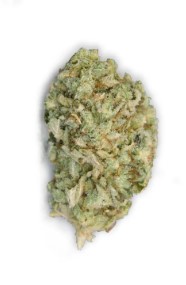
Lemon G plants grow tall and produce large, dense buds with a striking lime-green hue. The buds are often covered in fiery orange pistils, creating a vibrant contrast. A thick coating of frosty white trichomes gives the flowers a sticky, resinous texture, indicating the strain’s high potency.
Aroma
Lemon G’s scent is unmistakable and highly appealing. The strain emits an intense citrus aroma, reminiscent of freshly peeled lemons, with hints of earth and pine. Underlying its zesty lemon scent are notes of diesel and skunk, adding a layer of complexity to its fragrance.
Flavor
The flavor profile of Lemon G mirrors its aroma. On inhalation, users experience a sharp, tangy lemon taste complemented by hints of spice and earthiness. The exhale brings out subtle diesel and skunk undertones, creating a bold yet smooth smoking experience.
3. THC and CBD Content
Lemon G is known for its high THC content, typically ranging between 18% and 25%, depending on cultivation methods and specific phenotypes. This potent THC concentration is responsible for the strain’s powerful cerebral effects, making it ideal for users seeking an energizing and euphoric high.
In terms of CBD content, Lemon G has low levels of CBD, usually below 1%. While it does not provide the medicinal benefits associated with high-CBD strains, its high THC levels offer strong therapeutic effects, particularly for mood disorders and pain relief.
4. Medical Uses of Lemon G Cannabis Strain
Lemon G is a sativa-dominant hybrid with a unique terpene and cannabinoid profile that makes it highly valuable for therapeutic applications. Its high THC content (18-25%), low CBD (<1%), and rich terpene composition contribute to its medical efficacy. Below is a detailed breakdown of its medical benefits, supported by scientific insights into neurochemical interactions, pain management mechanisms, and mood-enhancing properties.

Neurological and Psychological Benefits
Depression and Mood Disorders
Lemon G’s potent euphoric and uplifting effects make it an effective treatment for major depressive disorder (MDD), bipolar disorder, and chronic stress.
Scientific Basis
- THC activates CB1 receptors in the endocannabinoid system (ECS), leading to increased dopamine release, which is essential for motivation and mood control.
- Limonene, the dominant terpene in Lemon G, has antidepressant-like properties by modulating serotonin and norepinephrine levels in the brain. Studies suggest that limonene enhances hippocampal function, improving emotional balance.
- Beta-Caryophyllene (BCP) acts on CB2 receptors, reducing neuroinflammation, which has been linked to mood disorders and anxiety.
Clinical Applications
- Chronic depression & mood instability: Lemon G provides fast-acting relief by boosting dopamine and serotonin levels.
- Social anxiety & generalized anxiety disorder (GAD): The stimulating but balanced effects help reduce mental fatigue and social withdrawal without excessive sedation.
PTSD and Stress-Related Disorders
Lemon G’s combination of THC, limonene, and BCP makes it effective for post-traumatic stress disorder (PTSD) and chronic stress conditions.
Scientific Basis
- THC dampens the amygdala’s hyperactivity, reducing fear-based responses common in PTSD.
- Limonene has anxiolytic effects by influencing serotonin transmission, which helps regulate emotional processing.
- BCP’s CB2 receptor activation reduces inflammatory stress responses, decreasing cortisol production.
Clinical Applications
- Combat-related PTSD & trauma recovery: Promotes mental resilience by stabilizing fear extinction pathways.
- Work-related stress & burnout: Enhances cognitive flexibility and emotional processing.
Pain and Inflammation Management
Lemon G has potent analgesic and anti-inflammatory properties, making it a viable alternative to opioids and NSAIDs for chronic pain disorders.
Neuropathic Pain & Fibromyalgia
Lemon G is particularly effective for nerve pain conditions, including fibromyalgia, multiple sclerosis (MS), and diabetic neuropathy.
Scientific Basis
- THC modulates pain perception by activating CB1 receptors in the spinal cord, reducing the transmission of nociceptive signals (pain signals).
- Limonene has anti-inflammatory properties that reduce oxidative stress in neurons, minimizing nerve damage and pain hypersensitivity.
- BCP’s CB2 receptor interaction lowers neuroinflammation, which is often elevated in fibromyalgia and MS patients.
Clinical Applications
- Fibromyalgia & chronic fatigue syndrome (CFS): Reduces widespread musculoskeletal pain while enhancing energy levels.
- Multiple sclerosis (MS)-related neuropathy: Helps alleviate muscle stiffness, spasms, and shooting nerve pain.
- Diabetic neuropathy: Protects nerve cells from inflammatory damage, slowing disease progression.
Arthritis and Inflammatory Disorders
Lemon G’s anti-inflammatory cannabinoids and terpenes make it highly effective for rheumatoid arthritis (RA), osteoarthritis (OA), and chronic inflammation-related conditions.
Scientific Basis
- THC suppresses pro-inflammatory cytokines such as TNF-alpha and IL-6, which contribute to joint pain and swelling.
- BCP’s interaction with CB2 receptors blocks inflammation pathways similar to non-steroidal anti-inflammatory drugs (NSAIDs) but without gastric side effects.
- Limonene’s antioxidant properties protect cartilage from degradation, slowing arthritis progression.
Clinical Applications
- Rheumatoid arthritis (RA) & autoimmune inflammation: Modulates immune responses, reducing pain and stiffness.
- Osteoarthritis (OA) & joint degeneration: Promotes joint mobility and flexibility by reducing oxidative stress.
- Inflammatory bowel disease (IBD, Crohn’s, ulcerative colitis): Reduces intestinal inflammation and spasmodic pain.
Sleep and Insomnia Management
Although Lemon G is a sativa-dominant strain, its terpene synergy creates a balanced effect that can aid sleep in certain medical cases.
Sleep Cycle Regulation
Lemon G is particularly useful for circadian rhythm disorders and REM sleep disruptions.
Scientific Basis
- THC shortens sleep latency (time to fall asleep) by interacting with CB1 receptors in the brain’s suprachiasmatic nucleus (SCN), which regulates sleep-wake cycles.
- Limonene enhances GABAergic neurotransmission, leading to mild sedation without next-day grogginess.
- BCP’s anti-inflammatory effects reduce pain-induced insomnia, helping patients achieve deeper, restorative sleep.
Clinical Applications
- Shift work sleep disorder (SWSD) & irregular sleep patterns: Helps recalibrate the sleep-wake cycle.
- Insomnia related to chronic pain: Reduces nighttime pain spikes, promoting longer sleep duration.
- Restless leg syndrome (RLS): Eases neuromuscular agitation, preventing sleep interruptions.
Appetite Stimulation & Gastrointestinal Benefits
Lemon G’s ability to increase appetite makes it beneficial for chemotherapy patients, individuals with eating disorders, and those suffering from GI conditions.
Chemotherapy-Induced Nausea & Appetite Loss
Cancer patients undergoing chemotherapy often experience severe nausea and loss of appetite.
Scientific Basis
- THC binds to CB1 receptors in the gastrointestinal tract, reducing nausea signals sent to the brain’s vomiting center.
- Limonene stimulates ghrelin production, a hunger hormone responsible for increasing appetite.
- BCP reduces gut inflammation, improving food tolerance.
Clinical Applications
- Chemotherapy-related nausea & vomiting: Provides fast-acting relief for cancer patients.
- HIV/AIDS-related appetite suppression: Enhances nutrient intake, preventing weight loss.
Inflammatory Bowel Diseases (IBD, Crohn’s, Colitis)
Lemon G’s anti-inflammatory effects soothe the digestive tract, making it a therapeutic option for IBD patients.
Scientific Basis
- THC reduces gut motility, easing abdominal cramping and diarrhea.
- BCP’s CB2 activation suppresses gut inflammation, preventing IBD flare-ups.
- Limonene enhances gut microbiome balance, improving nutrient absorption.
Clinical Applications
IBS & acid reflux: Reduces spasmodic gut contractions, decreasing bloating and acid production.
Crohn’s disease & ulcerative colitis: Relieves intestinal inflammation and cramping.
5. Recreational Uses of Lemon G Cannabis Strain
Beyond its medicinal applications, Lemon G is a favorite among recreational cannabis users due to its uplifting and social effects. Below are some of its most common recreational uses.
Boost in Creativity and Productivity
Lemon G is ideal for artists, writers, and musicians looking for an inspirational boost. Its cerebral high promotes creativity and enhances focus, making it a great choice for brainstorming and artistic endeavors.
Social and Group Settings
Thanks to its energetic and euphoric nature, Lemon G is a great strain for social interactions, parties, and gatherings. It helps users feel talkative, engaged, and happy, making it perfect for enhancing social experiences.
Daytime Use
Unlike sedating indica strains, Lemon G is best suited for daytime use. It provides an energetic high that allows users to remain productive while feeling relaxed and stress-free.
Physical Activities and Outdoor Adventures
Due to its invigorating and uplifting effects, Lemon G is a great strain for hiking, outdoor sports, and other physical activities. Users report feeling more active and motivated, making it an excellent option for those looking to stay engaged in physical endeavors.
6. Growing Lemon G Cannabis Strain
Lemon G is a moderately challenging cannabis strain to cultivate, requiring careful environmental management, nutrient optimization, and precise training techniques to achieve optimal yields. Below is a scientific breakdown of the best methods for indoor and outdoor cultivation, covering growth stages, environmental conditions, nutrient requirements, training methods, and harvesting techniques.
Environmental Conditions for Optimal Growth
Lemon G thrives in a controlled environment where temperature, humidity, and light exposure are carefully regulated. Whether grown indoors or outdoors, the following conditions must be met to ensure vigorous plant growth and high cannabinoid production.

Temperature and Humidity Requirements
- Seedling Stage (Weeks 1-2)
- Temperature: 70-78°F (21-25°C)
- Humidity: 65-75% (High humidity promotes early root development)
- Light Cycle: 18-24 hours of light per day
- Lighting: Fluorescent (CFLs) or LED grow lights
- Vegetative Stage (Weeks 3-8)
- Temperature: 70-82°F (21-28°C)
- Humidity: 50-70%
- Light Cycle: 18 hours of light / 6 hours of darkness
- Lighting: High-intensity LED or HPS lights (400-600W)
- Flowering Stage (Weeks 9-12)
- Temperature: 68-78°F (20-26°C)
- Humidity: 40-50% (Lower humidity to prevent mold growth)
- Light Cycle: 12 hours of light / 12 hours of darkness
- Lighting: High-intensity LED or HPS lights (600-1000W)
- Late Flowering & Harvesting (Weeks 13-14)
- Temperature: 65-75°F (18-24°C)
- Humidity: 30-40% (Dry conditions enhance resin production)
- Darkness: 24-48 hours of total darkness before harvest to boost terpene concentration
Nutrient Requirements & Feeding Schedule
Lemon G has moderate nutrient requirements and responds well to organic and hydroponic feeding systems. Below is a breakdown of macronutrient and micronutrient needs at each stage.
Macronutrients (N-P-K Ratio)
- Seedling Stage:(2-1-2 NPK Ratio)
- Requires high nitrogen (N) for early root and leaf development.
- Use diluted compost teas or kelp extract for micronutrients.
- Vegetative Stage:(4-2-3 NPK Ratio)
- Nitrogen (N): High nitrogen levels are necessary for leaf and stem growth.
- Phosphorus (P): Moderate phosphorus to support root expansion.
- Potassium (K): Boosts overall plant vigor and disease resistance.
- Flowering Stage:(1-3-5 NPK Ratio)
- Phosphorus (P): Essential for flower formation and resin production.
- Potassium (K): Enhances bud density and terpene synthesis.
- Reduce nitrogen (N) to prevent leafy bud growth.
Micronutrients (Calcium, Magnesium, Iron)
- Calcium (Ca): Enhances cell wall strength and prevents bud rot.
- Magnesium (Mg): Vital for chlorophyll production and terpene enhancement.
- Iron (Fe): Supports oxygen transport and enzymatic functions.
Best Nutrient Sources for Lemon G
- Organic: Worm castings, bat guano, kelp meal, fish emulsion.
- Hydroponic: pH-balanced liquid nutrients (General Hydroponics Flora Series).
Growing Mediums & pH Management
Lemon G can be cultivated in soil, hydroponics, or aeroponics, but each requires pH adjustments to ensure optimal nutrient uptake.
Soil Cultivation
- Best Soil Type: Well-aerated, organic, and nutrient-rich soil.
- Ideal Soil pH: 6.0-6.5 for optimal nutrient absorption.
- Recommended Mix:
- 50% Coco Coir or Peat Moss (Retains moisture)
- 30% Perlite (Improves aeration)
- 20% Organic Compost (Provides slow-releasing nutrients)
Hydroponic Cultivation
- Best Hydroponic System: Deep Water Culture (DWC) or Nutrient Film Technique (NFT).
- Optimal pH: 5.5-6.0
- EC Level: 1.2-1.6 (vegetative), 1.8-2.4 (flowering).
- Water Temperature: 65-70°F (18-21°C) to prevent root rot.
Aeroponic Cultivation
- Advantages: Rapid growth, increased trichome production, and higher yields.
- Drawbacks: Expensive and requires precise pH (5.5-6.0) and nutrient dosing.
Training Techniques for Higher Yields
Lemon G’s sativa-dominant growth structure means it can grow tall and branchy, requiring training techniques to control height and maximize light exposure.
Low-Stress Training (LST)
- Purpose: Increases canopy light exposure and promotes even bud development.
- Method: Gently bend and tie down branches using soft plant ties.
High-Stress Training (HST)
- Purpose: Triggers stress responses to enhance THC and terpene production.
- Methods:
- Topping: Cutting the main cola at an early vegetative stage to create multiple bud sites.
- Super Cropping: Slightly damaging stems to boost resin production.
Sea of Green (SOG)
- Best For: Small indoor grows with limited space.
- Method: Cultivate many small plants with single colas for faster flowering.
Screen of Green (ScrOG)
- Best For: Maximizing yields in indoor grows.
- Method: Weaving branches through a netting screen to increase light penetration.
Flowering and Harvesting Techniques
Lemon G’s flowering cycle lasts 9-10 weeks, but correct harvesting timing ensures maximum potency and terpene retention.
Signs of Peak Maturity
- Trichome Color:
- Clear → Immature
- Cloudy → Maximum THC potency
- Amber → More sedative effects (CBN-rich)
- Pistil Color:
- White → Immature
- Orange/Brown → Ready for harvest
Harvesting Techniques
- Best Time: Harvest early in the morning when terpene levels peak.
- Method: Use sterilized scissors to cut branches, then remove fan leaves.
Drying & Curing for Potency Preservation
- Drying Time: 7-14 days in a 60-70°F (15-21°C) room with 50-60% humidity.
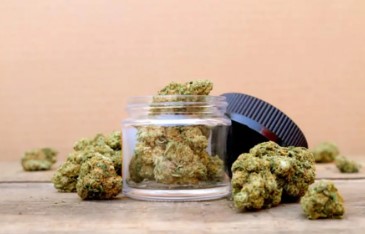
- Curing Time: Store buds in glass jars at 60-65% humidity for 2-4 weeks.
- Benefits: Enhances flavor, smoothness, and overall potency.
Common Cultivation Challenges & Solutions
| Issue | Symptoms | Solution |
|---|---|---|
| Nutrient Burn | Yellowing leaf tips, brown spots | Reduce fertilizer dosage, flush soil |
| Powdery Mildew | White powdery spots on leaves | Increase airflow, use neem oil |
| Root Rot | Wilting, slimy roots | Improve drainage, oxygenate water (for hydroponics) |
| Pest Infestation | Spider mites, aphids | Introduce ladybugs, use organic insecticidal soap |
| Light Burn | Bleached top leaves | Raise grow lights or lower intensity |
7. Potential Side Effects
Like all cannabis strains, Lemon G comes with some potential side effects, particularly for new or sensitive users.
- Dry Mouth and Dry Eyes: Common side effects that can be managed by staying hydrated.
- Dizziness or Lightheadedness: May occur in users with low THC tolerance.
- Anxiety or Paranoia: Consuming in high doses can lead to heightened anxiety, especially in those sensitive to THC.
8. Conclusion
Lemon G is a versatile, sativa-dominant hybrid that offers a unique combination of energetic, mood-enhancing, and pain-relieving effects. Its high THC content makes it ideal for both medical patients seeking relief from stress, pain, and fatigue and recreational users looking for a creative and uplifting high. With its strong citrus aroma, smooth flavor, and well-balanced effects, Lemon G continues to be a favorite strain among cannabis enthusiasts worldwide.
Whether you are looking for therapeutic benefits or an enjoyable recreational experience, Lemon G stands out as a potent and well-rounded cannabis strain that delivers a refreshing, euphoric, and uplifting high.
For a complete directory of cultivars, visit our Cannabis Strain Reviews.
