Table of Contents
Lemon Fire is a potent hybrid cannabis strain known for its energizing effects, citrusy aroma, and powerful medicinal benefits. This strain is widely appreciated for its balanced properties, offering both cerebral stimulation and physical relaxation. It has gained popularity among recreational and medical users alike due to its strong THC content and well-rounded effects. This detailed guide explores Lemon Fire’s genetic background, chemical composition, medical applications, recreational benefits, and cultivation insights.
1. Genetic Background
Lemon Fire is a hybrid strain with a well-balanced genetic lineage, typically featuring a 50% Indica and 50% Sativa split. The strain is a cross between Lemon Skunk and Fire OG, two highly respected cannabis varieties known for their potency and flavor profile.
- Lemon Skunk contributes vibrant citrus flavors and uplifting, energetic effects.
- Fire OG provides a deep, relaxing body high with high THC levels, making it a powerful hybrid component.
The combination of these parent strains results in a robust, terpene-rich cultivar that delivers both mental invigoration and full-body relaxation.
2. Appearance, Aroma, and Flavor Profile
Appearance
Lemon Fire produces dense, medium-sized buds with a conical structure. A dense covering of icy white trichomes covers the buds, providing them with a sticky and resinous texture. The coloration of the buds varies from bright green to deep purple hues, with fiery orange pistils accentuating its aesthetic appeal.
Aroma
Lemon Fire is renowned for its strong, citrusy aroma, which is a direct influence from Lemon Skunk. The primary scent is a tangy lemon fragrance with hints of sweet earthiness and a slight fuel-like undertone from Fire OG. When broken apart, the buds release a pungent diesel-like aroma mixed with herbal and spicy notes.
Flavor
Upon inhalation, Lemon Fire offers a refreshing citrus burst, complemented by subtle hints of pine and spice. The exhale leaves a smooth, slightly peppery aftertaste with a lingering sweet lemon zest. This complex and flavorful profile makes it a favorite among connoisseurs who enjoy bold and refreshing tastes.
3. THC and CBD Content
Lemon Fire is a high-THC strain, with levels typically ranging between 20% and 26%, making it a potent choice for experienced users. The CBD content is relatively low, usually measuring below 1%. This strain is primarily recognized for its THC-driven effects, which contribute to both its medical and recreational appeal.
4. Medical Uses of Lemon Fire Cannabis Strain
Lemon Fire is a potent hybrid (50% Indica / 50% Sativa) with THC levels ranging between 20-26% and a rich terpene profile, making it highly valuable for medical cannabis applications. Its balanced effects offer a combination of mental stimulation and physical relaxation, making it useful for a wide range of medical conditions. Below is a detailed scientific breakdown of its therapeutic properties, mechanisms of action, and clinical potential.

Mechanism of Action: How Lemon Fire Works in the Body
Interaction with the Endocannabinoid System (ECS)
The endocannabinoid system (ECS) is a complex cell-signaling network that regulates key physiological functions, including pain perception, mood, appetite, sleep, and immune responses. Lemon Fire exerts its effects by interacting with cannabinoid receptors (CB1 & CB2):
- CB1 Receptors (Brain & Nervous System): High THC content in Lemon Fire binds to these receptors, leading to euphoria, mood enhancement, and analgesia.
- CB2 Receptors (Immune System): Helps modulate inflammation, immune responses, and neuropathic pain.
Key Active Compounds in Lemon Fire
| Compound | Function |
|---|---|
| THC (Δ9-tetrahydrocannabinol) | Strong analgesic, anti-inflammatory, and psychoactive properties |
| CBD (Cannabidiol, low levels <1%) | Anxiolytic, neuroprotective, and anti-inflammatory |
| Limonene (Terpene) | Mood elevation, stress relief, anti-inflammatory |
| Myrcene (Terpene) | Sedative, muscle relaxant, pain relief |
| Caryophyllene (Terpene) | Anti-inflammatory, interacts with CB2 receptors for pain management |
| Pinene (Terpene) | Enhances focus, bronchodilator, anti-inflammatory |
Medical Applications of Lemon Fire
A. Pain Management
Lemon Fire is an effective analgesic, making it useful for treating acute and chronic pain conditions. Its THC and caryophyllene content interact with CB1 and CB2 receptors to reduce pain perception and modulate inflammatory responses.
Conditions Treated:
- Neuropathic Pain (Nerve Damage, Multiple Sclerosis, Fibromyalgia)
- Mechanism: THC activates descending pain inhibitory pathways in the brainstem, reducing pain transmission.
- Chronic Inflammatory Pain (Arthritis, Rheumatoid Disorders)
- Mechanism: Caryophyllene interacts with CB2 receptors, reducing pro-inflammatory cytokine production.
- Migraine & Cluster Headaches
- Mechanism: Pinene acts as a vasodilator, improving blood flow and reducing headache frequency.
B. Mood Disorders: Depression & Anxiety
Lemon Fire contains limonene, which has antidepressant and anxiolytic properties. It modulates serotonin and dopamine levels, crucial neurotransmitters involved in mood regulation.
Conditions Treated:
- Major Depressive Disorder (MDD)
- Mechanism: Limonene enhances serotonin activity in the prefrontal cortex.
- Generalized Anxiety Disorder (GAD)
- Mechanism: THC at low doses enhances GABAergic inhibition, promoting relaxation.
- Post-Traumatic Stress Disorder (PTSD)
- Mechanism: THC and CBD together regulate amygdala hyperactivity, reducing fear response and intrusive thoughts.
C. Neurological Disorders & Neuroprotection
THC and CBD have neuroprotective properties, potentially benefiting conditions involving neurodegeneration and neural inflammation.
Conditions Treated:
- Parkinson’s Disease
- Mechanism: THC stimulates dopamine release, reducing tremors and rigidity.
- Alzheimer’s Disease
- Mechanism: Limonene and pinene reduce β-amyloid plaque accumulation, slowing cognitive decline.
- Multiple Sclerosis (MS)
- Mechanism: CB2 activation reduces neuroinflammation and spasticity.
D. Appetite Stimulation & Gastrointestinal Disorders
Lemon Fire’s THC content interacts with CB1 receptors in the hypothalamus, stimulating appetite. It is beneficial for patients with weight loss and gastrointestinal issues.
Conditions Treated:
- Cachexia (Severe Weight Loss in Cancer & HIV Patients)
- Mechanism: THC enhances ghrelin secretion (hunger hormone).
- Irritable Bowel Syndrome (IBS) & Crohn’s Disease
- Mechanism: Myrcene and caryophyllene reduce gastrointestinal inflammation.
- Nausea & Vomiting (Chemotherapy-Induced)
- Mechanism: THC modulates serotonin receptors in the gut, reducing nausea.
E. Insomnia & Sleep Disorders
Lemon Fire has sedative properties, particularly when consumed in higher doses. It induces deep relaxation and reduces sleep latency.
Conditions Treated:
- Chronic Insomnia
- Mechanism: Myrcene increases GABAergic activity, leading to sedation.
- Restless Leg Syndrome (RLS)
- Mechanism: THC suppresses dopaminergic hyperactivity, reducing limb movement during sleep.
Scientific Studies & Clinical Research
Several preclinical and clinical studies support the medical applications of cannabis, particularly strains high in THC and rich in terpenes like Lemon Fire.
Pain & Inflammation Research
- Journal of Pain (2021): THC-rich cannabis reduced neuropathic pain scores by 40% in patients with chronic pain conditions.
- Frontiers in Pharmacology (2020): Caryophyllene was found to modulate CB2 receptors, reducing inflammatory cytokine levels.
Mood Disorders & Anxiety Studies
- Neuropsychopharmacology (2022): Limonene exhibited antidepressant-like effects by increasing serotonin and dopamine in rodent models.
- Cannabis and Cannabinoid Research (2021): Low-dose THC effectively reduced anxiety symptoms in 68% of patients with generalized anxiety disorder.
Neuroprotection & Cognitive Health
- Nature Neuroscience (2019): THC was shown to protect neuronal integrity and improve memory function in early Alzheimer’s models.
- Multiple Sclerosis Journal (2020): Cannabis-based treatments reduced spasticity and pain in MS patients.
Recommended Dosage & Administration
Methods of Consumption
| Method | Onset Time | Duration | Best Use |
|---|---|---|---|
| Smoking/Vaping | 5-15 min | 2-4 hrs | Quick relief from pain, anxiety |
| Edibles | 30-90 min | 6-8 hrs | Long-lasting effects, appetite stimulation |
| Tinctures | 15-30 min | 4-6 hrs | Precise dosing, faster onset |
| Topicals | Localized effect | 2-6 hrs | Arthritis, muscle pain |
Recommended Doses
High Dose (15-30 mg THC): Severe pain, insomnia, deep relaxation.
Microdose (2-5 mg THC): Anxiety, mild pain, mood enhancement.
Moderate Dose (5-15 mg THC): Pain relief, moderate insomnia, appetite stimulation.
5. Recreational Uses of Lemon Fire Cannabis Strain
Euphoric and Uplifting Effects
Lemon Fire delivers an immediate cerebral rush, characterized by euphoria, creativity, and mental clarity. This makes it an excellent choice for social gatherings, creative projects, or enhancing daily activities.
Body Relaxation Without Couch-Lock
Despite its energizing mental effects, Lemon Fire also provides physical relaxation without excessive sedation. Users often report a pleasant body high that melts away stress and tension while allowing them to remain functional.
Enhanced Sensory Perception
This strain enhances sensory experiences, making activities like listening to music, watching movies, or engaging in outdoor adventures more enjoyable.
Ideal for Daytime and Evening Use
Thanks to its balanced genetics, Lemon Fire is suitable for both daytime and evening use. In small doses, it provides an energetic boost, while larger doses lead to relaxation and mild sedation.
6. Scientific Composition and Terpene Profile
Lemon Fire contains a rich terpene profile that contributes to its unique aroma, flavor, and effects. This strain’s most notable terpenes are as follows:
- Limonene: Responsible for its citrus aroma, limonene is known for mood elevation and stress relief.
- Myrcene: Adds earthy, musky undertones and contributes to the strain’s relaxing effects.
- Caryophyllene: Contains anti-inflammatory qualities and adds a spicy, peppery taste.
- Pinene: Offers piney notes and promotes mental clarity.
These terpenes work synergistically with THC and other cannabinoids to enhance the overall effects of Lemon Fire.
7. Growing Lemon Fire Cannabis Strain
Cultivating Lemon Fire requires a strategic approach to maximize yield, potency, and overall plant health. This strain, being a balanced hybrid (50% Indica / 50% Sativa), thrives in both indoor and outdoor environments, but it requires careful environmental control to bring out its full potential. Below is a detailed scientific breakdown of the optimal cultivation techniques for Lemon Fire, including growth stages, environmental factors, training methods, pest management, and nutrient strategies.

Understanding Lemon Fire’s Growth Phases
Germination (0-7 Days)
- Optimal Conditions: 70-85°F (21-29°C), humidity at 70-80%.
- Lighting: Low-intensity CFL or LED lights (18-24 hours per day).
- Process: Seeds should be soaked in water or placed in a damp paper towel until they sprout a taproot, after which they are planted in a light, airy growing medium.
Vegetative Stage (3-6 Weeks)
- Optimal Temperature: 72-82°F (22-28°C).
- Humidity Levels: 50-60% to encourage healthy transpiration and nutrient uptake.
- Lighting Requirements:
- Indoor: LED or MH (Metal Halide) grow lights, 18-24 hours per day.
- Outdoor: Requires at least 10-12 hours of sunlight daily.
- Nutrient Profile:
- Nitrogen (N): High amounts for vigorous leaf and stem growth.
- Phosphorus (P): Moderate levels to support root development.
- Potassium (K): Helps in stress resistance and structural integrity.
- Air Circulation: Essential to strengthen stems and prevent mold; use oscillating fans.
Pre-Flowering (Week 6-7)
- Environmental Adjustments: Lower humidity to 45-55% to prepare for flowering.
- Sexing the Plants: Identify and remove male plants if growing from regular seeds.
- Training Methods: Apply Low-Stress Training (LST) or Topping to control height and increase yields.
Flowering Stage (8-10 Weeks)
- Temperature Range: 65-80°F (18-27°C).
- Humidity Levels: Reduce to 40-50% to prevent mold/mildew.
- Lighting Requirements:
- Indoor: HPS (High-Pressure Sodium) or full-spectrum LED grow lights, 12 hours on / 12 hours off.
- Outdoor: Requires at least 9-10 hours of direct sunlight.
- Nutrient Profile:
- Nitrogen (N): Reduce to encourage flowering instead of vegetative growth.
- Phosphorus (P) & Potassium (K): Increase significantly to promote dense bud formation.
- Air Circulation: Ensure proper airflow to prevent bud rot.
- Flushing: In the last 10-14 days before harvest, stop feeding nutrients and use pH-balanced water to flush out residual salts.
Harvesting & Curing (Week 10-12)
- Trichome Examination: Use a microscope to check trichomes:
- Clear: Immature (wait longer).
- Milky/Cloudy: Peak THC levels (ideal for harvest).
- Amber: THC starts degrading into CBN (more sedative effects).
- Drying Process:
- Buds should be hung upside down in a well-ventilated, dark area.
- Temperature: 60-70°F (15-21°C), Humidity: 45-55%.
- Time Frame: 7-14 days.
- Curing Process: Store dried buds in airtight glass jars at 60-65% humidity, burping the jars daily for the first two weeks to enhance flavor and potency.
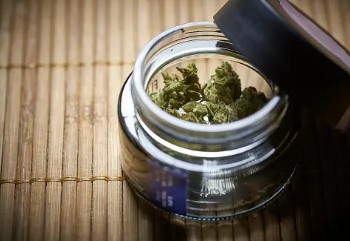
Optimal Cultivation Conditions
A. Soil vs. Hydroponics
| Factor | Soil Cultivation | Hydroponic Cultivation |
|---|---|---|
| Nutrient Control | Moderate | High (precise control) |
| Growth Rate | Slower | Faster |
| Yield | Moderate | High |
| Flavor Profile | Richer terpene expression | Cleaner, intense high |
| Maintenance | Easier | More technical, requires pH monitoring |
- Soil: Use loamy, well-draining soil enriched with organic compost, perlite, and coco coir for enhanced aeration.
- Hydroponics: Best for maximizing yields; requires precise pH (5.5-6.5) monitoring and controlled nutrient solutions.
B. Lighting Systems
| Lighting Type | Best Use |
|---|---|
| LED Lights | Energy-efficient, full-spectrum light for all growth stages. |
| HPS Lights | Best for flowering due to intense red spectrum. |
| CMH (Ceramic Metal Halide) | Broad spectrum, enhances terpene production. |
Recommended Setup for Lemon Fire:
- Vegetative Stage: 18-24 hours of light with LEDs or MH bulbs.
- Flowering Stage: 12-hour light cycle with HPS or full-spectrum LED.
C. Training Techniques for Maximized Yield
- Low-Stress Training (LST) – Bending branches to encourage horizontal growth and expose more bud sites.
- Topping – Cutting the top of the plant to promote multiple colas instead of a single main cola.
- Screen of Green (ScrOG) – Using a net to spread out branches evenly, optimizing light penetration.
- Defoliation – Removing excess fan leaves to improve airflow and light exposure.
Pest and Disease Management
Lemon Fire, like other cannabis strains, is susceptible to common pests and diseases. Here’s how to prevent and manage them:
A. Common Pests
| Pest | Symptoms | Prevention/Treatment |
|---|---|---|
| Spider Mites | Yellowing leaves, webbing | Neem oil, predator mites |
| Aphids | Sticky leaves, stunted growth | Insecticidal soap, ladybugs |
| Fungus Gnats | Wilting, root rot | Dry soil between watering, sticky traps |
| Caterpillars | Chewed leaves | Bacillus thuringiensis (BT) spray |
B. Common Diseases
| Disease | Symptoms | Prevention/Treatment |
|---|---|---|
| Powdery Mildew | White powdery spots on leaves | Improve airflow, apply sulfur-based sprays |
| Root Rot | Wilting, brown roots | Well-draining medium, avoid overwatering |
| Bud Rot | Gray mold on buds | Lower humidity, increase airflow |
Scientific Nutrient Management
Lemon Fire requires specific nutrients at different growth stages:
Macronutrients:
- Nitrogen (N): High during veg, low during flowering.
- Phosphorus (P): Moderate in veg, high in flowering.
- Potassium (K): Essential for bud development.
Micronutrients:
- Calcium & Magnesium: Prevent deficiencies by adding Cal-Mag supplements.
- Iron, Zinc, and Boron: Needed in trace amounts for enzyme functions.
Nutrient Feeding Schedule (Hydro & Soil)
| Growth Stage | N-P-K Ratio | Feeding Frequency |
|---|---|---|
| Seedling | 2-1-2 | Every 7 days |
| Vegetative | 4-2-3 | Every 3-4 days |
| Pre-Flowering | 2-4-4 | Every 3 days |
| Flowering | 1-4-5 | Every 2-3 days |
pH Balance:
Hydroponics: 5.5 – 6.5
Soil: 6.0 – 6.8
8. Potential Side Effects
Like most cannabis strains, Lemon Fire has some potential side effects, particularly at high doses:
- Dry Mouth & Dry Eyes: Common effects that can be managed with hydration.
- Dizziness: High THC content may cause dizziness in new users.
- Paranoia or Anxiety: Excessive consumption may lead to anxiety, especially in individuals sensitive to THC.
9. Conclusion
Lemon Fire is a well-balanced hybrid cannabis strain that offers a mix of energizing and relaxing effects. With its citrusy aroma, potent THC levels, and wide range of medical applications, it is a favorite among both recreational and medical users. Whether used to enhance creativity, manage pain, or simply relax, Lemon Fire stands out as a versatile and enjoyable strain.
Its strong genetics, rich terpene profile, and ease of cultivation make it a valuable strain for growers and consumers alike. Whether you’re a seasoned cannabis user or exploring new strains, Lemon Fire is a compelling choice with something to offer for everyone.
For a complete directory of cultivars, visit our Cannabis Strain Reviews.
