Table of Contents
Lemon Drizzle is a sativa-dominant hybrid cannabis strain known for its invigorating effects and pronounced citrus aroma. This strain is the result of crossing Super Lemon Haze and WiFi OG, both of which contribute to its energetic, cerebral high and therapeutic potential. Due to its high tetrahydrocannabinol (THC) content, which typically ranges between 20-25%, it is considered a potent strain suitable for experienced users.
Genetics and Chemical Composition
Lemon Drizzle is a hybrid with approximately 85% sativa and 15% indica genetics. The parent strains contribute to its unique properties:
- Super Lemon Haze: A sativa-dominant hybrid known for its bright citrus aroma and uplifting, energetic effects.
- WiFi OG (White Fire OG): A slightly indica-leaning hybrid that adds potency and a layer of relaxation to the strain’s effects.
Cannabinoid Profile
The primary cannabinoid composition of Lemon Drizzle includes:
- THC (20-25%) – Responsible for the strain’s psychoactive effects, mood enhancement, and analgesic properties.
- CBD (<1%) – Present in trace amounts, meaning this strain is not primarily used for conditions requiring high CBD levels.
- CBG (~1-2%) – Found in small concentrations, CBG is known for its neuroprotective and anti-inflammatory properties.
The combination of these cannabinoids contributes to the strain’s strong cerebral effects, moderate physical relaxation, and therapeutic potential.
Terpene Profile
Terpenes are the organic compounds responsible for the strain’s aroma, flavor, and some of its therapeutic effects. Lemon Drizzle’s dominant terpenes include:
- Limonene – The most abundant terpene in this strain, contributing to its citrusy, lemony scent. Known for mood elevation, anti-anxiety, and stress relief.
- Myrcene – Provides earthy, musky undertones and has sedative, anti-inflammatory, and analgesic properties.
- Caryophyllene – Adds spicy, peppery notes and interacts with CB2 receptors, making it beneficial for reducing inflammation and pain.
- Pinene – A secondary terpene that promotes alertness, respiratory function, and cognitive clarity.
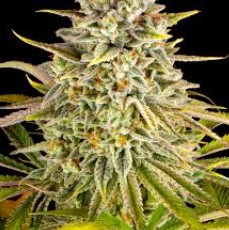
Together, these terpenes influence Lemon Drizzle’s invigorating and uplifting effects, making it ideal for daytime use.
Recreational and Psychoactive Effects
Lemon Drizzle is widely enjoyed for its euphoric, energetic, and uplifting effects. Due to its high THC content and dominant sativa properties, it produces a cerebral high that enhances mood, creativity, and motivation.
Primary Recreational Effects
- Euphoria – Users experience an immediate mood boost, reducing feelings of stress or negativity.
- Energy & Focus – Ideal for activities requiring concentration, problem-solving, and creative thought.
- Sociability & Talkativeness – Many consumers report that this strain enhances social interactions and communication.
- Mild Body Relaxation – While predominantly a cerebral strain, some users experience a gentle body buzz.
Because of its energetic nature, Lemon Drizzle is best suited for morning or afternoon use, making it a great choice for social settings, outdoor activities, and artistic pursuits.
Potential Side Effects
While Lemon Drizzle is generally well-tolerated, some users may experience temporary side effects, including:
- Dry Mouth & Dry Eyes – Typical of strains with high THC levels.
- Mild Paranoia or Anxiety – Can occur in individuals sensitive to THC, especially at high doses.
- Dizziness or Headaches – Less common, but possible in those with lower tolerance levels.
To avoid unwanted effects, starting with a low dose and staying hydrated is recommended.
Medical Applications of Lemon Drizzle
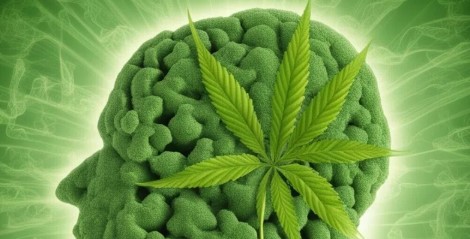
Lemon Drizzle is increasingly used in medical cannabis treatments, particularly for conditions that benefit from mood enhancement, cognitive stimulation, and pain relief.
Mental Health Benefits
- Anxiety & Stress Relief
- The presence of limonene helps alleviate stress and anxiety symptoms by promoting calmness and positivity.
- Unlike indica strains, which can cause sedation, Lemon Drizzle provides relief without drowsiness.
- Depression & Mood Disorders
- The dopaminergic effects of THC can elevate mood and combat depression.
- Users report an increased sense of well-being and motivation, making this strain effective for seasonal affective disorder (SAD) and mild depressive episodes.
- ADHD & Focus Enhancement
- The stimulating effects of this strain can aid in improving focus, attention span, and cognitive clarity.
- Pinene plays a role in memory retention and mental alertness, making it beneficial for individuals with attention deficit disorders.
Physical Health Benefits
- Pain Management & Inflammation
- The presence of caryophyllene contributes to anti-inflammatory and analgesic effects.
- Users report relief from chronic pain, arthritis, muscle tension, and headaches.
- Fatigue & Energy Boost
- Due to its stimulating effects, Lemon Drizzle is often used to combat chronic fatigue syndrome (CFS).
- It provides an energy boost without excessive jitteriness, unlike some other sativa strains.
- Appetite Stimulation
- While not as strong as some indica-dominant strains, Lemon Drizzle can increase appetite, making it useful for individuals undergoing chemotherapy or suffering from appetite loss.
Cultivation and Growth Characteristics
Lemon Drizzle, being a sativa-dominant hybrid, requires precise environmental conditions, nutrient management, and pest control strategies to achieve maximum potency, yield, and terpene retention. Below is a scientific approach to cultivating Lemon Drizzle, covering optimal growing conditions, hydroponic techniques, soil composition, and environmental control.
1. Environmental Requirements for Lemon Drizzle Cultivation
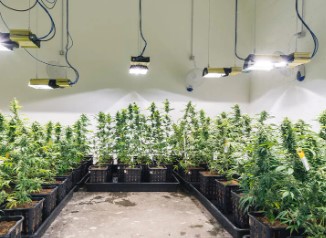
Lemon Drizzle thrives under controlled conditions with specific temperature, humidity, and light exposure requirements.
Temperature & Humidity Control
- Vegetative Stage (Weeks 1-4)
- Temperature: 22-27°C (72-81°F)
- Relative Humidity (RH): 50-65%
- CO₂ Enrichment: 400-800 ppm enhances photosynthesis and leaf growth.
- Flowering Stage (Weeks 5-9)
- Temperature: 20-25°C (68-77°F)
- RH: 45-55% (Lower RH prevents bud rot and mold growth)
- CO₂ Enrichment: 800-1200 ppm increases bud density and resin production.
- Late Flowering (Weeks 9-10)
- Temperature: 18-22°C (64-72°F)
- RH: 30-40% (Enhances trichome production and prevents moisture-related diseases)
Maintaining ideal VPD (Vapor Pressure Deficit) ensures optimal transpiration and nutrient uptake.
Formula:VPD=(SVP at Leaf Temperature)−(SVP at Air Temperature×RH)VPD = (\text{SVP at Leaf Temperature}) – (\text{SVP at Air Temperature} \times \text{RH})VPD=(SVP at Leaf Temperature)−(SVP at Air Temperature×RH)
Where SVP (Saturated Vapor Pressure) is calculated based on temperature.
2. Lighting Spectrum and Photoperiod Optimization
Lemon Drizzle responds well to full-spectrum LED grow lights with precise photoperiod control.
- Vegetative Stage:
- Light Intensity: PPFD 300-600 μmol/m²/s
- Photoperiod: 18 hours light / 6 hours dark
- Optimal Spectrum: Blue 450-470nm + White 5000K-6500K to enhance vegetative growth.
- Flowering Stage:
- Light Intensity: PPFD 700-1000 μmol/m²/s
- Photoperiod: Twelve bright and twelve dark hours
- Optimal Spectrum: Red 630-660nm + White 3000K-3500K for higher bud development and terpene expression.
- UVB Exposure (Final 2 Weeks)
- UVB 280-320nm increases trichome density and enhances cannabinoid synthesis.
- Applied 2-3 hours per day during the last 2 weeks of flowering.
3. Hydroponic vs. Soil Cultivation
Lemon Drizzle performs well in both hydroponic and soil-based systems.
Hydroponic Cultivation (Optimal for Fast Growth & High Yield)
- Preferred Systems: Nutrient Film Technique (NFT) or Deep Water Culture (DWC)
- pH Range: 5.5-6.2
- EC Levels:
- Vegetative Stage: 1.2-1.8 mS/cm
- Flowering Stage: 1.8-2.4 mS/cm
- Nutrient Delivery: Automated drip irrigation ensures consistent nutrient absorption.
Soil-Based Cultivation (Enhances Terpene Profile)
- Soil Composition:
- 40% Peat Moss (Retains moisture)
- 30% Perlite (Enhances aeration)
- 20% Organic Compost (Microbial activity)
- 10% Vermiculite (Buffers pH and improves cation exchange capacity)
- pH Range: 6.2-6.8
- Watering Schedule: Once every 2-3 days, avoiding waterlogging.
- Microbial Inoculants: Mycorrhizal fungi & Trichoderma spp. improve root health and nutrient uptake.
4. Nutrient Management and Feeding Schedule
Lemon Drizzle requires a balanced macronutrient and micronutrient supply for optimal growth and terpene expression.
Macronutrients (N-P-K Ratio)
| Growth Stage | Nitrogen (N) | Phosphorus (P) | Potassium (K) |
|---|---|---|---|
| Seedling (Weeks 1-2) | 2-1-2 | Low feeding to avoid burn | |
| Vegetative (Weeks 3-6) | 4-2-3 | High N for leaf development | |
| Early Flowering (Weeks 7-9) | 2-3-4 | Increase P & K for bud formation | |
| Late Flowering (Weeks 9-11) | 0-3-5 | Stop N, focus on P & K | |
| Final Flush (Last 2 weeks) | 0-0-0 | Water only to remove excess nutrients |
Micronutrients
- Calcium (Ca) – Prevents bud rot, enhances cell wall strength.
- Magnesium (Mg) – Essential for chlorophyll synthesis.
- Iron (Fe) – Aids in enzyme function and energy transfer.
- Silicon (Si) – Increases stress resistance and trichome density.
5. Pest & Disease Control Using Biocontrol Methods
Lemon Drizzle is susceptible to fungal infections, pests, and root diseases. Using biological control agents instead of synthetic pesticides ensures safety and environmental sustainability.
Common Pests & Control Strategies
| Pest | Scientific Name | Biocontrol Agents |
|---|---|---|
| Spider Mites | Tetranychus urticae | Phytoseiulus persimilis (Predatory Mite) |
| Aphids | Aphidoidea | Lacewing larvae & Ladybugs |
| Fungus Gnats | Sciaridae | Bacillus thuringiensis var. israelensis (BTI) |
Common Diseases & Treatment
| Disease | Causal Agent | Biocontrol |
|---|---|---|
| Powdery Mildew | Golovinomyces spp. | Sulfur sprays, Trichoderma harzianum |
| Root Rot | Pythium spp. | Mycorrhizal fungi, Hydrogen peroxide flushes |
Prevention Strategies:
- Neem Oil Applications every 10-14 days.
- Companion Planting with basil, garlic, and marigolds to repel pests.
- Air Circulation & Dehumidifiers to prevent fungal growth.
6. Harvesting, Drying, and Curing for Maximum Potency
Harvest Timing (Based on Trichome Color)
- Milky Trichomes → Maximum THC potency.
- Amber Trichomes → Higher CBN content (More sedative effects).
- Clear Trichomes → Too early for harvest.
Drying Process
- Temperature: 16-20°C (60-68°F)
- Humidity: 50-60%
- Airflow: Consistent ventilation to prevent mold
- Duration: 10-14 days
Curing Process (Enhancing Flavor and Potency)
- Glass jars with humidity packs (58-62% RH)
- Stored in dark, cool space (~18°C)
- Burping jars daily for the first 2 weeks
- Total curing time: 4-6 weeks
Proper curing preserves THC, enhances terpenes, and smooths the smoke quality.
Lemon Drizzle, a sativa-dominant hybrid with high THC content (20-25%), can be consumed through various ingestion methods, each affecting the onset, intensity, and duration of its psychoactive and medicinal effects.
Methods of Ingestion and Their Pharmacokinetics
The method of ingestion directly impacts how cannabinoids (THC, CBD, and terpenes) are absorbed, metabolized, and eliminated.
A. Inhalation (Smoking/Vaporization)
Mechanism of Absorption:
- Cannabinoids enter the alveoli in the lungs and are rapidly absorbed into the pulmonary circulation.
- Bypasses first-pass metabolism, leading to fast onset and high bioavailability (20-56%).
- Peak plasma concentrations of THC occur within 2-10 minutes.
Onset, Duration, and Effects:
| Factor | Details |
|---|---|
| Onset | 1-5 minutes |
| Peak Effects | 15-30 minutes |
| Duration | 2-4 hours |
| Bioavailability | 20-56% |
| Best Use | Quick relief from pain, anxiety, stress, or depression |
Smoking vs. Vaporization
- Combustion (Smoking):
- Burning at ~900°C releases toxins (benzene, carbon monoxide).
- Inefficient THC conversion (~30% lost in sidestream smoke).
- Vaporization (Optimal Method):
- Heats cannabis to 160-230°C, avoiding combustion.
- Preserves terpenes and cannabinoids.
- Higher bioavailability than smoking.
B. Oral Ingestion (Edibles, Capsules, Tinctures)
Mechanism of Absorption:
- Cannabinoids enter the digestive tract, are absorbed through the intestinal lining, and metabolized in the liver via first-pass metabolism.
- 11-hydroxy-THC, which is stronger and more persistent, is produced from THC.
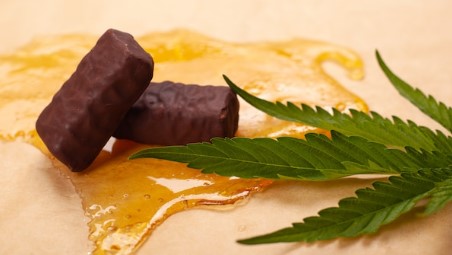
Onset, Duration, and Effects:
| Factor | Details |
|---|---|
| Onset | 30-90 minutes |
| Peak Effects | 2-4 hours |
| Duration | 6-12 hours |
| Bioavailability | 4-20% |
| Best Use | Long-lasting effects for chronic pain, sleep, or anxiety |
Pros and Cons
- Pros:
- Longer-lasting, more intense effects.
- Better for medical patients needing extended relief.
- Cons:
- Delayed onset increases the risk of overconsumption.
- High variability in effects due to individual metabolism differences.
C. Sublingual (Tinctures, Sprays)
Mechanism of Absorption:
- Cannabinoids diffuse directly into the bloodstream via the oral mucosa.
- Bypasses first-pass metabolism, leading to faster onset than edibles but longer effects than inhalation.
Onset, Duration, and Effects:
| Factor | Details |
|---|---|
| Onset | 15-45 minutes |
| Peak Effects | 1-2 hours |
| Duration | 4-6 hours |
| Bioavailability | 10-35% |
| Best Use | Faster relief with longer effects than smoking |
D. Topical (Creams, Patches, Transdermal Delivery)
Mechanism of Absorption:
- Cannabinoids bind to CB2 receptors in the skin and peripheral nervous system.
- Non-psychoactive unless using transdermal patches, which deliver THC into the bloodstream.
Onset, Duration, and Effects:
| Factor | Details |
|---|---|
| Onset | 15-30 minutes (topicals) / 1-2 hours (transdermal) |
| Peak Effects | 1-2 hours |
| Duration | 4-12 hours |
| Bioavailability | Highly variable |
| Best Use | Localized pain, inflammation, arthritis |
Comparative Analysis of Ingestion Methods
Each method has unique pharmacokinetic properties that influence the therapeutic and psychoactive effects of Lemon Drizzle.
| Method | Bioavailability | Onset Time | Peak Effects | Duration |
|---|---|---|---|---|
| Smoking | 20-56% | 1-5 min | 15-30 min | 2-4 hours |
| Vaping | 30-60% | 1-5 min | 15-30 min | 2-4 hours |
| Edibles | 4-20% | 30-90 min | 2-4 hours | 6-12 hours |
| Sublingual | 10-35% | 15-45 min | 1-2 hours | 4-6 hours |
| Topical | Variable | 15-30 min | 1-2 hours | 4-12 hours |
- Best for Quick Relief → Vaping or smoking.
- Best for Long-lasting Effects → Edibles or tinctures.
- Best for Localized Pain → Topicals.
- Best for Medical Use → Transdermal patches (consistent dosing).
THC Metabolism and Duration of Effects
Metabolic Pathways
- Inhalation:
- THC reaches the brain via pulmonary absorption within seconds.
- Metabolized in the liver (CYP2C9, CYP2C19, CYP3A4 enzymes).
- Converts to 11-OH-THC (active metabolite) and then THC-COOH (inactive).
- Oral Consumption:
- In the liver, THC is first-pass metabolized.
- Converts to 11-OH-THC, which crosses the blood-brain barrier more efficiently, leading to stronger and prolonged effects.
Duration of Effects
| Method | Active THC Time in Blood | Detectable Time in Urine |
|---|---|---|
| Smoking/Vaping | 2-6 hours | 3-7 days |
| Edibles | 6-12 hours | 7-14 days |
| Sublingual | 4-6 hours | 3-7 days |
| Topicals | Not in bloodstream | Not detected |
Chronic users may retain THC metabolites for weeks to months, as THC is fat-soluble and stored in adipose tissue.
Scientific Explanation of Lemon Drizzle’s Effects
The effects of Lemon Drizzle are largely explained by its cannabinoid-terpene interaction within the endocannabinoid system (ECS).
Endocannabinoid System Interaction
- THC binds to CB1 receptors in the brain, inducing euphoria, mood elevation, and creativity.
- Caryophyllene interacts with CB2 receptors, modulating inflammation and pain perception.
- Limonene influences serotonin receptors, leading to anxiety relief and increased motivation.
Neurochemical Influence
- Dopamine release: Contributes to the strain’s motivational and pleasure-enhancing effects.
- Glutamate and acetylcholine modulation: Increases cognitive clarity and focus.
- Cortisol reduction: Helps mitigate stress responses.
Through these mechanisms, Lemon Drizzle provides a well-balanced combination of cognitive stimulation, mood enhancement, and mild relaxation.
Conclusion
Lemon Drizzle is a potent, sativa-dominant hybrid with high THC levels, making it a preferred strain for experienced users seeking an energetic and uplifting experience. Its citrus-heavy terpene profile enhances its euphoric and motivational effects, while its therapeutic applications make it beneficial for stress, depression, ADHD, and mild pain management. With its moderate cultivation difficulty, it remains a rewarding strain for growers willing to invest in proper environmental control.
For a complete directory of cultivars, visit our Cannabis Strain Reviews.
