Table of Contents
Lemon Diesel is a unique and potent cannabis strain that combines the best of indica and sativa genetics. Renowned for its sharp citrus aroma, diesel-fuel undertones, and balanced mind-body effects, Lemon Diesel has earned a place among both connoisseur and medicinal users. Whether seeking euphoria, stress relief, or chronic pain management, users are drawn to its multifaceted chemical profile and broad therapeutic range.
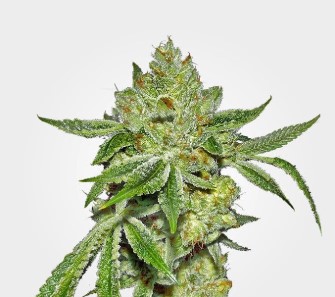
Genetic Lineage & Origins
Lemon Diesel is a hybrid cannabis strain, typically indica-dominant, resulting from a cross between:
- California Sour (itself a cross between Lemon Skunk and Sour Diesel)
- Lost Coast OG (a phenotype of OG Kush known for its strong body effects)
Phenotype Classification
- Genotype: Hybrid (Indica-dominant)
- Typical Ratio: 70% Indica / 30% Sativa
- Flowering Time: 8–10 weeks
- THC Range: 17%–25%
- CBD Content: <1%
- Flavors/Aromas: Lemon zest, diesel fuel, earth, black pepper
Cannabinoid Profile
Lemon Diesel expresses a rich cannabinoid spectrum led by THC, but also includes minor cannabinoids contributing to its therapeutic value.
| Cannabinoid | Average Concentration (%) | Medical Roles |
|---|---|---|
| THC | 17–25 | Analgesic, antiemetic, mood-elevating |
| CBD | <1 | Anxiolytic, anti-inflammatory (supportive role here) |
| CBG | 0.5–1.5 | Gut support, neuroprotective |
| CBC | 0.2–0.8 | Anti-inflammatory, antidepressant |
| THCV | 0.1–0.3 | Appetite control, anticonvulsant |
While Lemon Diesel is not a CBD-rich strain, its high THC and moderate minor cannabinoid content make it powerful for managing pain, stress, and fatigue.
Terpene Profile
Lemon Diesel’s distinctive aroma and medicinal synergy are driven by its terpene content—volatile organic compounds responsible for flavor, scent, and many of cannabis’s physiological effects.
| Terpene | Aroma | Scientific/Medical Effects |
|---|---|---|
| Limonene | Lemon, citrus | Antidepressant, anti-anxiety, antibacterial |
| Myrcene | Musky, earthy | Sedative, muscle relaxant, anti-inflammatory |
| Caryophyllene | Peppery, woody | CB2 agonist, analgesic, gastroprotective |
| Pinene | Pine, herbal | Bronchodilator, memory-enhancer, anti-inflammatory |
| Humulene | Earthy, hops | Appetite suppressant, anti-inflammatory |
Entourage Effect Potential
- Limonene + THC = mood elevation
- Caryophyllene + THC = enhanced pain relief
- Myrcene + THC = increased sedation at higher doses
Recreational Effects
Lemon Diesel’s high is often described as cerebrally euphoric followed by a body-soothing calm, making it a favorite for both social and solo use.

Onset and Experience
- Onset: ~5–15 minutes (inhalation); ~30–60 mins (edibles)
- Duration: 2–4 hours (inhaled), 4–6 hours (edibles)
Early Effects (0–30 min)
- Elevated mood and slight euphoria
- Mental clarity, sociability
- Boost in creativity and focus
Later Effects (30–120 min)
- Body relaxation, stress relief
- Physical comfort or sedation (at higher doses)
- Heightened sensory perception
Recreational Use Cases
- Socializing and laughter
- Enhancing music and film
- Gaming or creative work
- Mindful walks or evening wind-down
- Erotic enhancement (reported by some users)
Adverse Effects
- Dry mouth and eyes
- Possible dizziness or anxiety with high THC doses
- Sedation if consumed in large quantities
Medical Uses: Scientific and Clinical Basis
Lemon Diesel is a hybrid cannabis strain with an indica-dominant genetic background. It typically contains THC levels between 16–20%, sometimes higher, and may express CBD and minor cannabinoids like CBG, CBC, and THCV, depending on the phenotype and cultivation conditions. Its therapeutic value lies in the interplay between these cannabinoids and a rich terpene profile that includes limonene, myrcene, caryophyllene, pinene, and humulene.
These components interact with the endocannabinoid system (ECS) and other receptor systems in the body, producing a wide range of physiological effects that make Lemon Diesel useful for managing pain, inflammation, anxiety, mood disorders, appetite loss, and fatigue, among others.
II. Cannabinoid Mechanisms and Therapeutic Contributions
1. THC (Δ⁹-Tetrahydrocannabinol)
THC is the dominant psychoactive compound in Lemon Diesel. It primarily binds to CB1 receptors in the central nervous system, which are involved in controlling mood, hunger, memory, motor control, and the sense of pain. Through CB1 activation:
- Analgesia results from its reduction of excitatory neurotransmitter release.
- It enhances dopamine transmission, promoting euphoria and mood elevation.
- It stimulates the lateral hypothalamus, triggering hunger signals (appetite stimulation).
- It modulates pain and sensory pathways in the spinal cord and brainstem, making it useful for neuropathic pain, migraines, and multiple sclerosis-related pain.
2. CBD (Cannabidiol)
In phenotypes with moderate CBD levels, this non-psychoactive cannabinoid plays a balancing role. It does not bind strongly to CB1 or CB2 receptors but modulates their activity indirectly, while also interacting with:
- Serotonin receptors (5-HT1A) — contributing to anxiolytic and antidepressant effects.
- TRPV1 receptors — modulating nociception and inflammation.
- PPARs and adenosine receptors — influencing cellular metabolism, neuroprotection, and immune responses.
3. CBG (Cannabigerol)
CBG is a non-intoxicating cannabinoid found in small-to-moderate levels in some Lemon Diesel phenotypes. It is a partial agonist at both CB1 and CB2, and also modulates TRP channels and α2-adrenergic receptors, giving it potential to:
- Reduce neuropathic pain and inflammatory responses.
- Enhance focus and alertness without sedation.
- Support gut health, particularly in conditions like IBS or Crohn’s disease.
- Provide neuroprotection through antioxidant and anti-inflammatory actions in the brain.
4. CBC and THCV (Minor Cannabinoids)
CBC supports neurogenesis and may enhance pain and inflammation modulation through TRP channel activation.
THCV, depending on the dose, can act as a CB1 antagonist (suppressing appetite and reducing THC’s intensity) or as a mild agonist (producing stimulant-like effects). It shows promise in managing metabolic disorders, anxiety, and epilepsy.
III. Terpene Profile and Pharmacological Actions
The therapeutic character of Lemon Diesel is significantly influenced by its terpene composition. These aromatic compounds modulate neurotransmission, inflammation, and mood.
1. Limonene
Limonene contributes to the lemon aroma and is linked to:
- Elevated mood and stress resilience through modulation of dopaminergic and serotonergic activity.
- Anxiolytic effects, especially when combined with THC and CBD.
- Antioxidant and anti-inflammatory properties, which can support immune balance.
2. Myrcene
Myrcene is a sedating terpene that:
- Enhances the effects of cannabinoids through increased cell membrane permeability.
- Provides muscle relaxation, pain relief, and anti-inflammatory effects.
- Can help with insomnia and tension-related pain, especially in higher doses.
3. Caryophyllene
Unique among terpenes, caryophyllene binds directly to CB2 receptors, exerting:
- Anti-inflammatory effects, particularly in the gut, joints, and skin.
- Analgesic properties for both inflammatory and neuropathic pain.
- Modulation of immune cell signaling, reducing cytokine release and tissue damage.
4. Pinene
Pinene supports:
- Cognitive function and memory retention by inhibiting acetylcholinesterase (enzyme that breaks down acetylcholine).
- Bronchodilation, helping users with respiratory inflammation or asthma-like symptoms.
- Mild alertness and clarity, countering THC’s sedative impact.
5. Humulene
This terpene acts on inflammatory pathways and:
- Reduces swelling and pain through inhibition of prostaglandins and histamines.
- May suppress appetite slightly, balancing THC’s hunger-inducing effects.
- Supports immune regulation, complementing caryophyllene’s CB2 activity.
IV. Targeted Medical Applications of Lemon Diesel
1. Chronic Pain
Lemon Diesel is effective for both neuropathic and inflammatory pain. THC modulates pain perception via CB1, while CBD, CBG, and CBC influence TRP channels and inflammatory enzymes. Terpenes like myrcene and caryophyllene enhance analgesic synergy. Conditions commonly managed include:
- Fibromyalgia
- Migraines
- Arthritis
- Multiple sclerosis-related pain
- Cancer-related pain
2. Anxiety and Mood Disorders
At low to moderate doses, Lemon Diesel can improve mood and reduce anxiety through:
- Limonene’s serotonergic modulation
- CBD’s effect on serotonin and GABA pathways
- Caryophyllene’s CB2-driven anxiolytic effects
It may benefit:
- Generalized Anxiety Disorder (GAD)
- Social anxiety
- Mild to moderate depression
- PTSD (for stress-induced hyperarousal)
Caution is needed at high THC doses, which may trigger anxiety in susceptible individuals.
3. Inflammation and Autoimmune Disorders
Through CB2 receptor activation, TRP modulation, and PPAR engagement, Lemon Diesel can reduce:
- Systemic inflammation
- Immune overactivation
- Localized swelling and pain
This makes it useful for:
- Rheumatoid arthritis
- Crohn’s disease and colitis
- Autoimmune skin conditions (eczema, psoriasis)
- Chronic fatigue with an inflammatory component
4. Appetite Stimulation and GI Support
THC’s activation of hypothalamic feeding centers stimulates appetite, making Lemon Diesel useful for:
- Cancer and HIV-related cachexia
- Anorexia nervosa (with caution)
- Nausea and vomiting, especially during chemotherapy
CBD and CBG also provide gastrointestinal support by calming intestinal inflammation and motility, helping those with IBS or nausea from medications.
5. Fatigue and Low Energy
Unlike heavy indica strains, Lemon Diesel provides alertness-enhancing effects due to:
- Limonene and pinene’s neurostimulant properties
- Low-to-moderate THC-induced dopamine release
- Myrcene’s relaxation without heavy sedation in controlled doses
It may benefit:
- Chronic fatigue syndrome
- Depression-related fatigue
- Post-viral fatigue states
- Multiple sclerosis fatigue
6. Neurological Conditions
With both neuroprotective and symptom-modulating properties, Lemon Diesel is supportive in:
- Multiple sclerosis – for spasticity, neuropathic pain, mood
- Parkinson’s disease – mild tremor, anxiety, sleep support
- Epilepsy – adjunctive use if CBD and CBG levels are moderate
- Alzheimer’s disease – possible neuroinflammation reduction (CB2, PPAR pathways)
While not a primary treatment for seizure disorders, it may support overall neurological comfort and symptom burden reduction.
V. Considerations in Therapeutic Use
Dosing Strategy
| Condition | Method | Dose (THC) | Notes |
|---|---|---|---|
| Chronic pain | Inhalation or tincture | 2.5–10 mg | Start low; titrate as needed |
| Anxiety/Depression | Vapor or sublingual | 1–5 mg | Lower doses reduce anxiety risk |
| Insomnia | Edible or tincture | 5–15 mg | Take 1–2 hours before bed |
| Appetite | Inhalation | 5–10 mg | Best before meals |
| Inflammation | Daily microdose | 2–4 mg THC + CBD | Combine with anti-inflammatory terpenes |
Safety Notes
- Overuse may result in drowsiness, dry mouth, cognitive clouding, or anxiety.
- Use caution in patients with a history of psychosis, cardiovascular conditions, or drug interactions (especially those involving CYP450 metabolism).
- Patients should avoid operating machinery or driving after use.
- Tolerance can build over time; periodic breaks are beneficial.
Cultivation Science of Lemon Diesel
Growth Traits and Morphology
Lemon Diesel is a moderately vigorous indica-dominant hybrid, known for its:
- Resinous flowers
- Strong lateral branching
- High terpene expression (limonene, myrcene, caryophyllene)
Botanical Profile
| Trait | Characteristic |
|---|---|
| Genotype | Hybrid (70% indica / 30% sativa) |
| Growth Habit | Bushy, medium height, sturdy lateral growth |
| Flowering Time | 8–10 weeks indoors |
| Optimal Harvest (Outdoor) | Mid to late October |
| Yield Potential | 400–500g/m² indoors; 500–800g/plant outdoors |
| Ideal Environment | Indoor or greenhouse with climate control |
Lemon Diesel performs best in controlled environments where its terpene profile and dense colas can be maximized without humidity-related issues.
Environmental Control: Photosynthetic & Climatic Parameters
Temperature, Humidity, and VPD
Managing Vapor Pressure Deficit (VPD) is critical to optimizing Lemon Diesel’s transpiration, growth, and resin production.
| Stage | Day Temp | Night Temp | Humidity | Target VPD (kPa) |
|---|---|---|---|---|
| Seedling | 22–25°C | 18–20°C | 65–70% | 0.5–0.8 |
| Vegetative | 24–28°C | 20–22°C | 55–65% | 0.8–1.2 |
| Flowering | 20–26°C | 16–20°C | 40–50% | 1.0–1.5 |
| Late Flowering | 18–24°C | 15–18°C | 30–40% | 1.2–1.6 |
Scientific rationale: Lower humidity during flowering reduces mold and increases resin gland (trichome) density due to plant stress signaling via abscisic acid (ABA) pathways.
Light Intensity and Spectrum
Light is the primary driver of cannabinoid biosynthesis. Lemon Diesel’s THC and terpene profiles can be enhanced with proper spectral and intensity planning.
| Stage | Light Cycle | PPFD (µmol/m²/s) | Light Quality |
|---|---|---|---|
| Vegetative | 18/6 | 400–600 | Blue-heavy (450–500 nm) full spectrum |
| Flowering | 12/12 | 600–1000 | Red-rich (620–700 nm) + UV-B enhancement |
| Ripening (last 10 days) | 12/12 | 800–1100 | Max PAR + UV-B (280–320 nm for resin boost) |
Research insight: Studies (Magagnini et al., 2018) show UV-B exposure increases trichome production and THC content by stimulating DNA repair and secondary metabolite defense responses.
Substrate and Root Zone Management
Growing Medium Options
Lemon Diesel is adaptable to multiple growing systems, but each has specific physiological impacts:
A. Living Soil (Organic)
- Promotes microbial-terpene interaction
- Enhances flavor and aroma
- Use compost, worm castings, kelp, bat guano
B. Coco Coir (Soilless)
- High oxygen availability
- Fast nutrient uptake
- Needs calcium/magnesium supplementation
C. Hydroponics
- Precise control over nutrient delivery
- Higher yields possible
- May reduce terpene complexity unless supplemented with organic compounds
| Parameter | Soil | Coco | Hydro |
|---|---|---|---|
| pH Range | 6.0–6.5 | 5.8–6.2 | 5.6–6.1 |
| EC Range | 1.2–2.2 | 1.2–2.4 | 1.4–2.5 |
Nutrient Strategy: Macronutrients, Micronutrients, and Ratios
Macronutrient Phases
| Growth Stage | N | P | K | Focus |
|---|---|---|---|---|
| Vegetative | High | Medium | High | Leaf expansion, stem strength |
| Early Flower | Medium | High | High | Bud set and transition |
| Late Flower | Low | Very High | Very High | Resin, terpene, and cannabinoid production |
Micronutrient Considerations
Micronutrients like Zn, B, Mn, Fe, Mo are critical co-factors in:
- THCA synthase and CBGA synthase enzyme activity
- Photosynthesis (Fe, Mg)
- Stress tolerance (Mn, Cu)
Best practice: Use chelated micronutrients (EDTA or DTPA forms) to ensure bioavailability across pH ranges.
Cultivation Techniques to Optimize Yield and Quality
Training and Structural Management
Lemon Diesel produces dense buds; proper canopy management is essential for light penetration and airflow.
Recommended Techniques
- Low-Stress Training (LST): Spreads branches to improve light distribution.
- Topping: Stimulates apical dominance; ideal during week 3–4 veg.
- Screen of Green (ScrOG): Helps maintain even canopy height.
- Defoliation: Reduces microclimate RH and improves yield per square meter.
Plant Spacing
| System | Recommended Spacing |
|---|---|
| Indoor (soil) | ~60 cm apart |
| Coco or hydro | ~45–50 cm apart |
| Outdoor | ~1–1.5 meters apart |
Flowering, Harvesting & Trichome Maturation
Flowering Timeline
- Weeks 1–3: Stretch phase, pre-flower
- Weeks 4–6: Resin and flower build-up
- Weeks 7–9: Final swelling, terpene peak
- Week 9–10: Harvest window depending on phenotype
Harvest Indicators
- Trichomes: Cloudy with 10–20% amber for balanced effect
- Pistils: 75–90% turned
- Scent peak: Strong lemon-fuel aroma signals maximum terpene expression
Drying, Curing & Terpene Preservation
Drying Environment
| Parameter | Ideal Value |
|---|---|
| Temp | 18–21°C (64–70°F) |
| Humidity | 50–60% |
| Duration | 10–14 days |
| Darkness | Complete |
Slow drying prevents chlorophyll lock-in and preserves monoterpenes like limonene which volatilize above 70°F.
Curing Process
- Cure in glass jars at 60–65% RH using Boveda packs or humidity meters
- Burp daily for first 2 weeks
- Ideal cure length: 4–6 weeks
Curing allows enzymatic degradation of sugars and chlorophyll, enhancing flavor smoothness and cannabinoid bioavailability.
Pathogen and Pest Management
Common Threats
| Issue | Prevention |
|---|---|
| Powdery mildew | Low RH, air circulation, lactobacillus foliar |
| Spider mites | Neem oil, predatory mites, silica supplements |
| Bud rot (Botrytis)** | Avoid dense clusters, reduce humidity late flower |
| Fungus gnats | Sand top layer, Bacillus thuringiensis israelensis (BTi) |
Organic IPM is preferred for Lemon Diesel to protect delicate terpenes and resin.
Cultivation for Therapeutic Use: Scientific Optimization Goals
Enhancing Terpenes for Medicinal Efficacy
- Organic inputs (e.g., molasses, kelp) during bloom increase microbial symbiosis and terpene richness.
- Avoid excess nitrogen in late flower—high N suppresses limonene and caryophyllene expression.
Enhancing THC and Cannabinoid Concentration
- UV-B supplementation during weeks 6–9 can upregulate trichome density via light stress response.
- Defoliation + temperature drop at night (18°C) improves resin gland density and color.
Summary: Scientific Best Practices for Lemon Diesel Cultivation
| Cultivation Factor | Targeted Outcome |
|---|---|
| Controlled VPD | Optimal transpiration and calcium uptake |
| Light spectrum tuning | Enhanced photosynthesis, trichome development |
| Organic microbial soil | Superior terpene complexity |
| Strategic defoliation | Airflow, light penetration, mold prevention |
| Proper curing | Terpene preservation, cannabinoid stability |
Pharmacological Research Highlights
| Compound | Effect |
|---|---|
| THC | Analgesia, appetite stimulation |
| Limonene | Anxiolytic, antidepressant |
| Caryophyllene | CB2 agonist, anti-inflammatory |
| Pinene | Memory enhancement |
| Myrcene | Sedation, analgesia |
These studies collectively support Lemon Diesel’s clinical promise in mood regulation, pain relief, inflammation management, and appetite enhancement.
Comparative Strain Analysis
| Strain | THC | Dominant Terpenes | Medical Use Focus |
|---|---|---|---|
| Lemon Diesel | 17–25% | Limonene, Myrcene, Caryophyllene | Mood, pain, appetite, anxiety |
| OG Kush | 19–27% | Myrcene, Limonene | Pain, stress, insomnia |
| Sour Diesel | 18–26% | Limonene, Pinene | Energy, focus, depression |
| Blue Dream | 17–25% | Myrcene, Pinene | Pain, depression, nausea |
Conclusion
Lemon Diesel is a potent, versatile hybrid that delivers strong mental uplift and physical comfort, driven by a chemotype rich in THC, limonene, and caryophyllene. Its unique lemon-fuel aroma and balanced effects make it ideal for chronic pain, anxiety, appetite stimulation, and mood disorders—all supported by modern cannabinoid and terpene pharmacology.
From a cultivation perspective, it thrives in indoor or greenhouse environments, rewards attention to nutrient detail and terpene preservation, and delivers high-quality, resinous buds suited for both flower and extract production.
Whether for medical relief or recreational bliss, Lemon Diesel proves itself a well-rounded, high-performance cultivar that earns its place in both dispensaries and home gardens.
For a complete directory of cultivars, visit our Cannabis Strain Reviews.
